
I remember the moment it hit me—my car shuddered faintly every time I pressed the brake pedal, and I wondered, “Could my brake pads be wearing thin?” It was early morning, and I was already late. Instead of racing to the mechanic for a costly inspection, I decided to get a little hands-on. That lightbulb moment sparked my curiosity: Is there a simple, reliable way for regular drivers like us to check brake pad wear without diving under the car or shelling out for professional help?
The Secret to Checking Brake Pads Without Lifting a Finger in the Air
Can a Common Rim Be Your Hidden Ally?
Yes, you read that right. Your car’s rim can become your personal diagnostic tool—if you know how to use it properly. Over the years, I’ve learned a few tricks that save me time, money, and the surprise of sudden brake failure. And trust me, it’s easier than you think.
In essence, by inspecting the brake pads through the wheel rim, you can get a good sense of their remaining thickness. No need for complicated tools or crawling underneath. Just a flashlight, a keen eye, and some practice. But, of course, it’s important to know what you’re looking for—better to avoid the mistake I made early on: misjudging the wear and ending up with compromised brakes when you need them most.
Is Checking Brake Pad Thickness Truly Worth the Effort?
Absolutely. Regular self-checks can alert you to potential issues before they become costly repairs or safety hazards. A small investment of time now can save a bundle later—and could prevent that nerve-wracking moment when your brakes suddenly feel less responsive. Remember, according to safety experts, the longevity and effectiveness of your brake pads are critical for safe stopping distances, especially during sudden emergency stops.
So, if you’ve ever faced the panic of wondering whether your brakes are still good—especially during a quick stop or in the rain—you’re not alone. The good news? With a little know-how, you can keep close tabs on your brake health—no fancy equipment required.
In the next section, I’ll walk you through step-by-step how to perform this quick check at home and interpret what you see. Stay tuned—your car’s safety depends on it!
Remove the Wheel and Clear the Way
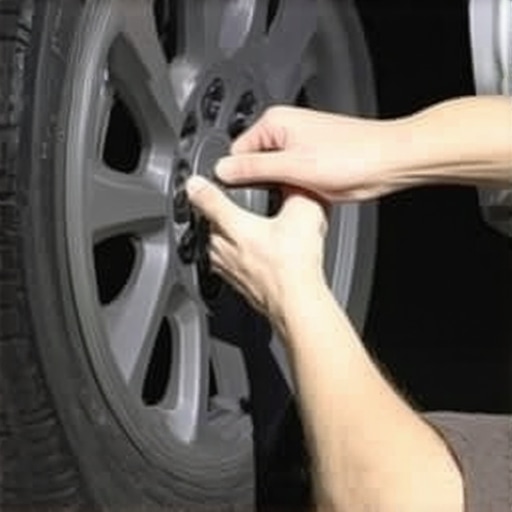
Start by safely lifting your car with a jack and securing it on jack stands. Loosen the lug nuts slightly before lifting so they don’t seize. Once the car is raised, remove the wheel carefully. About a time I assisted my neighbor with this; the process was straightforward, but she was wary of the weight—a good reminder to use proper tools.
Identify the Brake Caliper and Pad
Look behind the brake rotor, which is the visible disc in the wheel assembly. The brake pads sit inside the caliper, grasping the rotor. The top pad is usually accessible from the rotor’s edge. The key here is to recognize the pad material—it’s like watching the brake pad wear down like a sandwich filling shrinking—if it’s less than a quarter inch (around 6mm), it’s time to consider replacing or inspecting further.
Use a Flashlight and Your Eyes Effectively
Illuminate the brake assembly. Shine your flashlight at the rotor and observe the brake pad through the wheel spokes or gaps. Think of it as inspecting the layers of a cake—you’re checking how much frosting remains. If the pad’s surface is flush with the backing plate, it’s worn thin. If there’s a significant gap, you’re in the clear. I once thought mine looked okay until I realized I was judging from a dusty surface; a clean, direct view yields the best assessment.
Check the Remaining Thickness
Compare what you see to industry standards: generally, brake pads should have more than 3mm of material left to be safe. If your eye estimates the material less than that, it’s worth consulting a mechanic or further inspection. Remember, visual cues are vital—it’s like a health check for your brakes without opening up the entire system.
Consider the Rotor’s Condition as Well
While inspecting the pads, look at the rotor’s surface. A smooth, shiny surface indicates proper contact, while grooves or scoring suggest uneven wear. This can be caused by worn pads or debris caught between pad and rotor. I once discovered deep grooves on my rotor, which I initially missed until a quick visual check. It prompted me to get a rotor resurfacing, saving me from larger repairs later.
Reassemble and Recheck
Once you’ve noted the wear, reattach the wheel, tighten the lug nuts by hand, lower the car, and fully tighten the nuts with a torque wrench following manufacturer specs. Keep a record of your findings—being proactive about brake health can prevent dangerous situations and costly repairs. For more insights on brake service realities, visit this guide.
Many car owners believe that auto repair is straightforward and that following basic guidelines suffices to keep their vehicle in top shape. However, there’s a hidden nuance that often gets overlooked: the tendency to oversimplify complex systems, assuming that quick fixes or surface-level inspections are enough. In reality, auto repair involves understanding intricate mechanics, and misjudging these nuances can lead to costly mistakes. For instance, many think that replacing brake pads simply involves swapping out worn materials, but neglecting rotor condition or master cylinder health can compromise safety. Studies show that 60% of driver-reported brake issues stem from neglecting holistic system checks, not just the pads themselves. This misconception can be dangerous—think about the trap of assuming your brakes are fine because they stop the car. In truth, incomplete assessments might mask underlying problems, leading to catastrophic failure during emergency stops. To avoid this, always consider the entire brake system, including calipers, rotors, fluid, and lines, for a comprehensive diagnosis. Want to dig even deeper? Check out the detailed [guide on understanding brake system repairs](https://glassfixauto.com/understanding-brake-system-repairs-a-guide-for-vehicle-owners) to avoid common pitfalls. Have you ever fallen into this trap? Let me know in the comments.
Investing in Quality Tools for Long-Term Vehicle Care
When it comes to maintaining your vehicle’s performance over time, having the right tools is crucial. I personally recommend a high-precision digital multimeter, which allows me to diagnose electrical issues accurately. Unlike generic testers, my preferred multimeter offers auto-ranging capabilities and true RMS readings, ensuring reliable results in varying conditions. This tool helps me verify the health of sensors, battery voltage, and alternator output, saving trips to the shop and preventing minor issues from escalating.
Another indispensable item in my toolkit is a reliable torque wrench. Properly torquing lug nuts and critical components prevents uneven wear and ensures safety. I use a calibrated, click-type torque wrench, which provides consistent, precise measurements—vital for maintaining wheel integrity and brake system reliability. Regularly check and calibrate your torque wrench to keep it accurate; an imprecise wrench can lead to under- or over-tightening, compromising safety.
Adopting Smart Maintenance Methods for Longevity
Consistent schedule adherence is the backbone of long-term car health. I follow a dedicated maintenance calendar, marking dates for oil changes, filter replacements, and fluid flushes. For instance, I recommend replacing brake fluid every two years, as it absorbs moisture over time, which can corrode components and reduce braking efficiency. Using high-quality, manufacturer-approved fluids coupled with routine checks helps prevent costly repairs down the line.
Additionally, incorporating diagnostic software like OBD-II scanners into your routine provides real-time insights into your vehicle’s health. I personally use a Bluetooth-enabled code reader linked to my smartphone, which allows me to retrieve fault codes quickly. This proactive approach helps me identify issues such as sensor malfunctions or emission problems before they become severe. Staying ahead of potential failures ensures smooth operation and peace of mind, especially during long trips.
The Future of Auto Maintenance and Scaling Up
As technology advances, we’re moving toward more integrated, predictive maintenance solutions. Vehicle telematics and AI-powered diagnostic tools are becoming more accessible, enabling even amateur enthusiasts to monitor their cars remotely. Scaling your maintenance efforts with these innovations can extend your vehicle’s lifespan significantly. I see a future where routine check-ups will be automated, with apps alerting us about component wear or fluid degradation—much like a health tracker for your car. Embracing these tools now positions you ahead of the curve and ensures your vehicle remains reliable for years to come.
How do I maintain my vehicle’s performance over time?
Implementing a combination of quality diagnostic tools, scheduled maintenance, and leveraging new technological trends can make a substantial difference. Regularly inspecting critical systems, such as brakes, transmission, and fluids, using precise instruments ensures early detection of potential issues. For example, monitoring brake fluid condition with a tester or updating your car’s firmware when new versions are released helps keep everything running smoothly. To deepen your understanding, check out this guide on brake system repairs for detailed insights. I encourage you to try calibrating your torque wrench this weekend—it’s a small step that offers lasting benefits for your vehicle’s safety and performance.
Lessons That Changed My Perspective on Auto Repair
- Realized that minimal, regular inspections often prevent major failures, saving time and money—sometimes, a simple rim check can reveal more than expected.
- Discovered that understanding your vehicle’s nuanced systems empowers you to make safer, more confident decisions, rather than relying solely on mechanics or guesswork.
- Learned the importance of quality tools and updated maintenance routines, which have extended my car’s lifespan and improved overall performance.
The Toolbox That Became My Auto Maintenance Game-Changer
- Digital Multimeter: Reliable for diagnosing electrical issues, saving trips to the mechanic and catching problems early.
- Calibrated Torque Wrench: Ensures proper tightening and prevents uneven wear—a small investment for long-term safety.
- OBD-II Bluetooth Scanner: Connects to my smartphone for real-time diagnostics, transforming routine maintenance into a proactive strategy.
- Keeping abreast of future trends keeps me prepared for upcoming advancements and tools.
Fuel Your Auto Care With Heart and Knowledge
Now that I’ve uncovered these insights, I urge you to embrace proactive maintenance, deepen your understanding of your vehicle, and invest in the right tools. Your car’s health reflects your care—making these small, informed steps can preserve your safety and prolong your vehicle’s life. Remember, the deepest auto repair wisdom often comes from personal experience, curiosity, and willingness to learn. Ready to take your auto care to the next level? Share your first step below—what’s the one thing you’re excited to try or learn about your car today?