
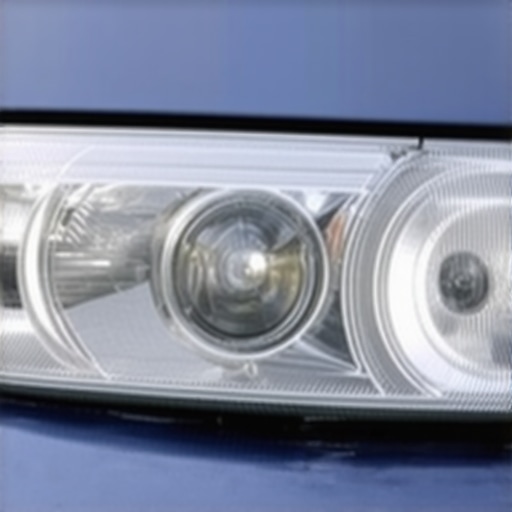
Ever been caught in the rain or driving at night and realized your headlights look more like foggy windows than bright beams? I remember the first time I noticed my car’s headlights turning yellowish and dull. It was one of those frustrating moments when I couldn’t see properly, and I thought, “Is this really just how headlights age?” That lightbulb moment led me down a path of discovery, and I want to share what I learned.
Why Your Headlights Turn Foggy and How It Affects Your Safety
Over time, headlight lenses become cloudy due to a combination of UV exposure, oxidation, and dirt accumulation. This haziness not only diminishes your night visibility but also makes your car look neglected, which might lead to stiff fines or failed inspections in some areas. Research shows that headlights that are cleaned or restored can improve road visibility and reaction times, significantly boosting safety for you and others. If you’re tired of squinting into foggy beams or feeling embarrassed to have your car look worn out, rest assured, there’s an effective solution.
Now, I’ll walk you through exactly how to restore your headlights. Believe me, it’s easier than you think, and you don’t need to be a mechanic to do it. But before we jump into the steps, here’s a quick heads-up: I once rushed into buying expensive headlight restoration kits without checking online reviews. Let’s just say, some products are better than others, and doing a little research upfront saves time and money. Want to see what really works? Check out trusted guides and reviews for the best products—many of which can be found online, like the comprehensive tips on maintaining your car’s lighting system.
Is Headlight Restoration Really Worth the Hype?
At first, I was skeptical about how much a simple polish could improve my headlights. But after a trial, I was impressed by how a little elbow grease and the right materials made them look brand new. The key is avoiding shortcuts that might damage the lens or leave you with a worse foggy effect. You want a solution that’s both affordable and effective. If you’re questioning whether restoring your headlights is worth the effort, consider this: properly maintained headlights can also prolong the life of your bulb and reduce strain on your electrical system, ultimately saving you money in the long run. For more tips on maintaining their optimal condition, exploring [auto repair trends](https://glassfixauto.com/auto-repair-trends-to-watch-in-2025-staying-ahead-of-the-curve) could be enlightening.
Are you tired of that yellowish glow and ready to make your headlights clear again? Great, because next, I’ll guide you through the simple steps I used to bring back the brightness in my headlights and how you can do the same.
Prepare Your Workspace and Materials
Begin by gathering all necessary supplies: car soap, water, painter’s tape, masking paper or plastic, automotive polish or headlight restoration kit, a microfiber cloth, and a power drill with a polishing pad (optional but helpful). I once tried to do this on a windy day without taping off surrounding areas—ended up with scratched paint from debris. To prevent this, first clean your car and mask off areas around the headlights with painter’s tape and masking paper. This creates a clean work zone and avoids accidental scratches.
Clean and Sand the Headlight Surface
Wash the headlights with soap and water to remove dirt and grime, then dry thoroughly. Next, use a fine-grit sandpaper (start with 600 grit) to gently sand the surface. Imagine sanding as removing a clogged filter—you’re gradually peeling away the cloudy layer. This step is crucial because it smooths out oxidation and prepares the lens for polishing. I remember doing this outside; the dust flew everywhere, so wearing a mask and working in a shaded area helped keep it tidy. Rinse and dry after sanding.
Polish and Restore the Headlight Lens
Apply a small amount of automotive polish or headlight restoration compound to a microfiber cloth or polishing pad attached to a drill. Begin polishing in circular motions, pressing lightly. Think of it as buffing a piece of jewelry—you want a gentle, consistent touch for an even shine. My first attempt, I over-saturated the pad and got product all over the place, but steady pressure and patience yielded a crystal-clear lens. Continue until the entire surface is evenly polished and no haze remains.
Additional Tips for Optimal Results
If you find stubborn fogginess persists, consider re-sanding with finer grit sandpaper (1000 or 1500 grit) and re-polishing. For extra protection, apply a UV sealant or clear coat designed for headlights to prevent future yellowing. Remember, regular maintenance, like cleaning your headlights periodically, extends the restoration’s effectiveness. Check out how regular tune-ups improve vehicle safety, and incorporate headlight cleaning into your routine.
When it comes to auto repairs and tune-ups, many car owners fall prey to misconceptions that can cost them time and money. One prevalent myth is that every tune-up involves replacing every part in the engine, which simply isn’t true. In reality, a targeted approach based on your vehicle’s specific needs is more effective and economical. Relying on generic advice often leads to unnecessary parts replacement; for example, changing spark plugs that are still functioning well can be an unwarranted expense. Understanding the nuanced diagnostics that professionals conduct helps prevent this common pitfall, and it’s worth considering diagnostic checks that pinpoint issues precisely—it’s like catching a problem before it becomes a costly repair. Have you ever fallen into this trap? Let me know in the comments.
What Advanced Vehicles Require During a Tune-Up That Older Cars Don’t
For newer models equipped with electronics and sensors, a simple tune-up isn’t enough. Modern vehicles demand software updates, sensor calibrations, and system diagnostics, which most DIY methods overlook. Neglecting these can lead to suboptimal performance or even sensor errors that trigger warning lights. Experts emphasize that understanding the complexity of internal modules is crucial—it’s not just about replacing parts but ensuring the entire system functions in harmony. This nuanced approach is backed by recent automotive research indicating that advanced diagnostics improve fuel efficiency and extend vehicle lifespan. Check out [how regular tune-ups](https://glassfixauto.com/how-regular-tune-ups-improve-fuel-efficiency-and-safety) enhance overall safety and performance.
Common Mistakes in Brake Service That Could Cost You Later
Many drivers believe that brake pad replacement is a straightforward job. However, improper rotor resurfacing or neglecting to bleed the brake system can result in uneven wear, reduced braking power, or even dangerous failures. For instance, reusing worn-out rotors without proper resurfacing or replacing brake fluid without thorough bleeding can introduce air into the system, diminishing performance. Industry experts warn against shortcuts here because braking is a critical safety component. To avoid these pitfalls, it’s wise to consult professional guides or trusted mechanics who follow comprehensive procedures, such as those outlined in [brake service myths](https://glassfixauto.com/brake-service-myths-what-you-need-to-know-before-your-next-stop). Proper knowledge ensures you don’t just fix the problem superficially but address the root causes, maintaining safety and reliability.
Effective auto maintenance isn’t just about following routines blindly—it’s understanding the nuances, avoiding common traps, and recognizing when specialized care is necessary. This deep awareness helps you make informed decisions and prolongs your vehicle’s life. Want to learn more about these advanced strategies? Explore [auto repair trends to watch in 2025](https://glassfixauto.com/auto-repair-trends-to-watch-in-2025-staying-ahead-of-the-curve) for insightful updates. Remember, your car is a complex machine; respecting its sophistication with proper diagnostics and tailored maintenance will keep you on the road longer. Have you ever been fooled by a common repair myth? Share your experience in the comments and let’s discuss!Maintaining your vehicle’s performance over time requires the right tools and a disciplined approach. I personally swear by a few key pieces of equipment that have saved me time and money during repairs and routine maintenance. For example, a high-quality digital multimeter is indispensable for diagnosing electrical issues accurately. I use a Fluke 117 because it provides precise readings and has a lifetime calibration warranty, ensuring consistent performance even after years of use. When dealing with ignition or sensor problems, I rely on a scan tool like the BlueDriver Bluetooth Pro Scanner, which connects effortlessly to my phone and offers comprehensive code readings and real-time data. This saves me trips to the mechanic for simple diagnostics and helps me understand exactly what’s happening under the hood. Additionally, a quality engine oil tester, like the Oil Life Monitor, can provide insights into when to change your oil, preventing engine wear caused by neglecting vital fluid changes. Using these tools has empowered me to perform several tune-ups myself, extending the life of my vehicle and making routine checkups easier. Looking ahead, the adoption of smart diagnostic tools integrated with AI promises to make diagnostics even more accessible, with predictive maintenance becoming the norm rather than reactive repairs. How do I maintain my car’s health over time? Regularly using diagnostic scans and investing in quality maintenance equipment ensures that small issues don’t become costly repairs later. For instance, proactive brake system checks with a good brake caliper gauge can identify sticking components before they lead to uneven wear or failure, which you should regularly monitor—see how comprehensive brake checks can prevent accidents in our detailed guide. Remember, consistent care coupled with the right tools not only keeps your car running efficiently but also gives you peace of mind knowing you’re ahead of potential problems. So, I recommend trying out a digital multimeter combined with a Bluetooth scan tool—these are game-changers for DIY auto care and can help you save significantly on repairs. Want more insights? Visit our contact page for personalized advice or to schedule a professional tune-up that aligns with your vehicle’s needs.
Lessons that Changed My Perspective on Car Care
- Realizing that tackling headlight fog isn’t just about aesthetics but a critical safety step was a game-changer for me. It taught me that small maintenance acts can dramatically improve visibility and prevent accidents.
- I learned the importance of thorough research before choosing repair products, saving me both time and money—and preventing potential damage from ineffective solutions.
- Understanding that modern vehicles require a nuanced approach to tune-ups, with a focus on diagnostics beyond parts replacement, opened my eyes to smarter, more effective auto care strategies.
- Experiencing firsthand how simple tools like a good scan device can empower DIY repairs reminded me that investing in quality equipment pays off in the long run.
Tools and Resources That Elevate My Auto Care Routine
- Digital Multimeter: I trust the Fluke 117 for electrical diagnostics—it’s precise and durable, making complex checks straightforward even for an enthusiast.
- Bluetooth Diagnostic Scanner: The BlueDriver Bluetooth Pro Scanner connects seamlessly to my phone, providing comprehensive codes and real-time data, making troubleshooting less daunting.
- Headlight Restoration Kit: Brands with good reviews and UV protection, like Meguiar’s or 3M, have consistently delivered reliable results for me, restoring clarity efficiently.
- Automotive Literature: Keeping a copy of the official service manual for my vehicle and resources like trusted auto repair blogs helps me understand what truly matters during maintenance.
Your Drive to Better Car Care Starts Now
By embracing these insights and tools, you’re not just preserving your vehicle’s appearance but actively enhancing your safety and saving money. Regular maintenance, like headlight restoration and targeted tune-ups, keeps your ride running smoothly and confidently. Remember, every small step you take today lays the foundation for fewer breakdowns tomorrow. Don’t wait for a breakdown—start integrating these practices into your routine and watch your vehicle thank you with reliable performance. How will you apply these tips to your next service round? Share your plans or questions below—I look forward to hearing about your auto care journey!
,