
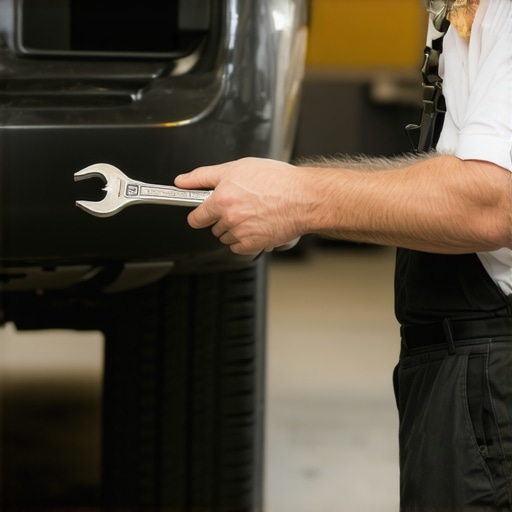
It’s late at night. I’m pulling out of my driveway, and suddenly, I hear that annoying rattle echoing from under my car. My stomach sinks. That unmistakable clatter tells me something’s not right, and honestly, I’ve been here before—spending hours, money, and frustration trying to fix it. But this time, I realized the real problem isn’t just the noise; it’s the potential damage waiting to happen if I ignore it. That’s when the lightbulb went off.
The Frustration of a Rattling Exhaust
Do you know that feeling when your vehicle starts making noise, and you’re not sure whether to panic or just shake your head? That rattling from the exhaust pipe can be more than just a nuisance; it signals that something’s loose or failing, which could lead to more costly repairs down the line. I remember my first experience with this. I tried tightening the clamps with just a screwdriver and some hope — a mistake I won’t make again. It’s easy to think a quick fix will solve the problem, but without the right tool, you’re just delaying the inevitable.
What I found out through trial and error is that having the proper tool makes all the difference. It’s a small investment that can save you hours of hassle and hundreds of dollars. Today, I’ll share with you the one essential tool I swear by for fixing that rattling exhaust pipe—plus, how to use it properly. Once you get your hands on this tool, you’ll see just how straightforward it can be to keep your vehicle sounding smooth and safe.
Is a special tool really worth it for a simple exhaust fix?
Early on, I made the mistake of believing I could do everything with basic hand tools. Sure, I could loosen bolts, but when it came to securing or re-aligning the exhaust parts, I was woefully unprepared. This led to failed repairs and a lot of wasted time. The truth is, the right specialized tool isn’t just for professionals—it’s for anyone who wants to do a proper, lasting fix. If you’re tired of that persistent rattling, keep reading. I’ll show you how to get the job done right with minimal fuss. For broader maintenance tips that can help prevent such issues, check out [this guide on maximizing your car’s lifespan](https://glassfixauto.com/maximize-your-cars-lifespan-with-expert-tune-up-strategies).
Ready to stop the noise once and for all? Let’s dive into the tool that will make your repair easier and more effective.
Select the Right Tool for the Job
When I faced that stubborn rattling exhaust, I realized that a reliable clamp tool was a game-changer. The first step is to invest in a quality exhaust clamp, which is specifically designed to secure loose pipes. Think of it as a sturdy handshake—firm and dependable. I purchased mine at an auto parts store, choosing one with a stainless steel body for durability. Remember, cheap clamps might seem tempting, but they can fail quickly, causing more headaches down the line.
Prepare Your Workspace and Vehicle
Park your vehicle on a flat surface, engage the parking brake, and ensure the engine is cool. Safety is paramount—think of it like setting up a clean and stable foundation before building. Use wheel chocks to prevent movement and, if possible, lift the vehicle using jack stands for easier access underneath. I once tried using a makeshift ramp, but I found jack stands safer and more stable. Wear gloves and eye protection—exhaust components can have sharp edges and residual heat.
Identify the Loose or Damaged Section
Inspect the exhaust system visually, looking for obvious signs of looseness or corrosion. Use a flashlight if needed—like a detective searching for clues. Tap gently along the exhaust pipe with a rubber mallet; a dull thud usually indicates a secure section, while a rattling sound suggests a loose connection. I remember poking around with a screwdriver, which helped me pinpoint exactly where the rattling originated. If the pipe has rusted through or a crack, a simple clamp may not suffice, and replacement might be necessary.
Loosen and Remove Old Clamps or Damaged Sections
If the existing clamp is corroded or misaligned, loosen it using a socket wrench or pliers. Think of it as undoing a stubborn bolt—sometimes a little penetrating oil helps if parts are stuck. Carefully slide it away from the damaged area. Be cautious not to damage surrounding components. Once loosened, remove the clamp and clean the surface area to ensure a proper seal later. I used a wire brush to remove rust and old gasket residue, which significantly improved the fix’s longevity.
Secure the Exhaust with a New Clamp
Position the clamp around the joint or damaged section, aligning it properly to hold the pipes tightly. Tighten the clamp with a wrench or screwdriver until snug—avoid over-tightening, as it can crack the pipe or deform the clamp. It’s like tightening a lid: firm enough to hold everything in place but not so tight that it causes damage. After installation, give the pipes a gentle wiggle; there should be no movement if the clamp is secure.
Test the Repair and Ensure No Leaks
Start the engine and listen closely for residual rattling or leaks. Walking around the vehicle, check under the exhaust path—if you hear a hiss or see black soot, there may still be a leak. I once missed a tiny leak that only showed during a test drive; a second clamp fixed the issue. Using a simple soap-and-water solution sprayed along the connection can reveal leaks via bubbling. This step ensures your fix is effective and safe for regular driving.
Maintain and Prevent Future Rattles
Regularly inspect your exhaust system for corrosion or loose parts. Think of it as a health check—catching issues early extends the life of your exhaust and prevents costly repairs. Applying high-temperature paint can delay rust formation, and replacing worn-out gaskets helps keep everything sealed. For comprehensive vehicle maintenance tips that help you catch issues before they escalate, review this car service checklist. Proper upkeep makes all the difference in avoiding rattles and keeping your vehicle running smoothly.
Many car owners get the basics of auto repair, tune-ups, and brake services right, but the real nuances often trip them up. A common misconception is that following manufacturer recommendations blindly guarantees optimal vehicle performance. While these guidelines are helpful, they can sometimes lead to unnecessary repairs or overlooked issues if not interpreted correctly. For instance, many believe that oil changes are only necessary every 3,000 miles, yet modern synthetic oils and advancements in engine technology extend that interval significantly—sometimes up to 10,000 miles. Relying solely on old rules without understanding the nuances can cause needless costs, so it’s wise to consult expert resources like [this guide on maximizing your car’s lifespan](https://glassfixauto.com/maximize-your-cars-lifespan-with-expert-tune-up-strategies).
Keeping Your Car in Top Shape for the Long Haul
Maintaining a vehicle isn’t just about fixing issues as they arise; it’s about adopting a proactive approach that ensures longevity and reliable performance. One of the most valuable investments you can make is in quality tools and adopting precise maintenance routines. When I first started serious auto repairs, I realized that having specialized equipment—not generic tools—made all the difference in effective diagnostics and repairs. For example, an infrared heat gun allows me to identify overheating components before they fail completely, saving me both time and money. Over time, I’ve found that sticking with reputable brands like Pierburg for vacuum components and Wera for hand tools not only provides durability but also ensures safety during repairs. As the industry advances, incorporating diagnostic software such as CarReport’s scanner tools can connect your vehicle’s ECUs to pinpoint chronic issues early, rather than waiting for warning lights.
Looking ahead, the trend in car maintenance is leaning toward smart diagnostics integrated with DIY-friendly tech, which I believe will revolutionize how we care for our vehicles. The ability to perform complex diagnostics at home with Bluetooth-enabled scan tools not only empowers car owners but also reduces reliance on costly professional visits for minor concerns. For those interested, exploring available tools like the FIXD Sensor or BlueDriver OBD2 scanner can be a game-changer in your maintenance strategy.
Do you wonder how to keep your vehicle’s systems running smoothly over years? Let’s look at some practical approaches that can extend the lifespan of vital parts like brakes, suspensions, and engine components. Recognizing early signs of wear and addressing them with the right tools prevents small issues from escalating into expensive repairs, as highlighted in our comprehensive expert tune-up strategies. Proper maintenance also involves understanding when to shift from reactive fixes to scheduled, preventive care—it’s all about smart choices and the right equipment.
How do I maintain equipment and tools over time?
Regularly cleaning, calibrating, and storing your tools correctly ensure their longevity. For electronic diagnostic devices, updating firmware and software regularly keeps them compatible with your vehicle’s evolving systems. I also recommend investing in a sturdy toolbox with compartments that help organize different sizes and types of tools, making it easier to find exactly what you need when time is of the essence. Using anti-corrosion sprays on metal tools can prevent rust, especially if you live in humid environments.
Remember, calibration and proper storage aren’t just maintenance; they’re investment in accuracy and safety during repairs. By keeping your equipment in top shape, you’ll be better equipped to handle unexpected breakdowns and routine tune-ups with confidence. As automotive technology continues to progress, the importance of reliable, well-maintained tools becomes even more critical for DIY enthusiasts and professionals alike. To delve deeper into routine car care, check out our auto repair trends for 2025. Now, try calibrating your multimeter today to ensure it provides accurate readings — a small step that can save you big bucks in diagnostics.
The Hardest Lesson I Learned About auto repair,tune up,brake service,car service
Getting my hands dirty taught me that patience and attention to detail are more valuable than I initially thought. Rushing through a repair often led to worse problems down the road, making me realize that taking my time and doing it right the first time saves money and frustration.
3 Myths About auto repair,tune up,brake service,car service That Held Me Back
I used to believe that all auto repairs required professional tools or skills, but I discovered that with the right equipment—like a quality exhaust clamp—I could handle many fixes myself. Debunking these myths opened up a world of confidence in maintaining my vehicle.
What Experts Won’t Tell You About auto repair,tune up,brake service,car service
Many professional mechanics don’t always highlight the importance of regular maintenance or the benefits of proactive inspections. Learning from trusted sources and community experiences can help you spot issues early, like a rattling exhaust, before they turn into costly repairs.
Curated Resources for Stronger auto repair Skills
I’ve relied on a few key tools and guides to improve my auto repair journey. The expert tune-up strategies offer comprehensive tips to extend your vehicle’s lifespan, while the car service checklist helps keep routine maintenance organized. Additionally, a good quality exhaust clamp from a reputable auto parts store ensures secure repairs that last.
Your Next Move in Car Care
Now that you’ve seen how essential proper tools and knowledge are, it’s your turn to take action. Regular inspections, investing in quality equipment, and staying informed will empower you to keep your car running smoothly and safely. Remember, cars are complex systems, but with patience and the right resources, auto repair becomes manageable and even rewarding. What’s one auto repair task you’ve been putting off? Share your experience below, and let’s learn together!
?