
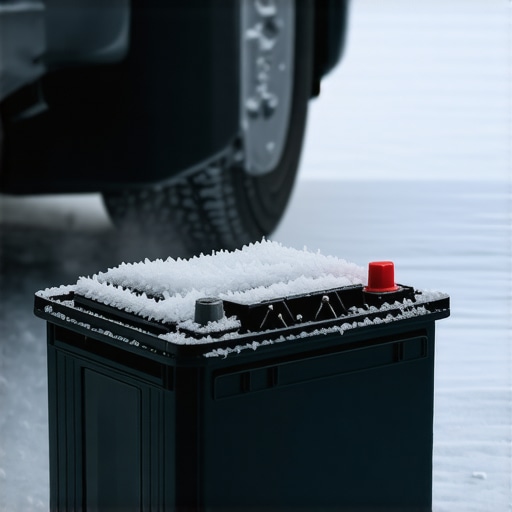
It was a cold morning, just like any other winter day, when I reached for my keys, turned the ignition—and nothing. The engine barely grumbled, and that sinking feeling hit me: my car battery had died overnight. It’s a frustrating ritual for many drivers—winter comes and, without warning, our batteries give up. I used to think it was just bad luck or because my car was getting old, but after some research and a few costly lessons, I discovered the truth that can save you from being stranded in the frost.
Why Your Battery Fails More Often in Winter
The cold is actually a sneaky enemy for your car battery. Batteries produce a chemical reaction to generate power, and extreme cold slows this process down, reducing the battery’s ability to start your engine. Plus, during winter, we tend to use more electrical accessories—think heated seats, defrost, and high beams—adding extra drain. When the battery gets old or isn’t maintained properly, these factors become the tipping point that leaves you stuck.
In my early days of driving, I ignored the signs of a weak battery and made a big mistake—waited too long to replace it. That oversight meant my car refused to start on the coldest mornings, leaving me stranded with a motor that just wouldn’t turn over. It’s a common mistake, and trust me, it can be easily avoided.
To truly understand what’s happening behind the scenes, consider this fact: a typical lead-acid battery loses about 60% of its capacity when the temperature drops below freezing. That’s like trying to run a marathon on a half-empty tank. Regular check-ups can prevent unexpected surprises. I recommend staying ahead of the problem with routine maintenance—including testing your battery’s health—and making sure your connections are clean and tight.
So, what’s the fix? Well, it starts with understanding WHY your battery struggles—and taking simple steps to protect it. Ready to learn the secrets that saved me money and stress? Keep reading, because the solutions are easier than you think—and well worth the effort before the next winter blow hits.
Check Your Battery’s Condition Regularly
Start with testing your battery’s health using a multimeter or take it to a professional for a load test. I learned this the hard way when I ignored early signs; during a particularly cold morning, my engine refused to start. Regular testing helps catch declining capacity before it’s too late.
Clean and Tighten Connections
Corrosion can build up on your battery terminals, acting like a stubborn resistance that hampers current flow. I once found my terminals crusted with white, crusty residue after a quick inspection. Using a mixture of baking soda and water, I cleaned the terminals and re-tightened the clamps, which immediately improved starting reliability.
Secure the Battery in Place
A loose battery shifts during harsh driving, risking damage or disconnection. I had that experience when my battery bounced loose after hitting a pothole; the car wouldn’t start afterward. Ensuring the battery is firmly mounted prevents unnecessary vibrations and improves longevity.
Use a Battery Maintainer if You’re Away
If you’re planning to leave your vehicle unused during winter, connect it to a smart charger or maintainer. This prevents it from losing charge over days or weeks. I used a maintainer during a business trip, and my car started right away upon return, saving me from a roadside surprise.
Consider a Winter-Grade Battery or Insulation
For extremely cold climates, investing in a battery designed for low temperatures can be worthwhile. Additionally, insulating the battery with a thermal cover retains heat and boosts performance. I tried this with a simple foam cover, noticing an immediate improvement on winter mornings.
Keep Your Car in Top Shape Overall
Complement battery care with regular vehicle maintenance—check your tires, fluid levels, and belts. A well-maintained car is less prone to unexpected failures. Regular tune-ups can also improve fuel efficiency and safety, as discussed in detail here.
Monitor Electrical Accessories Usage
During winter, we tend to use more electrical features—defrosters, heated seats—that drain power. Be mindful not to leave these on longer than necessary, especially if your battery is aging. I once left my headlights on by mistake, and it was a costly lesson in battery conservation.
Schedule Professional Maintenance
Have your battery and charging system checked periodically by a mechanic. They can identify issues before they become major problems. For comprehensive vehicle care, it’s wise to review the full car service checklist here.
Many car owners believe they understand the basics of vehicle maintenance, but in reality, there’s a wealth of nuanced truths that often go unnoticed. One common misconception is that routine service schedules are one-size-fits-all; however, the latest trends suggest personalized maintenance plans based on driving habits and vehicle age can significantly extend your car’s lifespan. For example, instead of blindly following a generic timeline, consulting detailed checklists like this comprehensive guide can help you identify what truly needs attention. Without attention to specific nuances—such as the correct brake pad material for your driving terrain or the precise type of coolant—you’re risking accelerated wear and unexpected breakdowns. Many overlook the importance of understanding systemic interactions; for instance, neglecting brake system nuances like rotor runout or caliper alignment can lead to uneven pad wear and costly repairs. Additionally, there’s a dangerous myth that more frequent tune-ups always mean better performance; actually, over-maintenance can sometimes cause unnecessary wear. Advanced vehicle diagnostics—such as scanning for hidden sensor faults or monitoring fuel injectors—are essential for preemptive care. In fact, a 2022 study by automotive experts emphasizes that proactive diagnostics can reduce repair costs by up to 30%. So, are you falling for any of these common myths? Remember, proper maintenance isn’t just about following a routine but understanding the hidden nuances that keep your car running smoothly for miles to come. For detailed strategies that help you stay ahead, check out these expert tune-up strategies. Have you ever fallen into this trap? Let me know in the comments.Maintaining your vehicle’s performance over the long term requires the right tools and a strategic approach. One of my personal favorites is a high-quality automotive multimeter, which I use to regularly check battery voltage and electrical circuits. This device allows me to pinpoint issues before they escalate, saving time and money. Additionally, a professional-grade OBD-II scanner is indispensable for diagnosing engine or transmission problems quickly and accurately. I rely on brands like BlueDriver or Autel, which provide comprehensive data directly to my smartphone, making troubleshooting more efficient. For routine tasks like checking tire pressure or inspecting brake pad thickness, I recommend using a digital tire pressure gauge and a brake caliper gauge, respectively. These tools give me precise readings and help identify wear patterns early, contributing to safer driving. Looking ahead, I believe vehicle maintenance will become increasingly integrated with smart sensors and AI diagnostics, enabling even more proactive care. For example, connecting your car’s systems to a cloud-based monitoring service could alert you to issues long before they affect performance. If you’re serious about keeping your vehicle running smoothly, I suggest starting with a reliable OBD-II scanner and setting up a regular maintenance schedule, which you can review in detail at this maintenance checklist. How do I maintain my car over time? The key is consistency—regularly using diagnostic tools, performing inspections, and adhering to a personalized maintenance plan. For instance, using an advanced fuel system cleaner periodically can improve engine efficiency, which I personally do every 6,000 miles. Remember, staying ahead with the right equipment and a proactive mindset is your best defense against unexpected breakdowns. Take advantage of tools like a multimeter or OBD-II scanner—try an advanced diagnostic technique today to catch potential issues early and keep your car performing at its best.
Lessons Learned That No One Tells You
- Overlooking small signs of battery weakness can turn a minor inconvenience into a major emergency, especially in freezing temperatures.
- Investing in a quality battery maintainer might seem unnecessary until you realize how much stress it saves on cold mornings.
- Understanding the systemic interactions between your electrical system and climate can empower you to prevent breakdowns before they happen.
Gear Up With My Favorite Car Maintenance Tools
- An advanced OBD-II scanner has been a game-changer—helping me catch issues early without relying solely on mechanic visits.
- A multimeter allows for quick voltage checks, giving peace of mind about my battery’s health between professional inspections.
- Insulating battery covers are inexpensive yet effective, especially in frost-prone areas, and I highly recommend adding them to your winter prep.
Charging Up Your Confidence
Maintaining your vehicle for winter isn’t just about avoiding inconvenience—it’s about taking control and building confidence behind the wheel. When you learn the nuances of battery care, you transform from reactive to proactive, reducing stress and keeping your journey smooth regardless of the weather. Remember, small steps like regular testing, proper cleanings, and using quality insulation can significantly extend your battery’s life and performance.
Embrace these insider tips, and you’ll be surprised at how much more dependable your vehicle becomes during the cold months. With the right knowledge and tools, you’re not just preventing breakdowns—you’re investing in peace of mind for years to come.
Unlock the Full Potential of Your Car Maintenance Routine
If you’re eager to take your vehicle’s health to the next level, start by reviewing your comprehensive maintenance plan. Regularly visiting resources like this detailed checklist ensures you’re covering all bases. Remember, proactive care is always more cost-effective and less stressful than reactive repairs.
Your Move Is Now
Are you ready to bolster your winter car care routine with these simple yet effective strategies? Share your experiences or ask questions below—I love hearing how others are keeping their vehicles ready for anything!