
Have you ever stepped on your brake pedal, only to feel a soft spongy sensation that sends a little chill down your spine? I remember the day I first encountered this unsettling feeling—my car’s brakes just didn’t feel right, and I knew something was off. That lightbulb moment made me realize that what I was experiencing could be a sign of a hidden problem inside my brake system, specifically a leaking master cylinder.
Why Recognizing a Secret Leak Matters More Than You Think
Many drivers overlook subtle brake issues because they assume braking problems are always loud squeals or obvious puddles under the car. But the reality is, internal leaks in the brake master cylinder are sneaky—they degrade your braking power gradually. Over time, this can lead to dangerous situations like longer stopping distances or even complete brake failure.
What baffled me early on was how tricky it was to detect this problem. Without proper knowledge, I might have ignored the signs, risking my safety and that of my loved ones. The good news? Identifying a leaking master cylinder isn’t as complicated as it sounds, especially if you know what symptoms to look out for. In fact, many of these signs are subtle enough to be mistaken for normal wear-and-tear.
Knowing the difference can save you a lot of trouble—perhaps even your life. I learned this firsthand when I overlooked a minor brake fluid increase, thinking it was just an ordinary topping-up moment. That mistake almost led me to overlook a critical issue. Early mistakes like underestimating the importance of regular brake inspections can be costly; I’ve been there myself.
To help you avoid my missteps, we’re going to delve into precisely how to spot an internal leak in your master cylinder, what triggers these leaks, and why addressing it promptly preserves your car’s safety and performance. For more comprehensive tips on keeping your vehicle in top shape, consider checking out our [Car Service Checklist](https://glassfixauto.com/car-service-checklist-how-to-keep-your-vehicle-in-top-shape) and learn how regular maintenance saves you money and stress.
Let’s explore the key signs indicating your brake master cylinder might be secretly leaking and what steps you should take next. Have you ever experienced a soft brake pedal or a different sensation that made you question your brake system? Stay tuned—these clues could save your life.
Start with Visual Inspection
Begin by parking your car on a level surface and engaging the parking brake. Open the hood and locate the brake master cylinder—usually positioned on the driver’s side near the firewall. Look for any visible signs of fluid leaks around the cylinder or on the surrounding components. A common beginner mistake is to ignore minor fluid residue; instead, note any wetness or staining, which could indicate a leak. Once you spot a potential leak, clean the area with a rag and revisit after a few hours or days to see if the wetness reappears.
Check Brake Fluid Level Regularly
Use the brake fluid reservoir dipstick—usually marked with ‘Min’ and ‘Max’ levels—to monitor fluid levels. Keep in mind, a gradual decline might suggest internal leakage. I once overlooked a slight drop in fluid because I thought it was normal topping-up, but it turned out to be an internal leak. To be precise, compare the current reading with your last check. If the level is below the minimum mark or keeps decreasing without any external leaks, it’s a solid sign of internal leakage within the master cylinder.
Assess Brake Pedal Feel
Next, sit in your driver’s seat and test the brake pedal. A spongy, soft, or sinking pedal—especially during a controlled brake test—indicates loss of hydraulic pressure, often caused by internal leaks. For an accurate assessment, follow this procedure: press the brake pedal slowly and steadily, then hold pressure. If the pedal gradually sinks toward the floor, it’s a clear warning sign. I once performed this test during a routine check and immediately noticed the pedal feeling abnormal, prompting me to consult a professional before any mishap occurred.
Perform a Pressure Test
This step involves applying pressure to the brake system to evaluate its response. You can do this safely at home by pressing and holding the brake pedal, then observing if the pedal remains firm or slowly sinks. A deteriorating master cylinder can’t maintain pressure, leading to a sinking pedal. Remember, if you’re unsure or uncomfortable, it’s wise to visit a mechanic for a thorough diagnosis. Professional technicians have specialized tools, like a pressure bleeder, to detect internal leaks more accurately. Regular inspections prevent small issues from escalating into costly repairs.
Monitor Brake Fluid Quality and Color
Besides checking the level, examine the color and consistency of the brake fluid in the reservoir. Fresh brake fluid is typically clear or slightly amber. If the fluid appears dark, contaminated, or gritty, it may indicate internal breakdown or debris from internal leaks. I recall changing my brake fluid after noticing a dark hue, which improved pedal feel and overall braking performance. Regularly replacing brake fluid not only improves safety but also helps reveal leaks early through color changes.
Use Diagnostic Tools if Needed
For an definitive diagnosis, consider employing specialized tools like a brake pressure tester. These devices can measure the pressure at different points in your brake system, revealing whether your master cylinder is maintaining proper pressure. While this might be beyond a DIY scope, it’s an investment worth considering if you suspect internal leakage. Some auto repair shops also offer free diagnostic checks, so don’t hesitate to reach out via [our contact page](https://glassfixauto.com/contact-us) for professional assessment.
Remember, early detection of a leaking master cylinder is crucial not just for vehicle performance but also for your safety. Regular checks and prompt action keep your brakes reliable and your journey safe.
Many car owners assume that routine maintenance is simply about ticking off a checklist of standard services, but there are nuanced pitfalls and misconceptions that can significantly impact your vehicle’s longevity and safety. Contrary to popular belief, not every issue warrants an immediate repair, and understanding the subtle differences can save you time and money. For example, many believe that using generic parts is always cost-effective, but in reality, OEM components often provide better long-term durability—something I learned the hard way. Moreover, a common trap is ignoring small warning signs, assuming they’ll resolve themselves. In my experience, deferred attention to minor irregularities—like slight vibrations or inconsistent handling—can lead to major repairs down the line.
Why does fresh brake fluid sometimes look dark and contaminated? The myth that brake fluid remains clean until visibly dirty can be dangerous. Brake fluid absorbs moisture over time, which causes corrosion and reduces braking efficiency. Studies from the National Highway Traffic Safety Administration highlight that regular fluid replacement not only enhances safety but also prevents costly brake system failures. Regularly checking and replacing brake fluid, regardless of its appearance, is a nuanced step often overlooked by many car owners.
Actionable tuning-up techniques go beyond just replacing spark plugs or oil. Advanced maintenance includes inspecting sensors, calibrating your engine control unit, and ensuring your fuel delivery system functions optimally. While some think tuning is only necessary when performance drops, experts recommend scheduled tune-ups based on mileage to preempt issues and improve fuel efficiency—details elaborated in our [tune-up guide](https://glassfixauto.com/tune-up-your-car-for-peak-performance-essential-maintenance-tips).
People often underestimate the importance of brake system design nuances. For example, failure to understand how anti-lock braking systems (ABS) interact with hydraulic components can lead to misdiagnosis and unnecessary part replacements. A misconception is that brakes are solely about pads and rotors; in reality, the hydraulic control module and sensor calibration are equally critical. Visiting a professional who understands these intricacies ensures repairs are precise—more insights available in [our brake service myths](https://glassfixauto.com/brake-service-myths-what-you-need-to-know-before-your-next-stop).
Lastly, advanced diagnostics and maintenance require an analytical approach. Using a brake pressure tester can reveal hidden internal leaks or pressure loss, preventing accidents before they happen. I advise car owners to ask their mechanic to perform a comprehensive system check rather than just the superficial inspections many shops offer. This proactive approach is vital for high-mileage vehicles or those driven in demanding conditions.
Have you ever fallen into this trap? Let me know in the comments. Remember, mastering the nuances of auto repair and maintenance transforms a mere vehicle into a reliable, performance-enhanced machine that serves you safely for years to come.
Keep It Running: Tools I Depend On for Auto Care
Maintaining your vehicle’s performance over the long haul requires more than just basic knowledge; it demands the right tools and a systematic approach. One of my go-to instruments is a high-precision digital multimeter, which I Use to check electrical systems and ensure sensors and modules function correctly. It’s crucial because modern cars rely on intricate electronics, and a simple voltmeter isn’t enough. I personally recommend the Fluke 115 model; its accuracy and durability make it worth the investment. For fluid quality assessments, I rely on a brake fluid tester like the MITYVAC Brake Fluid Tester, which accurately measures moisture content and helps prevent brake failures caused by internal leaks.
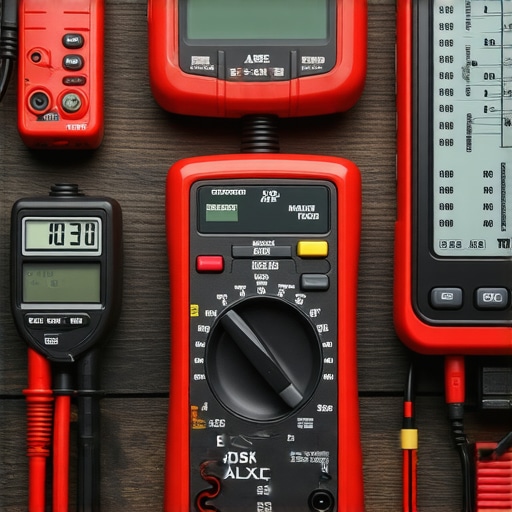
This image showcases my preferred tools—showing a multimeter, a brake fluid tester, and a basic set of wrenches laid out—highlighting the importance of quality equipment for thorough diagnostics. Beyond hardware, software plays a pivotal role. I utilize advanced vehicle diagnostic scanners such as the Autel MaxiCOM MK808, which can read and clear trouble codes, monitor live data streams, and perform component tests. This tool has saved me countless hours by pinpointing issues like internal leaks or sensor malfunctions quickly. As vehicle technology evolves, the integration of diagnostic software becomes even more critical for effective maintenance.
Regularly updating and calibrating these tools ensures reliable results. Investing in professional-grade equipment is vital; it’s tempting to fall back on generic tools, but precision can be compromised, leading to missed or incorrect diagnoses. As the automotive industry shifts toward electrification and automation, expect these tools to become more sophisticated, integrating AI-driven diagnostics and wireless data transfer. For now, sticking with trusted brands and maintaining calibration schedules guarantees better long-term results. I advise car owners to develop a routine of monthly diagnostics, even if no apparent symptoms exist. This proactive measure can uncover hidden issues early and save you from costly repairs down the line.
How do I maintain tools for long-term reliability? I routinely recalibrate digital diagnostic devices and securely store my equipment in climate-controlled environments to prevent corrosion and damage. This practice extends the lifespan of my tools and ensures ongoing accuracy. Keeping your toolkit in top shape enhances diagnostic confidence and helps maintain your vehicle’s health over time. Remember, consistent maintenance and use of precise instruments are the backbone of effective auto repair and care. To explore more about long-term maintenance strategies, check out our comprehensive guide. If you’re interested in integrating advanced diagnostic techniques into your routine, reach out via our contact page. Investing in the right tools today ensures your car runs smoothly tomorrow.
Lessons That Changed My Approach to Brake Maintenance
One of my biggest revelations was realizing that paying attention to the tiniest signs—like a minor soft pedal or slight fluid discoloration—can be life-saving. Rushing to dismiss these subtle indicators often led me to costly repairs later, but embracing early detection changed everything. I learned that patience and keen observation are your best tools, especially when diagnosing internal leaks, which hide beneath the surface and don’t always scream for attention. That lightbulb moment taught me to trust my instincts and develop a routine of regular checks—saving me time, money, and stress.
Tools and Techniques I Trust for Long-Term Brake Safety
Over the years, I’ve curated a set of reliable tools that keep my brake system in check. A quality digital pressure tester has become my secret weapon for detecting abnormal pressure drops, alerting me to internal leaks before they escalate. A high-grade brake fluid tester helps me monitor moisture levels—crucial since contaminated fluid can hide internal corrosion. Coupled with a professional scanner like the Autel MaxiCOM MK808, I can quickly identify and address issues, often saving me from unnecessary repairs. These tools have proven invaluable, giving me confidence and peace of mind during routine maintenance and unexpected concerns.
Embracing the Auto Care Mindset for Better Outcomes
Taking control of your vehicle’s health isn’t just about reactive fixes; it’s a mindset of proactive, informed caring. Regularly reviewing your brake fluid’s color and level, performing pedal feel tests, and scheduling periodic professional diagnostics foster a safer driving experience. I’ve found that understanding the intricacies—like how a sinking brake pedal hints at internal leaks—empowers me to act swiftly and avoid hazards. This approach extends beyond brakes; applying a similar mindset to tuning, fluid changes, and inspections ensures your car remains reliable. Remember, your vehicle rewards attentive owners with longevity, safety, and better performance. For tips on optimizing your car’s lifespan, explore our strategies for expert tune-ups.