
Ever had that sinking feeling when your car pulls slightly to one side or you notice a strange thumping sound during your commute, only to realize it’s your tires wearing down? I remember a time when I hit the highway and felt my steering wheel shimmy—turns out, my tires were dangerously bald, but I had no idea how to confirm it without heading to a shop. That revelation was a lightbulb moment for me and a reminder of how easily we can overlook small signs of wear that could turn into big problems.
Why Checking Your Tire Tread Matters More Than You Think
Maintaining proper tire tread isn’t just about passing the annual inspection; it’s a critical safety measure. Worn tires can significantly increase stopping distances, especially in wet conditions, and even cause poor handling, risking accidents that could have been avoided. According to the National Highway Traffic Safety Administration, under-inflated and worn tires are among the leading causes of tire blowouts and accidents on the road today. But here’s the thing—most drivers don’t know how to quickly check their tread without special tools or guessing blindly.
When I first learned about a simple trick using a spare penny, I was skeptical. I’d always relied on the tread wear bars or just visual inspection, which isn’t always reliable. Early on, I made the mistake of dismissing uneven tire wear as a minor issue, only to face a costly brake routine later. I realized that often, the simplest methods are the most effective—saving you money and potentially preventing an accident.
Are you confident that your tires are safe for your next trip? Or are you relying on assumptions rather than facts? If the idea of checking your tread with just a penny sounds too good to be true, stick around. We’ll walk through a straightforward test that anyone can do—no fancy tools required—and give you peace of mind. Want to learn more about keeping your car in top shape? Check out our comprehensive car service checklist for ongoing maintenance tips.
Let’s get into the practical part—because nothing beats knowing you’re driving safely and save some cash in the process.
,
Identify the Right Spot on the Tire
Start by locating the outer edge of your tire where the tread is most exposed. Make sure the tire is cool and parked on a level surface. This ensures accurate readings and safety during the process. As I discovered during my first inspection, neglecting to clean debris from the tread can give false results, so wipe your tire with a cloth if needed.
Insert the Penny into the Tread
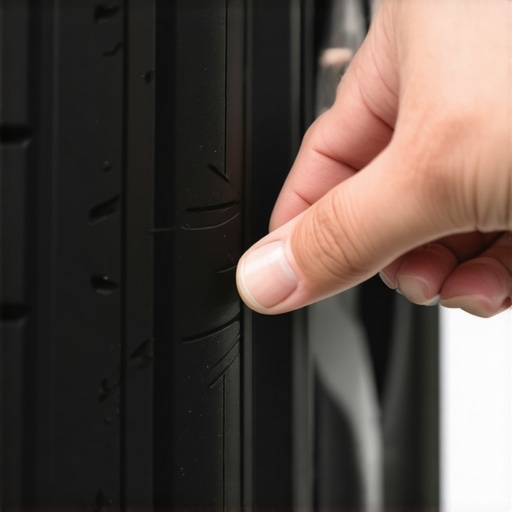
Take a penny and hold it with your thumb and forefinger around the coin’s edges. Place the penny into a groove of the tire tread, with Lincoln’s head facing you and upside down. Press the coin gently into the groove to see how deep it goes. When I first tried this method, I was surprised how simple it was compared to traditional tools.
Observe the Lincoln Head
Look at how much of Lincoln’s head is visible. If the top of his head is covered by the tread, that means your tread depth is good—probably over 2/32 inch, which is the legal minimum. If you can see the top of Lincoln’s head, it indicates the tread is worn down and may need replacing. Remember, worn-out tires can decrease grip and increase stopping distances, especially in wet conditions. For a safer drive, consider consulting our car service checklist for routine maintenance.
Repeat on Multiple Locations
Check several parts of the tire—center, edges, and shoulders—to get an accurate assessment. Uneven wear may signal alignment or suspension issues. I once overlooked this and only checked the center, leading to premature tire replacement. Always take a comprehensive approach to avoid surprises.
Evaluate the Results and Decide Next Steps
If Lincoln’s head is mostly visible, or you see the tread approaching the wear bar, it’s time to replace your tires. Regularly performing this simple test can save you from dangerous blowouts or accidents. To keep your vehicle in top condition, explore our tune-up strategies that extend the lifespan of your tires and engine.
 When it comes to vehicle maintenance, many drivers rely on popular myths rather than facts, leading to costly mistakes. One common misconception is that all brakes are effectively the same, but in reality, different driving habits and vehicle types require tailored brake services. Relying solely on brake pad wear indicators can be misleading; regular inspection by a professional ensures safety and longevity. Many believe that tune-ups are only necessary when the engine starts behaving badly, but preventive maintenance can prevent minor issues from turning into major repairs, saving you money in the long run. An advanced mistake is overlooking the importance of proper fluid levels—using the wrong type or neglecting regular flushing can cause severe damage. For example, contaminated brake fluid can lead to brake failure; therefore, understanding and maintaining your brake system is critical.
Why do manufacturers recommend specific oil weights and service intervals? It’s about optimizing your engine’s performance and avoiding unnecessary wear. Using the wrong oil can reduce lubrication efficiency, leading to increased emissions and engine stress. Similarly, many think that if a car runs smoothly, it doesn’t need regular tune-ups, but subtle signs like decreased fuel efficiency or sluggish acceleration often indicate underlying issues. Staying ahead with the latest auto repair trends, such as sensor-driven diagnostics and predictive maintenance, allows you to catch problems early—saving time and money. According to automotive expert Jack Nassar, proactive maintenance based on real-world data rather than generic schedules results in longer-lasting vehicles. Recognize these nuances to avoid falling into the trap of outdated advice. Always consult trusted sources or experienced mechanics to tailor your car care routine. Want to learn more about how to keep your vehicle in top shape? Check out our car service checklist for ongoing maintenance tips. Have you ever fallen into this trap? Let me know in the comments.Equip Yourself for Reliable Vehicle Care
When it comes to keeping your car running smoothly over the long haul, having the right tools and knowledge makes all the difference. I personally rely on a set of precision equipment that streamlines maintenance and helps catch issues early, saving me time and money. One indispensable tool I use is a quality digital multimeter. Not only does it help me measure voltage, current, and resistance accurately, but it also allows me to diagnose electrical faults without guesswork, which is a frequent cause of breakdowns. I ensure my multimeter has a true RMS capability to get accurate readings on complex signals—something essential for modern vehicles with advanced electronics.
Beyond brightening my troubleshooting game, I keep a high-quality OBD-II scanner in my toolkit. This device instantly reads diagnostic trouble codes (DTCs), giving me insight into engine management, emissions, and safety systems. I specifically prefer scanners that offer live data streaming and freeze-frame data, which allow me to monitor real-time sensor outputs and understand the problem more comprehensively. For instance, if you’re noticing irregular idle or poor fuel economy, a good scanner can point straight to faulty sensors or wiring issues, enabling targeted repairs.
To stay ahead of potential failures, I also use a portable jump starter with an integrated power bank. It’s a lifesaver during long trips or when my vehicle is parked for extended periods. Today’s models come with USB ports for charging devices and even built-in LED flashlights. With this, I avoid being stranded due to a dead battery or radiator issues—an increasingly common scenario as vehicles age. According to automotive expert Jack Nassar, proactive tool investment and routine diagnostics are fundamental as vehicle complexity grows, especially in the era of electric and hybrid cars. Check our car service checklist for more essential maintenance routines.
How do I keep my tools performing well over time? Regular calibration, cleaning, and proper storage are paramount. For example, I calibrate my multimeter at least annually to ensure measurement accuracy, especially before detailed diagnostics. Cleaning contact points and battery terminals prevents false readings and equipment corrosion. Proper storage—preferably in a dedicated toolbox—also prevents physical damage and keeps tools ready for when urgent repairs arise.
Looking ahead, the auto repair industry is increasingly adopting AI diagnostics and smart tools that predict failures before they manifest. Staying updated with these trends will be vital to maintain a competitive edge. For instance, tools capable of connecting directly to vehicle ECUs and analyzing vast sensor data sets are poised to become standard, reducing technician error and enhancing safety. To get ahead of the curve, I recommend exploring future auto repair trends and upgrading your toolkit accordingly.
Finally, I urge you to try calibrating your multimeter or diagnostic scanner using manufacturer-provided procedures. Not only does this improve accuracy, but it also deepens your understanding of your vehicle’s systems. Regularly inspecting and maintaining your tools ensures they remain reliable, enabling you to catch problems early and extend your car’s lifespan significantly. Remember, a well-equipped home garage isn’t just about fixing things; it’s about building confidence that you can tackle most issues before they escalate.
Over the years, I’ve learned that the real mastery in auto care comes not just from following standard procedures but from embracing a mindset of continuous learning and curiosity. One lesson that truly shaped my approach was discovering how seemingly minor issues—like a subtle steering pull or a faint squeal—can be early signs of much deeper problems. Recognizing these signs early, often through simple checks like the cup of a penny for tire tread, has saved me thousands of dollars and countless roadside surprises. It’s about sharpening your eyes, trusting your instincts, and staying proactive rather than reactive.
Lessons No One Tells You About Extending Your Car’s Life
- Don’t ignore small symptoms: A slight vibration or odd smell often signals more significant issues ahead. Addressing them early keeps repairs manageable and costs down.
- Prioritize preventative care: Regular checks, fluid changes, and tire inspections can prevent breakdowns and improve fuel efficiency—saving you money and stress.
- Learn the art of DIY assessment: Simple tools and techniques, like the penny test, empower you to take charge of your vehicle’s health without waiting for the next service appointment.
- Stay informed about industry trends: Advances like predictive diagnostics and smart sensors are revolutionizing auto maintenance—keeping you ahead of potential failures.
- Build a reliable toolkit: Having essentials like a multimeter or OBD-II scanner can turn your garage into a command center for troubleshooting and maintenance.
Tools and Resources That Elevated My Auto Care Game
- Electronic Diagnostic Scanner: I trust brands offering real-time data streaming because they give precise insights without guesswork. It’s like having a mechanic in your pocket.
- Comprehensive Auto Maintenance Guides: The Car Service Checklist is my go-to for routine maintenance, ensuring I never miss critical steps.
- Educational Books: Titles on auto repair fundamentals have deepened my understanding and confidence—making repairs safer and more effective.
- Online Communities and Forums: Sharing experiences with fellow enthusiasts helps me stay updated on latest trends and solutions that aren’t always covered in manuals.
Embrace the Future — Your Car Will Thank You
Taking charge of your vehicle’s health isn’t just about avoiding breakdowns—it’s about empowering yourself. The journey toward reliable, safe driving starts with small steps—learning to listen to your car, knowing what tools to rely on, and staying curious. Think of maintenance as a form of self-care for your vehicle; it rewards you with longevity, performance, and peace of mind. Remember, every trip is an opportunity to practice this knowledge and build your confidence. Are you ready to become your own auto expert? Let us know your biggest lesson or concern in the comments below—and take that first step towards smarter car care today.