
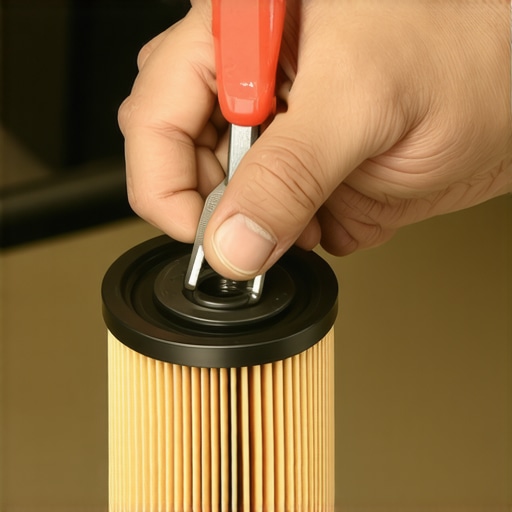
Ever been hands-deep under your car, trying to loosen that battered, stubborn oil filter, only to realize you’re missing the special wrench needed? I can’t tell you how many times I’ve faced that exact scenario—feeling frustrated, maybe a little bit stubborn myself, because you’d think with all the auto fix-it videos out there, removing an oil filter would be straightforward. But reality? It’s often a messy, greasy puzzle, especially when the proper tool isn’t at hand.
Today, I want to share with you a revelation I’ve stumbled upon after countless failed attempts and a few scraped knuckles. There’s a practical, effective trick to get that oil filter off without the fancy tool, saving you time and avoiding the expense of a roadside repair or a trip to the mechanic. If you’ve been anxious about changing your oil or hesitant to tackle that stubborn filter, stick around—I promise this will make your next oil change much less stressful.
Why Fighting with a Stubborn Oil Filter is More Than Just Annoying
First off, let me ask—have you ever tried to loosen that old oil filter, only to find it refuses to budge? Maybe you’ve even resorted to makeshift tools or brute force, risking damage to your hands or the filter itself. I know I have. The truth is, battling that tight filter can lead to leaks, stripped threads, or worse—a full-on spill that leaves your garage floor looking like an oil slick. Plus, if you’re not careful, you could inadvertently cause more damage to your engine’s oil system.
Understanding how to remove a stubborn oil filter safely and efficiently isn’t just about convenience; it’s about protecting your car and saving money. An improper removal can compromise the seal, leading to leaks or even engine damage in the long run. According to a recent study, neglecting proper maintenance and mishandling parts like oil filters contribute significantly to engine failure—costing hundreds down the line. Being resourceful and knowing a few tricks can keep your vehicle running smoothly without the need for specialized tools.
Early on, I made a mistake—using a pair of pliers and brute force, which seemed logical at first but ended with damaged threads and a trip to the mechanic. That was a costly lesson in patience and technique. So, if you’ve faced similar frustrations, rest assured, there’s a better way.
In the following sections, we’ll explore the step-by-step process to tackle stubborn filters. Whether you’re a seasoned DIYer or just getting your hands dirty for the first time, these tips will empower you to handle your next oil change confidently—and safely.
Secure the Vehicle and Prepare Your Tools
Start by parking your car on a level surface, engaging the parking brake, and letting the engine cool down completely to avoid burns. Gather essential tools: a pair of adjustable pliers, a rag or shop towel, and optionally, a rubber strap or wide strap.
Position Your Car for Easy Access
Lift the front of your vehicle using jack stands if necessary, ensuring you have enough space to reach the oil filter comfortably. Using a flashlight can help illuminate tight or shadowed areas, making the removal process smoother—just like a mechanic would do during a tune-up.
Protect Your Hands and Equipment
Wrap the rag around the oil filter to protect your hands from hot oil and sharp edges. This extra layer also provides grip, similar to how brake pads need proper traction to avoid slipping during replacement. Loop a rubber strap or wide strap around the filter, crossing over the top to create a makeshift wrench. Tighten it just enough to grip firmly without crushing the filter.
Apply Steady, Controlled Torque to Loosen the Filter
Using the strap as a lever, turn counterclockwise with consistent pressure. Think of it like turning a stubborn bolt; steady, even force prevents stripping threads or damaging the filter housing. If resistance persists, gently tap the strap with a rubber mallet to help break the seal—think of cracking a stubborn jar lid with a little tap to loosen it.
Be Patient and Avoid Excessive Force
If the filter still refuses to budge, don’t resort to brute force that might strip threads or cause leaks. Instead, try to loosen it incrementally, turning back and forth gently, then applying more torque. This gradual approach reduces damage risk, similar to fine-tuning a transmission or brake system without causing harm.
Extract the Oil Filter Safely
Once loose, carefully unscrew the filter by hand, letting any residual oil drain into your catch basin or rag. Keep a container nearby for used oil, and dispose of it following local regulations. Wearing gloves here is wise to avoid greasy stains and skin irritation—think of it like handling brake fluid or transmission fluid with care.
Clean Up and Prepare for Installation
Before installing a new filter, wipe the mounting surface clean to ensure a proper seal. Applying a thin layer of fresh oil to the gasket of the new filter improves sealing—akin to the importance of proper lubrication during a car’s overall maintenance or a wheel alignment. Finally, thread the new filter by hand, turning clockwise until snug, then tighten slightly with your hand or pliers, avoiding over-tightening which can cause leaks or damage.
Many car owners believe they understand the basics of auto repair, but lurking beneath common advice are nuances that can lead to costly mistakes. For instance, the myth that a quick transmission flush always benefits your car is widespread; however, in some cases, it can precipitate more harm than good, especially with older transmissions. According to industry experts, unnecessary flushing can dislodge debris that then clogs vital components, increasing repair costs[[1]](https://glassfixauto.com/the-truth-about-transmission-flushes-are-they-necessary).
A frequent trap involves brake service—many think that simply replacing pads is sufficient. In reality, ignoring potential leaks or damaged brake lines can threaten safety. Proactively inspecting brake lines for leaks, cracks, or corrosion prevents sudden failures. For a detailed guide on spotting early signs of brake line failure, visit [here](https://glassfixauto.com/how-to-spot-a-leaky-brake-line-before-it-fails).
When tuning up a vehicle, some assume that every engine issue stems from spark plugs or filters. But advanced diagnostics reveal that issues like high revving at startup might be tied to more obscure problems such as idle air control valves or mass airflow sensors. Regularly cleaning these sensors can restore optimal engine performance—learn how to do it properly in this [step-by-step](https://glassfixauto.com/how-to-clean-a-mass-air-flow-sensor-to-restore-lost-power).
Distinguishing between myths and facts in auto repair often revolves around recognizing subtle signs. For example, a hard brake pedal isn’t always due to worn pads but could indicate a failing brake booster or master cylinder. Identifying these issues early can save you from expensive repairs or dangerous situations.
Are you aware of how some myths could be silently damaging your vehicle? Let’s explore further.
**What’s the real impact of neglecting minor car issues?** The truth is, small problems like uneven tire wear or inconsistent brake performance can escalate into major failures if ignored. Regular maintenance, including detailed inspections, can significantly extend your vehicle’s lifespan.
Also, be cautious of common pitfalls such as delaying diagnostic checks after warning lights appear. A check engine light might seem minor, but ignoring it can lead to severe engine damage down the line. For instance, a faulty oxygen sensor affects fuel efficiency and emissions, but replacing it promptly can be a quick and inexpensive fix[[2]](https://glassfixauto.com/how-to-spot-coolant-leaking-into-your-oil).
Understanding these nuances emphasizes the importance of expert knowledge in auto repair. Applying this awareness ensures you’re not just following routines but actively preventing future issues.
Have you ever fallen into this trap? Let me know in the comments.Maintaining your vehicle’s performance over the long term hinges on having the right tools and adopting consistent practices that prevent minor issues from escalating.
The Power of Quality Hand Tools
Investing in high-quality hand tools like a reliable socket set, torque wrench, and a durable jack ensures safety and precision during maintenance. I personally swear by my ratchet wrench with a full set of bits; it replaces multiple single-purpose tools and offers versatility, especially when removing stubborn brake calipers or tightening suspension components.
Modern Diagnostic Devices Make a Difference
Embracing technology is transforming auto maintenance. A handheld OBD-II scanner like the BlueDriver not only reads engine codes but also provides detailed explanations, helping me identify issues early—saving time and money. Tools like these have become indispensable, especially as vehicle electronics become more complex.
Staying Ahead with Routine Checks
Regular visual inspections are crucial. I recommend checking brake pads for thinness by lifting the vehicle and examining rotors through the wheel spokes, a method explained in detail here. Being proactive can reveal subtle signs of wear—such as uneven tire wear—which hints at misaligned or worn suspension parts.
Organizing Your Garage for Success
Clear storage and labeled compartments save me from rummaging during urgent repairs. Keeping a dedicated toolbox for your car essentials minimizes downtime and fosters a systematic approach to maintenance. Incorporate a warm, well-lit workspace to make each task safer and more efficient.
How do I maintain my tools over time?
Proper care extends their lifespan. Clean tools after use, apply a light coat of oil to metal parts to prevent rust, and store them in a dry environment. For power tools, regular battery maintenance and calibration are vital. Investing in a small kit for tool maintenance, like a screwdriver sharpening set, can keep your equipment performing optimally.
The Future of Auto Maintenance Tools
Trending towards smarter diagnostics and integrated systems, tools are increasingly connected to apps that log your vehicle’s health history. Anticipating this shift, I recommend adopting devices compatible with your vehicle’s make and model now—this investment pays off as technology evolves. For example, professional-grade scanners will offer more in-depth insights, similar to those used at professional repair shops.
Make Maintenance Less of a Chore
Incorporating these tools and practices transforms car upkeep from a dreaded chore into a manageable, even rewarding routine. Start by upgrading your toolkit with a quality socket set and a diagnostic scanner—small steps that lead to big savings. For more advanced techniques, check out how to properly diagnose transmission issues or inspect brake lines before failure. Regularly scheduled maintenance, combined with the right tools, will keep your vehicle running smoothly for years to come. Consider trying the method of checking brake pad wear through visual inspection above, as it’s simple yet highly effective in the long run. Happy car caring!
Lessons from My Frustration: What I Wish I Knew About Oil Filters
One of the hardest lessons I learned was that patience and technique matter more than brute force when removing a stubborn oil filter. Relying solely on makeshift tools or aggressive twisting often led to damage or leaks. Instead, I realized that understanding the right grip and leverage can make all the difference, saving time and protecting your engine.
Another insight was the importance of preparing your workspace properly. Elevating the vehicle safely, having the right tools at hand, and working in a well-lit environment transformed a messy chore into an achievable task. It’s these small preparations that turn a difficult job into a confidence-building experience, especially when tackling auto repair at home.
Lastly, I learned that the best approach isn’t about fighting the filter but working with it — applying steady, consistent pressure and patience to loosen it gently. Rushing or applying excessive force risks costly damage, and in auto repair, respecting your vehicle’s resilience is essential for long-term success.