
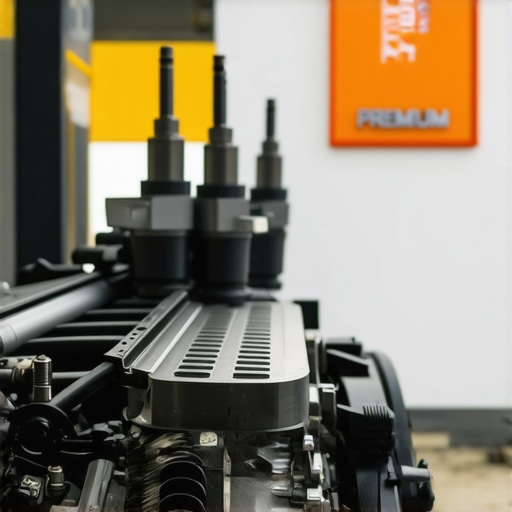
I’ll never forget the moment I confidently topped off my tank with premium fuel, expecting my engine to purr like a kitten. Instead, I got a sluggish start the next morning, a confusing shudder at high speeds, and a lingering doubt about whether I’d just thrown money away. Sound familiar? That’s when I realized I’ve fallen into the trap many car owners do—believing premium fuel is the secret sauce to better engine performance.
Why Premium Gas Might Not Be Your Car’s Best Friend
Every time I visit the gas station, I see neighbors and fellow drivers debating whether to go for regular or premium. The marketing often screams, “Premium means power!” But the truth is a lot more nuanced. I used to think that shelling out extra for premium would make my engine run smoother and last longer. Turns out, unless your car’s manufacturer specifically recommends premium, it might just be an unnecessary expense that strains your budget—without offering real benefits.
Is the Hype Actually Worth the Extra Cost?
When I first made the switch to premium, I anticipated improved mileage and fewer engine troubles. Instead, I ended up wasting a good chunk of money, and my engine performance didn’t show any real improvement. It was a classic mistake many of us make—you get caught up in the marketing hype without considering whether your particular car actually needs it. Studies from the Consumer Reports reveal that unless your vehicle’s manual specifies premium, using regular fuel will work just fine.
So, why do some cars seem to perform better with premium? Typically, it’s because high-performance engines with higher compression ratios are designed to utilize the octane boost premium provides. For most daily drivers, though, that extra octane is just extra cash in your pocket—money you could be saving or investing in essential maintenance like brake pad care or an engine tune-up.
If you’ve ever been tempted to skip an oil change only to realize later that neglected maintenance leads to bigger, more costly problems, you’ll understand what I mean. The same logic applies here: understanding what your vehicle truly needs can save you headaches and money in the long run.
Have you ever filled up with premium gas just because it was advertised as better, only to be disappointed? You’re not alone, and it’s a question I get asked all the time. The good news is, by understanding your car’s specific requirements and the science behind octane ratings, you can make smarter fueling choices, saving money and keeping your engine happy.
In the next sections, I’ll walk you through how to determine if your car truly benefits from premium gas and what signs to watch out for if you’re using the wrong fuel type. Ready to take control of your engine health and your wallet? Let’s dive in, and I’ll share some personal tips along the way.
Perform a Comprehensive Visual Inspection
Start by examining your vehicle for obvious issues like fluid leaks, worn belts, or cracked hoses. During my last maintenance day, I noticed a cracked serpentine belt that could have snapped anytime, risking engine overheating. Replacing faulty belts prevents breakdowns and keeps your engine running smoothly. Use a flashlight and a mirror to check hard-to-see areas; this proactive step saves you costly repairs down the line.
Check and Replace Fluids Regularly
Fluids are the lifeblood of your vehicle. I once neglected to check my transmission fluid, leading to shuddering when shifting gears. To avoid this, consult your owner’s manual for proper fluid levels and specifications. Use a clean cloth or dipstick to assess the color and consistency; dark or burnt-looking fluid indicates it’s time for a change. Regular fluid replacement ensures smooth operation and prolongs component lifespan.
Inspect Brake System and Brakes Quick Fixes
Brakes are critical for safety. I experienced a squealing noise when stopping, which turned out to be worn brake pads. To verify, remove the wheel and visually inspect the pad thickness—less than 1/4 inch means it’s time for a replacement. Clean brake calipers and rotors with brake cleaner to remove dust and prevent uneven wear. Maintaining your brakes not only enhances safety but also prevents costly rotor replacements.
Evaluate Tire Health and Proper Inflation
Tires directly influence handling and fuel efficiency. I once noticed uneven wear patterns, indicating misalignment. Use a tire pressure gauge to maintain manufacturer-recommended PSI, enhancing grip and reducing wear. Rotate tires every 5,000 to 8,000 miles, and check for cracks or embedded debris. Properly maintained tires reduce the risk of flats and extend their useful life.
Monitor Battery Condition
A dead battery stranded me on a cold morning. Regularly check the battery terminals for corrosion—clean with a mixture of baking soda and water, and ensure tight connections. Test your battery voltage with a multimeter; readings below 12.4 volts suggest a need for replacement. Keeping your battery in top shape guarantees reliable starts and avoids unexpected breakdowns.
Inspect and Maintain the Exhaust System
A rattling exhaust pipe alerted me to a loose hanger. Visually inspect for holes, rust, or unusual sounds. Replacing damaged components improves engine efficiency and reduces emissions. Performing this check periodically prevents exhaust leaks that could cause harmful fumes to seep into the cabin.
Ensure Proper Lighting Functionality
Dim or non-functioning headlights compromise visibility. I replaced a burnt-out bulb that was accessible without removing the headlight assembly. Regularly test all lights—brake, turn signals, and headlights—to ensure they operate correctly. Bright, functioning lights keep you visible and compliant with road safety laws.
Review and Update Your Maintenance Schedule
Sticking to a maintenance schedule prevents unexpected failures. I keep a log of service dates and tasks completed. Use this record to plan upcoming services like oil changes, filter replacements, and inspections. Staying proactive minimizes repair costs and keeps your vehicle performing at its best, whether it’s a daily driver or a weekend cruiser.
Learn Basic Troubleshooting Techniques
Understanding simple problems saves time and money. When my car started shuddering at low speeds, I checked for loose cables and fuses—often, a quick fix like replacing a blown fuse restores normal function. Familiarize yourself with your car’s manual and basic tools; this empowers you to address minor issues promptly instead of rushing to a mechanic for every hiccup.
Seek Professional Help When Needed
Some issues require expert attention. If you notice persistent warning lights or strange noises, consult a trusted mechanic. For instance, ignoring a flickering oil pressure light can lead to engine damage. Regular professional inspections complement your DIY efforts and ensure everything functions optimally, extending your vehicle’s lifespan.
When it comes to brake service and auto repair, many car owners believe that replacing brake pads or bleeding the brake lines is a straightforward task. However, there’s a sophisticated layer that often gets overlooked, leading to premature failures and safety risks. Contrary to common belief, not all brake wear is created equal, and understanding the intricacies can save you money and keep you safe.
Many assume that brake pads simply wear out uniformly over time, requiring a quick replacement. Yet, uneven pad wear can indicate underlying issues like caliper sticking or warped rotors, which, if ignored, may cause uneven brake pad thickness and reduced braking efficiency. Regularly inspecting brake components isn’t just about replacing parts but diagnosing potential problems early. For instance, a sticking caliper can cause localized pad wear and overheating, diminishing brake life and risking failure. A comprehensive brake inspection should include checking for caliper corrosion, piston operation, and rotor surface condition. Neglecting these details is a trap that can lead to increased repair costs and compromised safety.
Why Do My Brakes Squeal and When Should I Worry? Knowing the Advanced Clues
Recognizing the difference between a squeal caused by worn pads and one stemming from other issues can be tricky. Squealing sounds after a recent tune-up might indicate dust or debris caught near the pads, but persistent squealing could signal fragile or contaminated brake fluid, affecting pedal feel and stopping power. Often, high-pitched squeals are due to the wear indicators embedded in brake pads activating signaling. However, if squeal persists despite new pads, it might point to problems with the brake shims or caliper pistons. According to automotive experts, addressing these issues promptly by a professional can prevent rotor damage and ensure optimal brake performance. Regular brake pad maintenance habits and detailed inspections are vital to catch these nuances before they escalate.
One common mistake I see is ignoring subtle changes in brake pedal feel, like a spongy sensation or increased stopping distance. These symptoms often hide advanced problems like air in the brake lines or even master cylinder issues. For example, if your brake pedal sinks slowly or feels softer over time, it could indicate internal leaks or contamination, requiring immediate attention. Using diagnostic tools to assess brake fluid quality and pressure can reveal problems that regular visual checks might miss. Skipping these diagnostics is a molehill that can snowball into a mountain of costly repairs or dangerous driving conditions. Properly maintaining your braking system requires a nuanced approach, combining visual inspections with functional tests to ensure every component works harmoniously.
Have you ever fallen into this trap of thinking brake service is just about changing pads? Let me know in the comments, and remember: paying attention to these hidden nuances keeps your vehicle safer and more reliable in the long run.
Keeping It Working: My Favorite Tools for Auto Maintenance
Sustaining your vehicle’s health over the years requires more than just a cursory glance. Over time, I’ve found that investing in specific, reliable tools makes all the difference. For example, I personally rely on a high-quality digital multimeter from Fluke. It’s indispensable for diagnosing electrical issues, especially when checking battery health or troubleshooting sensors. Its precise readings help me determine whether a component is failing before it causes more significant problems. Additionally, I swear by a dedicated torque wrench, which ensures that bolts—like those on brake calipers or wheel hubs—are tightened to manufacturer specifications. This not only preserves safety but also prevents over-tightening, which can lead to hardware failure. When it comes to oil changes, I use a fluid extractor kit instead of drain pans, allowing me to change oil cleanly and efficiently without unhooking additional components. Regularly using these specialized tools has saved me hundreds in repair costs and time.
The Costly Pitfalls I Wish I Avoided Early On
One of my biggest lightbulb moments was realizing how often I overlooked simple maintenance steps, assuming repairs would always be expensive or complicated. For instance, I used to ignore minor brake squeals, thinking they were nothing serious, only to face costly rotor replacements later. Now, I understand that regular inspections can reveal issues before they escalate, saving me both money and stress.
Essential Tools That Changed My Auto Care Game
Over the years, I’ve come to trust specific tools like a reliable digital multimeter for electrical diagnostics and a quality torque wrench for proper bolt tightening. These tools empower me to handle minor repairs confidently, ensuring safety and longevity, and they’re invaluable investments that yield peace of mind during every maintenance session.
Your Drive Toward Confidence Starts Today
Taking charge of your vehicle’s health isn’t just about fixing problems—it’s about fostering confidence and independence on the road. Remember, understanding your car’s needs and performing routine checks can drastically reduce unexpected breakdowns. Don’t wait for a warning sign—start implementing these tips today, and enjoy the ride ahead with assurance.
What’s one auto maintenance task you’ve been putting off? Share your experiences below—let’s learn together and make car care a breeze!