
I remember the day I almost got stranded on the side of the road, all because I ignored that small but nagging feeling — my car was acting up, but I thought a quick drive would fix it. Turns out, ignoring those subtle signs of trouble can lead to much bigger, more costly problems down the line. That light on the dashboard? It’s not just a suggestion; it’s a warning. If I’d known what I do now, I’d be scheduling maintenance like clockwork instead of risking breakdowns when I least expect them. Today, I want to help you avoid my mistake and show you exactly when and why it’s crucial to keep up with your vehicle’s maintenance schedule.
Set a Maintenance Schedule and Stick to It
Start by creating a maintenance calendar based on your vehicle’s manufacturer recommendations. Use your owner’s manual or the auto repair secrets to determine key intervals for oil changes, tire rotations, and inspections. When I first committed to a schedule, I noticed my car ran smoother and I avoided costly repairs. Consistency is your best defense against unexpected breakdowns.
Learn to Recognize Warning Signs
Pay close attention to odd noises, vibrations, or changes in handling. For example, I once ignored a squealing sound during braking, which turned out to be worn brake pads. Recognizing these signs early can save you from more extensive repairs. Check out brake warning signs to know what to look for. If something feels off, don’t wait—schedule a checkup promptly.
Inspect Key Components Regularly
Make it a habit to visually inspect fluid levels, tire pressure, and belts. Think of your car like a living organism; routine checks help catch issues before they become problems. Once, I kept a log and noticed my coolant level was dropping, which led me to fix a leak early. This simple habit can prevent overheating and engine damage. Use a car maintenance checklist to guide your inspections.
Prioritize Preventive Maintenance
Don’t wait for parts to fail before you act. Regular oil changes and filter replacements extend your engine’s life. For instance, I once delayed my oil change and ended up with engine sludge, which cost me more than just routine oil. Scheduling preventive tasks like routine tune-ups helps maintain efficiency and safety. Treat preventive maintenance as a necessary investment rather than an expense.
Keep Track of Service History
Document every service appointment—date, mileage, and work done. This record helps you stay on track and provides valuable info when visiting a new mechanic. I once had a vehicle with no history, which led to unnecessary replacements. Maintaining a detailed log simplified future repairs and improved vehicle longevity. Consider using apps or a dedicated notebook for this purpose.
Stay Informed on Auto Repair Trends
Follow industry updates, like auto repair trends, to understand new technologies and best practices. I recently learned about advanced diagnostics tools and upgraded my service approach, saving time and money. Keeping yourself educated ensures you’re proactive rather than reactive.
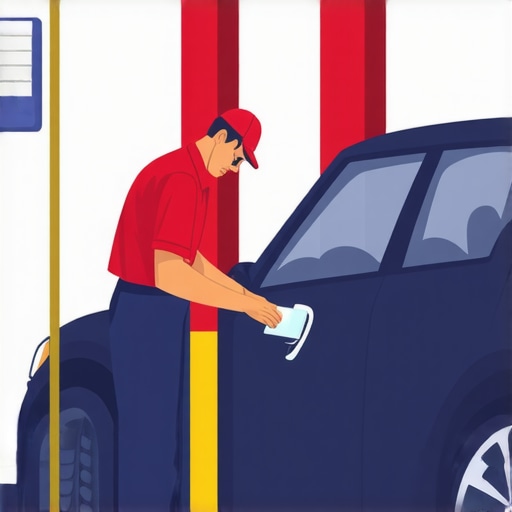 Many drivers believe that sticking to the basic maintenance schedule outlined in the owner’s manual is enough, but this oversimplification can be a costly mistake. One common myth is that maintenance should only be performed after a problem arises, rather than proactively. In reality, advanced diagnostics and understanding subtle cues can prevent major breakdowns. For example, modern vehicles are equipped with sensors and systems that can detect issues before they become noticeable, but only if you interpret these signals correctly. Ignoring these nuances often leads to missed opportunities for early intervention, which can extend your car’s lifespan and save money in the long run. Additionally, some assume that routine checks are only necessary for older cars; however, newer models benefit just as much from diligent servicing due to complex electronic systems that require specialized knowledge. The trap here is to overlook the importance of tailored maintenance based on driving habits and recent diagnostics, rather than relying solely on generic intervals. A crucial mistake many make is neglecting to update their service records or ignoring manufacturers’ evolving recommendations, especially as models get updated or new technologies are introduced. Staying current with auto repair trends, like those discussed in Auto Repair Trends to Watch in 2025, ensures you’re not falling behind. For advanced drivers, asking questions like “How do I interpret diagnostic trouble codes without a scan tool?” can be very beneficial. Recognizing that not all warning lights mean immediate danger is vital—sometimes, a simple software update or sensor recalibration can resolve issues that appear serious at first glance. Remember, the real benefit lies in understanding these hidden nuances, so you can act with confidence and avoid unnecessary repairs. Have you ever fallen into this trap? Let me know in the comments.Maintaining your vehicle’s health over time requires more than just routine checks; it involves having the right tools and approaches to diagnose and address issues early. Personally, I rely on a combination of professional-grade diagnostic scanners and software that help me interpret complex vehicle data with ease. For instance, I use the Autel MaxiCOM MS906BT scanner because it provides comprehensive diagnostics for most makes and models, allowing me to detect potential problems before they escalate. This device’s ability to read and clear diagnostic trouble codes, monitor live data, and perform specialized functions makes it invaluable for proactive maintenance. I also leverage automotive repair software like AutoEnginuity, which integrates with my scanner to give detailed insights into subsystem health, saving me trips to the mechanic and giving me confidence to handle minor repairs myself.
The Hardest Lesson I Learned About Vehicle Care
One of the biggest lessons I learned is that neglecting small maintenance tasks can lead to costly repairs later. For example, I once ignored a minor oil leak, which eventually caused engine damage that could have been prevented with a simple oil top-up and inspection.
3 Myths About Car Maintenance That Held Me Back
I used to believe that maintenance was only necessary when symptoms appeared or when the car broke down. It turns out, proactive care, like regular fluid checks and timely replacements, truly extends your vehicle’s lifespan and saves money.
What Experts Won’t Tell You About Your Car’s Health
Many professionals recommend using advanced diagnostic tools even for routine inspections. I trust tools like the Autel MaxiCOM MS906BT for their comprehensive insights, which help me spot issues early before they turn into emergencies.
My Essential Toolkit for Vehicle Maintenance
My go-to tools include a reliable diagnostic scanner, a detailed maintenance log, and trusted repair guides. These resources empower me to understand my car better and handle minor repairs myself, saving time and money.
Where to Go from Here
If you want to keep your vehicle running smoothly, start by creating a personalized maintenance schedule based on your owner’s manual, stay informed about the latest auto repair trends, and invest in quality diagnostic tools. Your car will thank you for it, and you’ll enjoy safer, more reliable driving.
Keep Your Car in Top Shape
Don’t wait for problems to become obvious. Regular maintenance and staying informed are the best ways to protect your investment and ensure peace of mind on the road. Remember, proactive care today prevents costly repairs tomorrow. What’s your next step in vehicle maintenance? Share your plans below!