
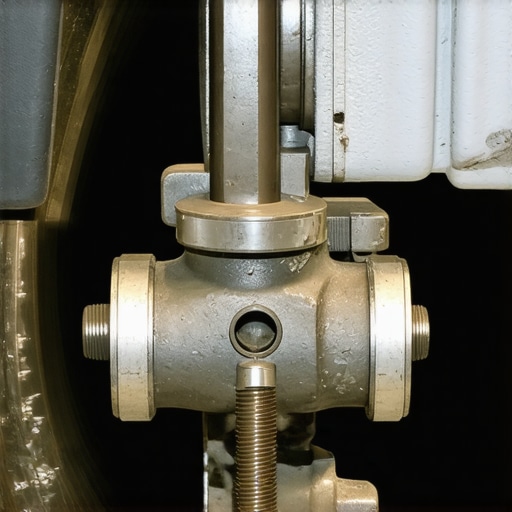
One morning, I was cruising down the highway when suddenly, my steering felt unexpectedly loose and imprecise. That unsettling sensation made me realize I might be facing a serious issue with my car’s steering system. Turns out, it was a warning sign that my rack and pinion was on its way out. If you’ve ever experienced a similar moment of dread behind the wheel, you’re not alone. Recognizing these early signals can save you from costly repairs and dangerous driving situations.
The Importance of Listening to Your Steering System
The steering system is like the nervous system of your vehicle—subtle cues and signals tell you when something isn’t quite right. When the rack and pinion start to fail, it doesn’t usually happen overnight. Instead, you’ll notice gradual changes—harder steering at low speeds, strange noises, or a feeling that your car isn’t responding as precisely as it once did. Ignoring these signs can lead to loss of control, especially in emergency maneuvers, or even total steering failure.
Could Your Car’s Warning Signs Be Misleading?
One mistake I made early on was dismissing the issue as just an alignment problem. That oversight almost cost me a lot of money and safety. It’s crucial to understand that symptoms like steering wheel vibration, fluid leaks, or a wandering car aren’t just minor inconveniences—they could indicate that your rack and pinion is failing. Understanding the real cause can be tricky, but it’s vital for safe driving. For example, according to a study by the Automotive Service Association, failing steering components are among the top reasons for roadside breakdowns.
Are you noticing any of these signs your steering is acting up? If so, don’t wait until it’s too late. Next, we’ll dive into how to diagnose whether your rack and pinion is the culprit and what steps you should take to fix it. For more info on related auto issues, check out our comprehensive troubleshooting guides or consider scheduling a routine tune-up to keep everything running smoothly.
Assessing the Rack and Pinion Problem
Begin by inspecting your steering wheel and fluid levels. Turn the wheel from lock to lock and note any resistance, unusual noises, or fluid leaks. To accurately identify issues, it helps to visualize the component’s layout—think of it as the central nervous system of your steering. A specific instance was when I noticed my steering wheel felt heavy at low speeds. I started by checking the power steering fluid, which was low. Replenishing it temporarily masked the issue, but the underlying problem—worn rack and pinion—persisted.
Preparing for the Repair Process
Ensure your vehicle is parked on a flat surface, engine cold, and safety gear ready. Raise the front end with a jack and secure it with stands. Remove the wheel corresponding to the problem side. This gives you access to the steering components. Remember, safety is paramount; always use jack stands—never just a hydraulic jack. I recall pinching my finger when removing a stubborn bolt, a reminder to be patient and use the right tools.
Removing the Worn Rack and Pinion
Disconnect the steering tie rod ends by unbolting them from the rack. Use a ratchet wrench and appropriate socket size; think of it as disconnecting the limbs from a joint. Then, detach the mounting brackets holding the rack in place. It’s critical to note how the parts are oriented for proper installation later. When I replaced my rack, I labeled the bolts and brackets with tape to avoid mix-ups, which made reassembly smoother.
Dealing with Hydraulic Lines
If your system is hydraulic, carefully disconnect the fluid lines from the rack, catching any remaining fluid in a container. Remember that brake fluid or power steering fluid can damage paint—use a rag to wipe spills immediately. During my repair, I also replaced the fluid to prevent contamination. For clean disconnection, use the correct line wrenches, not pliers—this prevents stripping or damage.
Installing the New Rack and Reconnecting Components
Position the new rack in the mounting brackets, aligning it precisely as the old one was. Reattach the mounting bolts and tighten them according to the manufacturer’s specifications. Reconnect the tie rod ends securely, ensuring no play exists in the connections. Then, reattach hydraulic lines if applicable, and refill the power steering reservoir, bleeding the system to remove air pockets. Remember, air in the system can cause steering to feel spongy, a common mistake I made during my initial attempt.
Testing for Proper Operation
Lower the vehicle and start the engine. Turn the steering wheel from lock to lock, feeling for smooth movement and absence of noises. Check for leaks around the hydraulic connections. It’s wise to test drive in a safe area. During my test drive, I noticed improved steering response and no leaks—confirming a successful repair. Regularly inspecting your steering system helps maintain safety and performance. For ongoing maintenance tips, visit our comprehensive vehicle care guide.
Many car owners operate under common myths about auto repair, especially regarding tune-ups, brake services, and general car maintenance. One pervasive misconception is that all auto repairs are straightforward and can be DIYed with minimal knowledge. In reality, modern vehicles contain complex electronic systems that require specialized diagnostic tools and expertise. Relying solely on online tutorials or unqualified mechanics can lead to misdiagnosis, unnecessary repairs, or overlooked issues that may become costly over time. For example, a seemingly simple brake pad replacement might overlook underlying rotor damage or caliper problems, which can compromise safety. It’s essential to understand that not every repair suits a novice’s skill set; knowing when to seek a professional ensures long-term vehicle health.Maintaining your vehicle for the long haul requires more than just knowing what to fix; it hinges on having the right tools and adopting effective methods. My go-to equipment begins with a high-quality digital multimeter like the Fluke 115. I use it daily to diagnose electrical issues precisely, from battery health to sensor functionalities. In addition, a reliable torque wrench—specifically, the Tekton 1/2-inch drive model—ensures bolts are tightened to manufacturer specifications, preventing over-tightening that can cause damage or under-tightening that risks failure. Investing in a brake caliper piston tool kit is also invaluable, particularly when dealing with brake service, allowing for accurate reassembly without damaging components.
For software-assisted diagnostics, I recommend using OBD-II scanners such as the BlueDriver, which pair with your smartphone and interpret codes in plain language. This combination accelerates troubleshooting, especially when addressing subtle issues like misfires or intermittent sensor flaws. Combining these tools with a good quality set of mechanical pry bars and a portable LED work light improves both safety and efficiency during repairs.
A tip for ensuring long-term performance is maintaining a detailed repair and maintenance log, which can be managed with free apps like Evernote. Recording dates, parts replaced, and observations helps monitor your vehicle’s health and plan future services. As car technology advances, staying ahead means embracing diagnostic tools that integrate with factory-level software; many automakers now offer proprietary apps for their vehicles.
Looking into the future, I see a trend toward wireless diagnostic devices and AI-assisted maintenance recommendations becoming standard, simplifying complex processes for the DIY enthusiast.
How do I maintain my tools over time? Regular calibration of diagnostic instruments and proper storage—preferably in a portable toolbox with foam inserts—prevent damage and extend their lifespan. For example, routine calibration of my multimeter ensures measurement accuracy, which is crucial when diagnosing critical systems like brakes or steering.
To get started, try using your OBD-II scanner to clear a minor trouble code and observe how your vehicle responds. This simple step can foster a better understanding of automotive electronics and save you money on unnecessary repairs. For more advanced insights on upcoming auto repair trends, visit our trend forecast. Regularly updating your toolkit and knowledge not only saves time and money but also keeps your car performing at peak condition for years to come.
What I Wish I Knew When My Steering Felt Off
- I learned that paying attention to subtle signs like a wandering car or strange noises can prevent dangerous situations on the road. Ignoring these warning signals nearly led me to a critical failure, reminding me that early detection is key.
- Understanding the complexity of the rack and pinion system revealed that even minor leaks or resistance in steering should never be dismissed. Regular inspections can save time and money, and keep you safe.
- In my journey, I realized that professional tools and knowledge vastly outperform DIY solutions for critical components. Investing in quality diagnostic and repair equipment transforms troubleshooting from guesswork to confidence.
Tools and Sources That Transformed My Approach to Auto Care
- The Fluke 115 digital multimeter became indispensable for diagnosing electrical issues, ensuring accuracy and saving me from unnecessary part replacements. Trusting reliable tools is essential for precise repairs.
- I rely on the BlueDriver OBD-II scanner, which provides clear, actionable codes that demystify vehicle electronics. Their integration with smartphone apps makes troubleshooting accessible and efficient.
- Books like “The Ultimate Car Maintenance Guide” expanded my understanding of vehicle systems, highlighting the importance of preventive care. Combining knowledge and tools has empowered me to keep my car in top shape.
Your Turn to Embrace the Knowledge
Remember, mastering your car’s steering system is a blend of paying attention to subtle cues, investing in the right tools, and continuously learning. Taking proactive steps now can ward off costly repairs and keep you safely on the road. Don’t wait for a warning sign—start inspecting and maintaining your vehicle today! If you’ve faced similar challenges, share your story below and let’s learn together.