
Ever had that sinking feeling when your car starts making weird noises or your dashboard lights up just when you’re about to leave for an important meeting? I remember the exact moment it happened to me—frowning at a temperature warning, wondering if I could make it home without a costly repair. It’s that gut punch of realization that something isn’t right, and you’re not quite sure what. One of those sneaky culprits? Your water pump.
It might sound simple, but ignoring the signs that your water pump is about to give out can lead to serious engine damage—and trust me, that’s an expensive lesson learned the hard way. Today, I want to share how I finally cracked the code on spotting water pump failure early, so you don’t have to go through the same stress.
And no, it’s not just about replacing parts when they break—it’s about understanding your vehicle enough to catch problems before they turn into roadside emergencies. If you’ve ever experienced an unexpected overheating or a sudden loss of coolant, keep reading. I’ll guide you through the warning signs that your water pump is on its way out, backed by real-world experience and a bit of my own troubleshooting.
We’ll also look at some common mistakes many car owners make—like neglecting regular maintenance—that can hide these warning signs until it’s too late. Did you know that a worn water pump can cause your engine to overheat and lead to gasket failures? Ignoring early signs might save you money now, but the true cost hits when your engine starts to seize.
So, how do you know if your water pump is failing? That’s what I’ll help you uncover. Whether you’re a seasoned car owner or new to vehicle maintenance, understanding these signals could be a game-changer for your car’s health—and your wallet.
What’s the most frustrating experience you’ve had with unexpected car repair issues? Share your story below, and let’s figure out how to prevent those costly surprises together. Now, let’s dive into the telltale signs that your water pump might be crying for help—before it leaves you stranded.
Check for Leaks and Visual Damage
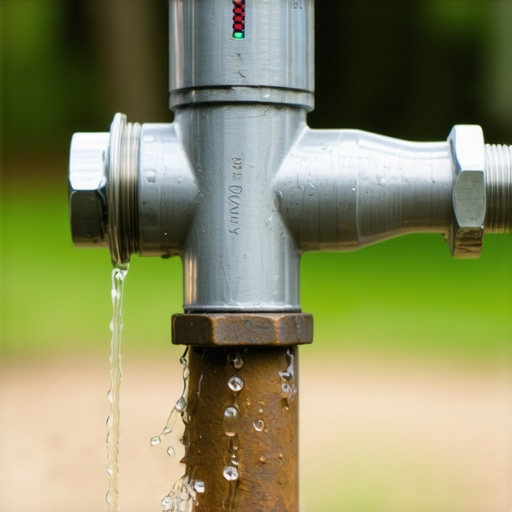
Start by inspecting your engine bay for visible signs of wear. Look for coolant leaks around the water pump, which often appear as a puddle or residue beneath the component. During a drive, a leaking water pump can drip coolant onto belts, causing slipping or squealing. I once noticed a small puddle under my car after parking—a quick visual check revealed a cracked pump housing, saving me from a roadside breakdown.
Monitor the Temperature and Coolant Levels
Regularly keep an eye on your dashboard’s temperature gauge. An abrupt rise indicates overheating, often linked to water pump issues. Check coolant levels—it should be between the min and max marks. If it’s low, top it off with the correct type of coolant. During my last tune-up, I discovered my coolant was near empty, which was a clear sign the water pump was failing to circulate properly.
Listen for Unusual Noises
Unusual sounds like grinding, whining, or squealing from the engine indicate bearing problems within the water pump. These noises become louder as the pump’s internal components wear down. Once, I ignored faint squealing until it became a loud squeal—by then, I needed a costly replacement. Catching early noise signals is crucial to prevent engine damage.
Perform a Feel-Test on the Serpentine Belt
The water pump is driven by the serpentine belt. When the belt is loose or worn, it can slip, causing pump failure. Check for cracks, glazed surfaces, or looseness by pressing the belt with your fingers—if it feels loose or shows cracks, it’s time for replacement. I learned this the hard way when a worn belt caused my water pump to stop working unexpectedly.
Assessing Pump Functionality Through the Coolant Flow
Begin with a cold engine—remove the radiator cap carefully. After starting the engine, observe the coolant flow. If you see no circulation or a weak flow, your water pump may be failing. I once tested this by observing the coolant movement; a sluggish flow prompted immediate repair, avoiding severe overheating later.
Perform a Pressure Test
A cooling system pressure tester can identify leaks or blockages. Attach the tester, pressurize the system, and watch for pressure drops or leaks. This method is effective but requires specialized equipment. During my routine maintenance, a pressure test revealed a tiny leak in the pump’s seal, which I promptly replaced.
Use an Infrared Thermometer for Spot Checks
An infrared thermometer allows you to scan different parts of the engine and radiator. Hot spots or uneven temperatures can highlight inadequate coolant flow—symptomatic of water pump issues. I used this tool during a car check-up, and uneven temperature readings confirmed sluggish pump operation, leading to early replacement.
Engage in Professional Diagnostics Before Major Failure
If you’re unsure, consult a mechanic for a diagnostic. Modern vehicles can be scanned for error codes related to coolant circulation or pump failure. I once brought my car to the shop after noticing subtle warning signs; diagnostics confirmed the pump’s impeller was worn out, preventing more extensive damage.
Regularly applying these steps will help you catch water pump issues early, saving money and preventing breakdowns. Maintenance routines like regular tune-ups and system inspections are your best allies in vehicle longevity.
When it comes to auto repair and regular maintenance, many vehicle owners hold onto misconceptions that can lead to costly mistakes. A prevalent myth is that all brake pads wear out evenly and need replacement at the same time. In reality, different pads may wear unevenly based on driving habits and brake system design—highlighting the importance of targeted inspections rather than routine replacements.
Why do some drivers assume that a simple oil change suffices for vehicle longevity, and is that misconception setting them up for failure?
Experts emphasize that a comprehensive tune-up, including fluid changes, belt checks, and engine diagnostics, significantly extends your car’s lifespan and safety. Relying solely on oil changes overlooks critical components like spark plugs, filters, and sensors, which require attention for optimal performance. The misconception stems partly from marketing by quick-lube shops promoting quick fixes over thorough service; however, studies show that cars maintained with periodic, in-depth tune-ups tend to have fewer breakdowns and better fuel economy. For example, neglecting a worn timing belt can result in severe engine damage if it snaps—an expense far exceeding routine inspections. Furthermore, many believe that brake service is just about replacing worn rotors and pads, but modern cars often have complex ABS sensors and electronic controllers that need diagnostic calibration—underscoring the trend toward integrated computer diagnostics in maintenance routines. This shift is backed by industry experts, who predict that in 2025, auto repairs will increasingly rely on advanced diagnostics rather than manual inspections alone. The trap here is assuming that traditional methods are still sufficient; in reality, ignoring technological advances can compromise safety and efficiency. So, how can you prevent falling prey to these misconceptions? Educate yourself about your vehicle’s specific maintenance schedule, and don’t hesitate to ask your mechanic about the latest diagnostic tools and service standards. Regularly consulting trusted resources like this comprehensive guide on tune-ups can help you stay ahead of hidden issues. Remember, proactive, informed maintenance isn’t just about extending your car’s life; it’s about ensuring your safety on every trip. Have you ever fallen into this trap of misconceptions? Let me know in the comments. Staying curious and vigilant will save you time and money in the long run.
Maintaining your vehicle over the long term requires more than just routine visits to the mechanic. Having the right tools and knowledge allows you to perform many basic repairs and inspections yourself, saving money and preventing minor issues from turning into costly repairs. One of my go-to tools is a high-quality digital multimeter. I personally trust the Fluke 117 model because of its precision, durability, and ease of use. It helps me quickly diagnose electrical issues, such as testing battery voltage or checking the alternator’s output, which are critical for reliable vehicle operation.
Another indispensable item is a coolant temperature infrared thermometer. I use this device regularly during routine inspections to identify hot spots in the engine bay, helping me spot potential overheating issues early. An inexpensive but effective choice like the Etekcity Lasergrip 1080 allows me to perform quick spot checks, ensuring the cooling system works optimally before driving long distances.
For fluid inspections, I recommend a see-through funnel with a built-in strainer. This simple tool streamlines the process of topping off fluids and reduces mess, especially when adding oil or coolant. I’ve found that maintaining proper fluid levels prevents many common problems like engine overheating or brake fade.
Using an OBD-II scanner has revolutionized how I approach car diagnostics. I prefer the BlueDriver Bluebell scanner because it offers detailed code reads and live data streams, which help me pinpoint issues faster. This technology is especially handy when performing your own tune-ups. When you catch problems early, you can schedule repairs proactively, avoiding breakdowns and maintaining engine health.
In addition, I keep a tire pressure gauge that provides quick, accurate readings—crucial for safe and efficient driving. I prefer digital gauges over analog ones for their precision and ease of reading, which helps me monitor tire health over time. Regularly checking tire pressure can improve fuel efficiency and extend tire life, aligning with expert advice on vehicle maintenance.
Looking ahead, I believe that automation and smart diagnostic tools will become more integrated into personal vehicle maintenance. As auto repair trends suggest, future tools will provide even more detailed insights, guiding owners through maintenance routines with AI-powered diagnostics. This evolution will make DIY repairs more accessible and accurate, empowering even novice car owners to keep their vehicles running smoothly.
Now, a practical tip to upgrade your maintenance game: try using an infrared thermometer during your next oil change to verify your engine is cooled down before opening the oil cap. This simple step can prevent burns and help you assess whether your cooling system is functioning properly, saving you time and hassle. Ready to take control of your vehicle’s health? Invest in a quality infrared thermometer and see the difference it makes.
Sweet Spot Insights That Changed My Approach
One of the biggest surprises I learned early on was how crucial small, overlooked signs can be—like a faint squeal or a tiny coolant leak—signs I used to dismiss until they became costly repairs. Realizing that proactive checks saved me money and stress shifted my entire mindset from reactive to vigilant.
Another revelation was understanding that a tool like an infrared thermometer isn’t just for professionals—investing in simple diagnostic tools transformed my ability to catch issues early. This knowledge empowered me to take control rather than rely solely on mechanic visits, fostering confidence and deepening my appreciation for vehicle health.
Lastly, I discovered that regular maintenance isn’t a chore—it’s an investment. Small habits like inspecting belts or monitoring coolant levels can significantly extend your vehicle’s lifespan, making each trip safer and more predictable.
My Go-To Resources for Keeping Your Car in Top Shape
Over the years, I’ve found a handful of resources indispensable for my auto care journey. First, I trust this comprehensive guide on tune-ups which breaks down essential maintenance tasks and explains why they matter. It’s a foundation to understanding your vehicle better.
Second, I rely on diagnostic tools like the BlueDriver OBD-II scanner; it’s user-friendly and provides insights that save me trips to the mechanic when issues are minor. For quick visual checks, the latest auto repair trends keep me updated on innovations that likely will become more accessible for DIY enthusiasts.
Finally, I swear by the quality of my infrared thermometer and a good multimeter—these enable timely detection of overheating or electrical faults, keeping my vehicle running smoothly and me confident in handling minor repairs myself.
Confidence to Take Charge of Your Vehicle’s Well-Being
Taking proactive steps to recognize early signs of water pump failure isn’t just about saving money—it’s about peace of mind. When you start noticing small signals, like a subtle leak or unusual noise, address them swiftly. Empower yourself with knowledge, keep the right tools handy, and stay curious about your car’s health. Your future self will thank you for making that extra effort today. Ready to jump in and give your car the attention it deserves? What small maintenance habit has made a difference in your vehicle care? Share your story below and let’s learn together.