
I vividly remember the sinking feeling in my gut when my car hesitated on a cold morning, refusing to start despite the engine turning over. It was a lightbulb moment for me—realizing that many auto issues can be diagnosed and even fixed at home, saving time and money. If you’ve ever faced a similar situation, you know how frustrating it can be to wonder whether a problem is something you can handle or if it’s time to visit the mechanic. Today, I want to share how you can troubleshoot common auto problems before rushing to the shop, and trust me, it’s easier than you think.
Why Knowing How to Troubleshoot Matters
When your vehicle acts up, your first instinct might be to head straight to the mechanic. But often, a lot of issues are simple enough to identify and fix with a little know-how. This not only saves you money but also gives you peace of mind. Plus, understanding your car’s quirks can help you communicate more effectively with your mechanic, making repairs faster and less costly. I learned this the hard way early on when I paid for a costly diagnosis that turned out to be something I could have fixed myself with a basic tune-up. Early troubleshooting can prevent minor issues from becoming major headaches, so it’s a skill worth developing.
Is Troubleshooting Your Car Actually Worth the Effort
Honestly, I used to think troubleshooting was just for seasoned mechanics or gearheads. But I was wrong. The truth is, most common problems—like dead batteries, worn brake pads, or failing sensors—are simple enough for a regular driver to handle with the right guidance. The key is knowing where to look and what signs to watch for. One mistake I made early on was ignoring small warning signs, thinking they weren’t a big deal. That’s a mistake I see many drivers make, and it often leads to bigger, more expensive repairs down the line. Instead, I started doing a bit of research and learned how to perform quick checks, which proved invaluable. Want to avoid those costly surprises? Check out this guide for practical tips. Over the next sections, I’ll walk you through simple troubleshooting steps so you can identify issues early and decide whether you can fix them yourself or if it’s time to call in the pros. Let’s get started on empowering you to handle your car’s quirks like a pro.
Check the Battery First
When your car won’t start, the most common culprit is a dead or weak battery. I remember one chilly morning where my car refused to turn over. I kept trying, but nothing happened. Instead of calling a tow truck immediately, I opened the hood and tested the battery with a simple multimeter. It read low voltage, confirming my suspicion. Replacing the battery was straightforward, and I saved a trip to the mechanic. To troubleshoot, always examine the battery terminals for corrosion and ensure they are tightly connected. If you’re uncertain, many auto parts stores offer free battery testing, which can save you time and money. For more details, check out this guide.
Listen for Unusual Sounds
Sometimes, strange noises can tell you a lot about what’s wrong. I once heard a squealing noise every time I pressed the brakes. Instead of rushing to a shop, I inspected the brake pads visually. I noticed they were worn down significantly. Worn brake pads often produce squealing, and replacing them is an easy fix if you’re comfortable with basic tools. Use a flashlight to check for uneven wear or debris lodged in the braking system. If you hear grinding noises, it might indicate metal-on-metal contact, which requires urgent attention. Understanding brake system repairs can be confusing, but basic visual checks often reveal the root cause. For a comprehensive overview, see this article.
Monitor Warning Lights and Dashboard Clues
Dashboard warning lights are your car’s way of speaking to you. I once ignored the check engine light until the vehicle started to hesitate. Using an OBD-II scanner, I retrieved the trouble codes, which pointed to a failing oxygen sensor. This simple diagnostic tool is inexpensive and easy to use. Regularly checking these codes can prevent minor issues from escalating. If your check engine light blinks or stays on, don’t ignore it. Refer to this troubleshooting guide to interpret warning signals accurately.
Inspect Fluid Levels and Condition
Fluids are the lifeblood of your vehicle. I learned this firsthand when my car overheated unexpectedly. I checked the coolant reservoir and found it low and dirty. Topping off with the correct coolant and flushing the system resolved the overheating. Regularly inspecting fluid levels—oil, coolant, brake fluid—can identify leaks or wear before they cause serious damage. Use a dipstick or sight glass to verify levels and look for contamination. For detailed maintenance routines, refer to this checklist.
Test Drive and Feel
Sometimes, the best way to diagnose a problem is to take a short test drive. I once noticed a slight vibration and steering pull. After a quick test drive, I noticed the vibration increased with speed. This pointed to potential tire imbalance or alignment issues. Simple tests like listening for vibrations or pulling can be performed easily. If something feels off, note the symptoms, and compare them with common issues found in resources like this article. Knowing what to feel for helps you decide if a professional tune-up is needed or if it’s an easy fix. 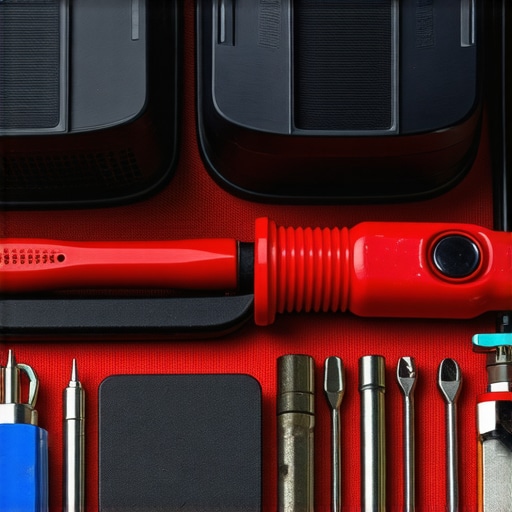 Many drivers assume that troubleshooting is only effective for minor issues like replacing batteries or topping off fluids. However, a common misconception is that DIY fixes are always straightforward and that immediate repairs are necessary at the first sign of trouble. In reality, rushing into repairs without understanding the root cause can lead to more damage and higher costs. For example, forcing a stuck brake caliper or ignoring subtle warning signs can result in costly replacements later. Remember, advanced troubleshooting involves knowing when to dig deeper and when to seek professional diagnostics. A particular trap many fall into is relying solely on visual inspections or basic tests, which can be misleading. For instance, a worn belt might look fine but still cause slipping under load. Using diagnostic tools like an OBD-II scanner can reveal hidden issues that are not immediately visible, making your troubleshooting more accurate. An expert from Auto Repair Secrets Every Driver Should Know in 2025 emphasizes that understanding the limitations of simple checks is vital—overconfidence can delay necessary repairs or cause further damage. For example, ignoring a check engine light and assuming it’s a minor issue might overlook a critical sensor failure that could compromise safety. So, the key is to balance DIY efforts with knowledge of your vehicle’s complexities. Have you ever fallen into this trap? Let me know in the comments.Staying on top of auto repair requires more than just basic knowledge; it demands the right tools and a strategic approach. One essential piece of equipment I swear by is a quality OBD-II scanner. Not only does it allow me to quickly retrieve error codes, but it also helps me understand the specific issues my car is experiencing, preventing unnecessary trips to the mechanic. I personally use the BlueDriver Bluetooth Pro OBDII Scanner because it pairs seamlessly with my smartphone and provides detailed diagnostics, which I’ve found invaluable for pinpointing problems accurately.
Another tool I recommend is a digital multimeter. This simple device has saved me from many false alarms, especially when checking battery voltage or testing sensors. I prefer a multimeter with auto-ranging capabilities because it simplifies testing different components without needing to switch modes constantly. It’s a small investment that can make a big difference in troubleshooting.
For routine maintenance, I rely on a good set of socket wrenches and screwdrivers. Quality tools from brands like GearWrench or Craftsman last longer and make the job easier. Investing in a comprehensive toolkit means I can handle tasks like replacing brake pads or swapping out sensors without frustration. Regular maintenance tools not only keep my vehicle in top shape but also extend its lifespan.
Looking ahead, I predict that diagnostic tools will continue to evolve, becoming even more user-friendly and integrated with AI to offer real-time troubleshooting advice. This trend will empower drivers to diagnose complex issues without needing extensive mechanical knowledge, making auto care more accessible.
How do I maintain my tools over time? I make sure to clean and store them properly after each use. For electronic devices, I keep the software updated and periodically check the cables and connectors for wear. Proper maintenance of your tools ensures they remain reliable and ready whenever a problem arises.
Don’t just take my word for it—try upgrading your diagnostic arsenal with a quality OBD-II scanner and see how much quicker and more accurately you can identify issues. For more insights on keeping your vehicle in top shape, check out this comprehensive guide. Keeping your tools in excellent condition is a small step that can save you time, money, and frustration in the long run. Happy troubleshooting!
Lessons from My Auto Troubleshooting Journey- One of the biggest realizations was how often simple checks can solve what seem like complex problems. For example, a quick battery test saved me a hefty towing bill and hours of waiting.
- I learned to trust my senses—listening for unusual noises and feeling vibrations can often point directly to what’s wrong, saving time and guesswork.
- Understanding your vehicle’s warning signs and dashboard signals can prevent minor issues from escalating into costly repairs. Ignoring a dashboard warning light is a mistake I won’t make again.
- Tools matter. Investing in a quality OBD-II scanner transformed my approach to auto troubleshooting, making diagnostics faster and more accurate. It’s a game changer for any DIY enthusiast.
- The hardest lesson? Recognizing when a problem is beyond your skill level and knowing when to seek professional help. Sometimes, a quick diagnosis by an expert can prevent unnecessary damage.
My Essential Toolkit for Auto Troubleshooting
- OBD-II Scanner: I swear by the BlueDriver Bluetooth Pro because it pairs easily with my phone and provides detailed error codes, saving me trips to the mechanic.
- Digital Multimeter: This simple device helps me verify battery voltage and test sensors. I prefer auto-ranging models for versatility and ease of use.
- Basic Hand Tools: A quality set of socket wrenches and screwdrivers from brands like Craftsman makes repairs straightforward and frustration-free.
- Maintenance Guides: Regularly updated resources like the Car Service Checklist help me stay on top of routine maintenance and catch issues early.
Charge Forward with Confidence
Taking charge of your auto repairs isn’t just about saving money—it’s about empowering yourself to keep your vehicle running smoothly and safely. Every small troubleshooting win builds your confidence and deepens your understanding of your car. So, don’t be afraid to give it a try—your car will thank you, and so will your wallet.
Have you ever struggled with diagnosing a car problem? Let me know below, and share your experiences or tips!