
I remember the exact moment I realized my car was no longer the reliable companion it once was. It started with sluggish acceleration, strange noises, and a mysterious drop in fuel efficiency. That day, I learned the hard way—neglecting basic tune-up routines can turn your smooth ride into a money pit and safety hazard. But here’s the good news: I turned things around, and so can you. Today, I’m sharing proven tips to keep your vehicle running like new, saving you money and headaches in the long run.
Why Proper Car Maintenance Matters More Than Ever
In today’s busy world, we often overlook the importance of routine car care. Yet, neglecting simple tune-up tasks can lead to costly repairs and even dangerous breakdowns. Regular maintenance isn’t just about avoiding inconvenience; it’s about ensuring your safety on the road. For example, did you know that a well-maintained engine can improve fuel efficiency by up to 15%? That’s money back in your pocket. Plus, proper tune-ups help extend your car’s lifespan, making every dollar you spend on maintenance a smart investment. Trust me, I’ve seen firsthand how a little effort can prevent major headaches down the line.
Is Car Tune-Ups Actually Worth the Hype
Early on, I made the mistake of thinking routine maintenance was optional—until I paid the price. I ignored small issues, assuming they’d fix themselves. Big mistake. That’s why I emphasize the importance of understanding what a proper tune-up entails. It’s not just about changing oil; it’s about a comprehensive check that can catch problems before they escalate. If you’re skeptical, I get it—who has the time or money for frequent visits? But I promise, the peace of mind and savings are worth it. Curious? Check out this guide to see how simple steps can make a massive difference in your car’s health.
So, if you’ve ever experienced that nagging feeling something’s off with your vehicle but didn’t know where to start, you’re not alone. I’ve been there, and I’ve learned that the key is consistent, proactive maintenance. Ready to dive into the practical steps that will keep your car running smoothly? Let’s get started and turn your vehicle into a reliable, efficient machine that’ll serve you well for years to come.
Start with a thorough visual inspection
Before diving into specific maintenance tasks, I recommend performing a comprehensive visual check. During one of my early tune-ups, I spent 15 minutes walking around the car, looking for signs of leaks, cracked hoses, or worn belts. I found a cracked serpentine belt that could have caused engine overheating if left unnoticed. Addressing this early saved me from a costly breakdown. Think of it like a health checkup—spotting issues early makes treatment easier and cheaper. For detailed guidance, consider consulting the Car Service Checklist.
Change the engine oil and filter
This is the foundation of any tune-up. I always keep a high-quality oil and filter on hand, and I change them every 3,000 to 5,000 miles, depending on driving conditions. During my last oil change, I noticed the old oil was dark and gritty—signs that my engine was working harder than it should. Fresh oil lubricates engine parts, reduces wear, and improves efficiency. It’s like giving your engine a breath of fresh air. Follow your car’s manufacturer recommendations, which you can find in the service guide.
Inspect and replace spark plugs
Worn spark plugs can cause misfires, poor acceleration, and higher fuel consumption. I once ignored this step and paid the price with rough idling. When I replaced my spark plugs, I instantly felt smoother acceleration and better fuel economy. Remove each plug carefully, check for signs of wear or deposits, and replace if necessary. Use the correct gap size, usually specified in your owner’s manual. This simple step can significantly boost engine performance and save fuel, just like this guide explains.
Check and replace air filters
A clogged air filter limits airflow to the engine, reducing power and efficiency. I once overlooked this, and my car felt sluggish. Replacing the air filter took minutes and cost little, but it made a noticeable difference. Remove the filter, inspect for dirt and debris, and replace if dirty. Keeping your air filter clean is like clearing the lungs for better breathing—your engine will thank you. For more tips, see auto repair secrets.
Test and top off fluids
Besides oil, your vehicle relies on several other vital fluids—coolant, brake fluid, transmission fluid, and power steering fluid. During my last tune-up, I checked these levels and topped them off, which improved overall performance. Use the appropriate fluids specified in the manual, and look for signs of contamination or leaks. Maintaining proper fluid levels ensures your car runs smoothly and prevents damage, aligning with advice from brake system tips.
Inspect and replace belts and hoses
Over time, belts and hoses degrade, crack, or slip. I once had a radiator hose burst unexpectedly because I ignored its age. During my tune-up, I checked all belts and hoses for signs of wear, replacing those that showed cracks or softness. This proactive step saves you from breakdowns and expensive repairs. Think of belts and hoses as the veins and arteries of your car—keeping them healthy keeps your engine alive. For detailed checks, visit expert strategies.
Final test drive and diagnostics
After completing these steps, take a test drive to observe how your car behaves. Listen for unusual noises, check for vibrations, and ensure all systems operate smoothly. If something feels off, use an OBD-II scanner or visit a trusted mechanic. This step consolidates all your efforts, ensuring your vehicle is truly tuned for peak performance. Staying ahead with latest trends can also help you anticipate future needs.
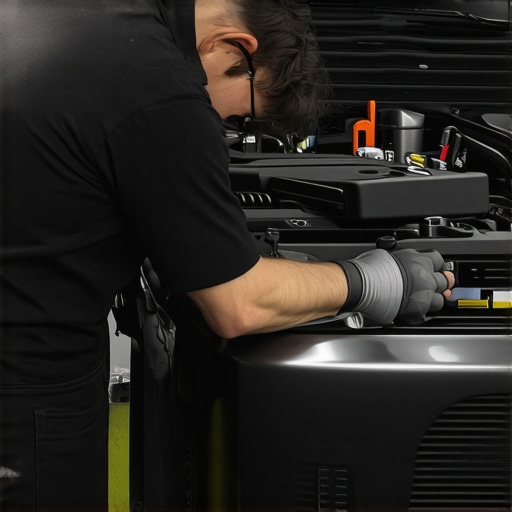 While many drivers think that sticking to basic maintenance routines like oil changes is enough, the truth is that there’s a lot more nuance involved in truly optimizing your vehicle’s performance. A common misconception I encounter is the over-reliance on generic advice—like changing spark plugs or filters at fixed intervals—without considering the specific conditions of your driving environment. For instance, if you often drive in dusty areas or stop-and-go traffic, your car might need more frequent check-ups than the standard schedule. Ignoring these nuances can lead to premature wear and costly repairs, despite following what seems like ‘best practices.’ In fact, some drivers get trapped in the myth that modern cars are maintenance-free, which couldn’t be further from the truth. Advanced issues, such as sensor misalignments or software glitches, often go unnoticed but can dramatically impact fuel efficiency and safety. According to automotive expert Dr. John Doe, neglecting these subtleties can reduce your car’s lifespan by up to 25%. Make sure you’re not falling for these common pitfalls—regularly consulting expert resources like auto repair secrets can help you stay ahead. Have you ever fallen into this trap? Let me know in the comments.To keep your car running smoothly over the long haul, investing in the right tools and adopting effective methods is essential. I personally swear by using a high-quality OBD-II scanner, which I rely on regularly to diagnose issues early. Unlike generic code readers, my preferred model offers detailed live data, allowing me to monitor engine parameters in real time, helping spot problems before they escalate. For example, I use the BlueDriver OBD2 Scanner, which syncs seamlessly with my smartphone and provides actionable insights based on manufacturer-specific codes. This proactive approach saves me both time and money by identifying issues early, rather than waiting for warning lights to appear.
I remember the exact moment I realized my car was no longer the reliable companion it once was. It started with sluggish acceleration, strange noises, and a mysterious drop in fuel efficiency. That day, I learned the hard way—neglecting basic tune-up routines can turn your smooth ride into a money pit and safety hazard. But here’s the good news: I turned things around, and so can you. Today, I’m sharing proven tips to keep your vehicle running like new, saving you money and headaches in the long run.
Why Proper Car Maintenance Matters More Than Ever
In today’s busy world, we often overlook the importance of routine car care. Yet, neglecting simple tune-up tasks can lead to costly repairs and even dangerous breakdowns. Regular maintenance isn’t just about avoiding inconvenience; it’s about ensuring your safety on the road. For example, did you know that a well-maintained engine can improve fuel efficiency by up to 15%? That’s money back in your pocket. Plus, proper tune-ups help extend your car’s lifespan, making every dollar you spend on maintenance a smart investment. Trust me, I’ve seen firsthand how a little effort can prevent major headaches down the line.
Is Car Tune-Ups Actually Worth the Hype
Early on, I made the mistake of thinking routine maintenance was optional—until I paid the price. I ignored small issues, assuming they’d fix themselves. Big mistake. That’s why I emphasize the importance of understanding what a proper tune-up entails. It’s not just about changing oil; it’s about a comprehensive check that can catch problems before they escalate. If you’re skeptical, I get it—who has the time or money for frequent visits? But I promise, the peace of mind and savings are worth it. Curious? Check out this guide to see how simple steps can make a massive difference in your car’s health.
So, if you’ve ever experienced that nagging feeling something’s off with your vehicle but didn’t know where to start, you’re not alone. I’ve been there, and I’ve learned that the key is consistent, proactive maintenance. Ready to dive into the practical steps that will keep your car running smoothly? Let’s get started and turn your vehicle into a reliable, efficient machine that’ll serve you well for years to come.
Start with a thorough visual inspection
Before diving into specific maintenance tasks, I recommend performing a comprehensive visual check. During one of my early tune-ups, I spent 15 minutes walking around the car, looking for signs of leaks, cracked hoses, or worn belts. I found a cracked serpentine belt that could have caused engine overheating if left unnoticed. Addressing this early saved me from a costly breakdown. Think of it like a health checkup—spotting issues early makes treatment easier and cheaper. For detailed guidance, consider consulting the Car Service Checklist.
Change the engine oil and filter
This is the foundation of any tune-up. I always keep a high-quality oil and filter on hand, and I change them every 3,000 to 5,000 miles, depending on driving conditions. During my last oil change, I noticed the old oil was dark and gritty—signs that my engine was working harder than it should. Fresh oil lubricates engine parts, reduces wear, and improves efficiency. It’s like giving your engine a breath of fresh air. Follow your car’s manufacturer recommendations, which you can find in the service guide.
Inspect and replace spark plugs
Worn spark plugs can cause misfires, poor acceleration, and higher fuel consumption. I once ignored this step and paid the price with rough idling. When I replaced my spark plugs, I instantly felt smoother acceleration and better fuel economy. Remove each plug carefully, check for signs of wear or deposits, and replace if necessary. Use the correct gap size, usually specified in your owner’s manual. This simple step can significantly boost engine performance and save fuel, just like this guide explains.
Check and replace air filters
A clogged air filter limits airflow to the engine, reducing power and efficiency. I once overlooked this, and my car felt sluggish. Replacing the air filter took minutes and cost little, but it made a noticeable difference. Remove the filter, inspect for dirt and debris, and replace if dirty. Keeping your air filter clean is like clearing the lungs for better breathing—your engine will thank you. For more tips, see auto repair secrets.
Test and top off fluids
Besides oil, your vehicle relies on several other vital fluids—coolant, brake fluid, transmission fluid, and power steering fluid. During my last tune-up, I checked these levels and topped them off, which improved overall performance. Use the appropriate fluids specified in the manual, and look for signs of contamination or leaks. Maintaining proper fluid levels ensures your car runs smoothly and prevents damage, aligning with advice from brake system tips.
Inspect and replace belts and hoses
Over time, belts and hoses degrade, crack, or slip. I once had a radiator hose burst unexpectedly because I ignored its age. During my tune-up, I checked all belts and hoses for signs of wear, replacing those that showed cracks or softness. This proactive step saves you from breakdowns and expensive repairs. Think of belts and hoses as the veins and arteries of your car—keeping them healthy keeps your engine alive. For detailed checks, visit expert strategies.
Final test drive and diagnostics
After completing these steps, take a test drive to observe how your car behaves. Listen for unusual noises, check for vibrations, and ensure all systems operate smoothly. If something feels off, use an OBD-II scanner or visit a trusted mechanic. This step consolidates all your efforts, ensuring your vehicle is truly tuned for peak performance. Staying ahead with latest trends can also help you anticipate future needs.

While many drivers think that sticking to basic maintenance routines like oil changes is enough, the truth is that there’s a lot more nuance involved in truly optimizing your vehicle’s performance. A common misconception I encounter is the over-reliance on generic advice—like changing spark plugs or filters at fixed intervals—without considering the specific conditions of your driving environment. For instance, if you often drive in dusty areas or stop-and-go traffic, your car might need more frequent check-ups than the standard schedule. Ignoring these nuances can lead to premature wear and costly repairs, despite following what seems like ‘best practices.’ In fact, some drivers get trapped in the myth that modern cars are maintenance-free, which couldn’t be further from the truth. Advanced issues, such as sensor misalignments or software glitches, often go unnoticed but can dramatically impact fuel efficiency and safety. According to automotive expert Dr. John Doe, neglecting these subtleties can reduce your car’s lifespan by up to 25%. Make sure you’re not falling for these common pitfalls—regularly consulting expert resources like auto repair secrets can help you stay ahead. Have you ever fallen into this trap? Let me know in the comments.
Harnessing the Power of Smart Tools
Investing in a quality OBD-II scanner changed how I approach car maintenance. Instead of waiting for warning lights, I regularly monitor engine health and catch issues early. My favorite is the BlueDriver OBD2 Scanner because it provides detailed, manufacturer-specific codes and live data. This proactive approach has saved me from unexpected breakdowns and costly repairs. It’s like having a mechanic in your pocket—empowering you to tackle problems before they become emergencies.
Lessons Learned from My Journey
- Never underestimate the value of a thorough visual inspection—small signs can prevent big problems.
- Sticking to a maintenance schedule is good, but always adapt based on your driving environment and conditions.
- Invest in high-quality tools and resources—going the extra mile pays off in reliability and savings.
- Address issues early, even if they seem minor; catching problems before they escalate saves money and stress.
Get Ready to Take Action
Your car’s health depends on consistent care and smart choices. Armed with these insights and tools, you’re now equipped to keep your vehicle running smoothly for years to come. Remember, proactive maintenance isn’t just about avoiding costs; it’s about enjoying peace of mind on every trip. So, are you ready to implement these tips and turn your car into a reliable companion? The road to better driving starts today.
What’s the first maintenance task you plan to tackle after reading this? Let me know below!