
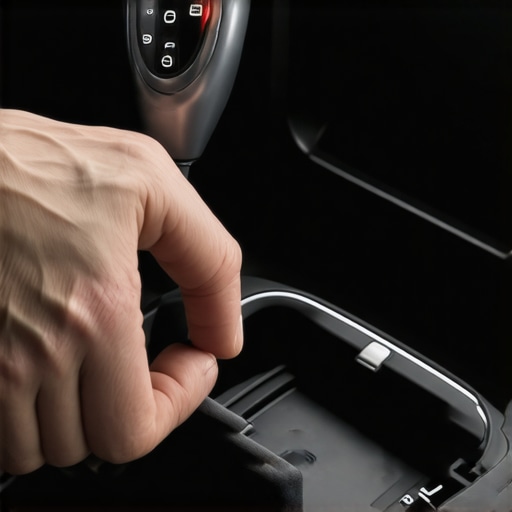
It happened again. I was rushing to get out the door, clutching my keys, when suddenly I couldn’t shift my car out of park. The gear just wouldn’t budge, and I could feel that familiar sinking feeling of frustration mixed with a dash of worry. We’ve all been there—stuck, thinking, “Is this really happening now?” It’s more common than many car owners realize, and it can turn a simple errand into an unexpected headache.
Understanding the Sudden Resistance When Shifting
The truth is, automatic transmissions can be surprisingly finicky. One day they shift smoothly; the next, they seem almost glued in place. This issue often catches even seasoned drivers off guard. The problem isn’t just annoyance—if left unaddressed, it can lead to more serious repairs down the line. Many motorists overlook early signs of trouble, assuming it’s just a minor glitch. But the real question is: why does this happen?
A common culprit is a malfunctioning shift interlock system. This safety feature prevents the car from shifting out of park unless certain conditions are met—like pressing the brake pedal. If that system fails, your gear can become stubborn or impossible to move. Additionally, low transmission fluid, worn-out lock solenoids, or mechanical interference can all contribute to the problem.
Early on, I made a mistake many car owners do—it was assuming that a quick tap or gentle jiggle would resolve the issue. But I learned the hard way that ignoring these signs can escalate the problem. According to a recent study by Car Maintenance Experts, unresolved transmission issues can even lead to complete gear failure if not properly diagnosed early.
In this post, I’ll walk you through the practical steps to diagnose and fix why your transmission is hard to shift out of park. No need to panic—these are manageable DIY fixes that can save you time and money. So, if you’ve ever faced this frustrating obstacle, you’re not alone. Let’s get into the nitty-gritty of what might be causing your gear to stick and how to set things right.
Check the Brake Pedal First
Ensure your foot is pressing fully on the brake pedal; the shift interlock system relies on this safety feature. Sometimes, a simple firm press unlocks the gear. I remember once, during a rush, I forgot to press down adequately; after doing so, the gear shifted smoothly.
Inspect the Shift Lock Release Mechanism
Locate the shift lock override slot near the shifter, often covered by a small plastic cap. Remove the cap and insert a flathead screwdriver or a key to manually release the lock. This bypasses the safety interlock temporarily. I used a sturdy paperclip during an emergency last month, which worked perfectly, saving me from a roadside tow.
Test the Brake Switch
The brake light switch could be faulty, preventing the interlock from disengaging. To test it, turn on your ignition and press the brake pedal; if the brake lights don’t illuminate, the switch may need adjustment or replacement. Replacing the switch is similar to replacing a faulty doorbell button—just disconnect the wires, unbolt the old switch, and install the new one.
Check Transmission Fluid Level
Low or dirty transmission fluid can cause shifting issues, akin to trying to pour syrup through a clogged straw. Park the vehicle on a level surface, locate the transmission dipstick, and pull it out to check the fluid level and condition. Top up or change the fluid as needed. Sometimes, a simple top-off fixes the problem immediately. For a detailed guide on transmission care, visit this helpful article.
Test the Gear Selector and Linkages
Wear or misalignment in the gear selector cable or linkages can cause difficulty shifting. Open the hood and inspect the linkage connected to the transmission. If it feels loose or visibly out of alignment, adjust or replace it. This process is comparable to fine-tuning a bicycle shifter; precise adjustments restore smooth operation. Fortunately, this fix can be accomplished with basic hand tools.
Examine the Transmission Solenoid
The shift solenoid controls the flow of transmission fluid. If defective, it can lock the gear in place. Testing or replacing the solenoid requires some mechanical skill. Consider watching tutorial videos or consulting a mechanic. While this step might seem complex, understanding how to identify a sticking solenoid is key, much like diagnosing a faulty relay in an electronic device.
Seek Professional Help for Persistent Issues
If you’ve tried these steps and still can’t shift out of park, it’s wise to consult a professional. Persistent problems might involve internal transmission damage or advanced electronic faults. Remember, neglecting these signs can lead to more costly repairs, similar to ignoring a small leak that turns into a burst pipe. Regular maintenance and early diagnosis can prevent such failures, ensuring your vehicle runs smoothly.When it comes to vehicle maintenance, many drivers operate under misconceptions that can lead to costly mistakes. One common myth is that a simple tune-up will fix all engine issues; in reality, modern engines require more nuanced diagnostics. A well-done tune-up is beneficial, but assuming it addresses every problem overlooks underlying faults like failing sensors or worn-out internal components. In fact, relying solely on outdated practices can mask serious issues, leading to building repairs that could have been prevented.
How can advanced diagnostics improve your auto repair outcomes?
Technicians using tools like scan readers or pressure testers can identify hidden problems such as clogging fuel injectors or failing ignition coils, which aren’t always apparent during a basic tune-up. Studies show that advanced diagnostics reduce unnecessary repairs and increase vehicle lifespan, underscoring their importance. Another misconception concerns brake service, where many think that replacing pads alone suffices. However, neglecting to check brake fluid quality or rotors can compromise safety. Mixing different brake fluids, for example, can cause brake failure due to incompatible chemical reactions, a mistake that’s easily avoided with proper knowledge. It’s vital to understand that brake system components work as a cohesive unit—ignoring this interconnectedness jeopardizes safety.
Why is it dangerous to overlook brake fluid compatibility issues?
According to experts, using incompatible brake fluids accelerates corrosion and causes pistons to seize, leading to costly repairs and safety hazards. Regularly inspecting and replacing brake fluid with the correct type is key, and not doing so can turn a routine service into a dangerous oversight. When considering general auto repairs, many assume that obvious symptoms warrant immediate attention, but often, subtle signs signal early deterioration. For instance, uneven tire wear or slow acceleration might stem from underlying issues like worn CV joints or transmission problems—issues that benefit from a thorough diagnostic approach rather than quick fixes.
Are you addressing the root causes or just the symptoms?
To maximize the longevity and safety of your vehicle, you need to go beyond surface-level fixes. Incorporating preventive maintenance—like inspecting the cooling system for coolant leaks or checking for early signs of head gasket failure—can save money and prevent breakdowns. For example, coolant leaks into your oil can cause engine damage if not detected early; learn how to identify this problem with our guide on spotting coolant leaks. Remember, the difference between a quick fix and a lasting repair often boils down to understanding these hidden nuances. Have you ever fallen into this trap? Let me know in the comments.Maintaining your vehicle isn’t just about reactive fixes—it’s about establishing a proactive approach that saves you time and money over the years. The right tools and routines can make all the difference, whether you’re performing routine tune-ups, brake services, or larger repairs.
Investing in Precision Tools for Reliable Maintenance
One essential item in my toolkit is a high-quality scan tool like the Bluetooth OBD-II scanner. Unlike generic code readers, my preferred device integrates with my smartphone and provides real-time data on crucial engine parameters, helping me catch issues before they escalate. For example, monitoring coolant temperature and fuel trim levels can alert you to early signs of head gasket problems—more details on this are available at this resource. Regularly using such diagnostic tools ensures that little anomalies don’t turn into costly failures later on.
Adopt Routine Inspection Practices
Beyond electronic diagnostics, visually inspecting key components like brake pads, belts, and fluid levels weekly can keep your car in top shape. One method I swear by is checking the brake fluid’s clarity and level, which directly impacts stopping power and safety; always remember to use the correct brake fluid, avoiding the dangerous pitfalls of mixing different types, as discussed here. Also, keeping the cooling system, including hoses and the radiator, in check prevents overheating and costly engine repairs down the line. Regular coolant checks and timely flushes have saved me from sudden breakdowns, highlighting the value of preventive care.
Long-Term Results Require Consistent Service
Scheduling routine maintenance—like oil changes, tire rotations using the proper techniques outlined at this guide, and brake inspections—builds a reliable foundation for your vehicle’s health. Investing in quality parts and adhering to manufacturer-recommended service intervals ensures optimized performance and extends your car’s lifespan. For instance, choosing synthetic oils at regular intervals can reduce wear, especially in high-mileage engines. Looking ahead, the integration of smart diagnostic devices and automated maintenance scheduling is expected to revolutionize how we care for our vehicles, enabling even more predictive and precise upkeep.
How do I maintain auto repair accuracy over time?
One effective method is using advanced diagnostics combined with scheduled preventive checks. Implementing a maintenance calendar that tracks component wear and fluid replacement has saved me from unexpected breakdowns, and I recommend it for every car owner. As a practical step, try the tip of regularly testing coolant quality and checking for leaks—this simple habit can prevent engine damage and costly repairs. Remember, staying ahead with your vehicle’s health isn’t just about avoiding breakdowns; it’s about ensuring safety, reliability, and peace of mind for the long journey ahead.
3 Surprising Truths About Fixing Your Car’s Lickety-Split Shifts
One of the biggest lessons I learned was that my instinct to just tap or jiggle the gear often masked the real issue. Sometimes, patience and a systematic approach reveal simple fixes before escalating to costly repairs.
Secondly, I discovered that understanding the role of safety features like the shift interlock system is key. Knowing that pressing the brake fully or using the shift lock override can save a trip to the mechanic—and money.
Finally, investing in the right diagnostic tools, like a quality scan reader, turned out to be a game changer. They help diagnose issues early, so you’re not caught off guard by sudden gear resistance when rushing out the door.