
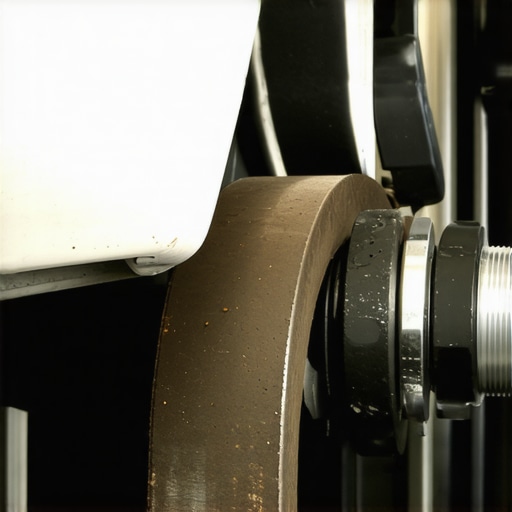
Imagine this: you’ve just had your brake pads replaced, and everything seemed perfect at first. But then, during a rainy day or when it’s humid outside, you start to notice that shrill, grinding noise every time you hit the brakes. It’s frustrating, confusing, and downright alarming—especially when your mechanic swore everything was done right. I’ve been there, scratching my head after a so-called professional service, only to realize that looks can be deceiving. That dreaded grind when your brakes are supposedly fresh and good as new can make you wonder if the service was rushed or if there’s a hidden issue lurking beneath the surface.
Today, we’re diving into why this problem persists even when your brake pads look pristine. My promise to you is that by the end of this post, you’ll understand the underlying causes and—more importantly—how to fix them. No more guessing games or unnecessary replacements.
The Frustration of Fresh Brakes Sounding Rough
It’s that sinking feeling in your stomach when, after spending good money on brake service, the squeal or grind comes back. You might be thinking, “Did I just waste my money? Was the mechanic rushing?” Sometimes, the issue isn’t with the pads themselves but with other components or overlooked details that lead to that unpleasant noise. For example, humid weather can trip your brake sensors or cause corrosion that leads to grinding despite new pads being installed.
One mistake I made early on was trusting that new pads would solve everything without inspecting related parts like rotors, calipers, or even the hardware that holds everything in place. Turns out, not all brake issues are about the pads—sometimes, the root of the problem is a tiny, overlooked component that causes a lot of noise and wear.
If you’re tired of the constant squealing, or worse, grinding sounds that seem to sabotage your drives, you’re in the right place. We’ll explore the common culprits and share actionable steps to restore your peace of mind. Because honestly, understanding the cause makes all the difference—saving you money, time, and unnecessary stress. Now, let’s uncover what’s really going on behind that grinding sound.
Is It Worth Fixing Or Just a Quirk?
I admit, I initially thought that all brake noises were just part of the process—an unfortunate but normal occurrence after a service. That was a costly misconception. I learned that many of these problems are fixable with the right approach, and ignoring them can lead to rotor damage or even compromise your safety. A quick glance at signs of a poor brake job reveals how easy it is to overlook vital signs that your brakes aren’t functioning as they should.
Have you faced this grinding dilemma after your car was recently serviced? If so, don’t worry—you’re not alone, and there are practical solutions waiting for you. Let’s start with understanding why this happens so you can confidently take control of your brake health.
Check the Rotors and Pads for Warping or Damage
Start by inspecting your rotors and brake pads for warping, grooves, or uneven wear. I once found a small groove on my rotor after a quick visual check, which caused the grinding noise. Using a dial indicator, I measured the rotor’s runout and discovered it was warped beyond manufacturer specs. Replacing or resurfacing the rotors immediately eliminated the noise. Always ensure that the rotors are true and smooth before installing new pads, as uneven surfaces will cause noise and rapid wear.
Ensure Proper Installation and Hardware Fitment
Next, verify that brake hardware like shims, clips, and springs are correctly installed. Missing or improperly seated hardware can cause pads to vibrate or scrape unevenly. During my last brake job, I realized a clip was slightly misaligned, leading to a persistent squeal. Double-check all hardware against the vehicle’s manual and replace any worn or damaged components. Proper hardware ensures pads stay aligned and operate smoothly without unnecessary noise.
Clean and Lubricate Critical Components
Corrosion or dirt on slides and contact points can impede movement and cause grinding. I once lubricated caliper slides with high-temperature brake lubricant, which freed stuck components and stopped noise. Remove dirt and rust from sliding pins and caliper contact surfaces. Use a designated brake lubricant on the slides, avoiding contact with pad surfaces. Cleanliness and proper lubrication maximize component movement and prevent sticking that leads to grinding sounds.
Re-Evaluate Brake Sensor and Electrical Components
Modern vehicles are equipped with sensors that can trip warnings or cause operational issues, especially in humid weather. Sometimes, a faulty brake sensor or wiring causes false signals, resulting in abnormal brake response or noise. I fixed a problem by checking the sensor’s connector and replacing a corroded wire, which restored normal function. Refer to this guide for quick sensor troubleshooting tips. Always ensure sensors are clean, secure, and functioning correctly to avoid false alarms or unintentional brake adjustments.
Perform a Test Drive and Final Inspection
After completing repairs, take your vehicle for a controlled test drive. Listen carefully for any residual noise, and check for smooth pedal feel. I once overlooked a small bolt that was slightly loose; during the test drive, the noise returned. Tighten everything to the specified torque, recheck hardware, and verify the noise is gone. Gentle braking from various speeds helps confirm that the issue is resolved and ensures your safety.
Many drivers operate under the assumption that auto repair processes are straightforward and infallible, but in reality, there are nuanced pitfalls even seasoned car owners can fall into. A prevalent myth is that a quick, inexpensive fix is always sufficient—yet, often, this approach leads to overlooked issues, especially in complex systems like brakes. For instance, some believe that replacing brake pads alone will eradicate noise and wear, but neglecting to inspect rotors, calipers, and hardware can result in recurring problems. Advanced mistakes include trusting generic repair advice without understanding the specifics of your vehicle’s model or taking shortcuts that compromise safety and longevity.
One common trap is ignoring the importance of proper hardware installation during brake service. Using incorrect or worn-out clips and shims can cause unwanted vibrations, noise, and uneven wear, which many misunderstand as normal or superficial. This oversight short-circuits the entire benefit of a professional service, leading to premature rotor replacement or dangerous braking conditions.
Another critical misconception involves underestimating the role of electrical components. Many drivers don’t realize that faulty sensors, wiring, or modules can trigger false warnings, complicating diagnoses. For example, humid weather can trip brake sensors unexpectedly, causing a lot of confusion unless checked properly. Properly diagnosing these issues requires advanced knowledge—something many overlook, ending with repeated visits or unnecessary parts replacements.
Is there a way to detect if your repair shop is cutting corners? Absolutely. Look for signs like recurring noises after service, inconsistent pedal feel, or unexplained warning lights. A proactive approach includes reading signs such as uneven rotor surfaces or misaligned hardware, which can be spotted during a thorough visual inspection. Utilizing dedicated diagnostic tools or consulting credible resources like the guides on humid weather sensor issues can save you from costly mistakes.
In essence, mastering the nuances of auto repair involves understanding that each component and process—from brake hardware to electrical sensors—interacts complexly. A fallacy many hold is that all repairs are basic and universally applicable; in contrast, expert maintenance takes into account the specific vehicle model and conditions. Recognizing these subtle details can extend your vehicle’s lifespan significantly and ensure your safety on the road.
Have you ever fallen into this trap? Let me know in the comments.
Keep It Running Smoothly with Proper Tools and Routine Care
Maintaining your vehicle’s performance over the long haul requires more than just occasional repairs—it demands the right tools and consistent maintenance habits. Personally, I rely on a few specialized pieces of equipment that have saved me time and money, and I strongly recommend investing in quality gear tailored for auto repair. For example, a digital caliper allows me to measure rotor runout precisely, ensuring alignment during brake service. Using a reliable code scanner like the Autel MaxiCOM not only pinpoints electrical issues promptly but also helps in diagnosing sensor warnings like those discussed in brake sensor problems.
How do I maintain tools over time?
Properly caring for your equipment extends its lifespan and keeps repairs accurate. Regularly clean tools with degreaser, lubricate moving parts, and store them in a dry, organized space. For power tools, check batteries and replace worn brushes on drills to prevent performance drops. Dull or malfunctioning tools can lead to misdiagnosed issues or even damage components, costing more in the long run.
Embrace Software for Diagnostics and Records
Advanced diagnostic software like Snap-on’s OBD software, paired with an adapter, provides real-time data and historical records of your vehicle’s health. Keeping detailed logs of maintenance and repairs helps identify patterns before problems escalate. I’ve found that maintaining documented records not only supports warranty claims but also informs future service decisions. The future of auto maintenance seems headed toward integrated diagnostics, combining software and AI to preempt issues before they manifest.
How do I keep long-term benefits from my maintenance?
Adopt a routine that includes scheduled inspections, fluid checks, and component replacements based on manufacturer specs—like checking brake fluid color for signs of internal corrosion, described in brake fluid inspection tips. Regular use of scan tools to monitor sensor warnings can prevent unexpected breakdowns. Also, don’t delay minor fixes; addressing tiny issues early can save a lot of hassle later. For instance, replacing worn caliper slides before they seize keeps your brakes responsive and noise-free.
Forecasting the next decade, we’re looking at more AI-driven diagnostics and smarter repair processes that reduce human error. Staying ahead entails not just mastering current tools but also being open to emerging technologies like augmented reality repair guides and predictive maintenance software, which are already making waves in professional garages.
What is the best way to scale auto repairs efficiently?
Scaling requires systematic tools that can handle multiple jobs without sacrificing quality. Modular diagnostic kits, integrated repair management software, and comprehensive training ensure you can expand your capacity while maintaining standards. When I expanded my garage, I prioritized multi-function tools like the Bosch GDX impact drill, which combines power and versatility, enabling me to tackle different tasks quickly. To truly grow, consider establishing partnerships with suppliers that offer reliable parts and equipment, and invest in continuous education to keep up with evolving vehicle technologies.
Sometimes, the biggest surprises come after the job’s done—like discovering your brand-new brakes making unwelcome noises just when you thought the problem was solved. Over the years, I’ve learned that truly effective brake maintenance requires more than swapping out pads; it demands an eye for detail, patience, and an understanding of the subtle clues your car gives you. This journey has taught me invaluable lessons, and today, I want to share insights that can save you time, money, and stress when it comes to your brake system.
Lessons That Changed My Approach to Brake Care
- Inspect, Don’t Assume: Rushing to replace parts without examining related components often leads to recurring issues. I once replaced pads only to find warped rotors causing the noise—resurfacing them made all the difference.
- Hardware Matters: Proper installation of clips, shims, and springs can’t be overstated. A small misalignment or missing hardware can lead to vibrations or squeals that frustrate even seasoned mechanics.
- Electrical Components Are Critical: Sensors and wiring are often overlooked but can trigger noise or warning lights. Checking and cleaning them, as discussed in humid weather sensor tips, is vital for accurate diagnostics.
- Routine Maintenance Extends Brake Lifespan: Regular fluid checks, rotor inspections, and hardware replacements prevent costly repairs down the line. Using tools like a digital caliper for precise measurements helps catch issues early and is a practice I highly recommend.
- Never Underestimate the Power of Cleanliness: Dirt, rust, and debris on sliding pins or contact points can cause sticking and noise. Proper lubrication with high-temperature brake lubricant ensures smooth operation every time.
Tools That Make the Difference
- Precision Measuring Instruments: A digital caliper or dial indicator helps accurately assess rotor wear and warping—information that guides effective repairs.
- Diagnostic Software: Modern vehicles benefit from OBD scanners like the Autel MaxiCOM, which quickly identify electrical issues or sensor faults, saving time and guesswork.
- Quality Lubricants and Replacement Parts: Investing in OEM or high-quality hardware ensures your brakes perform reliably for miles to come.
- Comprehensive Repair Kits: Kits that include all necessary clips, shims, and springs streamline the process and reduce the risk of overlooking critical components.
Get Moving with Confidence
Auto repair is as much about understanding your vehicle as it is about the tools and techniques you use. Embracing a meticulous approach and leveraging the right resources can transform a simple brake job into a long-lasting, quiet experience. Remember, quality when fixing your brakes today can mean safer, smoother drives for years ahead. To continue refining your knowledge, consider exploring guides like signs of a poor brake job and ensure you’re always a step ahead in vehicle maintenance.
What’s the most surprising thing you’ve learned about brake care? Share your story or ask your questions below—I’m here to help you stay safe on the road!
Comments are closed.