

Have you ever opened your car door after leaving it parked in the scorching sun and been hit with an unpleasant, gasoline-like odor? I remember the first time it happened to me — I was perplexed and a little worried. It was a hot summer day, and I thought maybe I spilled some fuel, but nothing seemed out of place. Yet, the smell persisted, making every trip uncomfortable. That lightbulb moment made me dig into the causes, and I realized I wasn’t alone in this frustrating experience.
Understanding Why Your Car Smells Like Gas in the Sun
Could it be a simple venting issue or something more serious?
In my early days of auto repair mishaps, I made the mistake of ignoring this odor, thinking it was just a case of hot weather. Later, I learned that such smells can be linked to fuel evaporation or leaks, especially when your car heats up in the sun. The truth is, gasoline fumes can seep into the cabin through small leaks or evaporate from the fuel system, creating a noticeable odor. Not only is this unpleasant, but it can also pose safety risks, as gasoline vapors are highly flammable. The good news is, identifying the real culprit is often simpler than you think, and addressing it could protect you and your loved ones from potential hazards.
It’s worth noting that according to automotive experts, evaporative emissions — the release of gas vapors from your fuel system — become more noticeable in hot weather because higher temperatures increase vapor pressure (source: EPA). So, if your car starts smelling like gas after sitting in the sun, it’s a sign that something might be amiss within the fuel system or its seals.
What We’ll Cover Today
Don’t worry, I’ll guide you through the most common causes of this issue and, more importantly, how to fix them. We’ll discuss easy visual inspections, when to seek professional help, and some practical tips to prevent this smell from returning. If you’ve been wondering whether this gas smell is just a nuisance or a sign of something dangerous, stick around — we’re about to clear the air, literally and figuratively.
Inspect for Visible Signs of Fuel Leaks
Start by placing your vehicle in a well-lit, flat area and pop the hood. Look for any signs of wetness, stains, or corrosion around fuel lines, the fuel injectors, and the fuel filter. Use a flashlight to check hard-to-see areas. Remember, a tiny leak can emit enough vapors to cause a noticeable smell, especially under the sun’s heat. I once found a small crack in my fuel line after noticing a faint smell; replacing it immediately prevented potential fire hazards.
Verify the Condition of Fuel Cap and Seals
Next, examine the fuel cap for tightness and integrity. A loose or damaged cap can release fuel vapors into the atmosphere. Remove the cap and inspect the rubber seal for cracks or wear. When I replaced a faulty gas cap, the odor disappeared within a day. Ensuring the cap seals tightly keeps vapors contained and reduces smell issues. For more detailed guide, visit this article on vacuum leaks.
Check the Evaporative Emission Control System (EVAP)
The EVAP system prevents fuel vapors from escaping into the environment. Inspect the EVAP canister and hoses for cracks, disconnections, or damage. A common culprit is cracked hoses, which can lead to leaks. I once found a disconnected hose during a standard inspection, which cured my smell problem instantly. Reconnecting or replacing faulty hoses restores proper vapor containment. When dealing with complex components like the EVAP system, consider professional diagnosis if you’re unsure.
Test for Vapor Leaks Using Soapy Water
Mix soap with water and apply it to fuel lines and connections. Have a helper start and rev the engine slightly while you watch for bubbles, which indicate escaping vapors. This simple test saved me from replacing parts unnecessarily; I spotted bubbling at a loose clamp and secured it. Regularly performing this check can help identify minor leaks early, preventing bigger problems.
Monitor the Fuel System Pressure
Use a fuel pressure gauge to check if your fuel pressure is within the manufacturer’s specifications. Low pressure can cause vapor leaks and poor fuel delivery, leading to odors. I once borrowed a gauge from an auto parts store and tested my system, discovering a faulty fuel pressure regulator. Replacing it eliminated the smell and improved performance. This step helps pinpoint internal issues that aren’t visible externally.
Prevent Future Odors with Regular Maintenance
Schedule routine inspections of your fuel system, including seals, hoses, and the gas cap. Consider replacing old or brittle components proactively, especially before summer or after noticeable smell increases. Applying sealant or replacing aged parts prevents leaks from forming. For an extra layer of protection, check your tire pressure regularly and ensure your tires are balanced, since uneven wear can sometimes contribute to fuel system stress.
Seek Professional Help When Necessary
If after these checks the gas smell persists, it’s best to consult a qualified mechanic. They can perform advanced diagnostics like smoke testing to identify hidden leaks or defective components. Addressing these issues promptly not only eliminates odors but also enhances your vehicle’s safety and efficiency.
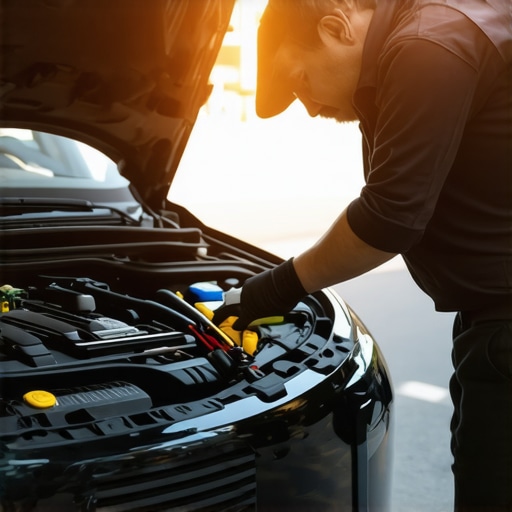 Many car owners believe that a simple oil change or brake pad replacement suffices for vehicle maintenance. However, misconceptions about routine auto service often lead to overlooked issues and costly damages. For example, a prevalent myth is that more frequent oil changes always mean better engine health, but in reality, manufacturers specify intervals based on oil type and driving conditions. Overchanging oil can increase emissions and waste resources, highlighting the importance of understanding your vehicle’s needs. Additionally, many overlook the significance of proper brake pad bedding, which ensures optimal performance and longevity. Ignoring subtle signs like vibrations or pulsations can escalate into severe problems, especially if overlooked during regular brake service. These advanced mistakes are often traps—skipping detailed diagnostics or relying solely on visual inspections without proper tools can cause misdiagnoses. According to automotive experts, conducting comprehensive diagnostics, including checking for uneven tire wear or subtle wheel vibrations, provides a deeper understanding of underlying issues. Have you ever fallen into this trap? Let me know in the comments. Knowing the nuances of auto repair empowers you to make informed decisions, saving money and enhancing safety. For example, inconsistent brake performance might seem minor, but it can indicate issues with brake fluid quality or caliper function—factors that can be missed without detailed attention. Regular professional inspections that include checking for worn suspension components or uneven tire wear can prevent dangerous situations. In essence, understanding these hidden nuances transforms routine maintenance into proactive vehicle care, extending your car’s lifespan and ensuring safety on every trip.
Keep It Running: My Favorite Maintenance Tools and Techniques
Maintaining your vehicle over the long haul requires the right equipment and a systematic approach. As a car enthusiast and seasoned mechanic, I’ve found that investing in quality tools not only saves time but also ensures safety and precision in repairs. The first step is to assemble a tailored toolkit that caters to everyday maintenance and unexpected issues alike.
One essential tool I rely on heavily is a digital code scanner. I recommend the BlueDriver Bluetooth Professional OBD2 Scan Tool because it offers comprehensive diagnostics, including real-time data and ABS/SRS codes. This device helps me identify issues early, such as faulty sensors that could lead to reduced fuel efficiency or unsafe driving conditions, like a misfiring engine. Regular diagnostics can prevent minor problems from escalating and keep your vehicle performing smoothly.
Next, a precision multimeter is invaluable. I use the Fluke 115 Digital Multimeter for testing electrical components, checking battery voltage, and verifying continuity in circuits. Proper electrical diagnostics are crucial for problems like mysterious dimming dashboard lights or headlights flickering, which may indicate failing alternators or wiring faults. Maintaining electrical health extends your car’s lifespan and reduces unexpected breakdowns.
In addition, a quality tire pressure gauge such as the Vondior Tire Pressure Gauge ensures your tires are correctly inflated, which impacts safety, fuel economy, and tire longevity. Also, invest in a mechanic’s creeper; I prefer the Sunex Tools HD-001 because it makes working under your car comfortable and safe. Routine inspections like checking for leaks or worn suspension parts become easier and more thorough, reducing the chances of costly repairs later.
On the software front, I swear by Autel diagnostic software for advanced online updates and system recalibrations. These tools help when dealing with complex issues such as alignments affecting your steering or transmission behaviors, ensuring the vehicle’s systems are calibrated perfectly after repairs.
Looking ahead, the trend leans toward smarter diagnostics with AI-powered tools and integrated vehicle health monitoring systems. These innovations will automatically alert you of impending failures and suggest preventive maintenance, which will revolutionize how we care for our cars.
How do I maintain my car’s systems over time?
The key is regular check-ups paired with the right diagnostic tools. Schedule routine inspections for fluids, brakes, and suspension components, using devices like a brake fluid tester or a coolant tester. Don’t forget that software updates for your vehicle’s ECU can improve performance and fix potential issues upfront. For example, regularly updating your vehicle’s software can prevent problems like engine misfires or uneven shifting, keeping your car reliable and safe.
Try integrating a scheduled diagnostic scan once every few thousand miles to catch issues early. According to automotive experts, preventative maintenance equipped with reliable tools is the best way to avoid costly repairs and ensure your vehicle runs as smoothly as the day you bought it. Remember, maintaining your car isn’t just about fixing things when they break—it’s about proactive care that pays off long-term.
The Lessons Hidden in Every Smell
Over the years, I’ve come to realize that small details, like a faint gasoline smell after parking in the sun, often hold bigger clues about your vehicle’s health than we initially think. I once ignored this odor, brushing it off as just a hot day quirk, only to face a costly repair later. That experience taught me to trust my instincts and dig deeper—an approach I now recommend to every car owner. Remember, a subtle smell might seem minor but can be an early warning sign of underlying issues, and catching them early can save you both money and safety risks.
Second, I learned that regular inspections and understanding how your fuel system functions can prevent panic moments on the road. The more you educate yourself about these signs, the better equipped you’ll be to deal with unexpected car quirks. Finally, embracing proactive maintenance over reactive fixes is the secret sauce—your car will last longer, run smoother, and be safer for you and your loved ones.
Tools and Tips That Changed My Approach
For anyone serious about maintaining their vehicle, investing in a quality diagnostic scanner like the Autel system has been a game-changer. It helps me spot issues well before they manifest as smells, vibrations, or performance hiccups. Also, I rely on tools like a brake fluid tester and a good flashlight to approach inspections confidently. Remember, using simple methods such as soapy water checks can reveal leaks without costly diagnostics, empowering you to address problems early. And never underestimate the value of a reliable fuel cap—something simple like a worn seal can be the culprit behind persistent odors. Trust these tools; they’re your first line of defense against unexpected surprises.
Keep Your Car in Peak Condition and Your Mind at Ease
The journey to a safer, more reliable vehicle starts with curiosity and action. Regularly monitoring your fuel system, implementing small but effective checks, and embracing the right tools can dramatically reduce risks associated with gas odors. As technology advances, I believe that future innovations will make preventive care even more accessible—imagine AI-powered diagnostics that alert you long before a smell appears. Until then, stay proactive, stay informed, and don’t hesitate to seek professional help when needed. Your car—and your peace of mind—will thank you for it.
Behind Every Smell Lies a Lesson About Car Care
- Don’t dismiss minor odors: They often signal bigger issues that won’t wait. My experience with the cracked fuel line taught me the importance of early detection.
- Use the right diagnostic tools: High-quality scanners and simple checks save money and headaches. Trust me—skipping these can lead to costly repairs down the road.
- Embrace proactive maintenance: Regular inspections, even when your car seems fine, can prevent surprises. Think of it as investing in peace of mind.
My Go-To Resources for Auto Maintenance Wisdom
- Autel Diagnostic Systems: For comprehensive vehicle health insights, this tool keeps me one step ahead.
- Brake Fluid Testers: Simple but effective for maintaining safe brakes and engine health.
- Car Maintenance Guides: These articles have saved me from unnecessary repairs and improved my understanding of vehicle systems.
- Vehicle Diagnostics: Knowing how to interpret subtle cues helps prevent bigger problems.
Your Next Step Toward Confident Car Ownership
Understanding the nuances of your vehicle can turn an unsettling gas smell into an opportunity for learning and empowerment. Every inspection is a chance to connect more deeply with your car, ensuring your journeys are safe and smooth. The future promises smarter diagnostics and more user-friendly tools—embrace these innovations, but always keep that curious and proactive spirit alive. You’re not just maintaining a machine; you’re safeguarding your daily adventures and loved ones. So, go ahead—take that first step today, and enjoy the peace of mind that comes with being a prepared and informed car owner.