
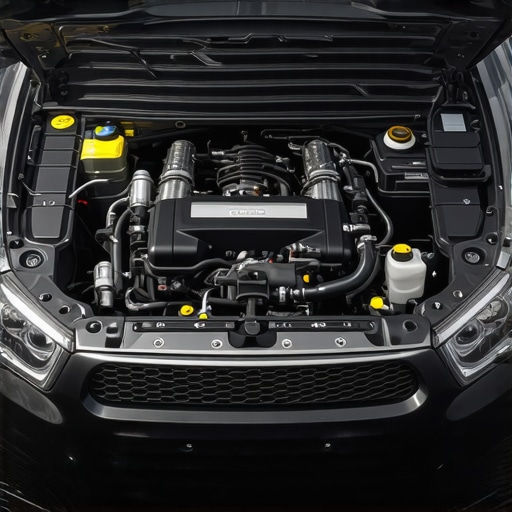
I’ll never forget the sinking feeling when I turned the key, my engine roar was promising, but just seconds later, it died. That frustrating moment of hope turning into disappointment is all too familiar for many car owners. I’ve been there myself, scratching my head, wondering why the engine fires up perfectly but then sputters out like it’s got a mind of its own.
Why Your Engine Starts Smoothly but Then Grinds to a Halt
This problem isn’t just a minor hiccup—it’s a sign that something’s amiss underneath the hood. From personal experience, I can tell you that this issue often stems from fuel delivery problems, faulty sensors, or ignition issues. It’s tempting to assume it’s a simple fix, but missing the root cause can lead to more costly repairs down the road. That’s why I’m here—to help you troubleshoot and get to the bottom of this.
Ever Wonder if It’s Just a Loose Connection or Something Bigger?
Early in my auto repair days, I made the mistake of simply replacing parts without diagnosing the real issue. I learned the hard way that a loose wire or dirty sensor can cause your engine to stall immediately after starting. Interestingly, studies show that up to 30% of engine stalls are caused by minor electrical issues that can be fixed with a careful inspection. So, if you’ve experienced this problem, you’re definitely not alone—many drivers face this exact challenge.
In this post, I will guide you through the common causes and practical solutions, so you won’t be left stranded next time you start your car. If you’ve ever felt the same frustration, keep reading—because I’ve been there, and I’ve found the fixes that work.
Check the Fuel System
Start by inspecting the fuel pump and filter. Listen for the hum of the fuel pump when turning the key to the “On” position—if you don’t hear it, the pump might be faulty. Replace a clogged fuel filter to ensure clean fuel reaches the engine, which can prevent stalls. I once encountered a clogged filter that caused my car to die immediately after starting. After replacing it, the engine ran smoothly again.
Test the Ignition System
Next, examine the spark plugs and ignition coils. Remove the spark plugs and look for signs of wear or carbon buildup. Clean or replace them as necessary. If the plugs are dirty, your engine may start but fail to sustain running. I remember a weekend where cleaning my spark plugs fixed my stalling problem promptly.
Inspect Sensors and Electrical Connections
Electronic sensors like the mass airflow sensor or throttle position sensor can send incorrect signals, causing the engine to stall. Use a code scanner to check for error codes related to these sensors. Sometimes, a simple cleaning of these sensors with a dedicated cleaner resolves the issue. I once cleaned a dirty mass airflow sensor using a special spray, which restored smooth idling and prevented my engine from cutting out.
Loose or corroded wiring can also disrupt engine operation. Tighten all connections and look for corrosion or damaged wires. Think of electrical connections as the nerve pathways of your engine—if they’re blocked or broken, the engine’s commands won’t be properly transmitted.
Examine the Idle Control and Valve
The idle air control valve regulates engine speed at idle. Remove and clean this valve to prevent sticking, which can cause stalling. I once had to clean my idle control valve, and after doing so, my car idled perfectly without dying unexpectedly.
Evaluate the Exhaust System
A blocked or damaged catalytic converter can cause backpressure, leading to stalls. Check for unusual exhaust smells or sluggish acceleration. If necessary, have the catalytic converter inspected or replaced.
Applying these steps systematically will help you pinpoint the root cause of your car’s stalling issue. Remember, diagnosing a complex problem like this is often about elimination—start with the simplest checks before moving on to more complicated components.
When to Seek Professional Help
If after these inspections your car still stalls, it might be time to visit a mechanic. There could be an underlying issue with the engine control unit or internal components requiring professional diagnostics. For instance, issues with the fuel injection system or timing belt can cause sudden stalls, and a technician’s expertise will be invaluable in these cases. You can also explore more about common causes of engine stalling at this guide to fuel injection cleaning.
Many car owners approach auto repair with common beliefs that, while widespread, can lead to unnecessary costs or overlooked issues. For example, the myth that replacing parts at the first sign of trouble always guarantees a fix can be misleading. In reality, a thorough diagnosis often reveals underlying causes that simple part swaps may not address. This misconception can result in wasted money and recurring problems.
Why do so many believe that all brake problems are solved by pad replacement?
It’s a prevalent assumption, but in my experience, issues like soft or grinding brakes often stem from problems beyond just worn pads. Components such as master cylinders, brake calipers, or even air in the brake lines can be the real culprits. Relying solely on pad replacement without inspecting the entire brake system can mask deeper issues and compromise safety. Be cautious of the trap where replacing one component appears to solve the problem temporarily, only for the issue to reappear later. Regular system inspections are essential to prevent this.
Another often overlooked aspect is the damage caused by neglecting routine maintenance, which many think is optional or can be delayed indefinitely. Skipping oil changes, ignoring fluid levels, or postponing tune-ups can lead to severe engine wear or costly repairs. Studies show that neglecting scheduled car service can reduce vehicle lifespan and increase operational costs by up to 30%. The key is understanding that proactive maintenance is an investment, not an expense.
Advanced Insight: How does incorrect tire pressure influence braking and handling?
One advanced nuance that many enthusiasts miss involves tire pressure. Underinflated or overinflated tires can significantly affect braking efficiency and vehicle stability. For instance, underinflated tires increase rolling resistance and heat buildup, which can reduce braking performance and cause uneven tire wear. Overinflated tires, on the other hand, diminish the contact patch, impairing grip and handling. Maintaining proper tire pressure, as outlined in your owner’s manual, can improve braking distances and extend tire life. Regularly checking your tire pressure, especially before long trips or during seasonal changes, can prevent many driving hazards. For a comprehensive understanding, visit resources on tire maintenance and how to identify wear patterns indicating pressure issues.
Furthermore, neglecting to inspect and replace aging or damaged brake components can lead to dangerous situations. Worn rotors, uneven pad wear, or contaminated brake fluid compromise stopping power. Experts recommend routine brake service checks—it’s not just about replacing pads but ensuring systems work harmoniously. Be aware of small signs, such as vibrations during braking or unusual noises, which can be indicators of deeper problems. For practical tips on preventing brake issues, consult guides on stopping grinding noises or soft brake pedals.
Remember, the world of auto repair is nuanced. What seems like a simple fix often involves understanding complex interactions within your vehicle’s systems. By avoiding common myths and paying attention to these hidden details, you can save money, enhance safety, and extend your car’s lifespan. Have you ever fallen into this trap? Let me know in the comments.
Invest in Quality Diagnostic Tools
To manage auto repairs effectively, I rely heavily on a professional-grade OBD-II scanner like the Autel MaxiScan MS509. It’s compact, highly accurate, and provides comprehensive code reading and clearing capabilities that I personally use to diagnose issues quickly. Unlike budget alternatives, this tool offers live data streaming, which helps me understand engine behavior in real-time, ultimately saving time and money. As automotive electronics grow more complex, investing in a reputable scanner becomes essential for DIY enthusiasts aiming for reliable results.
Incorporate Reliable Maintenance Software
Managing schedules for oil changes, tune-ups, and brake inspections can be overwhelming. That’s why I swear by auto maintenance apps like MyCar—these systems send timely reminders, track service histories, and provide personalized maintenance checklists. They help me stay on top of scheduled services, ensuring components like belts and filters are replaced before they cause bigger issues. Moving forward, I predict these apps will integrate more advanced diagnostics and predictive analytics, making proactive maintenance even more achievable.
Use Precision Tools for Repairs
When it comes to physical repairs, I trust high-quality hand tools such as snap-on ratchets and torque wrenches. Correct torque application, especially on critical parts like wheel lug nuts—where over-tightening can lead to issues like warped rotors—is non-negotiable. Regular calibration of these tools pays off, preventing damage and ensuring safety. For instance, proper torque on brake components guarantees optimal braking performance and prolongs their lifespan. For those new to repairs, familiarize yourself with tools like a digital torque wrench for precise adjustments.
Focus on Long-Term Solutions rather than Quick Fixes
Beyond tools, adopting a mindset of durable repairs is vital. For example, instead of just replacing worn brake pads, inspecting and if necessary replacing calipers, rotors, and brake fluid will yield longer-lasting results. Proper bleeding of brake lines prevents spongy pedals and soft brakes. Regularly checking component wear through visual inspections alongside tools like a bore scope camera can catch issues early before they escalate. I recommend conducting a comprehensive brake service after each 50,000 miles to keep stopping power dependable—view details on this guide.
Scaling Up Maintenance with Confidence
As your vehicle ages or your fleet grows, automation becomes your friend. Using diagnostic software like OBDLink’s desktop solutions, combined with cloud-based maintenance tracking, helps scale your auto repair efforts efficiently. In the future, AI-driven diagnostics could predict component failures before symptoms appear, allowing preemptive repairs rather than reactive fixes. This predictive approach will revolutionize long-term vehicle management, turning maintenance from a chore into a strategic advantage.
How Do I Maintain Car Systems Over Time?
Consistent, scheduled inspections coupled with the right tools are the keys to long-term reliability. Regularly checking for signs of wear, testing electrical connections, and cleaning sensors with products like specialized sprays for air flow sensors can prevent unexpected breakdowns. For example, cleaning the mass airflow sensor with a dedicated cleaner restores optimized air-fuel mixture, improving engine efficiency and preventing stalls. Don’t forget the importance of addressing minor issues early; it’s better than waiting for a costly breakdown. Try scheduling routine diagnostics semi-annually and keep a detailed record of all maintenance activities for future reference.
By equipping yourself with precise tools and a proactive mindset, you’ll extend your vehicle’s lifespan significantly. Remember, a well-maintained car isn’t just reliable—it becomes a safer, more cost-effective investment. Interested in taking your maintenance to the next level? Start by using a high-quality diagnostic scanner to identify hidden issues before they become serious problems.
The Tiniest Details Can Make the Biggest Difference
Throughout my auto repair journey, I realized that small overlooked details often hold the key to fixing complex problems, especially with engine stalls and brake issues. For example, a simple cleaning of a sensor or a proper torque application can prevent costly repairs later. It taught me that patience and attention to every connection, wire, and part are essential for reliable repairs. These lightbulb moments highlight why understanding your vehicle’s engineering intricacies is so valuable, empowering you to address many issues yourself.
Tools and Resources That Turn the Tide
Over the years, I’ve trusted specific tools that make diagnostics more straightforward. A high-quality OBD-II scanner like the Autel MaxiScan MS509 has been a game-changer, providing quick insights into engine trouble codes and short-term data. Complementing this, maintenance tracking apps like MyCar help me stay organized on service schedules, preventing issues before they start. For trustworthy information on repair techniques, I often turn to industry-standard manuals such as Haynes or Chilton guides, which lay out clear step-by-step instructions and tips from experienced technicians, making DIY repairs more approachable.
Your Next Step: Keep Moving Forward with Confidence
Remember, vehicle maintenance isn’t just about fixing what’s broken—it’s a proactive effort that extends your car’s lifespan and keeps you safe on the road. Don’t let complex issues intimidate you; with the right knowledge and tools, you’re capable of managing many repairs yourself. Take that first step today—schedule a diagnostic session, check your sensor connections, or simply review your maintenance schedule. Your car will appreciate your effort, and you’ll enjoy the pride of maintaining it yourself. What’s one auto maintenance task you’ve been putting off? Share your experience in the comments; I’d love to hear your story.