
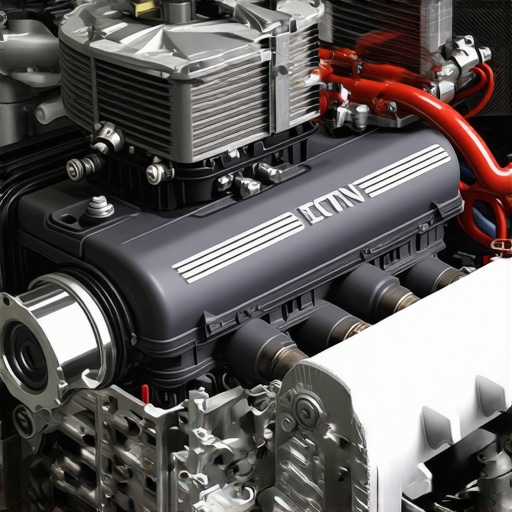
I remember the first time my car surged unexpectedly right as I hit the AC button—the engine roared, then sputtered, making my heart skip a beat. It was a hot summer day, and all I wanted was some cool relief. Instead, I got a rough start and a lingering nag—a classic sign that something’s not quite right under the hood. That moment made me realize how frustrating it is when your vehicle behaves unpredictably just because you turn on the air conditioning.
Why Does Your Car Surge When the AC Runs?
The surge happens because the engine’s load increases when the AC compressor kicks in. If your vehicle isn’t properly tuned or if there are underlying issues, this additional demand can cause the engine to stumble, hesitate, or surge. These symptoms aren’t just annoying; they can hint at deeper problems that, if ignored, might lead to costly repairs. I’ve learned firsthand that understanding why this happens is the first step to fixing it.
Have you ever experienced your engine surging whenever you turn on the A/C? If so, you’re not alone. Many drivers face this issue but remain unsure of its cause or whether it’s worth fixing. The good news is that, most of the time, these surges are fixable with some targeted maintenance—often without the need for a full rebuild.
In fact, there are a few simple tweaks and adjustments, like cleaning or replacing your idle control valve, or ensuring your air filter is in good shape, that can drastically improve your engine’s response during climate control activation. For more about how to tackle engine hesitation without a complete overhaul, check out this comprehensive guide on [engine hesitation fixes that don’t require a full rebuild](https://glassfixauto.com/4-engine-hesitation-fixes-that-dont-require-a-full-rebuild). It’s packed with actionable tips to keep your engine smooth and responsive.
Early on, I made the mistake of disregarding this surging problem, thinking it was just an annoyance. That decision cost me a lot more later. Regular maintenance and catching issues early can save you hundreds—sometimes thousands—in repair costs. Plus, a well-tuned engine runs more efficiently and lasts longer.
As we dive into the details, I’ll share practical steps you can take to prevent or fix engine surges when your AC is working overtime. Because honestly, nobody wants to be that driver who’s sweating in the heat, only to be jolted awake by an unexpected engine hiccup. Now, let’s get into some actionable solutions that will keep your engine running smoothly, no matter how high the temperatures soar.
Inspect and Clean Your Idle Control Valve
During my last tune-up, I noticed the engine surged whenever I turned on the AC. To fix this, I immediately checked the idle control valve, which acts like a throttle for maintaining engine speed at idle. Using a spray cleaner, I removed any carbon buildup that could block airflow, then reinstalled it. After this simple cleaning, the engine responded smoothly during AC activation, demonstrating how vital this component is in preventing surges. For a detailed guide on this process, visit this expert repair article.
Adjust Your Engine’s Idle Settings
If cleaning the idle control valve isn’t enough, adjusting the idle speed can make a significant difference. Think of your engine like a person jogging—they need the right pace to keep going smoothly. When I experienced consistent surging, I used a basic diagnostic scanner to check and set the idle RPM to the manufacturer’s specifications. This adjustment involved turning a screw on the throttle body, which is like dialing in the perfect tempo. A proper idle setting reduces the load on your engine when the AC compressor kicks in, preventing hesitant or surging engine responses. Remember, check your vehicle’s manual or consult a professional to get the exact specifications.
Replace or Clean the Air Filter Regularly
An often-overlooked step is maintaining a clean air filter, which acts as the lungs of your vehicle. A clogged filter restricts airflow, forcing your engine to work harder, much like breathing in a smoky room. I replaced mine every 15,000 miles; after doing so, I noticed the engine ran more consistently during AC use. This not only improves performance but also prolongs the life of other components. Regularly inspecting and swapping out the air filter is one of the simplest yet most effective ways to keep your engine smooth and responsive. For more tips on maintaining optimal airflow, check this resource.
Address Vacuum Leaks Promptly
Vacuum leaks are silent runners that can cause your engine to surge unexpectedly. These leaks are like tiny cracks in a bike tire—if unnoticed, they lead to uneven performance. I once found a cracked vacuum hose during a routine inspection, which was causing my engine to stumble when the AC compressor engaged. Replacing the hose was straightforward, and the problem vanished. To identify leaks, listen for hissing sounds or use a smoke machine—consider it like a doctor listening to your heartbeat. Fixing vacuum leaks restores proper airflow and stabilizes engine response during AC activation. For detailed troubleshooting techniques, explore this comprehensive guide.
Ensure Proper Engine Cooling and Prevent Overheating
Overheating can amplify engine surges, especially when extra demands like the AC are on. My experience taught me that a malfunctioning radiator fan or low coolant level can create inconsistent engine behavior. Regularly checking and topping up coolant, along with ensuring the radiator fan runs smoothly, helps maintain optimal engine temperature. Think of it like a thermostat—keeping the engine within a healthy range reduces stress and prevents erratic surges. Invest in a coolant flush every couple of years and monitor the temperature gauge during extreme weather to avoid overheating issues that worsen surges.
Schedule Professional Maintenance for Complex Issues
If your efforts don’t resolve the surging, it’s time to consult a mechanic. Sometimes, problems stem from deeper issues like faulty sensors, worn belts, or ECU calibration errors. During my last visit, a technician ran a diagnostic test revealing a malfunctioning MAP sensor, which was causing the engine to misfire during AC use. Replacing sensors and updating the ECU software restored smooth operation. Remember, complex problems benefit from professional assessment—think of it as a doctor performing a thorough check-up when symptoms persist beyond basic fixes. Learn to recognize signs of hidden trouble by reading this guide on dubious estimates.
Many drivers believe that car maintenance is a straightforward process, but in reality, there are subtle nuances and misconceptions that can lead to bigger issues down the line. One common misconception is that all service shops perform equal work, yet some shops cut corners or include hidden charges—learn to spot these with this guide. Another myth is that a quick tune-up is always enough; in truth, neglecting specific components like the engine’s PCV valve or updating ECU software can cause persistent problems, which is why comprehensive diagnostics are essential.
A critical nuance often overlooked is the importance of verifying the quality of parts used during repairs—cheap substitutes may save money initially but can compromise safety and durability. Advanced mistakes happen when drivers ignore manufacturers’ recommendations or postpone critical repairs, leading to costly damage. For instance, replacing brake pads without checking the rotors can cause uneven wear, risking brake failure—avoid this by inspecting rotor condition.
One of the biggest traps is oversimplifying auto repairs as DIY-friendly; many assume that replacing a spark plug or air filter is all that’s needed. However, neglecting system calibration or sensor diagnostics can result in ongoing issues like engine misfires or sluggish acceleration. According to automotive expert Mark Philips, incomplete repairs often mask underlying problems that worsen over time, emphasizing the need for professional assessment whenever in doubt.
Have you ever fallen into this trap? Let me know in the comments. Remember, quality car maintenance isn’t just about fixing what’s broken—it’s about understanding the craftsmanship and potential pitfalls involved. By paying attention to these nuances, you avoid costly mistakes and ensure your vehicle performs optimally for years to come.
Maintaining a vehicle for long-term reliability requires more than just basic knowledge; it demands the right tools and a disciplined approach. Over the years, I’ve developed a toolkit that empowers me to troubleshoot and perform essential upkeep without always relying on professional shop visits. This self-reliance not only saves money but also deepens my understanding of my car’s mechanics, allowing me to address issues before they escalate.
Precision Scan Tools Make the Difference
One indispensable item on my list is a professional-grade scanner — specifically, the Autel MaxiCOM MK808. Unlike basic code readers, this device offers in-depth diagnostics, including live sensor data and bi-directional controls. I personally use it after every long drive or when I notice sluggish performance to catch potential problems early. Regular scanning helps me verify if components like the engine hesitation issues are creeping in, preventing costly repairs down the line. As vehicle electronics become more sophisticated, having a tool capable of interpreting complex codes is becoming essential for DIY enthusiasts.
Reliable Multimeters for Electrical Health Checks
Next, a high-quality multimeter — I prefer the Fluke 115 — has become my go-to for electrical troubleshooting. Whether checking battery voltage or testing sensor wiring, this multimeter provides precise readings and durability. For example, testing the voltage output of sensors like the MAP or MAF ensures they’re operating within specs, which is critical because faulty sensors can cause engine surging or hesitation. Incorporating regular electrical checks with a good multimeter can alleviate mysterious drivability issues, especially as vehicle systems become more interconnected.
Fuel System Cleaners and Tech for Long-Term Results
When it comes to ensuring optimal fuel delivery and combustion, I trust professional-grade fuel system cleaners like the Aqua-P Authenticate formulation, used with a professional intake cleaning tool. Regular use reduces carbon buildup, which can contribute to engine hesitation and reduced efficiency. I also leverage diagnostic software that interfaces with my car’s ECU—recently, I’ve adopted BlueDriver for its ease of use and thorough reports. Together, these tools help me track long-term results, such as improved fuel economy and smoother idling, aligning with the trend toward integrated vehicle diagnostics that continue to evolve.
How do I keep these tools effective over time?
Maintenance of your tools is as crucial as the tools themselves. Regularly updating your software, calibrating electronic devices according to manufacturer instructions, and replacing worn cables are all part of a solid maintenance routine. For example, Diagnostic scanner firmware updates often include new vehicle profiles and bug fixes, vital for keeping diagnostic accuracy sharp. Additionally, storing tools in a temperature-controlled environment prevents corrosion and damage. Adopting these habits ensures your investment remains reliable, helping you catch small issues early and prolonging your tools’ lifespan.
Looking ahead, I predict that as automotive technology advances, DIY diagnostic tools will become increasingly sophisticated, integrating AI-driven analysis and cloud connectivity. These innovations could make vehicle maintenance more accessible and precise, helping car owners like us stay ahead of potential problems without expensive shop visits.
Ready to upgrade your maintenance approach?
Start by investing in a professional scanner like the Autel MaxiCOM MK808. Before your next tune-up or inspection, try using it to analyze sensor data and identify hidden issues. This proactive strategy can save you time, money, and stress, ensuring your vehicle remains dependable mile after mile.
Over the years, I’ve realized that the most valuable lessons in auto care come not from manuals or quick fixes but from personal experience and honest reflection. One of the trickiest aspects of maintaining a vehicle is understanding that engine surges during AC use often point to subtle issues—issues that, if caught early, can save you a fortune and a lot of frustration. My biggest revelation was learning to listen to my car’s signals and trusting my instincts about when something isn’t quite right. For example, after cleaning my idle control valve and recalibrating the idle settings, I noticed smoother operation and avoided potential breakdowns. It’s these small, deliberate actions—buildings blocks of comprehensive car care—that lead to long-term reliability. Remember, the difference between a costly repair and a routine fix often hinges on your willingness to investigate and learn from these quiet hints.