
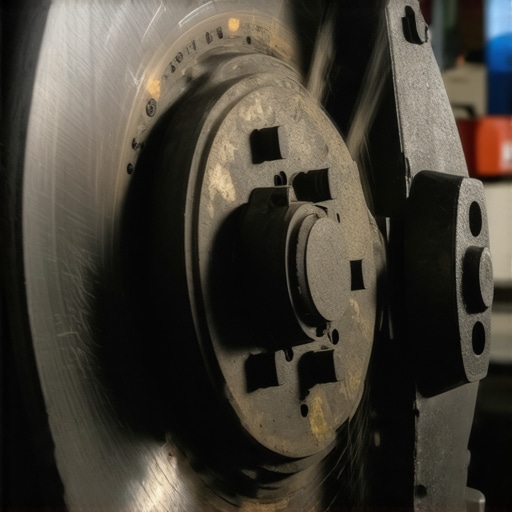
It was a frustrating Saturday when I installed brand-new brake pads on my car, expecting silence and smooth stops. Instead, I was greeted with that relentless squeal every time I pressed the brake pedal. That lightbulb moment made me realize I wasn’t alone—many drivers face this nagging noise even after changing their brakes. If you’ve recently replaced your brake pads and can’t figure out why they squeal, you’re not alone, and more importantly, there’s hope.
Understanding the Why Behind the Squeal
Many car owners assume that new brake pads should be quiet right away. But the truth is, several common issues can cause squealing despite fresh pads. Sometimes, it’s a matter of brake grease or installing pads incorrectly, which leads to vibrations and noise. Other times, the issue lies with the pads themselves—some pads are noisier by design, especially inexpensive or certain organic formulas. Also, if your brake rotors have some uneven wear or rust spots, they can cause that screeching sound when the pads contact them.
A mistake I made early on was not thoroughly cleaning the rotors before installing new pads. That tiny bit of rust or debris can cause squealing, and I paid the price with more noise than I bargained for. Trust me, little oversights like this are common but easily fixable once you know what to look for. Interestingly, according to the National Highway Traffic Safety Administration, squealing brakes are often a sign that your brake system needs attention—waiting can compromise safety.
Ready to stop the squeal and regain peace of mind? Let’s dive into practical solutions. But before we jump into fixes, I want to address a question that always pops up: “Are these fixes really going to work for my car?” Well, I’ll tell you—sometimes, the simplest solutions make the biggest difference, and I’ll share some personal tips that have worked wonders for me.
Now, to set you up with the right approach, let’s explore some common causes and how to troubleshoot them effectively.
Inspect Brake Components Thoroughly
Start by visually examining your brake assembly. Remove the wheel to access the brake pads, rotors, and hardware. Look for uneven rotor wear, rust spots, or debris that could cause vibration and noise. During my last brake job, I found a small rust patch on the rotor that, if left unchecked, could have led to persistent squeal. Use a wire brush to clean surface rust and debris, ensuring the contact surfaces are smooth. Remember, even tiny imperfections can generate noise, so take your time with this step.
Apply High-Quality Brake Lubricant Correctly
Next, lubricate the caliper slides and anti-rattle clips with a specialized brake lubricant. Avoid getting lubricant on the pad contact areas, as this can reduce braking effectiveness. In my experience, using the right lubricant and applying it precisely saved me from future squealing. Think of it like oiling a squeaky door hinge — lubrication reduces vibrations that cause noise. Make sure to only use products formulated for brake systems and follow the manufacturer’s instructions for application.
Replace or Adjust Brake Hardware
Check the brake hardware for damage or wear. Worn or damaged clips, pins, or shims can cause pads to vibrate and squeal. Replace any compromised hardware, or if they’re reusable, clean and lightly lubricate them before reinstalling. I once overlooked this, and the noise persisted even after pad replacement. Proper hardware adjustment ensures consistent pressure and contact, which minimizes noise. Compare your hardware with the original or consult your vehicle’s repair manual for specifications.
Consider Upgrading to Noisy-Free Brake Pads
If your current pads are inexpensive or organic, they may inherently generate more noise—especially during humid or rainy conditions. Upgrading to semi-metallic or ceramic pads can significantly reduce squeal. I switched to ceramic pads on my last vehicle, and the result was a quiet, confident braking experience. These pads are designed with noise-dampening compounds and materials that absorb vibrations. While they may cost a bit more, they’re often worth the quiet ride and improved performance.
Resurface or Replace Warped Rotors
Warped or uneven rotors are common culprits for brake squeal, especially after installing new pads. Resurfacing the rotors can restore a flat, smooth surface, but if they’re too thin or severely warped, replace them altogether. I once attempted to resurface rotors myself, but the warping was too significant, leading to persistent noise. A professional machining job ensures proper thickness and smoothness, reducing vibrations and squeal. Regular inspection and maintenance help prevent this issue from recurring.
Test and Fine-Tune the Setup
After completing these steps, reassemble everything, and perform a series of gentle braking tests. Listen carefully for any squeal or chatter. Adjust hardware or bedding-in pads as needed. Bedding-in involves applying gentle, steady pressure for a few stops to seat the pads properly against the rotors, which can eliminate residual noise. In my case, a proper bedding-in session resolved lingering squeals that stubbornly persisted after previous attempts. Also, keep your brake system clean and dry for optimal performance.
For more detailed insights on brake systems, check out this article. Remember, meticulous inspection and correct procedures are key to eliminating squeal and ensuring your brakes work safely and quietly.
Many car owners believe that auto repair and maintenance are straightforward tasks, but in reality, there’s a lot of nuanced knowledge that often goes unnoticed. One common myth is that replacing parts like brake pads or fluids guarantees a perfect fix. In my experience, the **quality of installation and understanding of underlying issues** make all the difference. For example, some drivers assume that a quick bleed of brake fluid will solve squealing, but if the master cylinder or ABS sensors are compromised, the problem persists despite fluid replacement. This misconception can lead to frequent, unnecessary repairs and higher costs.
An *important trap to avoid* is the tendency to treat symptoms rather than causes. Many DIY enthusiasts and even some professionals focus on immediate fixes—like replacing a worn belt—without assessing system-wide health. This narrow focus often results in recurring issues. Instead, doing a **comprehensive diagnostic** can reveal junction points, sensor faults, or hidden corrosion that are the real culprits, saving time and expense in the long run.
How can advanced diagnostic tools prevent false diagnoses and costly mistakes?
Modern diagnostic equipment, such as scan tools that read OEM-specific codes, provide insights beyond basic error alerts. According to automotive expert Jay Leno, leveraging these tools is essential for accurate diagnosis and avoiding unnecessary part replacements. They can identify issues like electrical faults or sensor misreadings that traditional visual inspections miss. For instance, a faulty thermistor might cause inaccurate temperature readings, leading to improper engine tuning or cooling system failures, but a simple code scan can detect this subtle fault. Investing in or accessing such diagnostic technology is often overlooked but can significantly elevate repair accuracy.
Furthermore, many car owners overlook the importance of **regular tune-ups** which include inspecting sensors, updating software (see how to avoid overpaying during tune-ups), and checking system calibrations. Routine checks can uncover early signs of component wear or software anomalies that, if left unattended, cause more severe failures. For example, neglected fuel sensors might cause engine misfires or poor fuel economy, which could be mistaken for a simple misfire but are actually rooted in sensor degradation. Staying ahead of these issues requires attention to nuance—it’s not just about replacing parts but understanding the system’s evolving health.
So, next time you consider a basic repair, ask yourself if you’re addressing the root cause or just patching symptoms. Use advanced diagnostics when possible and don’t shy away from comprehensive system checks. Doing so prevents common pitfalls and ensures your vehicle remains reliable and safe. Have you ever fallen into this trap? Let me know in the comments.
Mastering Your Car’s Maintenance Arsenal
Keeping your vehicle in top shape requires more than just periodic visits to the mechanic. It’s about investing in the right tools and adopting systematic methods that allow you to diagnose, repair, and maintain your car efficiently. I’ve found that having a well-curated toolkit not only saves money but also boosts confidence, especially when unexpected issues arise.
One essential tool I rely on is a high-quality OBD-II scanner. Not all scan tools are created equal. I personally use the BlueDriver Bluetooth Pro because it provides comprehensive diagnostic trouble codes and can even suggest probable fixes. Connecting my phone to the scanner via Bluetooth makes it incredibly convenient to run quick fault checks before heading to a repair shop or tackling minor repairs myself. This device has saved me from unnecessary trips and helped me prioritize repairs effectively, especially during long trips or seasonal changes.
Alongside the scanner, I recommend investing in a good set of hand tools—socket wrenches, pliers, screwdrivers, and a few specialty items like a brake caliper piston tool. Quality tools endure wear and provide the leverage needed for tight fittings without damaging components. Think of it as the difference between a basic wrench and a professional-grade one; the latter makes the job safer, faster, and more precise.
For routine maintenance, I swear by a set of ultrasonic cleaners for parts like fuel injectors or throttle bodies. They use sound waves to remove gunk that traditional cleaning methods can’t reach, ensuring your car’s engine breathes freely. Plus, they extend the equipment’s life and improve performance. Using these tools periodically can preserve components, delay major repairs, and enhance fuel efficiency, which is crucial when planning long-term ownership.
Beyond physical tools, leveraging software is equally vital. Modern cars often have complex computer systems that store error codes and operational data. I recommend using manufacturer-specific diagnostic software when available, as it offers deeper insights than generic scan tools. Many shops and online communities offer affordable subscriptions or licenses, making advanced diagnostics accessible even for the dedicated DIYer. Staying updated with the latest software versions ensures you can troubleshoot new issues arising in evolving vehicles, like electric and hybrid models.
Predicting where this trend is heading, I believe that integration of AI-driven diagnostics and remote monitoring will become standard. Imagine receiving real-time alerts on your smartphone about developing issues, coupled with step-by-step repair suggestions. This proactive approach could dramatically reduce breakdowns and maintenance costs, transforming your car into a smarter, more reliable asset.
How do I maintain my car’s health over time?
Adopting a proactive maintenance schedule is key. Regularly check fluid levels with a precise fluid tester—like the [Stop Overpaying for 2026 Software Updates during a Tune-Up](https://glassfixauto.com/stop-overpaying-for-2026-software-updates-during-a-tune-up) article for insights on software but applicable to diagnostic tools. Schedule seasonal inspections to catch wear before it becomes costly. Using my scanner monthly helps me catch issues early, saving hundreds in repairs. Consistency, combined with the right tools, forms the backbone of sustainable car care. Start by choosing a reliableOBD-II scanner and set a maintenance routine—your car will thank you for its longevity, and your wallet will thank you for avoiding unnecessary expenses.
The Surprising Lessons Behind Brake Noise
One of the most eye-opening lessons I learned about brake squeal is that sometimes, the biggest fix is a simple tweak—a sign that you care about your car’s health. I once ignored my brake hardware, thinking new pads would do the trick. That mistake led me down a path of unnecessary replacements. Now, I know that paying attention to hardware, cleaning rotors thoroughly, and choosing the right pads can save time and money. My journey taught me that not all squeal is a sign to panic—sometimes, it’s an opportunity to learn more about your vehicle’s true needs.
Tools and Resources That Make a Difference
Over the years, I’ve curated a set of tools that transformed my car maintenance routine. My top pick is the BlueDriver Bluetooth Pro scanner because it offers detailed insights without breaking the bank. For hands-on work, a quality set of hand tools and ultrasonic cleaner have been game changers. I also swear by reading essential repair guides—like the article on how to stop overpaying for software updates during a tune-up—so I stay informed and prepared. These tools help me troubleshoot confidently, ensuring I address the root causes rather than just symptoms.
Your Next Move Toward Smarter Car Care
The future of auto repair is brighter than ever, especially for DIY enthusiasts willing to embrace smart diagnostics and proactive maintenance. Don’t wait for squealing brakes or uncomfortable vibrations—regular inspections and the right tools can keep your vehicle running smoothly. Remember, you don’t need to be a master mechanic to make a difference. Start with a reliable scan tool and a set of good quality lubricants, then build your knowledge over time. Your car will thank you, and your peace of mind will grow. Isn’t it time to take charge of your vehicle’s health? Share your experiences below—I’d love to hear how you tackle brake squeal and other common issues.
Comments are closed.