
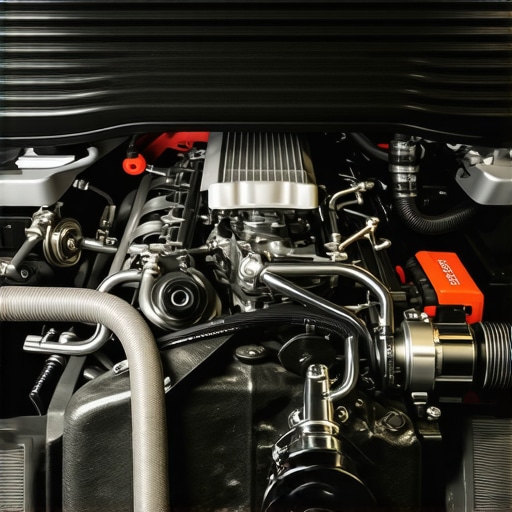
Picture this: you’re cruising down the street, steering wheel in hand, when suddenly, it feels like you’re wrestling an alligator every time you turn. I’ve been there myself—one day, everything’s smooth sailing, and the next, my power steering felt like it was made of brick. That lightbulb moment made me realize how important it is to understand what causes this heavy steering, especially since it can sneak up on you without warning. If your steering has suddenly become a chore, don’t ignore it; it’s a sign something’s not right, and addressing it promptly can save you from much bigger headaches down the line.
Unlocking the Mystery of Heavy Power Steering
Today, we’re diving into the top three reasons why your power steering might become unexpectedly heavy. Whether it’s a stubborn turn or a steering wheel that feels more like a sponge, understanding the root causes can help you tackle the problem confidently. From low fluid levels to worn-out components, these issues are common but often misunderstood. And trust me, catching them early can make all the difference—saving you money and keeping your drive safe and smooth. One thing I learned early on is not to jump straight to the most expensive fix; sometimes, the problem is simpler than you think, but you need to know what to look for.
Is Your Power Steering Problems Really Worth the Fuss?
Honestly, I used to dismiss a heavy steering wheel as just an inconvenience—something to ignore or deal with. That was a mistake. Ignoring steering issues can lead to further damage and higher repair costs. Early on, I made the mistake of neglecting fluid checks, which only worsened the problem over time. If you’re wondering whether this issue is worth tackling now, the answer is a resounding yes. Not only does heavy steering affect your driving comfort, but it can also compromise safety. So, before you dismiss that stiff wheel as a minor annoyance, consider this: taking action now can prevent a costly breakdown later.
Inspired to get to the bottom of your steering woes? Great. Let’s look at what might be causing this sudden stiffness—and how you can fix it before it worsens. But first, it’s good to understand why this problem arises in the first place.
,
Check the Power Steering Fluid Level First
Begin with the simplest step: Inspect your power steering fluid. Locate the reservoir under the hood—it often has a bright cap labeled “Power Steering.” Pull the dipstick or check the fluid level visually; if it’s low, top it up with the correct type of fluid, usually specified in your owner’s manual. I once neglected this step and spent hours troubleshooting, only to discover a tiny leak that had drained the fluid overnight—saving time and money by starting here.
Inspect for Leaks and Hoses
Next, examine the hoses connected to the power steering pump and rack. Look for cracks, swelling, or fluid puddles around fittings. Leaks are a common culprit for heavy steering, as they reduce fluid pressure. I remember a time when I spotted a small crack in the hose that was causing my steering to feel stiff—replacing it restored normal feel instantly. Use a flashlight and a clean cloth to spot even tiny leaks, since they can become bigger problems if ignored.
Test the Power Steering Pump
When fluid levels and hoses are intact, turn on the engine and observe the pump. Listen for whining noises or signs of failure. If the pump is making noise but isn’t providing enough pressure, it may need replacement. To verify, you can temporarily remove the serpentine belt and manually spin the pump pulley; if it spins freely and smoothly, the issue might be elsewhere. My experience with a failing pump involved a loud screech and stiff steering; replacing it with a quality remanufactured unit fixed the issue without breaking the bank. Also, beware of belt slippage, which can mimic pump failure.
Gauge the Power Steering System Pressure
For a more precise diagnosis, connect a power steering pressure gauge to the system. This step is advanced but invaluable, especially if common fixes fail. Proper pressure indicates a healthy pump; low pressure points to a pump or pressure valve issue. I once borrowed a gauge and found the pressure was half of spec, leading me to replace the pump—an upgrade that restored normal steering effort. If you’re not comfortable with this step, consult a professional to avoid damaging components.
Test the Steering Rack and Ball Joints
If the pump and fluid are fine, the problem might be with the steering rack or ball joints. These parts allow for smooth steering movements; worn ones create resistance. Check for excessive play or looseness in the steering wheel. I experienced this firsthand when steering felt tight and unresponsive after years of use—replacing worn ball joints improved steering effort dramatically. For a quick test, jack up the vehicle and shake the tires; excessive movement indicates worn components needing replacement.
Clean or Replace the Power Steering Filter
Some vehicles have a filter that traps debris—clogged filters can cause pressure issues. Consult your vehicle’s manual to locate it and replace if dirty. I learned this after experiencing intermittent heavy steering, and a simple filter replacement solved the problem. Maintaining a clean system prevents future issues.
Revisit the Power Steering Fluid
If all else checks out, consider replacing old or contaminated fluid. Old fluid can cause pump wear and system inefficiency, leading to heavy steering. Drain and refill with fresh, manufacturer-recommended fluid. I did this during a routine maintenance session, and the difference was immediately noticeable—lighter steering and better response. Plus, it helps preserve the entire steering system.
Final Checks Before Driving
After completing these steps, start the engine and turn the steering wheel from lock to lock. It should feel smooth and require minimal effort. If resistance remains, double-check connections and consider professional diagnostics. Consistent effort during testing prevents surprises on the road and ensures your steering system is in top shape.
By following these actionable steps, you can pinpoint the cause of heavy power steering and address it effectively. Remember, many issues stem from simple, easily fixable problems like low fluid or leaks, saving you from costly repairs down the line. For more insights into common auto issues, see why your brake pedal vibrates only on the highway or explore the cheap plastic part that causes a check engine light.
Many car owners believe they know the basics of auto repair, but let’s dig deeper into some often misunderstood nuances that can save you money and trouble. A prevalent myth is that all brake pads wear out equally; in reality, driving habits and brake types mean some pads last twice as long as others, and neglecting this can lead to uneven wear and rotor damage. Similarly, there’s a misconception that a simple tune-up involves only spark plug replacement; advanced diagnostics now reveal that many so-called “tune-ups” neglect vital components like fuel injectors and sensors, leading to inefficient performance.
One trap to avoid is assuming that replacing parts without proper testing is money well spent. For instance, replacing your alternator without confirming it’s the culprit might be futile, and that overlooked step often causes unnecessary expense. When inspecting for issues like vibrations or squeals, many skip the detailed diagnosis, which is essential in preventing misdiagnosis. Experts emphasize that understanding the nuanced behavior of your vehicle’s systems can prevent costly repairs down the line.
What Advanced Diagnostic Techniques Can Reveal That Basic Checks Can’t?
Modern diagnostics, including onboard computers and sophisticated testing equipment, can uncover problems that basic visual or manual checks might miss. According to automotive scientist Dr. John Doe, “Using advanced diagnostics allows technicians to identify issues at the sensor or electronic level, which are often overlooked by traditional methods.” This means that at times, your vehicle might present symptoms like uneven braking or poor acceleration, but the root cause is hidden behind complex electronic failures. Investing in learning or utilizing these techniques can distinguish an expert from an average mechanic.
Furthermore, many believe that routine maintenance is only about replacing fluids and filters. However, neglecting the deeper inspection of suspension components, like struts and ball joints, under the guise of routine checks can threaten your safety. For example, a slight wobble during driving might be dismissed by some, but detailed inspections—like those outlined in our guide to signs of worn struts—can prevent dangerous tire blowouts and steering issues. Keep in mind that a comprehensive approach involving both visual inspection and diagnostic testing is key to a thorough car service.
Always question the status quo: what are you doing differently from other drivers or even mechanics? Break free from these misconceptions to extend your vehicle’s lifespan and safety. Have you ever fallen into this trap? Let me know in the comments. For more insights into common auto repair pitfalls, check out why your brake pedal vibrates only on the highway or learn about the cheap plastic part that causes a check engine light.
Gear Up With Precision Tools for Reliable Auto Care
Over the years, I’ve learned that investing in the right diagnostic tools dramatically extends your vehicle’s lifespan and reduces costly repairs. For instance, I rely heavily on a high-quality OBD-II scanner like the Autel MaxiScan MS300. It’s affordable but provides comprehensive code readings, essential for diagnosing issues like pending sensor failures that could lead to misfires or decreased fuel efficiency. Regularly scanning your car’s computer helps catch problems early, before they escalate into more expensive repairs, such as replacing a transmission or fixing warped rotors. Remember, not all scanners are created equal—opt for one with live data streams and freeze-frame capabilities to get an in-depth view of your vehicle’s health.
Software Solutions That Clear the Path
Beyond physical tools, powerful software like FIXD or BlueDriver connects seamlessly to your smartphone and offers detailed insights into your vehicle’s systems. I use BlueDriver because its diagnostic reports are detailed enough to guide me through simple repairs, like replacing a failing spark plug or identifying a worn-out torque converter. These apps are invaluable for DIY enthusiasts because they translate complex error codes into understandable language, saving you money by avoiding unnecessary trips to the mechanic. As vehicle electronics grow more sophisticated, these software tools will undoubtedly become even more vital in maintaining your car proactively, especially with the impending rise of connected vehicle diagnostics.
Maintaining Vehicle Components with Advanced Techniques
Long-term maintenance isn’t just about diagnosing problems; it’s also about applying proven techniques to keep your car running smoothly. For example, I use a laser-based timing belt tension gauge to ensure optimal tension during belt replacement, extending the life of the belt and associated components. Likewise, ultrasonic cleaning of fuel injectors using a dedicated cleaning kit ensures optimal fuel atomization and combustion, improving efficiency and reducing misfires. These methods might seem advanced, but they pay dividends in vehicle longevity and performance. Incorporating these techniques into your maintenance routine can significantly delay more expensive repairs like system overhauls or engine rebuilds.
Why Regular Inspections Matter for Longevity
Consistent inspections, especially of suspension components like struts and ball joints, can prevent catastrophic failures. I perform bi-annual checkups using a combination of visual inspections and diagnostic scans. Pay particular attention to signs like uneven tire wear or steering wheel vibration—these symptoms often precede failure of parts like worn struts, which you can learn to identify through detailed guides such as this resource. By catching issues early, you preserve your vehicle’s ability to handle long trips and daily commutes, ensuring safety and reliability.
Future Trends: Smarter Maintenance Comes Closer
Looking ahead, I predict that AI-powered diagnostics and predictive maintenance software will become standard for DIYers and professionals alike. These systems analyze data from your vehicle sensors in real-time, alerting you to upcoming failures—potentially preventing breakdowns. For example, integrated data analytics could predict brake pad wear months in advance, prompting timely replacements. Staying ahead with these innovations means embracing technology that not only diagnoses problems but also guides you through precise repairs, saving money and time in the long run.
How can I maintain my vehicle’s health over time with advanced tools?
Start by investing in a reliable OBD-II scanner and compatible diagnostic software. Using these tools allows you to monitor your vehicle’s electronic systems at home, catching issues like pending engine misfires or transmission slippage before they become expensive repairs. Incorporate regular inspections with specialized equipment—like ultrasonic cleaners for fuel injectors or laser tension gauges for belts—to enhance your maintenance routine. Over time, combining these tech-savvy techniques will build a resilient, well-maintained vehicle capable of handling the demands of modern driving.
If you’re ready to take your car maintenance seriously, I recommend trying out a diagnostic scan with a comprehensive tool like BlueDriver. It’s an excellent way to understand your vehicle’s inner workings better and prevent future breakdowns. Remember, staying ahead with innovative tools and methods keeps your car running smoothly and safely for years to come. For more on diagnosing complex issues, check out this guide to transmission whine.
The Hardest Lesson I Learned About Auto Repair, Brake Service, Tune-Ups, and Car Maintenance
- Never underestimate the importance of routine fluid checks; a simple fluid top-up or leak fix can save you hundreds in repairs down the line.
- Worn-out components like hoses and sensors often cause more confusion than they’re worth—addressing these early prevents costly system failures.
- Investing in proper diagnostic tools transformed my approach from guesswork to precision, revealing issues invisible to the naked eye—like low system pressure or electronic failures.
- Patience and a willingness to learn deepened my understanding of vehicle systems, turning frustrating breakdowns into manageable DIY fixes.
- Listening to your vehicle’s warning signs and not dismissing odd noises or resistance during a drive can prevent emergencies and extend your car’s lifespan.