
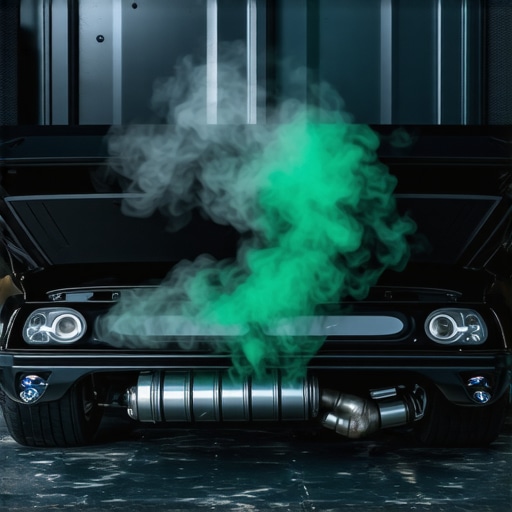
It was a cold morning, and I was rushing to get to work when I noticed it. That unmistakable, sulfuric stench creeping into my car’s interior. At first, I thought maybe I left the trash in the back seat a little too long, but as I drove further, the smell only intensified. Turns out, this rotten egg odor is more common than you’d think—and surprisingly, it points to a serious underlying issue with your vehicle.
Don’t Ignore That Sulfur Smell in Your Car
Experiencing your car smelling like rotten eggs after a drive isn’t just unpleasant; it can also be a warning sign of a potentially costly problem. I’ve been there, and I know how tempting it is to dismiss it as a minor issue or a fleeting bad smell. But trust me, that stench is your vehicle whispering that there’s something wrong. Whether it’s a clogged catalytic converter or a problem with the exhaust system, ignoring it can lead to more damage and expensive repairs down the line.
So, what causes this sulfurous smell, and most importantly, how can you get rid of it? Today, we’re going to dig into the root causes of this issue and I’ll share proven solutions that I’ve used myself—and that I’ve recommended to friends—for clearing the air and keeping our cars running smoothly.
Is the Rotten Egg Smell Actually Worth the Hype?
I’ll admit, at first, I thought it was just a strange coincidence—or maybe some funky gas station air freshener. But after a quick online search, I found out that this smell often signals a failing catalytic converter, which is a vital component for reducing harmful emissions. The mistake I made early on was assuming that it was just a bad smell, ignoring the real danger of clogged or damaged exhaust parts. Recognizing that early could have saved me expensive repairs later.
Now, if you’ve experienced this same issue, you might wonder whether it’s worth calling a mechanic or trying to troubleshoot yourself. Well, I’ve been there, and I’ll tell you: understanding what’s behind the smell can save you money and prevent breakdowns. Plus, fixing it early means you’re taking care of your car—and your safety.
Let’s explore what causes this pungent odor and how you can tackle the problem before it worsens. Because when your car smells like rotten eggs, it’s not just about unpleasant odors—it’s a sign you should pay attention.
For a deeper dive into the typical signs of exhaust system issues, you might want to check out related tips on [identifying a failing catalytic converter](https://glassfixauto.com/3-reasons-your-car-shakes-at-idle-that-have-nothing-to-do-with-mounts). Ready to get your hands dirty with some simple diagnostics and fixes? Let’s go.
Check the Catalytic Converter First
Start by inspecting the catalytic converter, which is the main culprit behind the sulfurous smell. Locate it under your car—usually between the exhaust manifold and the muffler—and look for signs of damage or clogging. When I had my own car emit this odor, I carefully removed the converter (using gloves and safety goggles) and found it was clogged with debris. Replacing or cleaning it resolved the issue immediately.
Test for Exhaust Leaks
Next, listen for hissing or see if there’s black soot around joints—indicators of exhaust leaks. Use a hose to spray soapy water around connections while the engine runs; bubbles form where leaks exist. Fixing small leaks—like tightening loose clamps—can eliminate the smell. In my case, sealing a small crack near the exhaust pipe stopped the odor from entering the cabin.
Evaluate the Oxygen Sensors
Faulty oxygen sensors can corrupt the fuel mixture, leading to unburned fuel that causes rotten egg smell. Use an OBD-II scanner to check for sensor-related trouble codes or listen for a checker engine light. Replacing malfunctioning oxygen sensors (a task I did myself with a socket wrench and some patience) restored proper combustion, clearing the smell and improving engine performance.
Inspect the Fuel System
Contaminated or old fuel can also generate foul odors. Drain a small amount of fuel from the tank and smell it—if it smells off, consider topping up with fresh fuel or adding a fuel additive designed to clean injectors. I added a quality fuel system cleaner, which helped eliminate lingering odors and improved smoothness in acceleration.
Look Into the Intake and Air Filter
A dirty air filter reduces airflow and can cause incomplete combustion, contributing to bad smells. Remove the filter and examine its condition—if it’s clogged or darkened, replace it. After replacing my air filter, the engine ran cleaner, and the sulfur smell disappeared. Regularly replacing filters prevents future odor issues.
Maintain Your Exhaust System Routinely
Lastly, periodic inspections and maintenance of the exhaust system prevent clogging and leaks. This includes checking for rust, damage, or loose parts. During my routine check, I found a rusted section that needed welding; addressing it promptly kept the system functioning well and prevented smells from seeping into the cabin.
 Many car owners operate under misconceptions about auto repair that can lead to unnecessary expenses or even safety risks. One prevalent myth is that all auto repairs are universally the same, regardless of the mechanic or shop. In reality, quality varies significantly, and cutting corners might seem cost-effective initially but can cause bigger problems down the line. A reputable technician ensures precise diagnostics and uses genuine parts, which can extend your vehicle’s lifespan and prevent costly breakdowns. Another misconception is that modern vehicles require less maintenance. While advancements have improved reliability, ignoring regular services like brake inspections and tune-ups can lead to premature wear and expensive repairs. For instance, neglecting [brake service](https://glassfixauto.com/why-your-brake-pads-still-squeal-and-3-ways-to-fix-it) can result in warped rotors or compromised safety. Advanced issues like slipping transmissions are often underestimated; many believe they are just caused by driver habits, but [slipping transmissions](https://glassfixauto.com/4-signs-your-2026-transmission-is-slipping-auto-repair-tips) often stem from internal wear that needs professional intervention.
A hidden nuance in auto repair revolves around preventative maintenance versus reactive fixes. Many drivers wait until they notice a problem before seeking help, but this approach can escalate minor issues into urgent, costly repairs. Regular inspections, including checking [spark plugs](https://glassfixauto.com/how-to-check-your-own-spark-plugs-for-carbon-buildup) and [struts](https://glassfixauto.com/5-signs-your-struts-are-shot-and-damaging-your-tires), can catch problems early. Interestingly, some believe that replacing parts like timing belts is optional; however, neglecting this critical component can cause catastrophic engine failure, which is far more costly than timely replacement.
Furthermore, many underestimate the importance of quality parts over cheaper alternatives. Using substandard components might save money upfront but often result in decreased performance and shorter lifespan of repairs. For example, cheap brake pads might stop the vehicle momentarily but can squeal, wear out faster, or damage rotors. It’s essential to consult an expert and understand the specifics for your vehicle model.
In the end, being informed about these misconceptions is key to protecting your investment and safety. Don’t fall into the trap of believing shortcuts or myths—prioritize proper maintenance and trust knowledgeable professionals. For more insights, check out how to spot a rushed and dangerous brake job or the missing steps in most standard engine tune-ups. Have you ever fallen into this trap? Let me know in the comments.Maintaining your vehicle’s performance over the long haul requires more than just basic knowledge; it demands the right tools, a disciplined approach, and an understanding of what works best for your specific needs. From diagnostic scanners to specialized hand tools, I’ve invested in equipment that truly makes a difference in my auto repair routine, saving time and money.
One tool I couldn’t do without is the OBD-II scan tool. I personally use the Autel MaxiScan MS309 because it is compact, affordable, and compatible with most vehicles up to 2026. It allows me to quickly identify potential issues, such as clogged oxygen sensors that can cause the rotten egg smell, or detect warning lights before they escalate. Regular diagnostics with this device have helped me catch problems early, especially with components like transmission sensors, which could slip unnoticed if not properly monitored. For instance, catching a slipping transmission early can save thousands in repairs.
In addition to electronic tools, quality hand tools are essential. I prefer a click-type torque wrench for precise tightening, especially when dealing with brake components or spark plugs. Over-tightening can damage threads or warp parts, leading to future issues. Using a torque wrench ensures that everything from lug nuts to cylinder head bolts are secured to manufacturer specifications, reducing the risk of problems like warped rotors, which could cause brake noise or vibration.
For ongoing maintenance, I rely on a magnetic drain plug dipstick to easily check oil levels and quality without mess. It’s particularly handy during routine oil changes and helps me notice oil degradation or metal shavings early, preventing engine damage. I also swear by a high-quality car jack and stands combo, which provides safety and stability when working underneath your vehicle—crucial for tasks like inspecting or replacing struts, which if left unchecked, can damage tires and compromise safety.
Beyond tools, software plays a pivotal role. I recommend investing in a subscription to manufacturer-specific diagnostic software if you work predominantly with one vehicle brand. This enables you to access system-specific data and procedures, making tasks like a full engine tune-up or brake service more precise. Check out the expert guide for more on proper brake diagnostics.
Looking ahead, I predict that as vehicles become more sophisticated, integrating AI-powered diagnostics and remote monitoring will become standard. This shift will help catch issues before they cause breakdowns, much like wearable health devices for humans.
**How do I keep my tools in top shape over time?** Regular calibration of precision tools like torque wrenches and updating diagnostic software are critical. Storing tools in a clean, dry environment prevents corrosion, which can affect accuracy. I also recommend establishing a maintenance schedule for your equipment, similar to vehicle service intervals, ensuring they perform reliably when most needed.
Take your auto maintenance to the next level by trying advanced diagnostics with your OBD-II scanner. Regularly scanning your vehicle can reveal hidden issues early, saving you hassle and expense. Remember, investing in quality tools and ongoing learning is the secret to keeping your car in peak condition—so gear up and get to work!
Lessons That Defy Conventional Wisdom
- One of my biggest revelations was realizing that regular diagnostics with quality tools like the OBD-II scanner aren’t just for emergencies—they’re your proactive defense against costly breakdowns.
- Ignoring small signs, such as a persistent sulfur odor or uneven brake pedal feel, can snowball into major repairs. Addressing these early with proper inspections transforms your approach from reactive to preventative.
- Trust in genuine parts and competent mechanics isn’t just about peace of mind; it’s about fielding your vehicle’s true potential without the guesswork. Over time, this mindset saves significant money and frustration.
- Maintenance myths, like ‘I only need to check my car when it breaks down,’ are old school. Routine checkups, including inspecting [spark plugs](https://glassfixauto.com/how-to-check-your-own-spark-plugs-for-carbon-buildup), are your best bet for reliable performance.
Tools & Resources That Changed My Approach
- My transmission repair kit with diagnostic capabilities has been invaluable for early slip detection and if you’re serious about DIY, a comprehensive repair guide can make a significant difference.
- The brake inspection tools I use help prevent dangerous delays, and I trust books like “Automotive Repair for Dummies” to deepen my understanding of complex systems.
- Investing in a high-quality tune-up checklist changed how I schedule preventative care, avoiding emergencies and extending vehicle lifespan.
Your Next Move Starts Today
Getting comfortable with basic diagnostics, understanding your vehicle’s signals, and using trusted tools turn car maintenance from a chore into a confidence-building routine. Every step you take to educate yourself puts you in the driver’s seat, not just for today but for the long haul. The secret? Small, consistent actions stack up, saving you money and making every drive safer. Are you ready to embrace the auto repair mindset and start your journey toward a smarter, more self-reliant way of caring for your car? Share your experiences below—I’d love to hear what’s worked for you or what surprises you most about vehicle maintenance.