
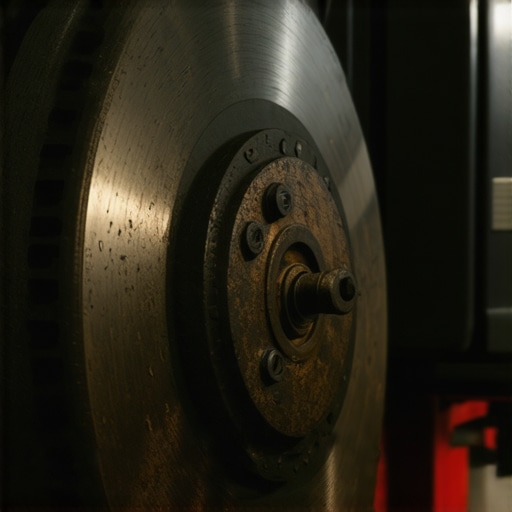
One morning, I stepped on the brake pedal to slow down for a stop sign, and I felt a sudden pulsing through the pedal, like my car was trying to shake itself apart. — It was a lightbulb moment for me. I realized that those little vibrations weren’t just annoying; they were signaling a more serious problem brewing behind the scenes.
If you’ve ever experienced a shuddering steering wheel or a pulsating brake pedal, you might be dealing with warped brake rotors. But how do you know if that’s the case? And more importantly, how can you fix it before it leads to costly repairs or dangerous driving conditions? That’s exactly what I want to help you with today.
Why Mind the Pulses in Your Brake Pedal It Could Save Your Car
Your brake rotors are the unsung heroes of stopping power. They work tirelessly to turn the force from your brake pads into the friction needed to bring your vehicle to a halt. But heat, age, and misuse can cause these metal discs to warp, leading to uneven contact and vibrations that you can feel through the steering wheel and brake pedal. Left unchecked, warped rotors can cause excessive wear, decreased braking performance, and even dangerous driving scenarios.
Early signs of warped rotors often mimic other issues, making it tricky to diagnose. So, how do you tell if your rotors are warped? And more importantly, how can you fix it? Well, speaking from personal experience, I learned a costly lesson early on by ignoring the symptoms. I assumed that a squealing noise was just typical brake wear, but it turned out to be a sign of warped rotors. That mistake cost me more than I want to admit.
In fact, according to vehicle safety experts, noisy, vibrating brakes are a common indicator of warped rotors, which can compromise your safety if unaddressed. So, recognizing these signs early can save you money—and maybe even your life.
Is It Really Worth the Hassle to Replace or Resurface Rotors?
There’s often skepticism about whether fixing warped rotors is worth the effort, especially if that squealing sound initially seemed minor. However, ignoring the problem can lead to uneven brake pad wear or more significant damage down the line. A simple resurfacing might suffice for minor warping, but severe cases may require full replacement. Either way, I’ll walk you through the signs to watch for and what steps to take, so you don’t end up stranded or worse.
Now, let’s dive into how you can identify warped rotors and fix them effectively, starting right now.
Get Ready to Tackle Your Warped Rotors
First, safely elevate your vehicle using jack stands on a flat surface. Remove the wheels with a lug wrench, applying firm, even pressure to avoid stripping bolts. Imagine unscrewing a stubborn jar lid—steadiness and patience are key. My first time, I struggled with a stubborn wheel, but using a breaker bar made it easier and prevented tool damage.
Inspect and Confirm Warping
Check the rotors for visible warping or grooves. Use a dial gauge if available, or spin the rotor and observe for uneven movement. Remember, even minor irregularities can cause noticeable vibrations. I once thought my brakes were just squealing, but a quick visual revealed uneven surface—a clear sign it was time for action.
Decide Between Resurfacing or Replacing
Resurfacing for Minor Warping
If you notice slight unevenness—less than 0.005 inches—it might be worth resurfacing. This process smooths out irregularities, restoring even contact. I opted for resurfacing once on my old car, which extended the rotor’s life and saved me money. However, ensure the rotor’s thickness remains above the minimum specification listed in your vehicle manual.
Full Replacement for Severe Damage
Severe warping, cracks, or deep grooves mean replacing the rotor is safest. After removing the old rotor, compare the new one’s dimensions carefully. Consider quality brands to ensure longevity. I learned this the hard way when a failed rotor caused brake pulsation mid-drive—replacing it promptly prevented further safety issues.
Reinstall and Test Your Brakes
Clean mounting surfaces thoroughly with brake cleaner to remove grease and debris. Reinstall the rotor, tightening the lug nuts in a criss-cross pattern to ensure even torque—similar to tightening lug nuts on a bicycle wheel. Reassemble the wheel and lower the vehicle. Test drive slowly, applying brakes gently to confirm smooth operation. Remember, if vibrations persist, revisit the process or consult a professional.
For more advanced diagnostics, consider checking your brake calipers and pads, which can contribute to uneven wear. Also, ensure your brake fluid is fresh, as contaminated fluid can affect braking performance. Sometimes, a simple brake fluid bleed can improve pedal feel and reduce pulsing, which you can learn more about at this guide.
Regular inspections and maintenance can prevent warping from recurring. Keep an eye out for signs like increased pedal travel or unusual noise, which indicate underlying issues. With these steps, you’ll keep your brakes smooth, safe, and reliable—saving money and enhancing your driving confidence.
When it comes to maintaining your vehicle, many drivers rely on standard advice like replacing filters or changing oil without understanding the subtle factors that truly impact car performance and longevity. A common myth is that a basic tune-up or brake service is a one-size-fits-all solution, but in reality, overlooking detailed diagnostics or specific component behaviors can lead to recurring issues. For instance, many believe that sparing a few dollars on a quick service without diagnosing underlying sensor problems can void warranties or cause further damage, as highlighted by experts in automotive diagnostics.
Are You Overlooking the Signs of Hidden Deterioration in Your Car?
One advanced mistake is assuming that all brake squeals are simply worn pads, ignoring signs like uneven brake pedal feel, which could indicate internal system issues. Another trap is neglecting electrical checks—like sensor calibration—that can cause persistent engine misfires or poor fuel economy. A thorough understanding of these nuances ensures that you address the root cause rather than just symptoms. For example, many drivers waste money replacing components that are actually functional, such as sensors, simply because they didn’t realize a minor fault can be fixed with a simple recalibration. According to a study by the Car Care Council, improper diagnostics lead to nearly 60% of unnecessary repairs, emphasizing the importance of expert knowledge. Instead of falling into this trap, consider targeted fixes like cleaning spark plugs to remove carbon buildup or verifying the condition of your transmission sensors, which often get overlooked during routine services. For instance, detailed electrical diagnostics can reveal issues like a sticky power window motor, which is a common, yet often ignored, problem that can be fixed without replacing the entire motor—saving you money and time. Being aware of these hidden nuances helps prevent costly future repairs and maintains your vehicle’s performance. If you’d like to learn how to pinpoint sneaky problems early, check out guides on fixing minor electrical glitches or saving money on sensor replacements. Remember, regular, detailed inspections combined with expert diagnostics can keep your car running smoothly for miles to come. Have you ever fallen into this trap? Let me know in the comments.
Investing in the Right Equipment Keeps Your Car Running Smoothly
Maintaining your vehicle over the years is more than just routine oil changes and filter replacements; it’s about employing the right tools and methods to ensure longevity and reliability. I personally swear by a few key pieces of equipment that have saved me time and money during repairs. One of my most trusted tools is a high-quality digital caliper, which helps precisely measure rotor thickness or check for uneven wear—something especially useful when deciding between resurfacing or replacing parts. Unlike standard rulers or micrometers, a digital caliper offers quick, accurate readings with minimal effort, making it my go-to for detailed inspections.
Another indispensable item is a magnetic residue-free pick-up tool. When working under the car or in tight engine bays, retrieving small parts or screws without losing them is crucial. I’ve learned the hard way that fishing for lost bolts can turn a quick job into a nightmare. This simple yet effective tool prevents frustration and keeps projects on track.
Beyond hardware, software tools play an increasingly vital role in diagnostics. I utilize an OBD-II scanner capable of reading and clearing codes, which provides immediate insights into complex issues like sensor failures or transmission glitches. I prefer models that support multiple protocols and have extensive data logging features, allowing me to monitor vehicle health over time. This investment means I catch potential problems early, often before symptoms become noticeable—saving significant repair costs.
Streamlining Your Maintenance Routine with Proven Methods
Regularly scheduled checks are the backbone of long-term vehicle health. I recommend setting up a maintenance calendar that includes inspections of fluid levels, brake pads, and belts. Handy apps and digital reminders help keep track of these intervals, preventing overlooked issues. For instance, periodically checking your spark plugs for carbon buildup using detailed guides can improve fuel efficiency and engine smoothness. You can learn how to do this effectively at this resource.
Long-term results depend heavily on diagnosing subtle problems early. For example, noticing slight vibrations during acceleration might seem minor but could indicate worn transmission sensors or misaligned CV joints. A proactive approach involves detailed inspections with the right tools, complemented by software diagnostics when necessary. Combining these strategies greatly extends the interval between major repairs and maintains your vehicle’s resale value.
How do I maintain auto repair efficiency over time?
Adopting a systematic approach that integrates the right equipment and regular inspections ensures your car stays dependable. Keeping an organized record of repairs and diagnostics enables you to identify patterns and prioritize critical issues. As technology evolves, integrating advanced diagnostic tools and staying educated about emerging trends like electric vehicle maintenance will be vital. Looking ahead, I predict that AI-powered diagnostic apps and more affordable scanner technology will democratize maintenance, making sophisticated care accessible even for casual enthusiasts. In the meantime, I suggest trying out a high-quality digital caliper or an advanced OBD-II scanner, which can significantly enhance your troubleshooting skills and vehicle lifespan.
Remember, small investments in proper tools and disciplined routines now can lead to significant savings and safer drives long into the future. Want to streamline your maintenance? Start by acquiring one of these tools and scheduling your next comprehensive check-up.
Lessons a Seasoned Auto Enthusiast Learned About Brake Maintenance and Repairs
- One of the most unexpected lessons was realizing that not all vibrations indicate a simple problem—they often hide more serious issues like warped rotors that can compromise safety. Paying close attention to subtle signs has helped me catch potential dangers early.
- Another revelation was how critical proper diagnostic tools are; using a dial gauge or an OBD-II scanner can distinguish between minor unevenness and severe warping, preventing unnecessary repairs or overlooked hazards.
- I also learned the importance of timing—resurfacing rotors when minor warping appears is a smart move, but waiting too long can lead to costly replacements. Recognizing the signs and acting promptly has saved me both money and stress.
- Lastly, I discovered that integrating specific tools like a high-quality digital caliper or a magnetic pick-up tool streamlines repairs, ensuring precision and reducing frustration during maintenance tasks.
Where My Favorite Tools and Resources Can Make a Difference
- Digital Calipers: I trust a reliable digital caliper—they deliver accurate measurements in seconds, helping me gauge rotor thickness and warping with confidence. Check out models that support quick readings and durability; they’ve become an indispensable part of my toolkit.
- OBD-II Scanners: For early detection of electronic or sensor-related issues, an advanced scanner is essential. It enables me to pinpoint faults before they escalate, often saving hundreds in repairs. I recommend models supporting multiple protocols for comprehensive diagnostics.
- Online Guides and Video Tutorials: Resources like how to check for carbon buildup or diagnose brake pulsation help me understand finer details of vehicle care, empowering me to perform repairs safely and effectively. Regular learning keeps me vigilant and prepared.
- Trusted Service Providers: Knowing where to turn for expert help makes a difference. When in doubt, I consult trusted mechanics or reputable auto repair sites, ensuring I don’t overlook critical issues or fall prey to unnecessary replacements.
Take Action and Keep Your Brakes in Top Shape
Maintaining your vehicle’s brake system, especially the rotors, isn’t just about avoiding costs—it’s about ensuring safety for yourself and loved ones. Small steps like recognizing early signs of warping and investing in quality tools can make a huge difference over time.
So, what’s your next move? Start by inspecting your rotors if you notice any vibrations, and consider the tools that can make diagnostics easier and more accurate. Remember, proactive maintenance extends your vehicle’s lifespan and enhances your driving confidence.
Have you ever struggled to determine whether your brake issues were minor or serious? Share your experiences below—I’d love to hear how you tackled your auto repair challenges or if you have tips to share with other enthusiasts!
Comments are closed.