
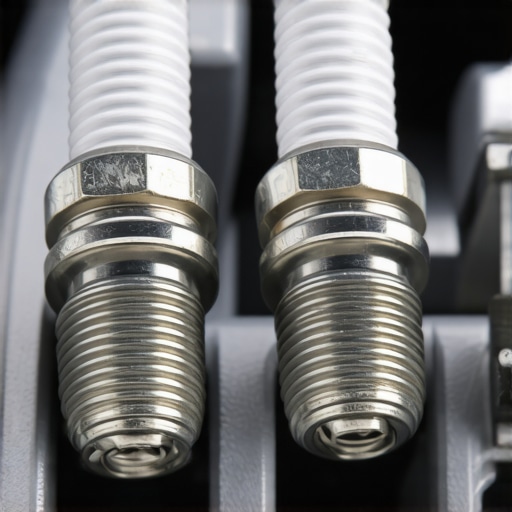
Ever been stranded in your driveway, fidgeting with your keys, cursing that stubborn engine hesitation, and thinking, “Did I miss something simple?” I’ve been there myself—frustrated by how a small problem can turn into a major headache. One light bulb moment for me came when I realized that my engine was running rough not because of a fancy part, but because of something I could easily check myself—spark plugs. That discovery changed the way I maintain my vehicle, saving time and money, and giving me confidence behind the wheel.
Why Detecting Carbon Buildup on Spark Plugs Matters
Spark plugs are the heart of your engine’s ignition system, responsible for igniting the fuel-air mixture and keeping your car running smoothly. Over time, they accumulate carbon deposits which can hinder performance, reduce fuel efficiency, and even cause misfires. According to automotive experts, carbon buildup is one of the most overlooked but fixable issues that can sneak up on drivers—often under the guise of more complex problems.
If you neglect these deposits, sooner or later, you’ll notice a drop in fuel economy, rough idling, or difficulty starting your vehicle. The good news is that checking your own spark plugs for carbon buildup is surprisingly straightforward. It’s one of those DIY steps that can prevent a minor annoyance from becoming an expensive repair. Plus, I’ve learned that spotting early signs of buildup can help you catch issues before your engine’s performance takes a nosedive.
Have you ever felt like your car was just not running right but had no idea where to start? Maybe you’ve picked up your phone to call your mechanic, only to wonder if this is something you can troubleshoot yourself. Trust me, I made the mistake early on of ignoring my spark plugs and waiting until a warning light lit up the dashboard. That was a costly mistake that I now know could have been avoided with a simple inspection.
In this guide, I’ll walk you through how to check your spark plugs for carbon buildup, what signs to look for, and when it’s time to replace or clean them. Ready to become your car’s best friend and save some cash? Let’s dive in and demystify this small but mighty component of your vehicle.
Locate and Access Your Spark Plugs
Your first step is to find your spark plugs. Open the hood and consult your vehicle’s manual if needed. The spark plugs are typically located on the engine’s cylinder head, connected to thick wires or ignition coils. Remove any covers or components blocking access, which might be akin to peeling layers off an onion—careful and deliberate. I recall a morning when I tackled this job and found a layer of carbon deposits that resembled a dark cocoa powder sprinkled on the plugs. Removing them was the most labor-intensive part but crucial before inspection.
Inspect Spark Plugs for Carbon Deposits
Once the plugs are exposed, examine the electrodes and insulator tips. Look for a black, soot-like coating—signs of carbon buildup. The deposits can vary from light, powdery layers to thick, crusty encrustations—imagine a cake layer on your baking sheet. If your plugs exhibit excessive carbon, it’s time for cleaning or replacing. During my own check, I grabbed a flashlight and a hand mirror, which helped illuminate those tiny gaps that were filled with a smoky film, confirming the need for action. Remember, a visual inspection is your first clue that your engine’s combustion process is compromised.
Cleaning or Replacing Spark Plugs
If deposits are light, you can clean the plugs with a wire brush or a specialized spark plug cleaner—think of it like cleaning the grime off a kitchen sink faucet. Use carburetor cleaner or brake cleaner to loosen stubborn carbon blobs. Be gentle to avoid damaging the ceramic insulator. For heavily coated or damaged plugs, replacement is the best move. I once attempted a quick clean on a stubborn plug, but the deposits proved too baked-on, leading me to order new ones. For detailed instructions on cleaning spark plugs effectively, you can visit this guide.
Reinstall and Test
Carefully screw the cleaned or new plugs back into the engine, ensuring not to cross-thread—think of threading a bolt into a nut: gentle, steady turns. Reattach any components or covers removed earlier. Start your engine and observe its performance—smooth running indicates success. If you notice misfiring or rough idling afterwards, revisit the spark plug connections or consider replacing the wires. The power of this simple check became evident to me during a rough start I experienced; after replacing a fouled plug, my engine was revving effortlessly again, similar to a well-tuned percussion instrument hitting all the right notes.
Monitor and Prevent Future Buildup
To keep carbon deposits at bay, consider using fuel additives designed to clean the combustion chamber or switch to high-quality fuel. Regular inspections, especially if your vehicle runs rich or idles rough, can save you from bigger problems down the road. Learning to diagnose these issues yourself offers an empowering edge—saving money and reducing downtime. Keep in mind that a thorough tune-up, including checking the air filter and ignition system, can further boost your engine’s health. For comprehensive strategies, I recommend reviewing this article on preventive maintenance.
Many car owners operate under assumptions about vehicle service that can actually lead to costly mistakes. Popular beliefs like “just getting a full tune-up every year” or “brake service is all about replacing pads” often oversimplify complex processes. As an automotive enthusiast, I’ve seen how these myths can undermine your vehicle’s longevity and safety, especially when you ignore crucial nuances.
Why the ‘One-Size-Fits-All’ Approach Fails
It’s common to think that routine maintenance schedules are universal, but in reality, each vehicle has unique needs. For example, some cars require spark plug replacements much sooner due to design differences, contradicting the generic advice you might find online. Overlooking these specifics can cause misfires or increased emissions, and worse, damage to sensitive components. A misconception among many is that ticking off a checklist equals optimal care, but neglecting the vehicle’s actual condition often leads to premature failures.
Are Oil Changes Always Necessary at Regular Intervals?
This is a nuanced question. While traditional wisdom pushes for strict interval-based oil changes, recent studies suggest that modern synthetic oils and advanced engine design can extend these periods considerably, provided the oil is tested and validated. Relying solely on mileage markers without considering driving habits or oil quality might cause oil degradation and engine wear. For a detailed discussion, check out this article about maintenance myths.
The Oops Moment: Falling Into Cheap Repairs’ Trap
One of the most insidious mistakes is opting for cheap, quick fixes—like cheap brake pads or spark plugs—without considering quality or compatibility. This approach might seem budget-friendly initially but often results in more frequent repairs down the line. Cheap parts tend to wear faster or fail prematurely, leading to additional costs and potential safety hazards. That’s why investing in reputable parts and skilled labor is essential, even if it costs a little more upfront. I learned this the hard way when a cheap brake pad caused squealing and uneven wear, ultimately forcing me to replace the rotors prematurely. For insights on avoiding such pitfalls, look into this checklist.
Advanced Car Service Mistakes Too Many Overlook
Many assume that a brake service or tune-up is just about swapping parts, but the real nuance lies in the inspection quality. For instance, some shops might skip checking brake fluid quality or ignore uneven pad wear, leading to delayed detection of issues that could have been prevented. Similarly, during a tune-up, the overlooked importance of calibrating sensors or inspecting small leaks can cause bigger problems later. These minor oversights, often labeled as routine, accumulate damage over time. To prevent falling into this trap, understand that comprehensive diagnostics are key—don’t settle for surface-level checks.
How Do You Know If Your Auto Repair Shop Is Truly Honest?
Spotting a trustworthy mechanic involves more than reviews; look for transparency, detailed explanations, and a willingness to show you what’s wrong. Established shops will often provide diagnostic videos or explain issues in layman’s terms, helping you learn and prevent future mishaps. If a quote seems too high or vague, it’s worth getting a second opinion, especially by referencing the common ‘repair lies’ listed in this article. Building knowledge helps you hold your service providers accountable and improve your vehicle’s health long-term.
In conclusion, peeling back the surface reveals that many car maintenance practices are laden with misconceptions. By understanding these nuances and avoiding the typical pitfalls, you can save money, extend your vehicle’s life, and stay safe on the road. Have you ever fallen into this trap? Let me know in the comments and share your experiences!
Keep It Running With the Right Tools
Maintaining your vehicle over the years hinges on having the proper equipment and understanding how to use it effectively. One of my go-to tools is a high-quality digital multimeter, which allows me to quickly diagnose electrical issues like faulty sensors or bad wires without relying solely on guesswork. I personally recommend the Fluke 115, not only for its accuracy but also for its durable build, ensuring it withstands the rigors of regular garage use.
Another indispensable item is a dedicated car scan tool, such as the BlueDriver Bluetooth Pro. It connects seamlessly with my smartphone, providing real-time diagnostics, clearing error codes, and even suggesting repair solutions. This has saved me countless trips to the mechanic for minor issues. These tools represent an investment in your vehicle’s health, empowering you to troubleshoot minor problems at home and decide whether professional intervention is necessary.
Streamlining Maintenance with Software and Data
Investing in automotive software like OBDLink MX+ allows me to perform detailed diagnostics and monitor various engine parameters continuously. Using this software, I can track long-term data trends—like fuel efficiency or misfire occurrences—and catch issues early. As automotive technology evolves, future trends point toward integrated vehicle health monitoring, where cars will communicate directly with owners via smartphone alerts, automating maintenance schedules and diagnostics.
How do I maintain car reliability over time?
Consistent maintenance routines are the foundation of long-term vehicle health. I follow a schedule that combines regular inspections—checking belts, hoses, and fluid levels—with proactive parts replacements. For example, replacing your spark plugs early, before they foul, can prevent engine misfires and improve fuel economy. Using specialized tools like a spark plug cleaner ensures that reinstallation maintains optimal performance. Moreover, keeping an eye on components like the brake system and suspension through visual checks and diagnostic scans helps spot potential issues before they escalate.
For instance, if you experience brake pedal vibration, inspecting the rotors and calipers can reveal uneven wear or warping. Discovering this early with a simple test can save you from more expensive repairs later. To stay ahead, consider subscribing to maintenance tracking apps or manuals that remind you of service intervals based on your driving habits. Regularly inspecting and cleaning crucial parts not only extends their lifespan but also ensures your safety and peace of mind.
Scaling Your Maintenance Routine for the Future
As vehicles become increasingly complex with hybrid and electric systems, the need for specialized diagnostic tools will grow. Staying informed through reputable sources—like expert blogs or official technical documentation—helps you adapt your practices. For example, understanding how to properly maintain advanced battery management systems (BMS) is essential for electric vehicle longevity. Continually upgrading your toolkit, such as incorporating an automotive-grade ultrasonic cleaner for parts or an advanced scanner that supports newer protocols, will position you to manage future vehicle technologies effectively.
For a detailed guide on handling typical electrical issues, check out this article. I suggest trying out a comprehensive diagnostic scan with your preferred tool to get familiar with your vehicle’s baseline performance—it’s a game-changer for long-term reliability.
Over the years, I’ve learned the hard way that small details in car maintenance—like inspecting your spark plugs—can make a huge difference in performance and savings. One pivotal lesson was realizing that carbon buildup on spark plugs isn’t just a minor inconvenience but a signal that your engine’s combustion process needs attention. Catching and addressing these deposits early can prevent costly repairs and extend your vehicle’s lifespan.
Lessons from the Pit Stop: What I Wish I Knew
- Trust your own instincts. When my engine hesitated, I initially ignored the spark plugs, assuming they were fine. That delay cost me extra in repairs. A little investigation can save a lot of money and stress.
- Don’t overlook simple checks. Even without fancy tools, a quick inspection with a flashlight revealed excessive carbon deposits, guiding me toward the right solution before the problem worsened.
- Quality over price. Opting for reputable parts and cleaning tools meant my spark plugs lasted longer and performed better, proving that cheap parts can be a false economy.
Tools and Resources That Elevate Your Maintenance Game
- Digital Multimeter: A reliable multimeter like the Fluke 115 is indispensable for diagnosing electrical issues that might affect ignition performance. It’s an investment that pays for itself by preventing unnecessary troubleshooting.
- Scan Tool: The BlueDriver Bluetooth Pro connects effortlessly to your smartphone and offers real-time diagnostics. It’s perfect for catching small problems before they escalate into breakdowns.
- Educational Guides: Web resources such as this guide have helped me understand when cleaning suffices and when replacement is inevitable, helping me make smarter choices on repairs.
Embrace the Journey to a Healthier Ride
Maintaining your vehicle might seem daunting at first, but with the right tools and knowledge, it becomes an empowering routine instead of a chore. Taking proactive steps like inspecting spark plugs, using diagnostic tools, and educating yourself about common maintenance myths will not only save you money but also grant you the confidence to handle minor issues yourself. Remember, your car’s health is a reflection of your care—start where it counts, and enjoy the smooth ride ahead!
Have you ever caught a small issue early and saved yourself a big headache? Share your experiences below—I’d love to hear how DIY maintenance has made a difference for you!
**