
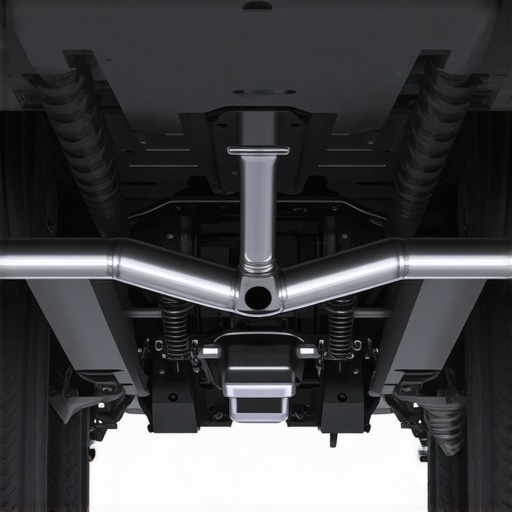
I remember the day I first noticed my car behaving oddly during a simple drive home. It sputtered unexpectedly at a stoplight, and I felt a strange hesitation every time I pressed the gas pedal. That moment was a lightbulb for me—something was off, but I didn’t understand what. It turned out, my catalytic converter was starting to clog, subtly but surely affecting my vehicle’s performance. That experience taught me a lot about how vital these components are, yet how easy it is to overlook their warning signs.
Many car owners don’t realize that their vehicle’s health often hinges on the condition of the catalytic converter, a crucial part of emissions control. When it gets clogged, your car may run rougher, waste more fuel, or even fail emissions tests. But here’s the thing: diagnosing a clog isn’t as straightforward as checking engine lights or listening for strange noises. That’s why I want to share with you 3 practical ways to tell if your catalytic converter is clogged. Whether you’re a seasoned DIYer or just want to be more informed before your next visit to the mechanic, these tips will help you become more confident about your car’s health.
Why Should You Care About a Clogged Catalytic Converter?
Most folks think about their brakes or oil changes because they see or feel something wrong. But your catalytic converter is a silent guardian, quietly working behind the scenes. When it gets blocked, it can cause serious issues—like reduced power, poor acceleration, and even increased emissions that can land you in trouble during inspections. Recognizing the early signs can save you from costly repairs down the line.
Concerned that it’s just another automotive hype?
Trust me, I once dismissed a slow decline in my fuel economy as just normal wear and tear. It wasn’t until I started experiencing frequent stalling that I realized something was genuinely wrong. Interestingly, the Environmental Protection Agency has noted that a clogged catalytic converter can lead to a notable dip in fuel efficiency—sometimes up to 25%. That’s a huge hit that hits your wallet harder than you’d expect.
So, if you’ve noticed your car isn’t running as smoothly as it used to, or if you’re just wondering whether that strange smell or sluggish response is worth a visit to the shop, stay with me. We’ll walk through some straightforward ways to identify a clogged converter before it causes real trouble.
What We’ll Cover Next
In the following sections, I’ll share practical, tried-and-true signs that point toward a clogged catalytic converter. Plus, I’ll give you some tips on how to check it yourself or when to seek professional help. Ready to take control of your vehicle’s health? Let’s dive into the first sign you shouldn’t ignore.
Listen to Your Engine’s Voice
Start your engine and give it a bit of gas. If you hear a deep, rumbling sound or notice a pronounced exhaust smell, these could be signs of a clogged converter. I vividly recall the time I started my car and immediately detected a sulfurous odor—an instant red flag. To confirm, perform a pressure test with a vacuum gauge, attaching it to the intake manifold and checking the readings against your vehicle’s specifications. This simple step revealed a significant pressure buildup, directly indicating a blockage. Remember, if your engine feels sluggish or hesitates under acceleration, it’s worth examining further.
Perform a Backpressure Test
Gather the Necessary Tools
You’ll need a backpressure gauge, available at auto parts stores. To set up, disconnect the oxygen sensor upstream of the catalytic converter to allow for accurate readings. Think of this process as taking a blood pressure reading—if the pressure is too high, your ‘blood’ (exhaust gases) cannot flow freely, causing performance issues. In my experience, using a diagnostic scanner alongside this test helps cross-verify readings.
Conducting the Test
Start the engine and observe the gauge. A reading above 3 psi (pounds per square inch) often suggests a clog. During a particular Sunday afternoon, I performed this test after noticing my car was underperforming. The gauge hit 6 psi, confirming the clogged state. This clarity pushed me to consider cleaning or replacing the converter promptly, preventing further damage.
Check for Physical Blockages
Remove the catalytic converter if possible and inspect visually. Look for carbon buildup or debris that might be blocking exhaust flow. When I checked mine, I found a layer of soot and small particles accumulated inside. Cleansing the catalyst with a specialized cleaner or replacing it entirely can restore airflow. Remember, a visual inspection can often expose the root cause of the issue more straightforwardly than guessing.
Use Car Diagnostics
Leverage OBD-II scanners to check for error codes like P0420 or P0430, which relate to catalyst system efficiency. If these codes appear alongside your symptoms, chances are high the converter is compromised. I once used a scanner during a visit to a local auto shop; the code confirmation prompted me to ask about a direct diagnosis of the converter. This approach can save time and money, especially when combined with physical and pressure testing.
Evaluate Fuel Economy and Vehicle Performance
Notice if your MPG drops significantly or if your vehicle struggles to get up to speed. In my case, a sudden 20% decline in fuel efficiency over a few weeks pointed to a possible converter issue. Tracking these changes helps build a case for further inspection. If your car shudders at low speeds or stalls unexpectedly at stoplights, these clues hint at airflow restrictions caused by a clogged catalytic converter, which you can learn more about here.
Be Proactive in Maintenance
Regular checks and timely repairs extend your vehicle’s life. If you suspect a clog, act quickly—cleaning might be enough if caught early, but replacement is sometimes unavoidable. From my own misadventure, I learned that neglecting signs can lead to costly engine damage. Use these methods routinely, and consult experienced professionals if uncertain, to keep your vehicle running smoothly and efficiently.
Many vehicle owners operate under misconceptions about brake service and auto repairs, often leading to costly mistakes. Contrary to popular belief, not all repairs are created equal, and a nuanced understanding can save you time and money. One common myth is that brake pads are the only critical component to replace during brake maintenance. In reality, other parts like rotors, calipers, and brake fluid play equally vital roles, and neglecting them can cause uneven wear or safety hazards. For example, replacing pads without checking rotors may result in premature pad wear or pulsating brake pedal sensations. It’s essential to ask your mechanic if they’ve inspected all related components, as some shops might skip steps to increase billing, a scam I advise you watch out for, especially when you want to avoid overpaying for repairs.
Why Do So Many Auto Repairs Fail to Address the Root Cause?
A frequent oversight is focusing solely on immediate symptoms rather than diagnosing the underlying issue. For instance, a soft brake pedal might prompt a quick replacement of brake fluid, but underlying issues like a failing master cylinder or air in the lines are often the real culprits. This approach can lead to recurring problems and wasted expenses. Expert mechanics recommend performing a thorough inspection, including a pressure test of the brake system, to identify hidden problems early. Ignoring these nuances may not only jeopardize safety but also cause repair costs to skyrocket over time. For more insights, see [why your car shudders at stoplights even after a recent tune-up](https://glassfixauto.com/why-your-car-shudders-at-stoplights-even-after-a-recent-tune-up).
Advanced Insight: How Can Modern Diagnostics Detect Hidden Faults?
Modern diagnostic tools extend beyond reading error codes; they enable technicians to analyze system performance comprehensively. Using advanced diagnostics can reveal issues like subtle sensor failures or internal transmission problems that are not immediately apparent. For example, a vehicle might exhibit uneven brake wear due to an electronic parking brake malfunction, which standard inspections could miss. The key takeaway is that relying solely on visual inspection or basic tests is a trap—upgrading your knowledge to include digital diagnostics can mean catching problems before they escalate. As noted by automotive experts, integrating these tools significantly improves repair accuracy and safety, preventing future breakdowns. If you want to avoid costly surprises, consider asking your repair shop about their diagnostic capabilities.
Certainly, doing your homework and understanding the finer points of auto repair can transform you from a passive vehicle owner into a knowledgeable participant. Remember, the goal is not just to fix what’s immediately broken but to ensure your car’s long-term health and safety. Have you ever fallen into this trap? Let me know in the comments.
Keeping Your Car in Top Shape with the Right Tools
Maintaining your vehicle over time requires more than just routine visits to the mechanic; it demands the right equipment and knowledge to troubleshoot and address issues early. I’ve found that investing in specific tools has saved me time and money, especially during those moments when a little DIY knowledge can prevent a costly repair. One of my personal favorites is a quality OBD-II scanner. It’s the first line of defense—allowing me to read error codes like P0420, indicating potential catalyst issues, before things escalate. I use brands such as BlueDriver because of their comprehensive data and user-friendly apps, which give me detailed insights into my engine’s health.
Alongside diagnostic tools, I recommend maintaining a set of basic hand tools including a digital multimeter, a torque wrench, and a vacuum gauge. The multimeter comes in handy for electrical checks, like testing sensors or fuses, while the torque wrench ensures you tighten bolts to manufacturer specs—preventing future leaks or component failures. The vacuum gauge is invaluable for diagnosing issues such as intake leaks or clogged valves, which can cause rough idling or poor acceleration. These simple tools, when used properly, empower you to spot issues early and potentially avoid diagnostic fees at repair shops.
For instance, when I started noticing my engine idling unevenly, I used my vacuum gauge to perform a quick test. The readings were off, indicating a possible leak. With this insight, I targeted the problem and fixed it—saving hundreds compared to a full diagnostic. I also utilize specialized additives, like fuel system cleaners, which help maintain optimal combustion and extend the life of components such as injectors and spark plugs. Regular use of these products, combined with proper tools, amplifies your ability to keep your vehicle running smoothly over the long haul.
How do I keep my vehicle’s systems calibrated and maintained over time?
Besides having the right tools on hand, following a proactive maintenance schedule is essential. This includes changing your synthetic oil at intervals suited to your driving habits, inspecting and replacing spark plugs regularly, and checking your coolant levels—especially if you notice discoloration like chocolate milk in the reservoir, which signals internal contamination.
Looking ahead, I predict that vehicle diagnostics will become increasingly digital, with more cars integrating AI-driven monitoring systems. Embracing these advancements now will allow you to stay ahead of potential issues and extend your car’s lifespan. Regularly updating your tools and staying informed through trusted resources can empower you to handle minor repairs confidently, avoiding unnecessary repairs and ensuring safety.
Where do I start improving my long-term vehicle care?
Begin by investing in an OBD-II scanner and familiarizing yourself with basic electrical checks. Then, schedule routine maintenance appointments not as a chore but as a chance to catch small issues early. Remember, the goal is to keep your car running smoothly for hundreds of miles ahead, and the right tools combined with a proactive approach make this possible. For example, learning how to check your spark plugs here can prevent misfires and improve fuel economy significantly. Take action today—try calibrating your settings or inspecting your sensors this weekend, and experience the peace of mind that comes with being in control of your car’s health.
Lessons That Changed My Perspective on Auto Repairs
- Discovering that some of the most effective fixes are surprisingly simple taught me to trust my instincts and avoid rushing to the mechanic for every minor issue.
- Realizing how easily scams can creep into auto repairs made me more vigilant, prompting me to educate myself on typical maintenance costs and procedures.
- Understanding the importance of proactive troubleshooting, especially with components like the catalytic converter, saved me time and money in the long run.
- Learning the value of quality tools empowered me to address small problems early, preventing bigger, costlier failures down the road.
- Recognizing the significance of comprehensive diagnostics, beyond just error codes, deepened my appreciation for modern vehicle technology and maintenance tactics.
Tools That Became My Guardians Against Costly Repairs
- An OBD-II scanner like BlueDriver, trusted for its accuracy and user-friendliness, has been indispensable in early detection of issues like catalyst inefficiency.
- A vacuum gauge proved instrumental in diagnosing intake leaks or clogged components before they impacted performance.
- Basic hand tools, including a torque wrench and multimeter, allowed me to perform reliable minor repairs and checks myself.
- Fuel-system cleaners and specialized additives have helped me maintain optimal engine health, extending component lifespan.
- Online resources and forums provided invaluable insights, guiding my DIY approaches with confidence.
Move Forward: Your Car’s Second Wind Awaits
Embracing hands-on maintenance and continuous learning transforms a vehicle from an expense into a trusted partner on the road. Start small—like checking your spark plugs or inspecting for exhaust odors—and build your capacity over time. Remember, investing in the right tools and knowledge not only saves money but also transforms the daunting into the manageable. Your journey toward mastering car care begins today—take action, stay curious, and enjoy the peace of mind that comes with being in control of your vehicle’s health.
What was the most surprising thing you learned about auto repairs, and how will you apply it? Share your insights below!
,
Comments are closed.