
It was the middle of winter, and I was stranded on the side of the road, engine sputtering and struggling to keep going. That moment, near tears and frustration, snapped me out of my complacency about routine maintenance. Many of us overlook simple tune-ups until we’re forced to face costly repairs or worse, engine failure. If you’re like I was, you might be asking, “Is it really worth the effort to do these small fixes?” Well, let me tell you, neglecting basic tune-up steps can lead to serious consequences, especially as our vehicles age and technology advances. Today, I want to share four simple yet effective fixes that can extend the life of your engine and keep you safely on the road.
The Power of a Small Tune-Up: Saving Big on Repairs
Imagine this: your engine’s performance is gradually declining, but you dismiss the signs because it seems minor. Maybe it’s slightly sluggish acceleration or increased fuel consumption. Early signs like these are often ignored, but they’re your vehicle’s way of signaling trouble. According to automotive experts, performing regular tune-ups can prevent major malfunctions and costly repairs. In fact, neglecting key maintenance can increase the risk of engine damage significantly. I learned this the hard way early in my driving years when a simple spark plug replacement was postponed, leading to engine misfires and a trip to the repair shop. That mistake cost me more than it should have—and I don’t want you to learn this the hard way.
Before diving into the specific fixes, I want to ask—have you noticed your engine feeling less responsive lately? Does your fuel efficiency seem to be taking a hit? If yes, then this article is definitely for you. Because understanding and acting on these small issues now can save you thousands later. And trust me, the difference it makes is huge.
Let’s get started. Our focus will be on straightforward, effective steps you can take yourself or easily have done at your trusted auto shop. These aren’t just quick fixes; they’re investments in your car’s longevity and your safety on the road. Ready to boost your engine’s performance and save some serious cash? Let’s go.
Is a Basic Tune-Up Actually Worth It in 2026?
At this point, you might be skeptical—”Does this really make a difference?” I get it. Early in my driving days, I believed that unless your car was flashing warning lights or making strange noises, skipping routine maintenance was fine. One mistake I made was ignoring that dull, weird smell during drives, which turned out to be a sign of exhaust system issues. Not only did that delay cost me more later, but it also put me at risk. Experts agree that proactive maintenance—like checking spark plugs, air filters, and fluid levels—can significantly cut down on repair costs and improve your vehicle’s reliability. For trusted tips, check out some [effective auto repair brake service strategies](https://glassfixauto.com/effective-auto-repair-brake-service-tips-for-safe-reliable-drives). Now, let’s move on to the practical steps you can take today to safeguard your engine in 2026 and beyond.
Check and Replace Spark Plugs for Smooth Acceleration
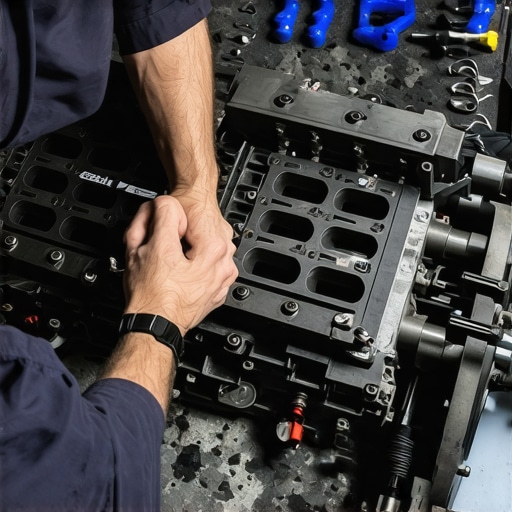
Start by locating your spark plugs—usually accessible under the engine cover. Gently disconnect the ignition coils, then remove the old spark plugs using a socket wrench. Inspect them for signs of wear or carbon buildup—if they’re worn out, replace them with new ones of the same type. This process is akin to replacing the spark plugs in a lawn mower: a simple task that dramatically improves engine ignition. I remember swapping mine on a rainy Saturday; afterward, my car responded more swiftly and used less gas, proving how crucial this step is. Proper spark plug maintenance ensures efficient combustion, improving performance and fuel economy.
Inspect and Replace the Air Filter for Better Airflow
The air filter acts as the lungs of your vehicle; a clogged filter hampers airflow, leading to sluggish acceleration and higher emissions. Locate the air filter housing—usually a rectangular box secured with clips or screws. Remove the cover, take out the old filter, and hold it up to a clean surface to see if it’s dirty or clogged. If it looks grimy or has debris, replace it with a new filter matching your car’s specifications. Think of this as cleaning your nasal passages—clear airways allow your engine to breathe freely, restoring power and efficiency. Once, I neglected this, and my engine sputtered; replacing the filter instantly perked up the drive, saving me fuel and costly repairs down the line.
Flush and Top Off Fluids for Optimal Engine Performance
Engine oil, coolant, brake fluid, and transmission fluid all play vital roles. Start by checking each fluid level with the dipstick or reservoir markings. If any level is low, top it off with the appropriate type—engine oil, coolant, or brake fluid—using a funnel to avoid spills. For a more thorough upgrade, consider flushing dirty fluids, especially engine coolant and transmission fluid, which can become contaminated over time. This process is comparable to changing the oil in a lawnmower to keep it running smoothly. During my last tune-up, I noticed sluggish acceleration until I replaced the engine oil; it improved engine responsiveness significantly. Regularly maintaining these fluids prevents overheating, extends component life, and keeps your engine running cleanly and efficiently.
Beyond the Basics: What Many Fail to Realize About Car Maintenance
While many drivers know that regular brake service and tune-ups are necessary, there’s a lot of misinformation surrounding these essential procedures. A prevalent myth is that if your car isn’t making noise or showing warning lights, everything is fine. However, experienced technicians warn that subtle signs often indicate underlying issues that, if ignored, can lead to costly repairs or safety hazards. For instance, a soft brake pedal might seem minor but could signal impending brake failure if not properly diagnosed. Relying solely on visual cues or noise can be misleading, making routine inspections crucial for catching these hidden problems early.
Why Does My Car Still Suffer from Brake Shudder After Service?
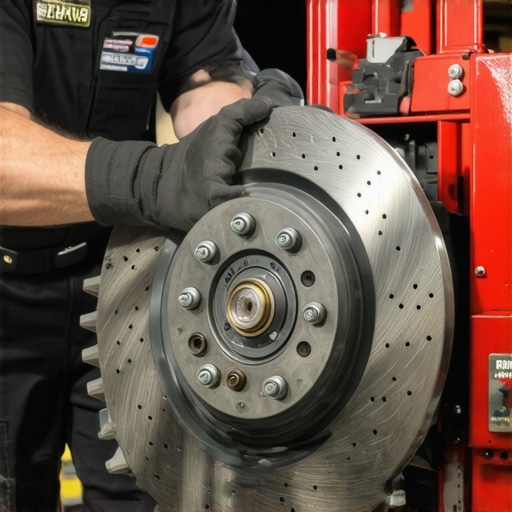
Many assume that if their brakes are serviced, problems like shuddering or vibrations will disappear permanently. In reality, these symptoms can recur if the root cause isn’t correctly addressed. Brake shudder often results from uneven rotor surfaces or slipping brake components, which require precise resurfacing or component replacement. It’s a common mistake to replace pads without inspecting rotors thoroughly. According to automotive experts, neglecting to assess the entire brake system during service can lead to short-term fixes that don’t resolve the real issue. To ensure complete safety and longevity, it’s essential to choose a reputable shop experienced in comprehensive brake diagnostics. For in-depth advice, check out effective strategies for reliable brake service.
Myth Busting: The Costly Truth About Routine Tune-Ups
Another misconception is that tune-ups are an outdated or unnecessary expense. In fact, modern vehicles require precise adjustments and part replacements, such as spark plugs, air filters, and fluid services, to operate efficiently. Postponing these can lead to engine lag, increased fuel consumption, and even engine damage. What’s often overlooked is the advanced technology integrated into newer cars, which demands tailored maintenance strategies. Skipping or delaying these tune-ups might save money upfront but result in significant costs down the line. Experts recommend following manufacturer schedules and consulting trusted sources to determine exactly what your vehicle needs. For more insights on extending your car’s lifespan through effective repairs, see top tune-up strategies for lasting performance.Maintaining a vehicle’s performance over the long haul requires more than just basic knowledge—it’s about having the right tools and adopting effective methods. One of my go-to equipment pieces is a quality OBD-II scanner, which allows me to diagnose issues before they escalate. I personally trust the Autel MaxiDiag series because it provides detailed codes and live data, making troubleshooting more precise and efficient. Plus, incorporating a high-quality torque wrench ensures that brake components are assembled correctly, preventing uneven wear or safety hazards. When it comes to routine inspections, I use a flashlight with adjustable brightness and a mirror on a flexible arm to access hard-to-see areas like the undercarriage or behind engine components. This setup helps me spot leaks, corrosion, or worn parts early, saving money and time.
Looking ahead, I predict that diagnostic tools will become increasingly integrated with smartphone apps, leading to smarter, more accessible vehicle maintenance. Already, there are platforms that interpret scanner data directly on your phone, providing actionable insights without needing a mechanic’s expertise. This trend makes regular DIY checks more feasible for everyone.
To keep your car in top shape, consider adopting these advanced tools and methods. For example, regularly using a diagnostic scanner can prevent unexpected breakdowns by catching issues early. If you haven’t tried it yet, invest in a reliable OBD-II scanner and make it part of your maintenance routine. For comprehensive guidance, you might check out expert recommendations on auto repair strategies that focus on proactive diagnostics, like those found at [effective auto repair brake service tips](https://glassfixauto.com/effective-auto-repair-brake-service-tips-for-safe-reliable-drives). Remember, consistent attention with the right tools is your best defense against costly repairs and downtime.Over the years, I’ve come to realize that the true wisdom of car maintenance isn’t just about the steps but about understanding how small fixes can prevent big headaches. One of the hardest lessons I learned was how neglecting minor tune-ups like replacing a worn spark plug can snowball into costly engine repairs—proof that proactive care is always cheaper than emergency fixes. I also discovered that honestly assessing your vehicle’s signs, like subtle vibrations or odd noises, is key; ignoring these can lead to safety risks and expensive repairs later. Trusting the advice of seasoned mechanics and sharing experiences can turn routine maintenance into an empowering routine rather than a chore. And finally, I realized that having the right tools, like a quality OBD-II scanner, transforms diagnostics from guesswork into confidence, saving time and money while giving peace of mind.
This post really hits home for me, especially the part about how neglecting simple tune-ups can lead to costly repairs down the line. I remember once delaying the replacement of my air filter because I thought it was no big deal, only to notice a dip in fuel efficiency and sluggish acceleration afterward. It’s incredible how such small steps can make a huge difference in the long run. I also find that using a decent OBD-II scanner has been a game changer for early diagnostics—I caught a coolant leak before it became a major issue. For others, have you found any reliable, budget-friendly diagnostic tools that help you stay ahead of potential problems? I think investing a little in these tools and regular maintenance can truly extend your vehicle’s lifespan and save money. It’s honestly about changing the mindset from reactive to proactive maintenance, don’t you think? Would love to hear what tips others have found effective in simplifying routine checks.