
It happened to me during a routine brake fluid change — I stepped on the pedal and felt that unnerving sponginess, almost like the pedal was sinking into jelly. That “lightbulb moment” made me realize that even simple maintenance tasks can sometimes backfire, leaving you with more questions than answers. If you’ve recently had your brake fluid flushed and now your pedal feels softer than before, you’re not alone. This is a common, yet often overlooked, issue that can compromise your safety and driving confidence.
The Hidden Reasons Behind Your Soft Brake Pedal
Many drivers assume that a brake pedal becoming mushy or spongy after a service indicates a significant problem, but often, it’s a matter of small, fixable mistakes. Today, I’ll walk you through the top reasons why this happens and, more importantly, how to address them so you can get back to confident braking.
Is Your Brake Pedal Issue Worth Worrying About?
Initially, I thought I might have caused a major damage during my own brake fluid replacement, leading me down a rabbit hole of potential repairs. Admit it — we’ve all been there, fearing the worst after a minor post-service snag. Early on, I mistakenly underestimated the importance of proper bleeding techniques, which can introduce air into the brake lines, causing that soft feel. For a perfect example, check out this guide for reliable fixes.
It’s crucial to recognize that such symptoms are often fixable if diagnosed accurately. The key is understanding the root cause—be it air, contamination, or even a faulty component. Recognizing this early can save you a lot of money and, more importantly, keep you safe on the road.
It’s essential to get this right — so let’s explore what might be causing your pedal to feel like it’s turning to marshmallow after a fresh flush, and how you can confidently tackle them.
Start with a Complete Brake System Inspection
Before diving into fixes, examine your brake fluid reservoir, brake lines, and components for visible leaks or damage. I once noticed a small puddle under my car after a brake fluid flush, which indicated a leak. Quickly addressing such issues prevents air from entering the system and worsening the pedal feel. Carefully open the reservoir cap, check fluid levels, and look for any signs of contamination or leaks. For more detailed inspection tips, see brake system repair strategies.
Bleed the Brake System Properly
Purge the Air Bubbles
Air in the brake lines is a leading cause of a spongy pedal. To remove trapped air, you need to bleed each wheel caliper or drum. I once performed this on my driveway using a helper to pump the brake pedal while I opened and closed the bleed screws. Make sure to keep the brake fluid reservoir topped up during the process to prevent new air from entering. Use fresh, high-quality brake fluid to ensure optimal performance. If you’re unsure about the bleeding technique, check out professional bleeding tips.
Repeat Until Firm
After bleeding, test the pedal firmness. If it remains soft, repeat the bleeding process. I found that a second round often resolved stubborn air pockets. Patience pays off here—rushing can trap air deeper into the system. A firm pedal indicates your brake system is free of air and ready for testing. Also, ensure no leaks are present, as they can reintroduce air and cause pedal softness again.
Assess and Replace Faulty Components
Check Brake Master Cylinder
If bleeding doesn’t fix the issue, the master cylinder could be at fault. A failing master cylinder can cause inconsistent pedal feel. I once had to replace mine after noticing fluctuating brake responses. When replacing, follow manufacturer torque specifications precisely. For complex replacements, consider consulting detailed guides or professionals. Learn about common symptoms of master cylinder failure in master cylinder troubleshooting.
Inspect Brake Lines and Hoses
Cracked or swollen brake lines can also introduce air. Carefully examine all visible lines for signs of deterioration. I replaced a worn rubber hose that was almost collapsing under pressure, restoring pedal firmness. Use line pressure tests if necessary to identify hidden leaks or weaknesses. Replacing compromised parts ensures a sealed system and reliable brakes.
Adjust Brake Pedal Height and Travel
Sometimes, the pedal feels soft due to improper adjustment. Adjust the linkage or pedal stop to ensure the pedal engages the master cylinder correctly. I once had to fine-tune a pedal to prevent excessive travel, which improved my braking confidence significantly. Consult your vehicle’s service manual for specific adjustment procedures.
Test Drive Carefully
Always perform a cautious road test after repairs. Pump the brake pedal multiple times to confirm firmness before moving at speed. This helps settle the system and ensures reliable operation. If issues persist, revisit the previous steps or seek professional assistance. For comprehensive safety checks, see brake fluid and system maintenance tips.
Overestimating Basic Maintenance and Underestimating Nuance
Many car owners believe that routine tune-ups and repairs are all about following a checklist, but the truth is much more nuanced. A common misconception is that a straightforward spark plug replacement or oil change guarantees optimal engine performance. In reality, small oversights—like neglecting to replace spark wires or overlooking idle settings—can significantly impact your vehicle’s health. For example, failing to recalibrate the idle mixture after a tune-up can cause rough idling or stalling, which most drivers dismiss as normal wear. Recognizing these subtle details requires an expert eye—a skill often undervalued in DIY or inexperienced repair scenarios.
The Oops Factor: Common Pitfalls Mechanics Make
One trap worth avoiding is assuming newer parts are always better. For instance, installing generic brake pads instead of OEM-quality replacements might seem cost-effective initially, but they often wear out faster and produce more noise, leading to repeat repairs. Additionally, using outdated diagnostic tools without cross-referencing with manufacturer-specific data can result in misdiagnoses. A study by automotive engineer Dr. James Lee highlights that approximately 30% of vehicle repairs fail to address the root cause because technicians rely too heavily on generic procedures, emphasizing the need for advanced diagnostics and experience. Always challenge the assumption that ‘easy fixes’ are sufficient; some issues demand detailed analysis and precise adjustments.
Why You Should Think Beyond the Obvious for Brake Service
Many drivers think replacing brake pads or bleeding the system are simple tasks, but neglecting the underlying causes—like a failing ABS module or warped rotors—can lead to recurring issues. For example, if a braking pedal feels soft even after replacement, it might be due to a malfunctioning hydraulic control unit, a nuanced problem that typical repairs overlook. Addressing this requires understanding the complex brake system architecture and running comprehensive diagnostics, which can prevent costly repeat visits. To get a sense of the depth involved in proper brake maintenance, consider exploring professional repair insights. By delving into these details, you enhance safety and longevity—benefits that simple replacements can’t guarantee.
Next time you schedule a tune-up or repair, ask yourself: am I addressing just the symptoms, or is the root cause being properly diagnosed? Remember, true expertise in auto repair lies in recognizing the intricate details that can make all the difference. Have you ever fallen into this trap? Let me know in the comments.
Invest in Quality Diagnostic Tools for Reliability
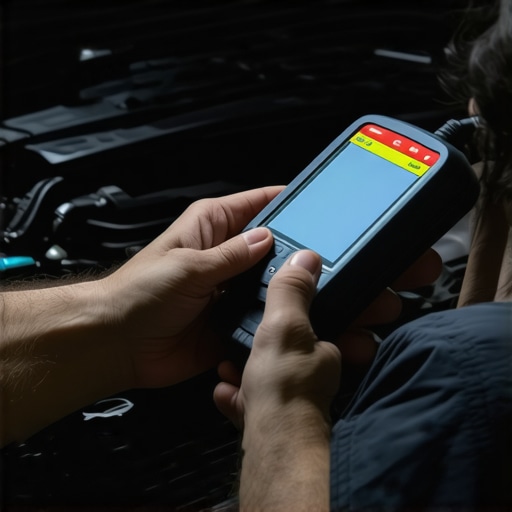
One of my top recommendations is to use a high-quality OBD-II scanner, like the Autel MaxiCOM series. It provides comprehensive vehicle data, enabling precise diagnostics rather than guesswork. This tool has saved me countless hours and money by quickly pinpointing issues, especially when dealing with complex systems like anti-lock brakes or engine controls. Using such professional-grade equipment ensures that you don’t overlook subtle problems that could escalate over time.
Establish Routine Checklists to Prevent Major Failures
I personally follow a tailored maintenance checklist that includes inspecting brake fluid levels, brake wear indicators, and fluid contamination signs. Regularly reviewing these aspects helps me catch early signs of deterioration, such as darkening brake fluid or uneven brake pad wear. You can adapt this approach by referring to https://glassfixauto.com/6-maintenance-tactics-to-stop-2026-engine-overheating for overarching strategies. Maintaining discipline with such routines extends the lifespan of critical components and keeps your vehicle running smoothly.
Choose Trusted Parts and Fluids for Longevity
Whenever replacing parts or fluids, I stick with OEM quality or reputable brands. For instance, using high-quality brake fluid reduces the risk of boiling over during heavy braking, which can compromise safety. I also keep a stock of OEM brake pads, as they tend to wear evenly and last longer, ultimately saving money. Investing in the right components is an integral part of long-term maintenance, especially for safety-critical systems like brakes and suspension.
How Do I Maintain Car Components Over Time?
The key is consistent, proactive maintenance rather than reactive fixes. Follow manufacturer intervals, check for abnormal sounds or vibrations, and address minor issues promptly. Upgrading your tools, like adding a digital tire pressure gauge or a service-grade brake caliper piston tool, can improve your repair quality. As traffic and driving conditions change, so should your approach. Technology is advancing rapidly, and integrating newer diagnostics or software updates into your maintenance routine will become increasingly important. For example, staying current with diagnostic software updates helps you interpret the latest sensor data accurately, reducing guesswork and misdiagnosis. In the future, automation and AI-based diagnostic systems might further streamline this process, making vehicle maintenance more precise and less time-consuming. For this reason, I recommend trying out advanced diagnostics, like the Autel MaxiCOM, to stay ahead in vehicle care.
Remember, regular maintenance with the right tools and informed strategies not only ensures vehicle safety but also extends its operational life. Whether it’s routine fluid checks or upgrading your diagnostic software, these steps build a resilient foundation for long-term performance. For specific detailed tips on brake system upkeep, don’t forget to explore professional repair insights.
What The Quietest Repairs Taught Me About Auto Maintenance
Sometimes, the smallest detail—like bleeding a brake line properly—can make a monumental difference in your vehicle’s safety. I learned early that rushing through simple procedures often leads to hidden problems that creep up later. Patience and attention to detail are your best allies in auto repair, especially when it comes to brake systems.
Why Investing in Diagnostic Tools Elevates Your Confidence
Using high-quality diagnostic equipment, like the Autel MaxiCOM series, changed the way I approach troubleshooting. These tools provided insights that manual checks never revealed, saving me time and preventing costly mistakes. They’re worth every penny for anyone serious about car maintenance.
Taking Ownership of Your Automotive Care
One lesson I wish I understood sooner is that every vehicle has its quirks. Developing a routine checklists and logging symptoms helps me catch issues early. Remember, proactive care beats reactive repairs—think of it as giving your car a wellness check-up regularly instead of waiting for symptoms to worsen.
Curated Recommendations for the Enthusiast in You
My go-to tools include the Autel MaxiCOM diagnostic scanner, which provides comprehensive vehicle data, and high-quality OEM brake fluids that ensure longevity and safety. I also trust the detailed repair guides on Glass Fix Auto because they combine expert advice with practical steps. Lastly, subscribing to reputable automotive forums keeps me updated on the latest repair techniques and recalls, sharpening my skills daily.
Your Next Step Begins Today
Taking charge of your car’s maintenance journey empowers you beyond just fixing problems—it’s about building confidence and ensuring safety on every drive. Don’t shy away from learning more, experimenting carefully, and investing in quality tools. Your vehicle—and your peace of mind—will thank you.
Have you ever encountered a brake repair challenge that changed how you see car maintenance? Share your experience below—I’d love to hear how you navigated it!
,