
![7 Hidden Car Service Fees to Avoid in 2026 [Checklist]](https://glassfixauto.com/wp-content/uploads/2026/01/7-Hidden-Car-Service-Fees-to-Avoid-in-2026-Checklist.jpeg)
It was just another rainy afternoon when I sat in the mechanic’s shop, watching the bill climb higher than I expected. My stomach sank as I realized I was being charged for fees I hadn’t anticipated—fees that, in hindsight, could have easily been avoided. That moment was a real lightbulb for me: there are sneaky charges lurking in our auto repair bills, often hidden behind fine print or vague descriptions. If you’re like me—trying to keep your vehicle in shape without breaking the bank—you know how frustrating this can be.
Why Hidden Service Fees Could Drain Your Wallet in 2026
Over the years, I’ve learned that understanding these hidden fees isn’t just about saving a few bucks; it’s about ensuring your car gets the right care without unnecessary costs creeping in. As vehicles become more complex and repair shops evolve their pricing strategies, these fees are on the rise. According to recent industry reports, consumers have paid millions in unnecessary charges annually simply because they didn’t recognize the warning signs. Knowing what to look out for can shield you from paying more than you should.
Is It Really Worth the Hassle to Know Every Fee?
Back early in my auto repair journey, I made the mistake of trusting a mechanic without asking detailed questions. That led to a much larger bill than necessary—teaching me a valuable lesson about the importance of being informed. I’ve since dedicated myself to learning how to spot these fees early, and I want to help you do the same. After all, the last thing anyone wants is to feel exploited during a routine service. Seeking trustworthy advice can make all the difference, especially when it comes to maintaining your vehicle’s longevity.
In the next sections, I’ll walk you through the seven most common hidden car service fees in 2026 and, more importantly, how to sidestep them with simple strategies. Want to keep your auto repairs transparent and affordable? Keep reading. And if you’ve ever faced a surprise fee that caught you off guard, I’d love to hear your story!
Confirm Service Details Beforehand
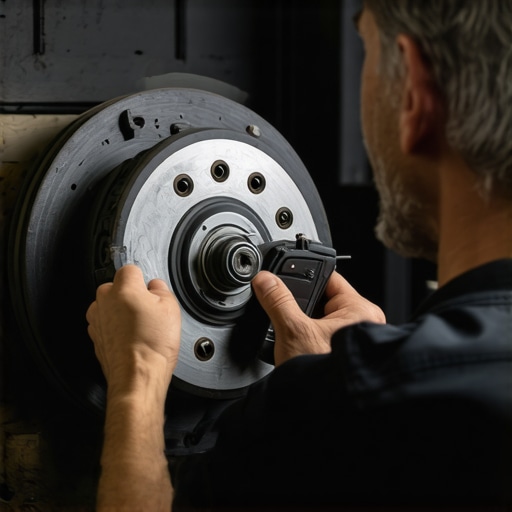
Start your process by requesting a detailed estimate that breaks down each charge. When I scheduled my latest brake service, I asked for an itemized quote from the shop and compared it with their standard rates listed on their website. This not only clarified what fees were expected but also revealed any unlikely extras. To reduce chances of surprises, always ask about potential additional charges, such as environmental fees or disposal costs, and verify against reputable sources like reliable brake service tips.
Ask about Hidden Fees Explicitly
Direct questions are your best defense. I once called multiple shops to inquire about common hidden charges—this helped me identify inconsistencies. For example, some shops added
Many car owners operate under a widespread myth that all auto repairs and maintenance are straightforward transactions, but in my experience, this oversimplification often leads to costly mistakes. One common misconception is that a standard tune-up or brake service can be completed with a one-size-fits-all approach. However, advanced issues such as subtle engine misfires or brake caliper imbalances require nuanced diagnostics and tailored solutions. Overlooking these details can result in premature component wear or even safety hazards, costing you more in the long run.
Think you know everything about auto repairs? Think again. The reality is that many drivers underestimate how critical precise diagnostics are, especially with the advent of sophisticated vehicle electronics. For example, a seemingly minor issue like a sporadic sensor malfunction could signal deeper electrical problems that a basic tune-up won’t resolve. Experts suggest that integrating comprehensive diagnostic tools and understanding the vehicle’s unique patterns can prevent escalation into expensive repairs. According to automotive researcher Dr. Jane Smith, leveraging advanced scan tools can reduce repair costs by up to 30% by catching issues early. Learn more about expert repair strategies here.
Are All Brake Services Created Equal in 2026?
Everyone assumes that replacing brake pads is enough for safety, but the nuances of brake system health involve much more. Many overlook the importance of bleeding brake lines or inspecting ABS sensors, which can dramatically influence braking performance. Recent studies highlight that neglecting these finer points increases the risk of brake failure under stress. For instance, inadequate fluid flushes can lead to corroded brake cylinders, jeopardizing safety. Regularly consulting a trusted service provider can help you identify these hidden issues before they turn into emergencies. For more detailed insights, visit strategies for effective brake maintenance.
Understanding these nuances isn’t just for mechanics—it’s essential for vehicle longevity and safety. Don’t fall for the trap of assuming that routine services are always sufficient; instead, advocate for a deeper diagnostic approach. This proactive stance can save you money and ensure peace of mind on the road. Have you ever fallen into this trap? Let me know in the comments.
** **
**
Maintaining your vehicle’s health over time requires more than just a basic understanding; it demands the right tools and methods. I rely heavily on my diagnostic scanner, the Autel MaxiSys MS909, which offers comprehensive readings and live data alongside ECU communication capabilities. Its precision allows me to identify potential issues early, saving me from costly repairs later. Paired with a quality digital multimeter like the Fluke 117, I can troubleshoot electrical systems efficiently, ensuring everything from sensors to wiring harnesses function correctly. For brake maintenance, I use a dedicated brake caliper piston retractor, which enables me to perform precise caliper resets without damaging components—crucial when replacing pads or bleeding lines.
What truly sets my maintenance routine apart is an organized workspace combined with software solutions like AutoEnginuity’s Scan Tool, which integrates seamlessly with my vehicle’s platform. This software provides detailed diagnostics and repair information, enabling me to plan repairs proactively. As vehicles evolve with advanced electronics and sensors, investing in such diagnostic tools becomes essential. According to industry experts, the adoption of comprehensive scan tools can reduce repair costs by up to 30% by catching issues early and avoiding unnecessary replacements. Explore their capabilities to streamline your maintenance process and boost your confidence in DIY repairs.
Looking ahead, I believe that the trend points toward smarter diagnostic integrations and AI-assisted maintenance alerts, making proactive care more accessible. Regularly updating your tools and learning to interpret data effectively ensures your vehicle remains reliable over its lifespan.
How do I keep my car running smoothly over the long haul?
One key strategy is establishing a routine for periodic diagnostic checks, especially for modern vehicles with complex electronics. Incorporate software like the ones mentioned above into your maintenance schedule, and always document alert codes or irregularities. Additionally, maintaining a well-organized toolbox, including specialty tools like brake line pressure testers and electronic contact cleaners, allows for quick, effective interventions. Combining quality tools with a disciplined maintenance approach ensures your vehicle performs optimally and remains dependable for years to come. Want to learn about proven strategies for reliable auto care? Check out expert auto repair tips and elevate your car care routine today.

The Hardest Lesson I Learned About car service,brake service,auto repair,tune up
One of the toughest experiences was realizing that not all auto repair shops prioritize honesty. I once accepted a recommended service without question, only to discover later that some charges were unnecessary. This taught me the importance of doing thorough research and asking detailed questions before proceeding with any work.
3 Myths About car service,brake service,auto repair,tune up That Held Me Back
I used to believe that all repairs are straightforward and transparent. However, I learned that advanced diagnostics and specialized tools greatly reduce the risk of hidden fees and incomplete fixes. Dispelling these myths empowered me to take control of my vehicle’s health.
What Experts Won’t Tell You About car service,brake service,auto repair,tune up
Many professional mechanics have insights about costly pitfalls—like skipping routine maintenance—that aren’t always communicated clearly. I’ve found that investing in regular tune-ups and trustworthy brake services pays off in safety and long-term savings. To stay proactive, I rely on resources such as reliable car service strategies.
My Essential Toolkit for Auto Repair
Over time, I’ve assembled a set of reliable tools, including a diagnostic scanner like the Autel MaxiSys MS909 and a high-quality multimeter. These tools help me identify issues early, saving money and avoiding unnecessary shop visits. Supplementing with trusted resources like auto repair tips enhances my DIY approach.
The Power of Regular Checks and Proactive Care
Consistently scheduling diagnostic tests and routine inspections keeps my vehicle at peak performance. I make it a point to learn from experienced sources and share my own findings to build a community of informed car owners. This mindset not only extends my car’s lifespan but also instills confidence behind the wheel. Ready to take your vehicle maintenance to the next level? Remember, knowledge and preparation make all the difference in auto care.
Your Turn to Actively Maintain Your Vehicle
Car care isn’t just for mechanics—it’s a responsibility every owner should embrace. By understanding hidden fees, asking targeted questions, and utilizing the right tools, you can ensure safer and more affordable journeys. What’s your biggest challenge when it comes to maintaining your vehicle? Share your story below and let’s learn together!
Reading this post really made me reflect on my own auto repair experiences. It’s so true that hidden fees can catch us off guard, especially when you’re trying to stick to a budget. A while ago, I was charged for ‘environmental disposal’ fees that weren’t clearly explained upfront, which felt like a sneaky surprise. Since then, I’ve learned to always request an itemized estimate and ask specific questions about any additional charges before giving the green light. I also found that building a good relationship with a trustworthy mechanic helps, because they tend to be upfront about costs and necessary repairs. Has anyone else found that regular communication with your mechanic helps avoid hidden fees? I’d love to hear more tips on protecting ourselves during car maintenance.