

Nothing is more frustrating than hearing a strange noise from your car just when you need it most—whether it’s the squeal of brakes or a sluggish engine. I remember the moment vividly: I was rushing to an important meeting when my car suddenly lost power, and I realized I had neglected regular tune-ups and maintenance. That lightbulb moment made me confront the truth—skipping routine service is a gamble with your vehicle’s reliability.
Why Proper Car Maintenance Can Save You Money and Stress
In my early days of driving, I used to think that occasional repairs were enough to keep my car running smoothly. Boy, was I wrong. Regular tune-ups and trusted auto repairs are like preventive medicine for your vehicle. They help identify issues before they become costly problems, and they ensure your car performs at its best. In fact, studies show that timely auto service can extend the lifespan of your vehicle significantly, saving you thousands in the long run. If you’re questioning whether your vehicle truly needs a tune-up now, you’re not alone.
Is All the Maintenance Really Necessary or Just a Marketing Gimmick?
I was once skeptical myself, thinking some services were just unnecessary upsells. My mistake was overlooking the importance of scheduled inspections and maintenance strategies. Reliable car care isn’t about wasting money; it’s about safeguarding your investment. For clear guidance and trusted advice, check out our comprehensive guide on auto repair and tune-up tips for lasting trust. Proper maintenance not only prevents breakdowns but also keeps your car behaving predictably, saving you from those unexpected, inconvenient failures.
Now, let’s explore how you can implement a straightforward, effective plan to keep your vehicle performing at its peak. Trust me, once you establish a routine, you’ll be surprised at how much smoother—and safer—your driving experience becomes.
Start with a Visual Inspection
Before diving into complex repairs, perform a thorough visual check of your vehicle. Look for signs of wear, fluid leaks, cracked hoses, or corrosion on battery terminals. I once noticed a loose belt during a quick visual inspection, which prevented a sudden breakdown. Keep an eye out for things that look out of place; they can save you hours and dollars in the long run.
Change the Oil and Filter Correctly
Replacing engine oil is like giving your car a breath of fresh air. Use the manufacturer-recommended oil type and viscosity, and be sure to drain the old oil into a container for proper disposal. When I did this last year, I used a digital oil drain pan to avoid messes. Remember, a clean filter ensures that dirt and debris don’t circulate back into your engine, maintaining optimal performance.
Inspect and Replace Spark Plugs
Think of spark plugs as the ignition team for your engine—they need to fire on all cylinders. Remove and examine the plugs for erosion, carbon buildup, or worn electrodes. I replaced my spark plugs for the first time based on a mechanic’s advice and immediately noticed smoother acceleration. Use a torque wrench to tighten them to specifications to prevent damage.
Check and Top Off Fluids
Cooling, brake, transmission, and power steering fluids all require periodic attention. Use a clean cloth to wipe dipsticks and check fluid levels against the marked range. During my last tune-up, I discovered my coolant was low; topping it off prevented overheating on a hot summer day. Consider flushing and replacing fluids according to your service schedule for long-term reliability.
Replace or Inspect the Air Filter
An often-overlooked component, the air filter impacts engine efficiency. Remove and inspect it; if it’s clogged or dirty, replace it with a filter that matches your car’s specifications. I once neglected this step and saw a dip in fuel economy, which improved significantly after a simple filter change. A clean filter ensures your engine breathes properly.
Assess Brake System Components
Your brakes are vital for safety. Examine brake pads for thickness—replace them if they’re worn below 3mm. Inspect rotors for scoring or warping; sometimes a simple resurfacing does the trick, but if they’re too damaged, new rotors are needed. I learned this the hard way when I ignored squealing brakes, leading to more costly repairs. For detailed guidance, visit our brake service tips.
Test Drive and Listen for Irregularities
After completing these steps, take your car for a test drive. Pay attention to unusual noises, vibrations, or smells. Listen for squeals during braking or rough idling. I once ignored a faint squeak and ended up needing to replace worn brake pads later. Your senses are your best tools—use them to catch issues early.
Create a Maintenance Schedule
Finally, record your work and set reminders for future checks. Developing a routine prevents neglect and prolongs your vehicle’s lifespan. Mark dates on your calendar or use a maintenance app to stay organized. Consistency is key—think of it as regular health check-ups for your car.
While many believe that a basic oil change or brake check suffices, the reality is more nuanced, especially for seasoned car owners aiming for longevity and reliability. One common myth is that auto repairs are always about fixing what’s broken; in truth, proactive tuning can prevent issues from ever manifesting. Overlooking this nuance leads to costly surprises that could have been avoided with a deeper understanding of vehicle systems.
Many assume that all auto repairs are created equal or that a quick fix now will last forever. However, improper diagnosis often results in recurring problems, highlighting the importance of identifying root causes rather than temporary solutions. For advanced insights into diagnostics and maintenance, check out our detailed guide on reliable auto repair and tune-up strategies.
A critical point often ignored is the importance of nuanced maintenance, especially with brake systems. Many drivers focus solely on pad thickness, neglecting rotor condition or brake fluid quality. This oversight can compromise safety and lead to uneven wear or brake failure. For an in-depth look at maintaining braking systems, explore our comprehensive brake service tips.
What mistakes do even experienced mechanics sometimes make in diagnosing auto issues?
An advanced mistake is relying too heavily on diagnostic tools at the expense of traditional inspection methods. While electronic diagnostics are invaluable, ignoring visual inspections or listening for unusual sounds can lead to a missed problem. Research from automotive experts indicates that combining both approaches improves diagnosis accuracy significantly.(^1^) Therefore, blending modern technology with manual checks ensures thorough maintenance.
Be aware of the ‘oops’ trap: assuming that a service recommended by a dealership or quick-fix shop is necessary without understanding your specific vehicle’s needs. Frequently, customers are sold services they don’t need—like replacing a perfectly fine part—simply because the shop profits from upsells. Always seek reputable advice and refer to trusted sources, such as our auto repair tips for lasting trust, to inform your decisions.
Remember, mastering the subtleties of car maintenance isn’t just for mechanics—it benefits every driver committed to safety and vehicle longevity. Next time someone dismisses routine service as unnecessary, consider the complex interplay of systems hidden behind the hood. Have you ever fallen into this trap? Let me know in the comments.
Keeping Your Auto in Peak Condition with the Right Tools
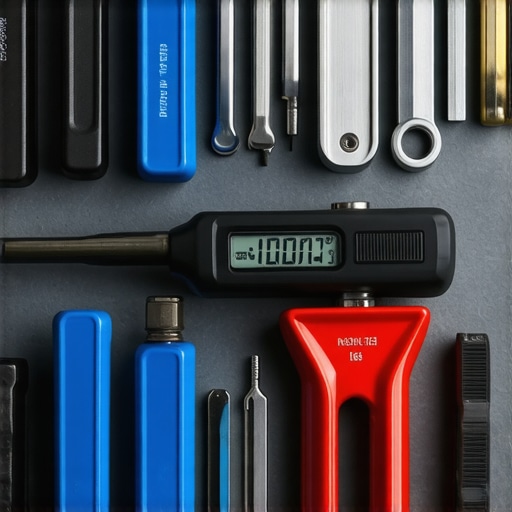
Successfully maintaining your vehicle over time hinges on having the right equipment and understanding their proper use. I personally rely on a digital torque wrench for tightening critical components like spark plugs and lug nuts. Unlike basic torque wrenches, my digital model offers precise readings, preventing over-tightening that can damage parts or under-tightening that risks safety. It’s an investment that pays off by ensuring consistent, safe repairs and tune-ups, especially when you perform tasks yourself or oversee repairs. Additionally, a magnetic pick-up tool helps retrieve dropped fasteners from hard-to-reach areas—trust me, nothing’s more frustrating than losing a bolt during a repair. For fluid checks, a high-quality, clear plastic funnel makes refilling quick and spill-free, maintaining cleanliness and ensuring no contamination occurs. Remember, using the proper tools not only makes repairs easier but also enhances long-term reliability.
How do I maintain my tools over time?
To keep my tools in top shape, I regularly clean and lubricate them, especially moving parts like ratchets and adjustable wrenches. I also store them in a dedicated toolbox to prevent rust and damage. Calibrating sensitive equipment, such as torque wrenches, annually ensures accuracy, which is vital for safety-critical repairs. Investing in quality tools for your auto maintenance tasks will pay dividends in durability and precision, ultimately extending the lifespan of your vehicle and maintaining optimal performance. With the automotive technology evolving rapidly, I predict that digital diagnostic tools and laser measurement devices will become standard for DIY enthusiasts, providing insights previously only available at professional garages. Start by upgrading your basic toolkit with a reliable digital torque wrench—it’s a game-changer for consistent, safe repairs. For more expert advice on maintaining your vehicle’s performance, check out our guide on top-tune-up strategies for lasting vehicle performance.
What I Wish I Knew About Auto Maintenance Early On
One of the most eye-opening lessons I learned was the importance of addressing minor issues before they escalate. A simple cracked hose or worn brake pad can become a costly repair if ignored. Embracing routine inspections transformed my approach to car care, saving me money and stress. Additionally, understanding the value of quality tools, like a reliable torque wrench, made repairs more effective and safer. The biggest lightbulb moment was realizing that consistent maintenance isn’t just about fixing problems—it’s a proactive strategy to ensure safety and longevity for your vehicle.
Tools and Resources That Changed My Approach to Car Care
If you want to elevate your auto maintenance game, investing in the right tools is crucial. A digital torque wrench ensures that you tighten components to manufacturer specifications, preventing damage. A magnetic pick-up tool helps retrieve dropped fasteners in tight spots, saving time and frustration. For expert guidance, trusted sources like our comprehensive repair guides provide valuable insights. Additionally, using quality service products and following structured maintenance schedules from reputable sites can make the entire process more manageable and reliable.
Take Charge of Your Car’s Future Today
Getting comfortable with routine auto maintenance is a transformative step towards dependable vehicle ownership. The more you learn and apply, the safer and more confident you’ll feel behind the wheel. Remember, upgrading your skills and understanding your car’s needs not only saves money but also builds trust in your vehicle’s ability to serve you faithfully. So start small, stay consistent, and enjoy the peace of mind that comes with a well-maintained car. Your journey to reliable auto care begins now—are you ready to take the first step?