
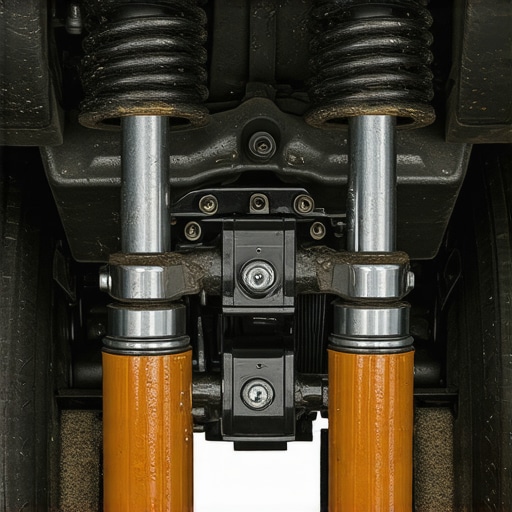
I remember the day I heard that dreaded squeak when I hit a bump. At first, I thought, “It’s just those old, worn-out suspension parts,” but then I noticed how my car started to feel off—like it was just not quite right. That lightbulb moment hit me: maybe it wasn’t just squeaky wheels, but something more serious lurking beneath. Turns out, many drivers dismiss suspension noises as minor, only to pay the price later with costly repairs.
Why Ignoring These Signs Could Cost You Big Time
I’m here to tell you that understanding the difference between a squeak and a serious suspension problem can save you money and keep you safe on the road. Today, we’ll uncover the seven key signs that your struts are actually shot—not just making noise but threatening your entire ride. I’ve learned from experience and a bit of trial and error—trust me, early detection is everything.
Is the Squeak Just a Noise or a Warning?
One mistake I made early on was assuming all suspension noises are harmless. I ignored that persistent squeal, thinking it would go away. Spoiler alert: it didn’t. According to experts, suspension components like struts can wear out gradually, leading to compromised handling, uneven tire wear, and even dangerous driving conditions. Recognizing these symptoms early can make all the difference. For more insights, check out this article on signs your struts are failing.
Now, let’s dive into how you can spot the real trouble before it becomes a costly headache, saving you money, time, and potentially your safety. Keep reading—your car will thank you!
Start with a Visual and Physical Inspection
First, park your car on a level surface and turn off the engine. Carefully inspect the suspension components beneath your vehicle for any visible signs of wear, such as leaking fluid around the struts, broken or cracked mounts, or excessive rust. Use a flashlight to get a clear view into hard-to-see areas. Place a hand on the top of each tire and have an assistant gently push down on the bumper or use a jack to lift and release the vehicle’s body. This bounce test helps identify if the suspension is functioning properly. If the car continues bouncing after the initial press, it’s a sign your struts may be tired.
Listen for Unusual Noises During a Drive
Take your car for a short drive over bumps or uneven pavement. Pay close attention to any squeaks, knocking sounds, or clunking noises, especially when turning or braking. I once noticed a persistent knocking over potholes that I initially dismissed, but after reading online, I learned it could indicate worn struts. If the suspension feels jittery or you notice noise variations, it’s time to investigate further. Remember, sounds are often a delayed symptom that points to deeper issues.
Evaluate Handling and Stability
Next, assess how your car behaves during steering. Does it feel loose, or does it sway excessively? Try a gentle turn at moderate speed and observe whether the car responds predictably. A wobble or excessive body roll can be signs of failing struts or shocks. I once experienced a noticeable looseness in my steering when approaching a sharp turn; a quick inspection revealed my struts were no longer absorbing impacts properly, jeopardizing handling safety. Poor handling is a red flag that your suspension needs attention.
Check Tire Wear Patterns
Uneven or premature tire wear can indicate suspension problems, including worn struts. Pull over and scan your tires for cupping, scalloping, or feathering—these irregular wear patterns mean your suspension isn’t keeping the tires in proper contact with the road. I noticed my front tires developing scalloping patterns after neglecting suspension checks, which led me to a mechanic and ultimately saved me from costlier repairs. Regularly inspecting tire wear can serve as an early warning system.
Perform a Ride Quality Test for Comfort
Finally, consider how comfortable your ride feels. A sudden increase in vibrations, the feeling of bumps traveling through the steering wheel, or harsh rides suggest compromised shock absorption. During a routine drive, I noticed my car bouncing harshly after striking a small pothole. This prompted a quick ride-test, confirming my struts were failing. Replacing them restored smoothness and safety to my drive. Remember, your suspension’s main role is to provide comfort and control, so don’t ignore these tactile cues.
Always consult a professional mechanic to confirm your suspicions before replacing parts yourself. Proper diagnosis ensures you’re fixing the right problem and avoiding unnecessary expenses. Coordinating with certified experts, like those at this resource, can guide you through the process.
Most car owners operate under certain assumptions about vehicle service that aren’t just incorrect—they can lead to costly mistakes. One widespread myth is that all mechanic shops are equally trustworthy, but in my experience, the quality of service varies significantly, and choosing the wrong shop can mean subpar repairs or unnecessary replacements. Always look for reputable certifications and reviews before trusting your vehicle to a mechanic. For example, a consultation with a certified technician can reveal whether your brake fluid needs replacing, which many drivers ignore, leading to brake failure over time. Learn more about the dangers of mixing different brake fluids, which can cause severe braking issues, by visiting this guide.
Are Cheap Repairs Saving You Money or Harming Your Car?
Another common trap is opting for the cheapest service options, assuming they are equally effective. But often, inexpensive repairs use inferior parts or skip essential steps, compromising safety and durability. For instance, neglecting a proper tune-up can lead to engine misfires or poor fuel economy, which might seem like a saving initially but ends up costing more. Studies suggest that skimping on essential maintenance can accelerate component wear, leading to expensive replacements. Always prioritize quality over price when it comes to critical repairs—your safety and wallet will thank you. If you’re unsure about when to replace a component, such as a timing belt or a fuel injection system, checking expert advice can save you from unexpected breakdowns.
Why Thinking a Tune-Up is Just a Quick Fix Can Backfire
Many drivers believe that a simple tune-up is a cure-all for vehicle issues, but that’s an oversimplification. A tune-up typically involves replacing spark plugs, filters, and inspecting belts—it’s preventative, not corrective. Assuming a tune-up will fix major problems like poor acceleration or engine stuttering can lead to overlooked issues like a failing sensor or clogged injectors. For example, a problematic sensor might cause your engine to run inefficiently, but a basic tune-up won’t resolve it. Diagnosing these nuances requires an expert approach—something DIY repairs can’t always achieve. Additionally, neglecting to address underlying issues can turn minor repairs into major overhauls down the line. To learn how sensor issues can impact fuel economy, visit this article.
Understanding these subtleties in car service isn’t just about saving money—it’s about maintaining safety and prolonging your vehicle’s lifespan. Don’t fall into common myths or shortcuts that seem tempting but could lead to bigger problems.
Have you ever fallen into this trap? Let me know in the comments and share your experiences with car maintenance misconceptions!
Mastering Maintenance with the Right Tools
Consistent car care isn’t just about quick fixes; it requires specialized tools that provide accuracy and durability. I personally rely on a high-quality digital multimeter from Fluke because it accurately diagnoses electrical issues, helping me pinpoint problems like failing sensors or battery drains before they turn into costly repairs. Additionally, a torque wrench ensures that lug nuts are tightened to manufacturer specifications, preventing uneven tire wear and wheel problems—a crucial step I emphasize to every DIY enthusiast I mentor.
Leveraging Software for Better Auto Care
Modern vehicles are packed with sensors and computer systems, making diagnostic software indispensable. I swear by OEM-specific scan tools like Autel Maxidiag Elite because they allow me to read and clear fault codes efficiently, without unnecessary guesswork. These tools also enable me to monitor real-time data, which is vital during inspections, ensuring every component functions within optimal parameters. As vehicle technology advances, integrating software diagnostics into routine maintenance will become even more essential, predictive, and cost-effective.
Scheduling and Performing Routine Checks
Establishing a maintenance schedule tailored to your vehicle’s make and model maximizes longevity. I recommend setting reminders for fluid replacements, filter checks, and suspension inspections. For instance, regularly checking brake fluid levels and quality—using a simple tester—can preempt brake failure. Consistency in these practices prevents small issues from snowballing into major expenses, and digital logs help track wear patterns over time, giving you insights into when parts might need replacement.
How do I keep my car running reliably over time?
One effective method is performing both visual inspections and functional tests periodically. For example, inspecting your tires for uneven wear patterns and referring to this guide helps you understand alignment or suspension issues early. Pair this with a ride quality assessment—if your vehicle feels off or handling deteriorates, it’s time to dig deeper with diagnostic tools. Such proactive measures save money and ensure your safety on every trip.
Planning for Future Trends in Car Maintenance
Looking ahead, the integration of AI-driven diagnostics and wireless sensors promises to revolutionize auto care, making predictive maintenance standard. The trend points toward vehicles that alert you of issues before symptoms appear, drastically reducing downtime and repair costs. Embracing these innovations now, through tools like connected scan modules and telematics, will keep your maintenance routine ahead of the curve—transitioning from reactive fixing to proactive prevention.
For those committed to extending their vehicle’s lifespan, I suggest trying out advanced diagnostic procedures like testing battery health with a multimeter before experiencing unexpected breakdowns. Taking control with these precise tools makes a noticeable difference. Want to see immediate results? Start by checking your battery’s voltage—anything below 12.4 volts could indicate it’s time for a replacement, which can be a game-changer for long-term reliability.
Remember, investing in the right tools and adopting a scheduled, informed maintenance approach is key. As technology evolves, staying updated with the latest equipment will ensure your car remains dependable, safe, and efficient for years to come.
,
Lessons That Changed My Approach to Car Care
- One of the hardest lessons I learned was that a seemingly minor squeak isn’t just an annoyance—it’s a cry for help from your vehicle. Ignoring early signs like uneven tire wear or poor handling can lead to catastrophic failures and expensive repairs. The moment I realized that suspension issues often manifest subtly, I started catching problems early and saved myself thousands.
- I also discovered that not all diagnostic tools are created equal. Investing in quality equipment like an OEM-specific scan tool transformed the way I troubleshoot, making sure I fix the root cause rather than just the symptom. This shift from guesswork to precision changed my entire maintenance routine.
- Perhaps most importantly, I learned that routine checks and proactive maintenance aren’t just recommended—they’re essential. Setting regular reminders for fluid changes and inspections helped me avoid breakdowns and kept my car running smoothly for years. Recognizing warning signs early truly does make all the difference.
Tools and Resources That Have Guided Me
- Autel Maxidiag Elite: This diagnostic scanner has been a game-changer, allowing me to read and clear fault codes efficiently without relying solely on mechanics. Its real-time data monitoring keeps me informed about my vehicle’s health at all times.
- Fluke Digital Multimeter: Accurate electrical diagnosis is critical, and I trust this multimeter to detect issues like failing sensors or battery drains before they cause emergencies. Personal experience has shown that early detection saves money and stress.
- Expert Articles and Guides: Resources like this guide on brake fluid compatibility and others provide invaluable insights that empower me to make informed maintenance decisions. Learning from trusted sources has reinforced my confidence in performing DIY repairs safely.
- Regular Professional Inspections: While DIY checks are helpful, nothing replaces the value of professional assessments. Periodic visits to certified mechanics ensure that subtle issues, especially with suspension components, are caught early, maintaining safety and reliability.
Your Turn to Embrace Smart Car Care
Taking control of your vehicle’s well-being isn’t just about avoiding costly repairs; it’s about ensuring safety, comfort, and peace of mind on every journey. Remember, the key lies in recognizing signs early, leveraging the right tools, and staying informed through reliable resources. Don’t wait for that first squeak or wobble—be proactive, and your car will thank you for years to come.
What’s the most surprising thing you’ve learned about maintaining your vehicle? Share your story below and inspire others to stay ahead of car troubles!
}#}#}#}#}#}#}#}#}#}#}#}#}#}#}#}#}#}#}#}#}#}#}#}#}#}#}#}#}#}#}#}#}#}#}#}#}#}#}#}#}#}#}#}#}#}#}#}#}#}#}#}#}#}#}#}#}#}#}#}#}#}#}#}#}#}#}#}#}#}#}#}#}#}#}#}#}#}#}#}#}#}#}#}#}#}#}#}#}#}#}#}#}#}#}#}#}#}#}#}#}#}#}#}#}#}#}#}#}#}#}#}#}#}#}#}#}#}#}#}#}#}#}#}#}#}#}#}#}#}#}#}#}#}#}#}#}#}#}#}#}#}#}#}#}#}#}#}#}#}#}#}#}#}#}#}#}#}#}#}#}#}#}#}#}#}#}#}#}#}#}#}#}#}#}#}#}#}#}#}#}#}#}#}#}#}#}#}#}#}#}#}#}#}#}#}#}#}#}#}#}#}#}#}#}#}#}#}#}#}#}#}#}#}#}#}#}#}#}#}#}#}#}#}#}#}#}#}#}#}#}#}#}#}#}#}#}#}#}#}#}#}#}#}#}#}#}#}#}#}#}#}#}#}#}#}#}#}#}#}#}#}#}#}#}#}#}#}#}#}#}#}#}#}#}#}#}#}#}#}#}#}#}#}#}#}#}#}#}#}#}#}#}#}#}#}#}#}#}#}#}#}#}#}#}#}#}#}#}#}#}#}#}#}#}#}#}#}#}#}#}#}#}#}#}#}#}#}#}#}#}#}#}#}#}#}#}#}#}#}#}#}#}#}#}#}#}#}#}#}#}#}#}#}#}#}#}#}#}#}#}#}#}#}#}#}#}#}#}#}#}#}#}#}#}#}#}#}#}#}#}#}#}#}#}#}#}#}#}#}#}#}#}#}#}#}#}#}#}#}#}#}#}#}#}#}#}#}#}#}#}#}#}#}#}#}#}#}#}#}#}#}#}#}#}#}#}#}#}#}#}#}#}#}#}#}#}#}#}#}#}#}#}#}#}#}#}#}#}#}#}#}#}#}#}#}#}#}#}#}#}#}#}#}#}#}#}#}#}#}#}#}#}#}#}#}#}#}#}#}#}#}#}#}#}#}#}#}#}#}#}#}#}#}#}#}#}#}#}#}#}#}#}#}#}#}#}#}#}#}#}#}#}#}#}#}#}#}#}#}#}#}#}#}#}#}#}#}#}#}#}#}#}#}#}#}#}#}#}#}#}#}#}#}#}#}#}#}#}#}#}#}#}#}#}#}#}#}#}#}#}#}#}#}#}#}#}#}#}#}#}#}#}#}#}#}#}#}#}#}#}#}#}#}#}#}#}#}#}#}#}#}#}#}#}#}#}#}#}#}#}#}#}#}#}#}#}#}#}#}#}#}#}#}#}#}#}#}#}#}#}#}#}#}#}#}#}#}#}#}#}#}#}#}#}#}#}#}#}#}#}#}#}#}#}#}#}#}#}#}#}#}#}#}#}#}#}#}#}#}#}#}#}#}#}#}#}#}#}#}#}#}#}#}#}#}#}#}#}#}#}#}#}#}#}#}#}#}#}#}#}#}#}#}#}#}#}#}#}#}#}#}#}#}#}#}#}#}#}#}#}#}#}#}#}#}#}#}#}#}#}#}#}#}#}#}#}#}#}#}#}#}#}#}#}#}#}#}#}#}#}#}#}#}#}#}#}#}#}#}#}#}#}#}#}#}#}#}#}#}#}#}#}#}#}#}#}#}#}#}#}#}#}#}#}#}#}#}#}#}#}#}#}#}#}#}#}#}#}#}#}#}#}#}#}#}#}#}#}#}#}#}#}#}#}#}#}#}#}#}#}#}#}#}#}#}#}#}#}#}#}#}#}#}#}#}#}#}#}#}#}#}#}#}#}#}#}#}#}#}#}#}#}#}#}#}#}#}#}#}#}#}#}#}#}#}#}#}#}#}#}#}#}#}#}#}#}#}#}#}#}#}#}#}#}#}#}#}#}#}#}#}#}#}#}#}#}#}#}#}#}#}#}#}#}#}#}#}#}#}#}#}#}#}#}#}#}#}#}#}#}#}#}#}#}#}#}#}#}#}#}#}#}#}#}#}#}#}#}#}#}#}#}#}#}#}#}#}#}#}#}#}#}#}#}#}#}#}#}#}#}#}#}#}#}#}#}#}#}#}#}#}#}#}#}#}#}#}#}#}#}#}#}#}#}#}#}#}#}#}#}#}#}#}#}#}#}#}#}#}#}#}#}#}#}#}#}#}#}#}#}#}#}#}#}#}#}#}#}#}#}#}#}#}#}#}#}#}#}#}#}#}#}#}#}#}#}#}#}#}#}#}#}#}#}#}#}#}#}#}#}#}#}#}#}#}#}#}#}#}#}#}#}#}#}#}#}#}#}#}#}#}#}#}#}#}#}#}#}#}#}#}#}#}#}#}#}#}#}#}#}#}#}#}#}#}#}#}#}#}#}#}#}#}#}#}#}#}#}#}#}#}#}#}#}#}#}#}#}#}#}#}#}#}#}#}#}#}#}#}#}#}#}#}#}#}#}#}#}#}#}#}#}#}#}#}#}#}#}#}#}#}#}#}#}#}#}#}#}#}#}#}#}#}#}#}#}#}#}#}#}#}#}#}#}#}#}#}#}#}#}#}#}#}#}#}#}#}#}#}#}#}#}#}#}#}#}#}#}#}#}#}#}#}#}#}#}#}#}#}#}#}#}#}#}#}#}#}#}#}#}#}#}#}#}#}#}#}#}#}#}#}#}#}#}#}#}#}#}#}#}#}#}#}#}#}#}#}#}#}#}#}#}#}#}#}#}#}#}#}#}#}#}#}#}#}#}#}#}#}#}#}#}#}#}#}#}#}#}#}#}#}#}#}#}#}#}#}#}#}#}#}#}#}#}#}#}#}#}#}#}#}#}#}#}#}#}#}#}#}#}#}#}#}#}#}#}#}#}#}#}#}#}#}#}#}#}#}#}#}#}#}#}#}#}#}#}#}#}#}#}#}#}#}#}#}#}#}#}#}#}#}#}#}#}#}#}#}#}#}#}#}#}#}#}#}#}#}#}#}#}#}#}#}#}#}#}#}#}#}#}#}#}#}#}#}#}#}#}#}#}#}#}#}#}#}#}#}#}#}#}#}#}#}#}#}#}#}#}#}#}#}#}#}#}#}#}#}#}#}#}#}#}#}#}#}#}#}#}#}#}#}#}#}#}#}#}#}#}#}#}#}#}#}#}#}#}#}#}#}#}#}#}#}#}#}#}#}#}#}#}#}#}#}#}#}#}#}#}#}#}#}#}#}#}#}#}#}#}#}#}#}#}#}#}#}#}#}#}#}#}#}#}#}#}#}#}#}#}#}#}#}#}#}#}#}#}#}#}#}#}#}#}#}#}#}#}#}#}#}#}#}#}#}#}#}#}#}#}#}#}#}#}#}#}#}#}#}#}#}#}#}#}#}#}#}#}#}#}#}#}#}#}#}#}#}#}#}#}#}#}#}#}#}#}#}#}#}#}#}#}#}#}#}#}#}#}#}#}#}#}#}#}#}#}#}#}#}#}#}#}#}#}#}#}#}#}#}#}#}#}#}#}#}#}#}#}#}#}#}#}#}#}#}#}#}#}#}#}#}#}#}#}#}#}#}#}#}#}#}#}#}#}#}#}#}#}#}#}#}#}#}#}#}#}#}#}#}#}#}#}#}#}#}#}#}#}#}#}#}#}#}#}#}#}#}#}#}#}#}#}#}#}#}#}#}#}#}#}#}#}#}#}#}#}#}#}#}#}#}#}#}#}#}#}#}#}#}#}#}#}#}#}#}#}#}#}#}#}#}#}#}#}#}#}#}#}#}#}#}#}#}#}#}#}#}#}#}#}#}#}#}#}#}#}#}#}#}#}#}#}#}#}#}#}#}#}#}#}#}#}#}#}#}#}#}#}#}#}#}#}#}#}#}#}#}#}#}#}#}#}#}#}#}#}#}#}#}#}#}#}#}#}#}#}#}#}#}#}#}#}#}#}#}#}#}#}#}#}#}#}#}#}#}#}#}#}#}#}#}#}#}#}#}#}#}#}#}#}#}#}#}#}#}#}#}#}#}#}