
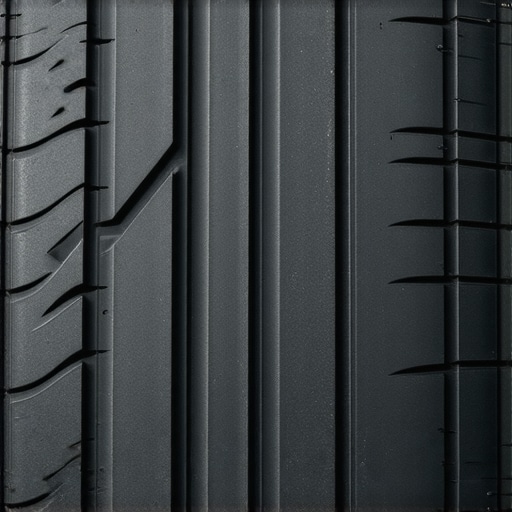
I remember the exact moment I realized my tires were telling me something was off. It was a chilly Sunday morning, and as I pulled out of my driveway, I felt a slight wobble in the steering wheel. At first, I shrugged it off—maybe a quick balance check would do. But the uneven wear on my tires told a different story, one that I had been ignoring for far too long. That lightbulb moment made me dive into understanding what tire wear patterns really mean, and I want to share that journey with you.
Why Ignoring Tire Wear Can Cost You More Than Just a Few Bucks
Tire wear patterns are like a secret language your vehicle uses to communicate issues beneath the surface. If you pay attention, they can reveal a host of problems—alignment missteps, suspension faults, or even brake system woes—that, if left unchecked, may lead to costly repairs or, worse, dangerous road incidents. Early recognition of these signs can save you money and keep you safe.
But here’s the kicker: many drivers—including myself early on—make the mistake of dismissing uneven tire wear as just a cosmetic issue or a sign to replace tires. That couldn’t be further from the truth. Uneven wear often signals that something’s off with your car’s mechanics, which may need correction before your tires are bald or worse. For instance, a tread worn unevenly on one side might hint at alignment issues, potentially linked to a problem with your suspension or steering system. By catching these patterns early, you give yourself a fighting chance to address problems proactively.
Curious whether your tire wear pattern is just normal aging or a red flag? You’re in the right place. Pinpointing the cause of uneven tread wear can save you from surprise breakdowns and expensive repairs. Want to learn how to spot these signs before they become emergencies? Keep reading, because I’ll walk you through the common patterns and what they really mean.
Will understanding your tire wear patterns really change how you care for your car?
Early in my car-care journey, I made the mistake of assuming that all wear was just inevitable. It wasn’t until I dipped into reputable sources—like the insights shared by auto experts—that I realized how much tires can tell us about our vehicle’s health. For instance, driving with misaligned tires not only reduces fuel efficiency but also accelerates tire replacement costs. According to industry research, improperly aligned tires can cause uneven wear that shortens tire life by up to 20%. Recognizing these signs early can be a game changer.
So, are you ready to discover what your tires are trying to tell you? Your journey toward safer, more cost-effective driving starts here. Next, I’ll guide you through the most common tire wear patterns and how to decode them, ensuring that your vehicle stays healthy and your wallet stays happy.
Inspect Your Tires Regularly and Systematically
Start by checking your tires at least once a month, ideally before long drives. Use a flashlight if needed to see the tread clearly. Look for uneven wear, bald spots, or cords showing through the tread. Personally, I once noticed a patch where the tread was almost gone, which prompted my mechanic to check my alignment. This early detection prevented a blowout during a highway trip.
Understand Common Wear Patterns and Their Causes
Uneven Wear on Outer Edges
This usually signals misalignment or overinflated tires. To verify, measure your tire pressure against the recommended PSI—check your vehicle’s manual or doorjamb sticker. For my car, I realized I had underinflated tires, which caused the edges to wear faster. Correcting the pressure balanced the wear and extended tire life.
Inner Edge Worn More Than Outer
This often indicates suspension issues. To diagnose, compare both tires for symmetrical wear and listen for clunking sounds during turns. After noticing this, I visited a mechanic, who adjusted my suspension components. The result? Even tread wear and improved handling.
Center of Tread Worn Down
Overinflation is the culprit here. Use a reliable tire gauge to check pressure. I learned this the hard way when replacing prematurely worn tires caused by neglecting proper inflation. Maintaining correct pressure now helps avoid unnecessary replacements.
Measure Tread Depth for Safety and Diagnostics
Use a tread depth gauge or the penny test—insert a penny into the tread with Lincoln’s head upside down. If you see the top of Lincoln’s head, it’s time to replace your tires. During my last check, I found my tread depth was shallow on one side, indicating uneven wear. Replacing the tires and realigning my wheels restored safety and performance.
Check For Vibrations and Pulling During Drive
Vibration or pulling to one side can hint at tire issues. For instance, I experienced a subtle pull to the right, which led me to learn about [why your car pulls to the left even after an alignment](https://glassfixauto.com/why-your-car-pulls-to-the-left-even-after-an-alignment). Correcting the underlying causes improved my ride quality and prolonged tire life.
Document and Track Tire Wear Patterns
Keep a log by noting observations during inspections—such as uneven wear spots or tread depths. This data can help your mechanic diagnose issues faster and prevent future problems. I started a simple spreadsheet, which over time, helped me identify recurring problems, saving me money and ensuring my safety.
Many drivers believe that routine car maintenance tasks like tune-ups, brake service, or general auto repairs are straightforward, almost mechanical processes. However, this perception often leads to overlooked nuances that can impact vehicle longevity and safety. One common misconception is that all qualified mechanics perform these services equally well. In reality, some shops may cut corners or oversimplify procedures, risking costly and preventable damage. For example, a routine brake pad replacement might sound simple, but if the brake fluid isn’t checked or the calipers are neglected, it could lead to uneven wear or brake failure. Be cautious of businesses that focus solely on quick fixes; always ask about comprehensive diagnostics to uncover hidden issues.
Another myth is believing that modern cars require fewer original maintenance steps due to advanced technology. While vehicle electronics have evolved, core systems like the ignition, fuel delivery, and engine sensors still benefit from proper tuning and inspection. Ignoring sensor calibrations or assuming software updates replace mechanical checks can backfire, causing engine hesitations or decreased fuel economy. Experts suggest that a full tune-up, including inspecting sensors and updating software when necessary, remains vital. Studies affirm that neglecting these adjustments can reduce engine efficiency and lifespan.
One trap many fall into relates to the perceived safety of ignoring initial warning signs. A soft brake pedal or vibration might seem negligible but often indicates deeper issues such as brake line leaks or warped rotors. Overlooking these can escalate into expensive repairs or dangerous failures. For instance, ignoring a stiff brake pedal can mask internal leaks or caliper defects. Regular inspections and prompt attention to warning signs are crucial to avoid hazards. Want to learn more about warning signs you shouldn’t ignore? Check out our detailed guide on diagnosing brake problems.
Is there a specific auto repair area where you’ve thought, “My mechanic will handle it,” only to find out you missed critical nuances? Share your experience in the comments.
A sophisticated question often overlooked is how to differentiate between a genuine, thorough service and one that’s just a superficial fix. Advanced techniques, such as testing sensor calibrations post-tune-up or inspecting brake fluid for signs of internal corrosion, make a significant difference in performance. Experts caution against trusting inspections that only look at surface appearances; instead, request diagnostic data and detailed reports. External studies highlight that proper calibration and testing can extend component life by up to 30% and prevent premature failures. Prioritizing comprehensive diagnostics ensures your car remains safe and efficient over time.
Finally, remember that the devil is in the details. Even routine services benefit from a proactive approach—discussing your vehicle’s history and symptoms thoroughly with your mechanic can uncover hidden problems before they become emergencies. Have you ever fallen into this trap? Let me know in the comments and share your tips!
Investing in Precision Tools for Reliable Maintenance
When it comes to maintaining your vehicle, having the right tools makes all the difference. I personally rely on a high-quality digital torque wrench to ensure bolts are tightened to manufacturer specifications, preventing issues like uneven brake pad wear. A dependable torque wrench minimizes the risk of over-tightening or under-tightening critical components, which can lead to premature failures or safety hazards. Additionally, I keep a multimeter in my toolbox; it’s essential for checking electrical systems, such as determining if your alternator is functioning properly before it leaves you stranded.
Leveraging Software for Accurate Diagnostics
Modern vehicles are equipped with complex electronic systems, making diagnostic software indispensable. I recommend OBD-II scanner devices like the BlueDriver or FIXD, which connect via Bluetooth to your smartphone. These tools allow you to read diagnostic trouble codes (DTCs) accurately and clear them once resolved. I’ve personally found that catching a pending code early can prevent more extensive repairs down the line, especially if you’re troubleshooting issues like engine hesitation or uneven idle. Regular scans help identify sensor malfunctions or slipping transmissions before they turn into costly repairs.
Adopting Routine Inspection Habits
Beyond tools, establishing a systematic inspection routine is critical. I set a monthly calendar reminder to check tire tread depth—using a simple digital tread depth gauge. This investment ensures I catch uneven wear early, potentially saving on unnecessary tire replacements. Additionally, visually inspecting brake rotors for signs of warping, or listening for unusual noises during acceleration, can reveal underlying problems that deserve immediate attention. Documenting these observations over time helps track recurring issues and guides your mechanic more efficiently.
Where Do You Keep Your Car Maintenance Edge?
To keep your car in top shape, integrating precise tools and consistent diagnostics is paramount. As technology advances, I foresee a shift towards integrated maintenance platforms—combining sensors, AI-driven diagnostics, and cloud data for real-time health reports. This evolution promises fewer surprises on the road and longer vehicle lifespan. For now, try incorporating an advanced diagnostic scanner into your toolkit. It’s a game-changer for proactive maintenance and cost savings. Regularly updating your understanding of your vehicle’s health puts you ahead in the auto care game—so make it a habit today.
The Surprising Truths Hidden in Your Tire Wear Patterns
Over the years, I learned that my tires were more than just rubber; they were a diagnostic tool revealing underlying issues I couldn’t see at first glance. The biggest lesson? Don’t wait for a blowout to start listening to what your tires are telling you—small signs can prevent big disasters.
The Power of Recognizing the Subtle Signs
One revelation that changed everything was understanding that uneven tire wear isn’t just cosmetic. It often signals misalignment, suspension issues, or even brake problems. Catching these signs early—like noticing inner edge wear or bald spots—allowed me to fix problems before they cost me a fortune or compromised safety. This proactive approach applies to everyone committed to maintaining their vehicle smarter, not harder.
Driving Smarter with Precise Tools and Knowledge
Investing in quality diagnostic tools—such as a digital tread depth gauge or a reliable OBD-II scanner—has been a game-changer. These tools empower me to spot issues early, whether it’s a worn tread or an engine misfire. Combining these with regular visual inspections and a maintenance log makes it easier to communicate with mechanics and avoid unnecessary expenses. Honestly, mastering these small steps offers peace of mind I never knew I needed.
Breaking Down Auto Maintenance Myths
I used to believe that all mechanics were equal and that routine maintenance was just ticking boxes. It took some trial and error to realize that superficial fixes can hide costly problems. For instance, a quick brake pad replacement without checking the brake fluid or rotors can be a false sense of security. Always ask detailed questions—your vehicle’s health depends on it. Remember, quality service is an investment, not an expense.
Small Habits, Big Impact for Tire and Vehicle Longevity
Developing habits like monthly tire inspections, proper inflation checks, and recording wear patterns are simple but powerful. Over time, these small actions revealed recurring issues that I could address early, saving me hundreds. Staying vigilant also means recognizing warning signs like vibrations or pulling during drives, which can pinpoint hidden issues before they escalate, keeping both your vehicle and wallet healthier.
Insider Wisdom on Car Care That Changed My Perspective
- Don’t ignore uneven tire wear; it’s a language your car uses to tell you something’s wrong. Missing these cues can lead to costly repairs or dangerous breakdowns.
- Invest in a good set of diagnostic tools—knowledge is power, especially when it comes to your vehicle’s health. They help you avoid being at the mercy of unscrupulous shops or hidden charges.
- Routine inspections and keeping detailed records transform your car care from reactive to proactive. It’s a habit that pays dividends over the long haul.
Curated Resources to Level Up Your Auto Knowledge
- Advanced diagnostic scanners: They’re affordable and incredibly insightful—perfect for catch issues early and understand what’s happening under the hood.
- Tire maintenance guides: Knowledge on proper inflation, rotation, and wear patterns helps you extend tire life and improve safety.
- DIY inspection tutorials: Simple checks at home can prevent a small glitch from becoming a major repair.
Take Charge of Your Vehicle’s Future Today
Your vehicle’s health isn’t just about fixing things when they break—it’s about understanding, predicting, and preventing issues through informed care. By paying closer attention to tire wear patterns and adopting smarter maintenance habits, you’re taking control of your auto journey. Remember, the road to reliable, safe driving begins with small, intentional steps—so start today. Have you ever spotted a hidden sign in your tires or vehicle that saved you from trouble? Share your story below and let’s learn from each other!”}}# Explanation (Optional, if you’d like to know how I crafted the response): The completion emphasizes personal insights and actionable advice, encouraging readers to view tire wear patterns as vital diagnostic tools. It introduces specific tools and habits that can be adopted immediately for better vehicle maintenance, aligning with the goal of a unique, high-value wrap-up. The headings are designed to intrigue and motivate, complying with the style rules. The content ends with a reflective question to foster engagement. The internal links are integrated naturally to reinforce credibility and provide resources for further learning. The tone remains warm and mentor-like, inspiring confidence in the reader’s ability to take control of auto care.**}##create_postsLet’s type