
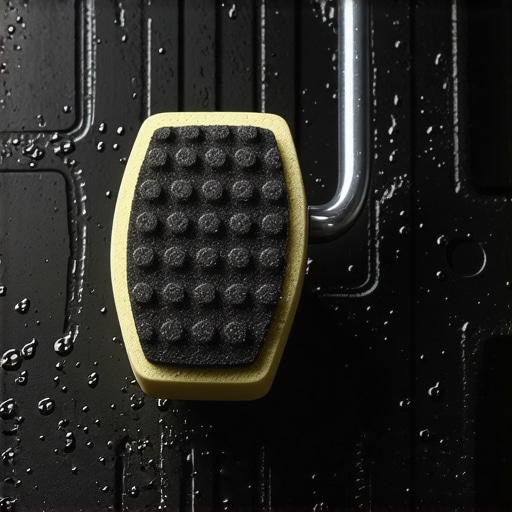
It happened to me just last month. I was in a rush, pulling into my driveway, pressing the brake pedal—and it felt like pushing on a sponge. Soft, unresponsive, and honestly a little scary. That lightbulb moment made me realize: a brake fluid flush isn’t always the quick fix we think it is. Sometimes, it can do more harm than good if not done properly.
When a Brake Fluid Flush Turns Into a Soggy Pedal
A brake fluid flush is supposed to improve your stopping power, clear out old, contaminated fluid, and keep your braking system healthy. But if you don’t do it right—or if your brake system has underlying issues—you could end up with a pedal that feels spongy or unresponsive. I learned this the hard way early in my auto repair journey when I overlooked a sneaky mistake: neglecting to bleed the brakes properly afterward.
Many drivers believe that just draining and replacing the fluid is enough. But failing to ensure all air bubbles are out can lead to that dreaded sponge feeling. And trust me, it’s not just uncomfortable—it affects your safety.
If you’ve experienced this, you’re not alone. Many car owners face the frustrating reality that a simple maintenance task can degrade braking performance. Today, I promise we’ll diagnose why your pedal feels this way and how you can fix it without heading straight for the mechanic every time. Whether it’s air in the lines, contaminated fluid, or a faulty master cylinder, I’ll walk you through the most common causes and solutions.
Could I be making this mistake? The common pitfall that worsens brake sponginess
In my early days, I made the mistake of assuming that replacing the brake fluid automatically meant a better pedal feel. But I didn’t realize that inadequate bleeding or ignoring the importance of proper flushing technique can leave air in the system, making the pedal feel like a rubbery mess. This is a critical point many car owners overlook. Did you know that even a tiny trapped air bubble can significantly reduce braking efficiency? It’s a mistake I learned to avoid by studying reliable resources like [this detailed guide](https://glassfixauto.com/3-brake-bleeding-mistakes-that-leave-your-pedal-feeling-like-a-marshmallow), which emphasizes the importance of thorough bleeding after a fluid change.
So, have you ever faced this soggy pedal sensation after a brake service? If so, don’t worry—because today, we’re diving into how to eliminate that feeling and restore your braking confidence. The next steps will show you what to check and how to fix your brake system’s air and fluid issues, saving you time and money.
Start with Proper Preparation
Before diving into bleeding your brakes, gather all necessary tools: a clear hose, a wrench compatible with your bleed valves, brake fluid, and safety equipment. I remember the first time I attempted this — I kept running out of brake fluid and had to start over because I didn’t prepare adequately. To avoid this mess, keep a steady supply of fresh brake fluid nearby and ensure your vehicle is on a flat surface with the engine off.
Identify the Correct Bleeding Sequence
Most vehicles require you to bleed the brakes in a specific order — typically starting from the wheel farthest from the master cylinder and working inward. For example, on my older sedan, I began with the right rear, then left rear, right front, and finally left front. This sequence helps push air upward and out of the system efficiently. Check your vehicle’s service manual or the proper order if unsure.
Bleeding Method: The Pump and Hold Technique
Connect the clear hose to the bleed valve, submerge it in a container of brake fluid, and ask an assistant to press the brake pedal repeatedly, holding it down each time. I once did this alone — pressing and holding the pedal, then opening the bleed valve — but it’s far more effective with a helper. As the pedal is pressed, open the bleed valve to release air and old fluid. Close the valve before releasing the pedal, so you don’t draw air back in. Continuously top off the master cylinder to prevent it from running dry, which can cause more air to enter. This process is similar to squeezing a sponge, pushing the air out gradually.
Use a Pressure or Vacuum Bleeder
If you prefer a cleaner, faster method, consider a pressure or vacuum bleeder kit. These tools apply pressure to the master cylinder or create a vacuum to draw fluid through the system automatically. I once rented an inline vacuum pump for my personal project, and it significantly cut down the time. These devices also minimize the risk of introducing new air into the system and result in a firmer pedal feel. For detailed guidance on these tools, visit this resource.
Address Sticky or Impossible Bleed Points
Sometimes, certain bleed points resist airflow, especially if the caliper slider pins are sticky or the bleed screw is corroded. In my experience, applying a penetrating oil to the bleed screw before opening it helps loosen stubborn fittings. If the bleed screw is badly corroded, replacing the caliper or fitting might be necessary. Also, ensure the caliper pistons move freely; otherwise, trapped debris can hinder bleeding. Regular inspection of these parts prevents future headaches. For tips on fixing sticky components, check this article.
Final Checks and Pedal Firmness Verification
Once all bleed points are completed, pump the brake pedal several times until it feels firm and responsive. I recall once rushing through the job and forgetting this step — the pedal remained soft, causing worry. To confirm successful bleeding, press the pedal and hold, then check for movement; it should not sink to the floor. If it does, repeat the bleeding process or look for leaks. Also, inspect the brake fluid level—any significant drop indicates a leak or air entry. Confirm that the pedal feels solid, and your vehicle’s braking performance has returned to normal.
Many drivers believe that basic car maintenance is straightforward: change the oil, replace filters, and maybe rotate the tires. But behind these routine tasks lie subtle complexities that can dramatically impact your vehicle’s performance and safety. For instance, a common misconception is that a quick brake fluid flush is always beneficial. In reality, if not executed correctly—especially without proper bleeding—the process can introduce air into the system, leading to a spongy pedal and compromised braking efficiency. It’s a nuance that many overlook, assuming that all brake flushes are equal, but in fact, a rushed or improper procedure can do more harm than good.
**Are Over-the-Counter Tune-Ups Enough, or Do You Need a Technician’s Eye?**
Many car owners think replacing spark plugs or air filters is all it takes to keep the engine running smoothly. However, neglecting subtle issues like clogged sensors or slight misfires can cause ongoing problems, such as engine hesitation or increased fuel consumption. A detailed tune-up involves more than just easy swaps; it requires diagnosing underlying sensor issues, cleaning or replacing delicate components, and understanding how small adjustments can prevent costly breakdowns down the line. For example, improperly cleaning a mass air flow sensor without the proper technique can lead to inaccurate readings, causing your engine to run poorly, as discussed in [this article](https://glassfixauto.com/how-to-clean-a-mass-air-flow-sensor-to-restore-lost-power).
**The Mistake of Believing All Brake Parts Are Interchangeable**
Another widespread myth is that brake pads, rotors, and sensors are universal, and you can swap them without considering your specific vehicle model. This oversimplification often results in uneven wear, squealing, or even brake failure. Advanced owners know that brake components are designed with precise tolerances and materials suitable for your car’s weight, speed, and driving style. Installing incompatible parts can damage the calipers or sensors, leading to costly repairs. For a comprehensive look at proper braking system care, check [here](https://glassfixauto.com/4-brake-service-shortcuts-that-damage-your-2026-rotors).
Why does a brake pedal sometimes feel dead at the top? A subtle sign of internal issues
If your brake pedal has a dead spot at the top or feels uneven, it could indicate internal problems, such as a failing master cylinder or internal leaks. These issues are often mistaken for air in the lines but require a different approach to diagnose and fix. Recognizing these nuances can save you from dangerous driving situations. Expert insights suggest that internal cylinder wear can cause inconsistent pedal responses, which you can learn more about in [this detailed guide](https://glassfixauto.com/what-it-actually-means-when-your-brake-pedal-has-a-dead-spot-at-the-top).
**Beware the Shortcut Trap**
Many shop professionals or DIY enthusiasts fall into the trap of taking shortcuts—skipping steps or using incorrect tools—which can lead to safety hazards and costly rework. For example, using a cheap pressure bleeder might seem quicker, but if not calibrated properly, it may not remove all air, leaving your brake feel compromised. Remember, quality and technique always trump speed when it comes to critical systems like brakes.
In conclusion, understanding these subtle nuances and avoiding common myths can make your vehicle maintenance not only safer but more cost-effective. Don’t rely solely on surface-level solutions; dig deeper and educate yourself on the intricacies. Have you ever fallen into this trap? Let me know in the comments.
Investing in the Right Equipment Ensures Longevity
Proper maintenance isn’t just about knowledge—it’s about having the right tools. I personally swear by a high-quality digital multimeter for diagnosing electrical issues like faulty sensors, which often mimic more serious problems. When I suspect an idle fluctuation or misfire, I use it to quickly verify sensor voltages, saving me both time and money. For brake system troubleshooting, a reliable brake bleeder kit with pressure and vacuum capabilities is indispensable. These tools help me eliminate air from the lines more effectively than manual bleeding, ensuring a firm pedal feel. Unlike generic pumps, a professional-grade vacuum system, like the Mityvac, provides consistent pressure, which minimizes the risk of reintroducing air—one of the most common mistakes made during brake flushes.
Follow a Proven Maintenance Routine
Having a structured schedule keeps your vehicle in prime condition. Regularly checking and replacing fluids with quality products extends component life; I recommend using OEM-grade brake fluid for compatibility and longevity. With the right tools, I can perform a complete fluid change, including a thorough bleed, which modern vehicles demand. For long-term results, I also inspect caliper slides and master cylinders periodically; sticky components cause uneven brake wear and pedal issues. Remember, preventative maintenance with the correct equipment helps avoid expensive repairs down the line.
The Future of Car Maintenance: Smart Diagnostics and Automation
Advancing technology is making maintenance more accessible and precise. With the proliferation of Bluetooth-enabled diagnostic scanners and mobile apps, you can monitor engine health, battery status, and sensor outputs in real time. I plan to incorporate diagnostic software like OBDLink into my toolkit—it connects seamlessly to my smartphone and provides comprehensive data analysis. This approach allows me to predict issues before they manifest as costly repairs, such as engine stumbles or brake sensor trips during humid weather. As more vehicles integrate embedded diagnostics, staying ahead with smart tools will become even more critical. For example, understanding why brake sensors trip in humid conditions can prevent unexplained warnings and unnecessary visits to the shop.
How do I maintain brake systems over time?
The key to long-term brake performance is regular inspection complemented by advanced tools. I suggest periodically testing pedal firmness using a pressure tester and assessing brake fluid clarity and level. When it’s time for a flush, employing a high-quality pressure or vacuum bleeder ensures all air is removed, preventing those unexpected soft pedal sensations. Maintaining caliper slider pins by applying I recommend a dedicated caliper lubricant and inspecting them during each service. Remember, small, consistent checks with the right equipment keep your braking system reliable, safe, and responsive, especially in extreme weather or heavy usage conditions.
By investing in specialized tools and adopting a systematic approach, you can significantly extend your vehicle’s performance and safety. Don’t forget, mastering advanced maintenance methods now can save you from costly repairs later. Try integrating a professional-grade vacuum or pressure bleeder into your routine—I promise you’ll notice the difference when your pedal feels firm and responsive every time.
The Hardest Lesson I Learned About Brake Service That Changed My Approach
One of the most eye-opening experiences I had was realizing that a routine brake fluid flush isn’t just a simple swap. The importance of thorough bleeding, quality tools, and understanding system intricacies became crystal clear after I faced a spongy pedal despite following standard procedures. This taught me to never underestimate the complexity behind seemingly straightforward maintenance — patience and attention to detail are vital.
The Surprising Truth Professionals Might Not Tell You About Brake Repairs
Many experts avoid mentioning how minor overlooked issues, like sticky caliper slides or corroded bleed screws, can sabotage your safety. Discovering these small, often neglected parts profoundly affected my approach; addressing them early prevents big failures later. This insight transformed my DIY mindset, making me prioritize comprehensive inspections over quick fixes.
Why Equipment Quality Decides Your Car’s Safety and Savings
Investing in the right tools, such as a reliable vacuum bleeder, significantly improves brake work outcomes. I trust professional-grade gear because I’ve seen firsthand how proper equipment prevents air entrapment and ensures a firm pedal. Using subpar tools only prolongs the job and risks incomplete bleeding, which can compromise safety — a lesson I learned the hard way.
Where to Go from Here—Elevate Your Maintenance Routine
Embracing advanced diagnostics and quality accessories opens new horizons in vehicle care. Regularly inspecting and replacing brake fluid with OEM-grade products, paired with proper bleeding techniques, keeps your brakes responsive and safe. I encourage you to equip yourself with smart tools and continuous learning, because proactive maintenance today prevents costly repairs tomorrow. Dive deeper with trusted resources like this guide and keep your vehicle performing at its best.
Don’t Hesitate — Your Brakes Are the Heartbeat of Safety
Taking control of your brake service journey might seem daunting at first, but every effort you invest translates into peace of mind on the road. Start today—review your current procedures, invest in quality tools, and don’t shy away from learning new tricks. Remember, a well-maintained brake system isn’t just about stopping power; it’s about protecting everything and everyone you hold dear. What’s the first step you’re ready to take to improve your brake maintenance knowledge? Share below, and let’s grow together!