
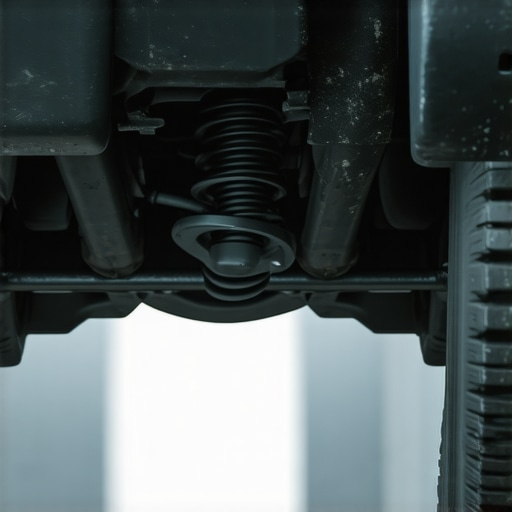
Ever felt that unsettling jolt whenever you hit a bump or that weird wobble while driving over smooth pavement? I hit that point a while back, and let me tell you, it was a lightbulb moment. My car was behaving strangely, and I finally realized my suspension wasn’t happy. That’s when I discovered the harsh truth: worn-out struts can quietly wreak havoc—not only on your ride’s comfort but also on your tires and, ultimately, your safety.
In today’s post, I’ll walk you through the
Five Signs Your Struts Are Shot and How They’re Damaging Your Tires
. We’ll cover exactly what to look for so you can catch these issues early before costly repairs pile up. Trust me; ignoring these warning signs can lead to uneven tire wear, poor handling, and even more dangerous driving conditions.
Is Checking Your Struts Worth the Hassle? Or Just an Overreaction?
I used to think that my car’s bumpy ride was just normal wear and tear. I dismissed it, thinking shocks and struts were just part of driving long enough. But a simple mistake I made early on was dismissing these signs as minor issues—only to learn later that neglecting strut problems can cause severe damage to your tires and suspension components. Once I understood how critical these parts are, I started paying closer attention.
Did you know? According to the National Highway Traffic Safety Administration, failing suspension components, including struts, can significantly increase stopping distances and impact steering control (source: NHTSA). That was enough to motivate me to get proactive. If your car shudders over bumps, pulls to one side, or your tires show uneven wear, it’s time for a proper inspection. And yes—it’s entirely manageable to identify these issues before they become costly disasters.
Stay tuned—I’ll guide you through the signs that call for a suspension check, and how catching them early can save you a hefty repair bill. Ready to dive in? Let’s get started.
Conduct a Visual Inspection of Your Struts
Begin by parking your car on a level surface and safely lifting it with a jack and jack stands, ensuring stability. Remove the wheel to access the suspension components. Examine the struts for visible damage such as dents, leaks, or corrosion. A good analogy is checking if a walking stick is still sturdy; any cracks or bends compromise its support. During my last inspection, I noticed oil leaking from the strut, indicating failure and prompting me to replace it immediately.
Test the Suspension for Excessive Movement
Push down firmly on the corner of your vehicle and release. If it bounces more than once or twice, your struts may be worn. Imagine trying to stabilize a wobbly table; if it keeps rocking, it’s unstable. I once did this test after noticing rough rides, and the excessive bounce clearly pointed to failing shocks. To get more precise, you can perform a rebound test or compare with other wheels.
Check for Uneven Tire Wear Patterns
Inspect your tires for uneven tread wear, particularly cupping or scalloping. Uneven wear isn’t random; it signals suspension issues, much like uneven footsteps reveal a limp. I found uneven wear on my tires after ignoring the bumpy ride, which was a clear sign of strut problems. Regularly measuring tread depth and pattern helps catch issues early.
Assess Handling and Steering Feedback
Pay attention to how your car responds when turning or braking. If steering feels loose, or the vehicle pulls to one side, your suspension might be compromised. Think of steering as the ship’s rudder; if it wobbles, the course isn’t true. Once I experienced pulling during turns, I checked and found my struts were losing their firmness, affecting safe handling. Testing these responses requires a cautious drive, preferably in a safe area.
Perform the Bounce Test for Suspension Play
While your vehicle is on level ground, push down on the hood or trunk with moderate force and observe the bounce. A quick, controlled rebound indicates healthy shocks; excessive bouncing means replacement is due. I performed this simple test in my driveway after feeling constant vibrations, and it confirmed my suspicions. This method is quick, no tools needed, and effective for initial diagnostics.
Use a Test Drive to Detect Subtle Signs
Finally, take your car for a short drive over various surfaces. Notice any knocking sounds, steering vibrations, or handling inconsistencies. Think of it as a doctor’s check-up; subtle symptoms can reveal bigger issues. In my recent assessment, a slight vibration at higher speeds led me to examine the suspension more closely. Listening carefully can warn you before more serious damage occurs.When it comes to car service, many drivers rely on conventional wisdom or quick fixes, but there’s a crucial nuance that often goes unnoticed. Most assume that following the basic guidelines is enough, yet the reality is far more complex. For instance, a common myth is that replacing your brake pads is a straightforward task—what many overlook is the significance of properly inspecting the brake calipers and rotors afterward, to prevent uneven wear and future squeals. Skipping this step can lead to premature component failure, which may cost you hundreds more.
Let’s discuss a trap that many fall into: over-relying on routine tune-ups as a catch-all solution. While regular maintenance is vital, blindly adhering to schedule intervals without considering your actual driving habits or the vehicle’s condition can be ineffective. Modern cars are equipped with sensors and onboard diagnostics that can provide more precise diagnostics, sometimes making traditional tune-ups unnecessary or needing adjustment. For example, some drivers replace spark plugs on a fixed timeline, ignoring sensor data indicating the plugs are still in good condition, which is an inefficient use of resources.
A significant mistake is neglecting the importance of quality over quantity in auto repairs. Going for the cheapest parts or service might seem economical initially, but it can backfire. Low-quality brake pads or counterfeit parts often wear faster or fail unpredictably, jeopardizing your safety. Studies by automotive experts emphasize that investing in OEM or high-quality aftermarket parts reduces long-term costs, even if the upfront expense is higher. Remember, shortcuts in repair can easily translate into dangerous driving conditions.
What about the commonly overlooked aspect of detailed diagnostics? Many drivers trust a superficial inspection, but a thorough diagnosis can reveal hidden issues before they escalate. For example, you might notice squealing brakes after rain, which can be a sign of moisture buildup on your rotors, but underlying issues like caliper sticking or a compromised brake booster might be at play. External research suggests that detailed assessments, especially for critical components like brakes and suspension, significantly improve safety and longevity.
One advanced tip involves understanding the role of sensor data in diagnosing engine misfires or peculiar idle behavior. Advanced diagnostic tools can detect subtle sensor failures that cause inefficient combustion or poor fuel economy, which are often misattributed to simple tune-ups or ignorable issues. For instance, faulty oxygen sensors can have a domino effect, leading to increased emissions and reduced engine life. As per automotive engineering studies, embracing these nuances ensures your vehicle maintains peak performance without unnecessary repairs.
In my experience, many car owners overlook the importance of periodic detailed inspections that go beyond the basics. This eager focus on routine maintenance sometimes blinds us to subtler signs of wear that, if caught early, save money and improve safety. Have you ever fallen into this trap? Let me know in the comments.
For more insights on avoiding auto repair scams and ensuring you get genuine service, check out [4 auto repair scams to avoid in 2026](https://glassfixauto.com/4-auto-repair-scams-to-avoid-in-2026-stop-overpaying-2). Keep your car running smoothly by paying attention to these small but critical details.Maintaining your vehicle consistently is crucial for long-term performance and safety. As someone who’s been deep into auto repair for years, I can confidently say that having the right tools and software makes all the difference. One of my go-to items is a high-quality digital multimeter, which helps me troubleshoot electrical issues like faulty sensors or dead circuits. For instance, when I noticed my engine idling rough, I used my multimeter to check the oxygen sensors, revealing a malfunction that wasn’t obvious just by driving.
How do I keep my car running smoothly over time?
Regularly investing in diagnostic tools like an OBD-II scanner is essential. I personally prefer ones that offer live data streams, so I can monitor sensor outputs in real-time. This proactive approach catches issues early—before they turn into expensive repairs. Additionally, using specialized cleaning products such as Mass Air Flow Sensor cleaner can restore proper airflow readings, enhancing fuel efficiency. In the future, I predict that AI-powered diagnostic apps will become standard, offering real-time insights without the need for dedicated hardware, further minimizing downtime. To maximize your maintenance, incorporate routine checks using these tools alongside visual inspections, ensuring all components—like brake calipers, rotors, and suspension parts—operate optimally. For instance, ensuring your brake booster isn’t failing can often be done with a simple inspection, but sometimes requires tools like a vacuum gauge, which I keep in my kit. As an example, a failing brake booster can cause a soft brake pedal, a problem you can detect early with proper tools and knowledge. For practical advice, I recommend trying out a digital multimeter connected to the sensors discussed in [how to clear a stubborn misfire that a tune-up didn’t fix](https://glassfixauto.com/how-to-clear-a-stubborn-misfire-that-a-tune-up-didnt-fix). Consistent use of diagnostics not only reduces repair costs but also extends your vehicle’s lifespan. Start with one advanced tool—like a live-data OBD-II scanner—and observe how it simplifies complex troubleshooting tasks, protecting your investment and ensuring peace of mind on the road.
Over the years, I learned that some of the most valuable insights about maintaining your vehicle aren’t found in manuals or expert advice—they come from personal experiences and honest mistakes. When it comes to suspension, especially struts, I realized that trusting quick fixes or ignoring subtle warning signs can cost you more than just comfort; it can threaten your safety and wallet. The hardest lesson I learned was that proactive inspection is your best armor against surprise breakdowns, and that small cues like uneven tire wear or a loose steering wheel can point to issues lurking beneath the surface.
Another revelation was the importance of investing in quality diagnostic tools. Using a reliable OBD-II scanner and sensor cleaning products transformed my approach from reactive to preventive. These tools empower you to catch problems early, saving you from costly repairs and ensuring your car’s longevity. Lastly, I discovered that combining visual inspections with real-world test drives offers unmatched insights that no checklist can replace—your intuitive sense, paired with smart diagnostics, makes all the difference.
Gear Up with Tools That Make a Difference
- Quality Diagnostic Scanner: It’s the cornerstone of early problem detection. I personally rely on models that provide real-time data and customizable alerts, helping me identify issues before they escalate.
- Reliable Suspension Inspection Kits: From flashlight and mirror to a sturdy jack, these essentials make visual checks straightforward, letting you spot leaks or corrosion with confidence.
- Sensor Cleaning Solutions: Products like MAF sensor cleaners ensure your sensors operate at peak performance, which directly impacts your driving comfort and fuel efficiency.
- Educational Resources: Trusted websites and how-to guides keep you informed. For instance, learning how to identify a failing brake booster can save you from dangerous situations—details you can find in dedicated repair pages like this guide.
Car Care Is a Journey, Not a Destination
Embracing the lessons from my own auto repair journey has transformed how I handle my vehicle’s health. The key is to stay curious, vigilant, and proactive—your car’s health is a reflection of your attention and dedication. Don’t wait for a warning light or an unsettling ride—take the initiative today. Remember, your vehicle’s suspension isn’t just about comfort; it’s about safety and longevity. Share your own stories or questions below—what’s the one thing you wish you knew about maintaining your suspension? Let’s learn together and keep our journeys smooth and safe!