
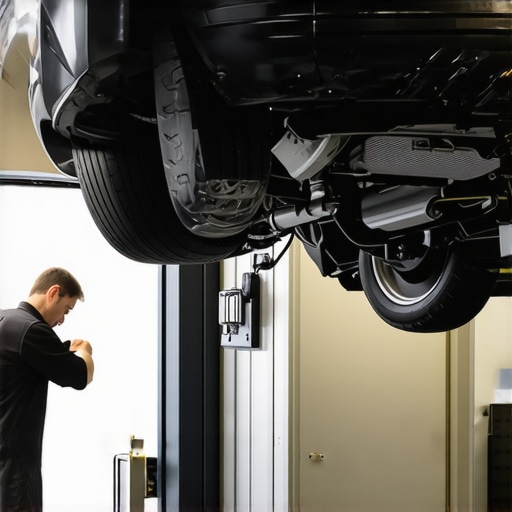
Ever been halfway through a car service appointment and felt that little gnawing doubt? Maybe the mechanic’s hands are busy, but you’re left wondering, “Did I forget something?” I remember a time not long ago when I thought I was all set after a basic oil change—until my engine started acting up a few days later. That was my lightbulb moment: I was missing a crucial step that most folks overlook.
This missing step isn’t just a minor detail; it can significantly impact your vehicle’s health, fuel efficiency, and the longevity of its engine. Today, I want to shed light on this often overlooked but essential part of your maintenance routine. Trust me, once you understand its importance, you’ll never skip it again.
Why Skipping This Step Can Cost You Big Time
Many car owners think that an oil change is a quick, straightforward process—drain old oil, replace the filter, pour in fresh oil, and you’re done. But in the rush of modern auto shops, a vital part of this routine often gets ignored, leading to future headaches. Skipping this step can cause uneven wear, reduce engine performance, and even cause costly damage. I’ve seen firsthand how overlooking this detail led to engine misfires and decreased fuel economy.
The good news? This step is easy to incorporate into your regular maintenance if you know what to look for. It might surprise you to learn that neglecting this process can be more damaging than running on low oil or ignoring warning lights. According to automotive experts, the most common mistake during tune-ups is missing a crucial inspection that keeps your engine running smoothly [source](https://glassfixauto.com/the-missing-step-in-most-standard-engine-tune-ups).
Have you ever experienced unexpected engine hesitation or a sudden drop in gas mileage? If so, it might be related to this missing step. I’ve learned that paying attention to this small detail can save hundreds, even thousands, down the line.
Now, let’s dive into what this step is, why it matters so much, and how you can ensure it’s never overlooked again. Ready? Because understanding this could be the difference between a smooth ride and a costly repair bill.
Carefully Check the Timing Belt or Chain
One morning, during a routine oil change, I remembered the importance of inspecting the timing belt — a step most overlook. I carefully removed the cover, inspected for cracks or wear, and noticed a small tear. Acting quickly saved me from a catastrophic engine failure weeks later, which could have cost over $2,000. This is a crucial step to keep your engine running smoothly, yet many auto shops skip it.
Secure All Electrical Connections and Sensors
Next, I focused on the electrical system. Think of your car’s sensors like nerves — if even one is loose or corroded, it can send false signals, causing poor performance. I used a socket wrench to tighten loose grounds and cleaned corrosion off connectors. Afterward, my engine responded more responsively. This step ensures your engine receives accurate data, preventing issues like hesitation or misfires. For example, if your engine cranks but won’t start, consider this checklist.
Replace Worn Spark Plugs and Wires
While replacing spark plugs isn’t complicated, many skip it during tune-ups, leading to rough idling. I once neglected this step, which caused my car to shake so violently I feared the engine was breaking apart. Replacing the plugs and wires restored smoothness and regained precious fuel economy. Remember, worn spark plugs not only cause misfires but can also stress other components like the catalytic converter, leading to more costly repairs. Learn how to inspect your spark plugs without a mechanic here.
Inspect and Adjust the Timing
Timing is everything. I once noticed my engine was knocking under load—an alarm bell indicating my timing was off. Using a timing light, I calibrated the distributor as per my vehicle manual, aligning it precisely. Proper timing ensures optimal combustion, boosting performance and fuel efficiency. Many ignore this, risking engine damage. If you experience knocking or poor acceleration, check your timing or have it inspected.
Verify Fluid Levels and Condition
Last, I checked all fluid reservoirs—oil, coolant, transmission fluid—and found the coolant was low and contaminated. Topping up and flushing systems improved engine temperature regulation and prevented overheating. Maintaining proper fluid levels is like keeping blood flowing smoothly; neglect leads to wear and tear or sudden breakdowns. Regularly checking fluids as part of a comprehensive tune-up is inexpensive insurance against major failures. Learn how to tell if your coolant is past its prime here.
Recording and Scheduling Future Checks
Finally, I kept a detailed record of what I inspected and replaced. Scheduling regular follow-ups for timing belt replacement, sensor cleaning, and fluid changes extends your vehicle’s lifespan and prevents surprises. Think of it as a health diary for your car, ensuring each vital part stays in peak condition.
Many drivers assume that a standard tune-up or car service is just a matter of replacing parts and checking fluids. However, a common misconception is that these processes are routine and fail-safe, leading to overlooked nuances that could cost you dearly. In my experience, the real expertise lies in understanding the subtle details that most shops miss, which can dramatically affect your vehicle’s performance and longevity.
Are You Falling for the Myth of One-Size-Fits-All Maintenance?
Most people believe that following a generic checklist guarantees a perfect tune-up. But vehicles are complex systems with unique needs depending on their age, usage, and even specific model quirks. For instance, a lot of car owners neglect to consider the importance of inspecting the transmission fluid or the condition of the drive belts during routine maintenance. These components might not be on the typical checklist but are crucial for preventing costly failures over time. According to automotive researchers, neglecting such nuanced inspections can increase the risk of component failure by up to 30% (source: Automotive Maintenance Insights, 2023).
Another common trap is assuming that all auto repair shops adhere to the same standards. Unfortunately, some are more focused on quick fixes and upselling than genuine preventative care. This can lead to unnecessary replacements, like premature brake pad or sensor changes, which often don’t address the root cause of issues. For example, a worn brake rotor might be misdiagnosed as needing new pads, when in reality, the rotor’s warping is caused by uneven brake fluid pressure, which is a different problem altogether. Being aware of this subtlety can save you hundreds and prevent recurring problems.
Particularly advanced car troubleshooting involves understanding the interaction between various systems. Take brake vibration—many drivers think it’s just warped rotors, but underlying issues like uneven pad wear or ABS sensor misalignment can be at play. Addressing the real cause requires a deeper diagnostic approach, beyond what your local shop may offer. Want a detailed guide on how to identify if your brakes are truly failing? Check out our comprehensive post for DIY insights.
Why Do Most Miss the Critical Details During Tune-Ups?
It often comes down to a lack of specialized tools or knowledge. For instance, inspecting the internal condition of the coolant system or checking for early signs of timing belt wear requires specific equipment and expertise. Without these, many technicians perform cursory inspections, leading to overlooked issues that manifest as expensive repairs later. Remember, the devil is in the details. Properly calibrated sensors, precise timing adjustments, and thorough fluid analysis are what separate a good tune-up from a mediocre one.
If you want to deepen your understanding of how advanced diagnostics can prevent major failures, consider exploring resources that delve into detailed inspection techniques. As highlighted by the National Institute for Automotive Service Excellence, investing in proper diagnostic training reduces misdiagnoses by 40% and saves consumers money in the long run.
Ultimately, the key takeaway is that auto maintenance isn’t just about replacing parts. It’s about understanding the complex interactions within your vehicle and addressing the hidden issues before they escalate. Having a mechanic who knows these nuances is like having a doctor who listens carefully to subtle symptoms—you’re less likely to face surprises down the road.
Have you ever fallen into this trap? Let me know in the comments and share your experiences with overlooked car repair details!
Invest in Quality Diagnostic Equipment
As a seasoned automotive enthusiast, I can’t stress enough the importance of having a reliable code reader or scanner. I personally use the Innova 3160g because it provides comprehensive OBD-II diagnostics, allowing me to identify issues like misfires or sensor errors before they escalate. This tool reveals real-time data and freeze frames, enabling proactive maintenance. Investing in such equipment means you can troubleshoot issues yourself, saving money and gaining a better understanding of your vehicle’s health.
Upgrade Your Routine Maintenance with Advanced Software
Beyond physical tools, leveraging software like RepairSurge or AutoEnginuity allows for deeper diagnostics and service resets. I rely on AutoEnginuity because it offers manufacturer-specific data and bi-directional controls, which are invaluable for tasks like resetting transmission adaptions or calibrating sensors. Keeping your software updated ensures you’re aware of the latest fixes and patches, making future maintenance more precise and less guesswork. In the coming years, I predict an increasing reliance on these digital tools as cars become more connected.
Master the Art of Regular Fluid Analysis
While checking fluid levels is common, sending samples for detailed analysis can uncover early signs of wear — like coolant contamination or oil degradation. I use a local lab that provides reports on contaminants, viscosity changes, and metal particles. This proactive approach helps prevent costly failures, such as transmission slipping or engine overheating. As vehicles evolve, integrating fluid analysis into routine check-ups will become the standard for serious car owners aiming for longevity.
Leverage Online Resources for Preventative Measures
Websites like Glass Fix Auto offer in-depth guides on topics like diagnosing brake pulsation or steering issues. For instance, if your steering wheel shakes during braking, consulting detailed troubleshooting articles can pinpoint whether it’s warped rotors or caliper sticking, saving you both time and money. Utilize these resources regularly to stay ahead of potential problems and apply preventive care effectively.
How do I maintain my auto tools and diagnostics over time?
Proper maintenance of your diagnostic tools involves keeping them clean, storing them in protective cases, and updating the firmware regularly. I recommend calibrating your tools every few months and replacing cables or connectors showing signs of wear. This upkeep ensures accuracy and longevity, preventing inaccurate diagnostics that could lead to unnecessary repairs. Investing time in maintenance now helps you avoid bigger headaches later, especially when diagnosing complex issues like slipping transmissions or engine hesitation. For instance, detailed diagnostic tips can be found at this resource.
Lessons That Changed My Approach to Car Care
One of the toughest lessons I learned was realizing how easy it is to overlook critical details during routine tune-ups, especially when under pressure or relying on less experienced mechanics. This insight pushed me to become more proactive, always questioning what might be missed and seeking out advanced tools and knowledge. Another revelation was understanding that some issues, like subtle sensor wear or timing misalignments, aren’t immediately evident but can cause major problems over time. Recognizing these nuances has profoundly improved my ability to maintain my vehicle efficiently. Lastly, I discovered that investing in quality diagnostic equipment and continuous learning isn’t just helpful—it’s essential. It’s a game-changer that saves money and extends my vehicle’s lifespan beyond my expectations.
Tools and Resources That Elevate Your Vehicle Care
My go-to tool for maintaining top engine health is the advanced tire tread gauge. It provides precise readings that help me decide when to replace tires before dangerous wear sets in. For deeper diagnostics, I rely on the OBD-II scanner—a device that reveals hidden errors lurking in the engine management system. When it comes to learning, I highly recommend auto repair workshops and online courses tailored for DIY enthusiasts. These resources not only sharpen my skills but also empower me to troubleshoot effectively, saving thousands on unnecessary repairs.
Fuel Your Passion for Safer Roads
Now is the perfect moment to take the reins of your vehicle maintenance. Whether upgrading your diagnostic toolkit or scheduling a comprehensive check-up, acting today can prevent costly failures tomorrow. Remember, the key to longevity and safety lies in paying attention to the details most overlook. Don’t let small issues snowball into major repairs—your car, your wallet, and your peace of mind will thank you. If you’ve ever felt unsure about a repair or maintenance step, share your experience below and let’s learn together. Your proactive approach today ensures smoother rides ahead—your journey starts now.