
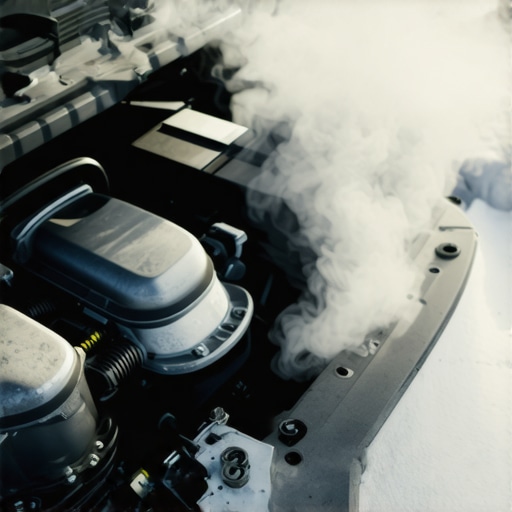
It was a freezing morning, and as I fired up my car, a puff of white smoke billowed from the exhaust. My heart sank—I’ve been there, frustrated and worried. That initial fog creeping out every chilly morning felt like a warning sign. It’s a common sight for many drivers, especially during colder seasons, but what’s really going on when your engine smokes on cold mornings? And more importantly, am I risking my engine’s health?
In today’s post, I promise to share practical insights stemming from my own experiences and trusted auto care knowledge, so you can tell whether that morning puff is just an innocent sign of winter or something worth a close look. We’ll uncover causes, solutions, and when it’s time to call in the pros.
Understanding Why Your Engine Smokes When It’s Cold
Could it be just condensation or something more serious?
Many folks, including myself early on, mistake that harmless-looking smoke for trouble. But truth is, the initial cloud on a cold morning often results from condensation—the moisture that’s naturally present in the exhaust system. As the engine warms up, this moisture evaporates, clearing the smoke. This process is normal, especially if you notice the smoke disappears after some minutes.
However, persistent or thick smoke may point to engine issues such as oil leaks, incomplete combustion, or even coolant entering the combustion chamber. I learned this the hard way when I ignored the signs and ended up with costly repairs. Trust me, catching trouble early is key.
If you’re experiencing this issue regularly, don’t brush it off. A thorough tune-up can often eliminate many guesswork problems. Sometimes, the issue is as simple as a worn valve stem seal or a clogged PCV valve.
Have you ever looked at your exhaust smoke and wondered if it’s just water vapor? Well, it’s worth getting a professional opinion—especially if the white smoke gets thicker or keeps lingering longer than usual.
Understanding this basic yet crucial difference is the first step toward deciding whether you need to delve into your engine’s health or just wait for warmer weather. Next, we’ll explore common causes behind smoke that’s not just condensation and how to address them effectively.
Prepare Your Workspace and Tools
Start by securing a flat, well-lit area to work safely. Gather essential tools like wrenches, screwdrivers, a carburetor cleaner, and replaceable parts such as spark plugs and filters. Remember, a cluttered workspace increases the risk of missing critical steps or causing damage, similar to trying to fix a watch without proper lighting or precision. I once attempted a quick tune-up in my driveway without proper gloves or a clean workspace, which led to misplacing a small spark plug and causing more delays than expected.
Replace Spark Plugs and Wires
Remove old spark plugs using a socket wrench, turning counter-clockwise. Inspect them for signs of wear or carbon buildup—blackened or eroded plugs mean it’s time for replacements. Install new plugs, ensuring they are gapped correctly using a spark plug gap tool (typically found in auto parts stores). Connect new wires firmly onto each plug, ensuring a snug fit. This step is akin to changing batteries in a remote; fresh contacts ensure your engine runs smoothly. Skipping this can cause misfires or rough idling, which I discovered after neglecting to replace my plugs during a routine tune-up, resulting in poor acceleration.
Check and Replace Air and Fuel Filters
Locate the air filter housing, usually a plastic box near the engine. Remove it and inspect the filter—if it’s dirty or clogged, replace it. A clean air filter improves airflow, just like unclogging a breathing tube enhances respiration. Similarly, the fuel filter prevents debris from reaching the engine; replace it if it appears dirty or after the manufacturer’s recommended interval. I once overlooked this step, leading to decreased fuel efficiency and sluggish engine response until I realized the filters were overdue for change.
Inspect and Service the Ignition System
Test the ignition coils and distributor cap for cracks or corrosion. Use a multimeter for precise measurement—if readings are inconsistent, replace faulty components. Ensuring strong sparks ignites the fuel-air mixture effectively, akin to giving a relay race a smooth handoff. When my old ignition coil failed unexpectedly during a road trip, I had to replace it on the spot, which was disruptive but essential to get back on the road.
Change Fluids and Check Pressure
Drain old engine oil and replace it with the manufacturer’s recommended grade. Check the oil level with the dipstick—if low, top up accordingly. Also, inspect coolant levels, brake fluid, transmission fluid, and power steering fluid, topping up or replacing as needed. Regularly monitoring these fluids prevents overheating and component wear. I learned this the hard way when I ignored low coolant levels, resulting in engine overheating in the middle of summer.
Tune the Timing and Idle
Adjust the ignition timing for optimal combustion, using a timing light if necessary. Set the idle speed according to specifications—this helps prevent vibrations and stalls. Some modern cars require specialized diagnostic tools to perform these adjustments, so consult your vehicle manual or a professional when in doubt. I once attempted to adjust timing with a manual timing light, which improved engine smoothness but required multiple tries to get it just right—an experience that underscored the importance of precision.
Final Inspection and Test Drive
After completing the above steps, check for leaks, loose connections, or unusual noises. Test drive your car in a safe area, accelerating, braking, and turning to ensure everything functions smoothly. Pay attention to warning lights or abnormal vibrations. This step is like a health check after a medical exam—it confirms your efforts paid off. I failed to do a test drive after my first tune-up, only to realize I hadn’t tightened the spark plug wires properly, causing a rough idle. A thorough test drive helps catch such oversights early.
Many drivers assume that a basic tune-up or service can fix all engine issues, but in reality, there are nuanced mistakes that often go unnoticed. One common myth is that spark plug replacement alone will resolve engine misfires, yet neglecting to check vital components like the air intake system or fuel injectors can lead to incomplete fixes. In my experience, relying solely on routine parts replacement without a comprehensive diagnosis can mask deeper problems, resulting in repeated trips to the shop.
A less obvious pitfall involves overlooking the importance of properly checking and adjusting ignition timing and valve clearances during tune-ups. Modern vehicles, especially from 2026 onwards, require more precise calibrations, and skipping these steps can cause engine vibrations or poor fuel economy—issues that technicians might wrongly attribute to other sources. For an in-depth breakdown, see the missing step in standard tune-ups.
Many car owners also fall prey to the misconception that all auto repair shops perform equally thorough services. In reality, some establishments cut corners to save time or costs, like skipping essential fluid checks or failing to perform proper brake inspections. This oversight can lead to safety hazards. Remember, a comprehensive service should include detailed inspections of brake pads, rotors, and fluid levels—see hidden causes of brake pedal issues.
Speaking of advanced mistakes, have you wondered why your car still shudders or pulls despite recent repairs? Often, the culprit is an overlooked sensor or internal corrosion, which standard check-ups might miss. For example, internal corrosion in brake fluid can cause inconsistent pedal feel, a problem not easily diagnosed without specific testing. For such insights, check brake fluid corrosion signs.
Make sure to ask questions during your service appointments. Are they inspecting beyond the obvious? Are they measuring component tolerances with precision? Small details like these can dramatically improve the longevity and safety of your vehicle. Remember, regular maintenance is about more than just replacing worn parts—it’s about understanding the complex interplay of systems that keep your engine running smoothly.
So, the next time you hear a squeal during rain or notice uneven tire wear, don’t dismiss it as minor. Dive deeper, and question whether your mechanic is following through essential steps that prevent bigger problems down the road. Have you ever fallen into this trap? Let me know in the comments.Maintaining your vehicle’s health over time requires more than just basic knowledge; it demands the right tools and a disciplined approach. As a seasoned auto enthusiast, I rely on specific equipment and software that streamline diagnostics and ensure effective repairs. One essential device I swear by is a high-quality scan tool like the Autel MaxiCOM series, which provides comprehensive OBD-II diagnostics. This allows me to access detailed error codes and live data, helping me pinpoint issues early, especially before they escalate into costly repairs. For example, diagnosing a struggling mass airflow sensor becomes straightforward with real-time sensor readings, saving me hours and unnecessary replacements.
Why Invest in the Right Equipment
Having reliable, professional-grade tools isn’t just about convenience—it’s about accuracy and saving money in the long run. When I perform a routine tune-up, I use a digital multimeter with auto-ranging capabilities to check the integrity of electrical components, ensuring everything from sensors to ignition coils functions properly. For software, I utilize reputable programs like the OBDLink app, which syncs seamlessly with my scanner, offering detailed diagnostics and repair suggestions. These tools have become invaluable in maintaining my vehicle’s performance, especially as newer models incorporate complex electronics that require precise calibration.
Scaling Your Maintenance Efforts Efficiently
As your car ages or if you manage a fleet, automation and tracking become crucial. Modern solutions like maintenance management apps—such as AutoCare or Car Minder—help schedule and record service history, ensuring nothing slips through the cracks. Automation reduces oversight and encourages regular upkeep, extending your vehicle’s lifespan. I’ve integrated these systems into my routine, scheduling oil changes, filter replacements, and system diagnostics proactively rather than reactively. This approach aligns with recommendations found in authoritative automotive guides, emphasizing preventive maintenance over costly repairs post-failure.
Keeping Tools in Peak Condition
Regular calibration and proper storage of your tools are vital to maintain their effectiveness. For torque wrenches, I routinely check calibration using certified standards, preventing over-tightening or under-tightening critical components like brake rotors. Keeping tools organized in a dedicated toolbox prevents damage and saves time during repairs. Investing in a good-quality case with foam inserts helps protect delicate electronic devices and ensures they’re ready when needed. Over time, this disciplined maintenance of your tools translates directly into more accurate diagnostics and longer tool lifespan, ultimately saving money and improving safety.
Future Trends in Auto Maintenance Tech
Looking ahead, it’s clear that automotive diagnostics will continue to evolve with increased integration of AI and machine learning. Predictive maintenance systems that analyze sensor data in real time could alert you to potential failures before symptoms appear, making proactive care effortless. These innovations promise to shift automotive care from reactive repairs to predictive, personalized maintenance plans tailored to each vehicle’s unique usage profile. Preparing now by investing in quality tools and software positions you ahead of this curve.
How do I keep my car’s maintenance strategies effective over time?
Regularly update your diagnostic tools and stay informed about latest repair techniques. Participating in online communities and training sessions can help you harness new features of your equipment, such as troubleshooting subtle sensor anomalies or interpreting complex error codes. Remember, a disciplined maintenance schedule combined with the right tools ensures your vehicle remains reliable and efficient. I recommend trying the advanced tip of calibrating your torque wrench periodically, which can make a notable difference in brake repairs or wheel installations. Proper calibration is detailed in authoritative sources like the missing step in standard tune-ups. As technology progresses, continuous learning and investing in your toolkit will be your best strategy for keeping your car working smoothly for years to come.
Lessons Hidden in My Auto Repair Journey
One of the most valuable lessons I’ve learned about tune-ups is that a comprehensive approach beats quick fixes every time. Overlooking small details, like the condition of spark plug wires or the state of the PCV valve, can turn routine maintenance into costly repairs. I once thought replacing spark plugs was enough—until I discovered that neglecting the air filter or timing adjustments caused persistent engine misfires. It’s all about understanding how interconnected each system is, and never assuming a single fix will solve everything.
Another lightbulb moment was realizing how critical proper calibration of tools can be. A miscalibrated torque wrench or incorrectly set timing light can do more harm than good, slow down repairs, or lead to dangerous mistakes. Investing time in maintaining your tools ensures accuracy and safety, saving you money and stress in the long run. Remember, perfection is often in the details.
Finally, I learned that ongoing education transforms DIY projects from guesswork into professionals’ territory. Regularly reading trusted sources—like the missing step in standard tune-ups—keeps my skills sharp and my knowledge current. With each repair, I discover nuances that make my approach more effective and my engine healthier. Car care is a continuum, and staying curious makes all the difference.
Tools and Resources That Reshaped My Auto Routine
My essential toolkit begins with a high-quality OBD-II scan tool like the Autel MaxiCOM series. It provides in-depth error reports and real-time data, helping me identify issues before they escalate. Paired with a digital multimeter I trust deeply, I can verify electrical components’ integrity with confidence. For software, I rely on the OBDLink app, which makes diagnostics straightforward and efficient—saving time and preventing guesswork. These tools have made my auto repair efforts more precise and less frustrating.
Beyond hardware, I turn to authoritative guides like the articles on avoiding unnecessary software costs. Staying informed about the latest repair techniques and common pitfalls helps me choose the right parts and procedures. Maintenance management apps such as AutoCare keep me on schedule, ensuring I don’t overlook crucial fluid changes or inspections as my vehicle ages. Combining reliable tools with updated knowledge is my formula for auto success.
And I make it a point to keep my tools in top condition—calibrating torque wrenches and organizing my kit ensures every repair I’ve done remains accurate. As the industry evolves with features like AI diagnostics, I keep learning through courses and online communities. This continuous growth translates into better care for my car and a more enjoyable DIY experience.
Your Next Drive Starts with Confidence
“Taking control of your vehicle’s health, especially during those chilly mornings, is empowering. With the right insights, tools, and a proactive mindset, you’re not just maintaining a machine—you’re safeguarding your safety and savings for years to come.” Keep practicing good habits, stay curious about innovations, and never hesitate to dig deeper into what makes your engine tick. Your car’s reliability depends on it, and your journey toward mastery is just beginning.