
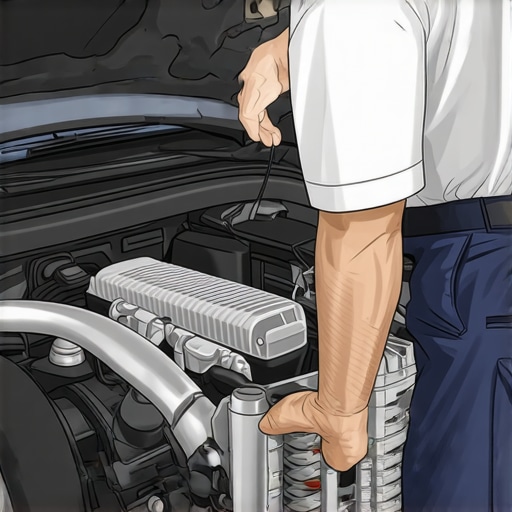
Ever had that moment where you’re backing out of your driveway, car in reverse, and suddenly hear that loud, grating grinding noise? It’s enough to make your stomach drop. I remember the first time I experienced it—my heart sank. That sharp, unpleasant sound made me panic about my car’s health. Turns out, I wasn’t alone—many drivers face this issue at some point, and it’s not just annoying; it’s a sign that something needs attention.
In this post, I’ll share my personal journey with this problem and, more importantly, how I finally cracked the code to fixing that grinding noise when shifting into reverse. If you’re tired of that unsettling sound and want practical, straightforward solutions, you’ve come to the right place.
What’s Causing That Awful Reverse Grind? And Why It Matters
The truth is, that grinding noise isn’t just a minor irritant. It’s a signal from your car that some component in your transmission or brake system might be wearing out. Ignoring it can lead to more costly repairs down the line. Often, the culprit is worn or damaged brake pads, a misaligned or warped transmission, or even a low fluid level. Understanding the root cause can save you a significant amount of money and headaches.
Early on, I made the mistake of ignoring the noise, assuming it was just a temporary glitch. Surprisingly, that’s one of the biggest errors you can make. As I later learned from expert advice, like the detailed guides on [brake issues during reverse](https://glassfixauto.com/why-your-brakes-grind-only-when-you-reverse), delaying inspection can result in more extensive damage.
If you’ve ever been in a rush to get somewhere and dismissed that grinding as just being ‘normal,’ I get it. But trust me, it’s not. That noise indicates a problem needing attention before it worsens. So, in the upcoming sections, we’ll explore exactly how to identify the cause and, more importantly, how to fix it with simple tools and techniques.
Have you experienced this problem yourself? Or is your car louder than a marching band every time you reverse? Stick around; I’ll guide you through the steps to silence that grinding for good.
Prep Your Workspace for Safety and Efficiency
Begin by parking your car on a level surface and engaging the parking brake. Gather all necessary tools: jack, jack stands, wheel chocks, socket set, screwdrivers, and fresh brake pads or repair parts if needed. Wear safety glasses and gloves to protect yourself during the process. Remember, ensuring a safe environment minimizes mishaps and speeds up your repair process.
Lift the Vehicle Properly to Access the Components
Use the jack to raise your vehicle at the manufacturer’s recommended lift points. Place jack stands securely beneath the frame for stability. Always double-check that the car is stable before crawling underneath. During my first attempt, I underestimated the importance of proper lifting, which led to a brief scare—since then, I’ve always double-checked my equipment’s stability for peace of mind.
Remove the Wheels and Examine Brake Components
Loosen lug nuts with a socket wrench and remove the wheels. Inspect brake pads, rotors, and calipers visually. Look for uneven pad wear, scoring, or rust. If brake pads are less than 1/8 inch thick, replacement is necessary. When I replaced my brake pads, I discovered uneven wear patterns that contributed to the grinding noise. This step confirms whether the issue stems from brake hardware or transmission problems.
Test and Adjust Brake Pads or Replace Them
If the pads are worn out, replace with new ones. Clean the caliper slides and apply high-temperature brake lubricant to ensure smooth movement. Reassemble the caliper, ensuring all bolts are torqued to spec. To avoid recurring noise, I also checked the brake pad wear sensors—they often cause squealing if they’re loose or worn out. For more details on brake longevity, explore [7 habits that help brake pads last over 100,000 miles](https://glassfixauto.com/7-habits-that-help-brake-pads-last-over-100000-miles).
Inspect Transmission Fluid Level and Condition
Locate the transmission dipstick, pull it out, and wipe it clean. Reinsert and remove again to check fluid level; it should be between the min and max marks. Examine the fluid’s color and smell; burnt or dark fluid indicates a need for a flush. During my own checks, I found that low or degraded transmission fluid contributed to rough shifting and grinding noises. Regular fluid checks are crucial to maintaining smooth gear engagement. For guidance, review [the correct way to check your automatic transmission fluid](https://glassfixauto.com/why-your-brake-pedal-vibrates-only-on-the-highway).
Address Transmission Issues if Needed
If the fluid is low or dirty, top it up or consider a professional transmission flush. In my case, topping off the fluid temporarily improved reverse shifts but didn’t eliminate the noise completely. If problems persist, further diagnostics are necessary—a professional can scan for error codes or recommend a transmission rebuild. Remember, a misaligned or damaged transmission can mimic brake-related noise, so don’t dismiss it lightly.
Test Drive and Final Checks
Once repairs are complete, reassemble everything and lower the vehicle. Remove wheel chocks and carefully take short test drives in low-traffic areas. Listen carefully for any grinding sounds when shifting into reverse. If the noise persists, revisit your work or seek expert advice. A properly maintained brake and transmission system will keep reverse gear smooth and quiet, enhancing safety and comfort during every drive.
Many car owners believe that routine service is just about lifting the hood and changing fluids, but there’s more beneath the surface. A frequent misconception is that ‘if it runs, it doesn’t need attention’—yet, detailed diagnostics reveal that silent issues can cause major problems later. For example, some think brake pads can’t wear unevenly without immediate signs, but in reality, subtle wear patterns often signal impending failure, making early detection crucial.
Why do so many drivers overlook the importance of proper diagnostics during service?
Studies show that neglecting nuanced checks can lead to accelerated component wear, increased costs, and safety risks, yet many workshops focus solely on the basics. Another trap I’ve seen many fall into is relying solely on visual inspection. While it’s helpful, there are advanced issues, like internal transmission wear or subtle sensor failures, that require specialized tools or software diagnostics. Overlooking these hidden problems often results in costly breakdowns that could have been prevented. Moreover, the myth that synthetic oils universally outperform conventional oils in every circumstance is oversimplified. Depending on your driving habits and vehicle age, sometimes standard oils suffice, and choosing the right oil isn’t just about brand but about understanding your car’s specific needs. An advanced mistake I encountered was an owner ignoring the early signs of brake vibration, attributing it to ‘normal wear,’ only to discover warped rotors that could have been replaced preventively—saving money and enhancing safety.
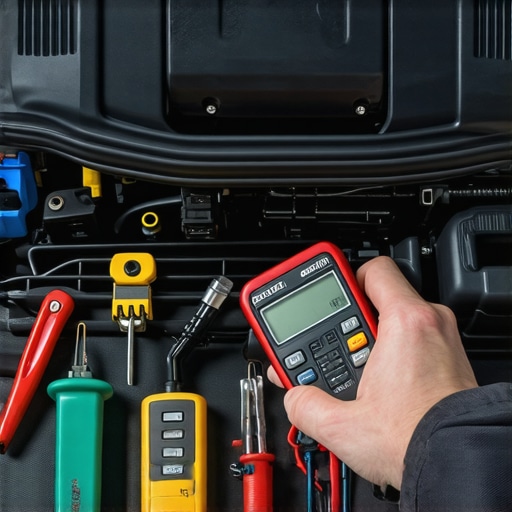
Understanding the intricacies and common pitfalls helps you avoid costly repairs and optimize your vehicle’s performance. For instance, regularly inspecting tire wear patterns offers insight into alignment issues that aren’t always obvious but can cause uneven stress on other components. Remember, a well-maintained vehicle isn’t just about replacing parts—it’s about understanding the hidden nuances that ensure longevity and safety. Have you ever fallen into this trap? Let me know in the comments and share your experiences.Maintaining your vehicle over time requires the right tools and consistent routines. I personally swear by a high-quality digital multimeter, like the Fluke 115, which helps me quickly diagnose electrical issues such as faulty sensors or wiring problems. It’s precise and durable, making it indispensable for auto repair enthusiasts and beginners alike.
Why Insist on Reliable Diagnostic Equipment?
A reliable multimeter allows you to identify subtle electrical glitches before they evolve into costly repairs. For example, checking your engine coolant temperature sensor with a multimeter can prevent misfires and poor fuel economy. As your vehicle ages and technology advances, investing in these tools keeps you one step ahead, ensuring smooth operation and safety.
How Do I Maintain My Car’s Tune-Ups and Brake Service Over Time?
Regularly scheduled maintenance is the backbone of optimal performance. Setting reminders for oil changes, brake inspections, and fluid checks—like transmission and coolant—helps prevent unexpected breakdowns. Additionally, a quality torque wrench, such as the Tekton 23835, ensures bolts are tightened to manufacturer specifications, avoiding both under and over-tightening that can lead to part failure.
Choosing the Right Software and Inspection Methods
Modern vehicles often require advanced diagnostic software. Devices like the Autel MaxiSys MS909 provide comprehensive scans, reading error codes and monitoring real-time data. I use this software when my check engine light appears, to pinpoint issues accurately—saving time and money. Staying current with software updates from manufacturers ensures you have the latest troubleshooting capabilities.
Looking Ahead: The Future of Vehicle Maintenance
As electric vehicles and autonomous systems become more prevalent, tools will need to evolve. Expect an increased reliance on integrated diagnostic platforms that connect via Bluetooth or Wi-Fi, providing remote diagnostics and predictive maintenance alerts. This shift will empower drivers to maintain vehicles more proactively, reducing downtime and repair costs.
How to Keep Your Car’s Systems Running Smoothly Long-Term
Consistent checks, utilizing precise tools, and embracing new diagnostic methods are essential for maintaining your vehicle’s health over the years. For instance, regularly inspecting tire wear patterns can reveal misalignment or suspension issues early—saving you from uneven tire wear and handling problems. For detailed advice on interpreting tire signs, explore how tire wear patterns communicate ongoing issues.
If you’re looking to take your maintenance routine further, I recommend trying out a digital multimeter and tracking your fluid levels with a detailed checklist. These simple yet effective steps can significantly prolong your vehicle’s lifespan. Remember, staying proactive not only saves money but also keeps you safe on the road. Ready to dive into your next diagnostics session? Grab your multimeter and start testing your sensors today!
Lessons That Changed My Approach to Car Repairs
One major insight I’ve gained is that persistent issues like reverse grinding often hide much deeper problems than they seem. Dismissing a noise as minor can lead to costly repairs later, teaching me to trust early warning signs and verify with proper diagnostics. Additionally, I realized that every repair session is an opportunity to learn—like understanding how brake wear patterns or transmission fluid conditions influence overall vehicle health. As I became more proactive, I found that embracing a curious mindset and seeking out resources, rather than relying solely on mechanic visits, saves time and money in the long run.
Tools and References That Elevate Your Auto Maintenance Game
My go-to toolkit includes a quality digital multimeter, such as the Fluke 115, which provides precise readings on sensors and electrical components—a crucial step overlooked in many routine checks. For deeper diagnostics, I trust advanced software like the Autel MaxiSys MS909; it offers comprehensive insights and helps catch issues before they escalate. The resource that truly transformed my understanding is practical guides from trusted sites like 7 habits for brake longevity, which highlight real-world maintenance routines that extend component lifespan. Combining reliable tools with credible information ensures your repairs are not just repairs but investments in your vehicle’s future.
Your Next Move Starts Now—No More Head-Spinning Repairs
Taking charge of your vehicle’s health empowers you to drive with confidence, knowing you can diagnose and address key issues like a grinding reverse noise. Every step you take towards understanding your car’s nuances adds to your skills and peace of mind. Remember, proactive maintenance isn’t just about avoiding breakdowns; it’s about creating a smoother, safer journey every time you hit the road. Ready to turn your garage into a DIY haven? Start small, stay curious, and enjoy the journey of mastering your vehicle’s care.