
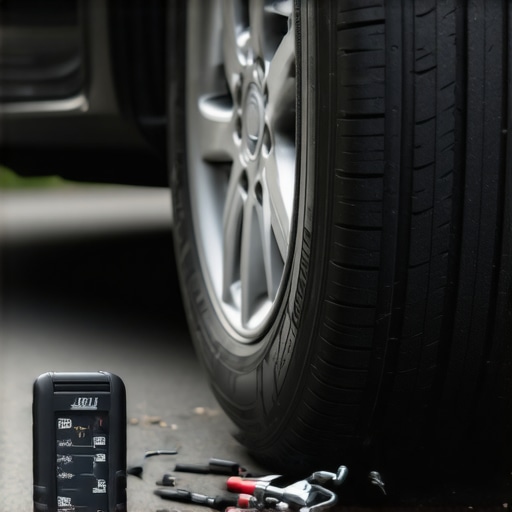
It was a hot summer afternoon when I first really paid attention to my tires—and promptly realized I was doing everything wrong. You know that sinking feeling when your car shudders unexpectedly at every stop? I thought it was just normal wear or the old pavement. Turns out, I had been neglecting a few simple yet crucial habits that could have doubled the lifespan of my tires. That lightbulb moment hit me hard—if I wanted to save money and avoid the hassle of constant replacements, I needed to rethink everything I knew about tire care.
Now, I’m here to share those secrets with you. No fluff, no gimmicks—just real, actionable advice from my own mistakes and successes. Today, we’ll dive into four powerful strategies that can help you make your tires last twice as long, saving you hundreds of dollars and countless headaches along the way.
Why Most Drivers Are Wasting Money on Tire Wear without Knowing It
Before we get into the nitty-gritty, let me ask—have you ever looked at your tires and wondered if they could last just a little longer? Or maybe, like me, you’ve experienced that sudden, unsettling vibration while driving, making you nervous about what’s lurking underneath. I used to ignore these signs, brushing them off as normal. But early on, I learned a costly lesson—I was making critical mistakes that accelerated tire wear.
For instance, I kept driving with underinflated tires because I assumed they’d just lose a little air over time. Turns out, underinflation is one of the biggest culprits behind premature tire degradation—and it affects fuel efficiency too. According to the Tire Industry Association, maintaining proper tire pressure can extend tire life by up to 20%. Pretty surprising, right?
Another mistake I made was neglecting regular wheel alignments. I thought only off-road driving or hitting a curb warranted checking alignment, but really, even small bumps on pothole-ridden streets can throw off your alignment and cause uneven wear. A misaligned tire can wear out twice as fast, costing you more money.
So, the question is—are you inadvertently shortening your tire’s lifespan without realizing it? If your answer is yes, don’t worry. The good news is, you can turn things around with a few simple habits.
Ready to find out exactly how to make your tires last longer than ever? Let’s get into the details—your wallet will thank you!
Is Overlooking Routine Maintenance Really Costing You Hundreds?
One common mistake I made early on was skipping regular tire rotations and ignoring signs of uneven wear. I thought, ‘If it looks fine, it probably is.’ But I learned that this oversight can significantly reduce your tires’ lifespan. Routine checks and rotations distribute wear more evenly, preventing premature bald spots and cracks. For more tips on spotting wear patterns, check out [what your tire wear patterns are trying to tell you](https://glassfixauto.com/what-your-tire-wear-patterns-are-trying-to-tell-you).
Moreover, neglecting proper tire pressure or ignoring early signs of misalignment can turn a simple tire rotation into a costly repair job. I once ignored a slight vibration that turned out to be a warped rotor, which only added more expense later. You can learn how to spot this early [here](https://glassfixauto.com/how-to-spot-a-leaky-brake-line-before-it-fails).
So, if you’ve been putting off these simple checks, now is the perfect time to start. Your tires—and your wallet—will thank you in the long run.
Now that we understand the importance of routine maintenance, let’s explore how to implement these habits without it feeling like a chore. Coming up next, simple steps to keep your tires in top shape—actionable, straightforward, and easy to integrate into your busy schedule.
Check Tire Pressure Regularly and Correctly
Begin with the most straightforward step—monitor your tire pressure weekly. Use a reliable digital gauge and compare your readings with the manufacturer’s recommended PSI, usually found in your owner’s manual or on a sticker inside the driver’s door. To make this easier, establish a habit, like checking before you fill your gas tank. Remember, underinflated tires increase wear and reduce fuel efficiency, similar to how a sneaker with loose laces causes uneven pressure on your foot, leading to blisters.
Master the Art of Tire Rotation
Next, rotate your tires every 5,000 to 7,000 miles. Think of this as flipping a burger—regular turning ensures even cooking. In auto terms, it means switching front tires to the rear and vice versa, and sometimes crossing sides to prevent uneven wear patterns. During a rotation, inspect for any signs of uneven tread wear or sidewall damage. I recall a time when I overlooked a slight feathering on my front tires; a simple rotation at my next service prevented a potential blowout. Scheduling rotations with every oil change helps maintain consistency and extends the lifespan of all four tires.
Align and Balance with Precision
Improper wheel alignment can cause tires to wear out twice as fast. If your steering pulls to one side or the steering wheel feels off-center, it’s time for an alignment check. Think of alignment like adjusting your glasses—if your vision is blurry or crooked, everything becomes strained and uneven. Bring your car to a trusted mechanic to check camber, caster, and toe angles. Tire balancing also plays a critical role; unbalanced tires cause vibrations. When I first felt that high-frequency shake on the highway, a quick balancing service fixed it instantly, saving my tires from uneven tread wear.
Maintain Proper Suspension and Avoid Pothole Damage
Suspension health directly affects tire longevity. Worn shocks or struts act like a shaky camera—blurry images and premature wear. Regularly inspect for leaks or uneven ride height. When I hit a particularly large pothole, I immediately had my suspension checked; damage could have transferred to my tires, causing uneven wear or sidewall cracks. Drive cautiously over rough roads and avoid potholes whenever possible. Quick fixes like patching small potholes or adding protective shields prevent shocks to your tires.
Keep an Eye on Tread Depth and Wear Patterns
Perform simple tests to check tread depth—use a coin or buy a tread depth gauge. Adequate tread not only ensures grip but also signals even wear. Examine tread patterns for cupping, feathering, or uneven patches. I learned to check for wear patterns by frequently inspecting my tires visually; noticing early signs like flat spots allowed me to intervene before a failure. If you spot signs like excessive smoothness or irregular wear, schedule a professional assessment promptly, possibly preventing costly replacements later.
Many car owners assume that routine maintenance like brake service and tune-ups are straightforward processes. However, even seasoned drivers often get the details wrong by overlooking critical nuances that can impact their vehicle’s longevity and safety. Let’s dive into some commonly misunderstood aspects and reveal what truly matters behind the scenes.
A prevalent myth is that replacing parts at fixed intervals, regardless of condition, guarantees optimal performance. This approach ignores the complex interplay of vehicle components. For example, a brake pad might wear out prematurely if the brake calipers aren’t properly lubricated. Neglecting these finer points can lead to uneven wear and increased costs. Regularly inspecting and lubricating components during tune-ups can prevent such issues and extend service life.
One area many drivers miss is the significance of sensor calibration post-maintenance. Modern vehicles are equipped with sensors for various systems—brakes, engine, transmission—that communicate with onboard computers. If these sensors are not calibrated correctly after repairs or replacements, it can lead to inaccurate readings, causing the vehicle to behave unpredictably. For instance, brake sensors in humid weather can trip unnecessarily if not properly calibrated, leading to warning lights or inefficient braking.
But what about the sophistication of diagnostics? Many shops rely solely on OBD-II scans without delving into the root causes of issues. A false diagnosis might result in unnecessary part replacements, which is both costly and inefficient. Advanced diagnostics involve understanding the nuances of sensor interactions and the vehicle’s history. This ensures that repairs target the core problem rather than just treating symptoms.
Addressing the common oversight of overlooked maintenance steps, such as the missing step in your last oil change, can prevent long-term damage. Neglecting to replace or clean crucial filters or inspect fluid levels can cause engine strain, leading to more severe issues down the line.
A key misconception is that all auto repairs require extensive disassembly. In some cases, minor issues like corroded terminals or faulty sensors can be fixed with simple procedures, avoiding costly repairs. An expert knows how to identify these quick fixes—saving you money and time.
Have you ever fallen into this trap of overlooking the subtle details? Let me know in the comments.
In essence, understanding these nuanced aspects of auto maintenance can mean the difference between a vehicle that merely runs and one that performs optimally for years. Don’t settle for surface-level fixes; dig deeper and advocate for comprehensive care that recognizes the complexity beneath the hood.Maintaining your car’s performance over the long term requires more than just basic checks; it demands the right tools, a systematic approach, and an understanding of evolving automotive technology. One instrument I rely on daily is a high-quality digital multimeter. I personally use the Fluke 117 for its durability and precision, essential for checking sensor voltages, testing battery health, and diagnosing electrical issues accurately instead of relying on guesswork. Accurate readings can help prevent costly repairs and ensure your vehicle’s systems operate as intended.
Another indispensable tool is a code reader that goes beyond basic diagnostics. I recommend the Autel AutoLink AL519 because of its comprehensive capabilities, including reading and clearing ABS and SRS codes, which many generic scanners overlook. This device helps me identify problems early, often before they trigger warning lights, saving money and time.
For routine maintenance, I leverage specialized software like AutoEnginuity’s ScanTool, which offers factory-level diagnostics via a Bluetooth adapter. This program provides in-depth access to vehicle modules, essential for tuning or diagnosing complex issues like misfires or sensor failures. Using such tools gave me an edge, especially when dealing with newer models where manufacturer-specific codes are common.
Regularly updating your diagnostic tools and software is crucial. Manufacturers continually release updates for their diagnostic software, which include new codes and fix bugs. I ensure my equipment’s firmware is always current, often downloading updates directly from the manufacturer’s website, to keep pace with evolving vehicle systems.
In addition to hardware, there are superb online communities and detailed manuals that I reference for advanced diagnostics. For example, the resource GlassFix Auto offers insightful tips and case studies that deepen my understanding of complex problems like engine hesitations. Continuous learning combined with the right tools keeps me ahead in auto repair tasks.
Looking toward the future, automotive technology is rapidly shifting towards smarter, connected diagnostics with integrated AI assistance. Embedded sensors and cloud-based data analysis will soon allow for predictive maintenance, minimizing downtime and extending vehicle lifespan.
**How do I maintain these tools over time?** Regular calibration, firmware updates, and proper storage are vital. I routinely calibrate my multimeter against known voltage sources and clean contact points to prevent corrosion. Keeping software up-to-date ensures compatibility and access to the latest diagnostic features. A well-maintained toolkit not only improves accuracy but also prolongs its lifespan, providing consistent reliability for years to come.
Now, I challenge you to try updating your diagnostic software or test a new sensor with your multimeter. These steps can dramatically improve troubleshooting efficiency and vehicle reliability, saving you money and stress in the long run. Are you ready to elevate your auto maintenance game?
What’s The One Mistake I Wish I Avoided Earlier
Realizing I had been neglecting regular tire rotations and ignoring uneven wear signs was a game-changer. Those small details, like noticing feathering or cracks early, could have saved me money and prevented dangerous blowouts. The lesson here is that proactive, consistent maintenance often requires paying attention to the subtle cues your tires give you.
My Arsenal of Tools for Tire Longevity Fitness
Over the years, I’ve assembled a toolkit that’s become indispensable for maintaining tire health. From a quality digital tire pressure gauge (like the Accutire MS-4021) to a reliable tread depth gauge, these tools offer precision and peace of mind. Additionally, my trusted wheel alignment scanner from a reputable brand ensures I don’t overlook hidden misalignments. These resources are the backbone of a proactive approach that keeps my tires rolling smoothly for years.
Fuel Your Drive with Passion and Knowledge
Your tires are more than just rubber; they’re the foundation of your driving experience. Embrace a mindset of curiosity and dedication—regular checks, timely rotations, alignment, and mindful road habits can dramatically extend their lifespan. Remember, a well-maintained set of tires isn’t just about saving cash; it’s about safe, confident driving every day. So, take charge, learn the ins and outs, and transform your car care routine today.