
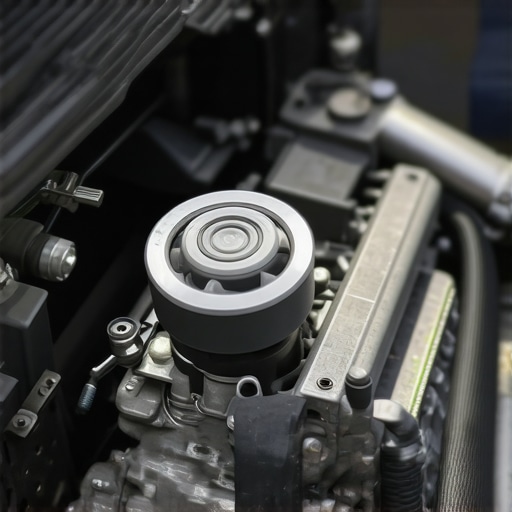
It happened one rainy morning when I was rushing to work. I hit the gas pedal, expecting a smooth surge of power, but instead, my engine hesitated. It jerked, hesitated again, and I could feel that unsettling shudder beneath my feet. That moment of confusion and frustration? I’ve been there. Many drivers experience this sudden stumble, and let me tell you, it’s more common than you might think.
Understanding Why Engines Hesitate During Acceleration
The truth is, your engine’s stumble isn’t just an annoyance—it’s a signal that something’s not quite right. This issue can stem from various causes, like dirty spark plugs, clogged fuel injectors, or issues with your air intake system. Early on, I mistakenly thought it was just a minor hiccup, maybe moisture or a temporary glitch. But ignoring it only made things worse.
One of the first mistakes I made was neglecting regular tune-ups, not realizing that simple maintenance could prevent many engine problems. For instance, missing a thorough check of your spark plugs or ignoring signs of a failing fuel filter can lead to hesitation issues. I’ve learned that staying on top of these small details saves a lot of headaches and money down the line.
Today, we’re going to unpack exactly how to identify and fix the root causes of engine hesitation during acceleration. Whether it’s a slight roughness or a near stall, understanding these causes can restore your engine’s smoothness and extend its lifespan.
Is Your Engine Hesitation Absolutely Worth the Hype?
Many skeptics might ask, “Is fixing engine hesitation really necessary?” Well, aside from the obvious discomfort and safety concerns, prolonged issues can lead to more severe damage—like damaging your catalytic converter or frying your spark plugs. Plus, a hesitant engine often indicates underlying problems that, if left unaddressed, can lead to costly repairs.
Now, before we delve into specific solutions, remember: a little proactive maintenance goes a long way. For example, I once overlooked a minor rough idle, only to find my transmission fluid was overdue for a change. Regularly inspecting components like your fuel injectors and ignition system can be game-changers. If you want a quick tip, check out [how to spot a failing alternator](https://glassfixauto.com/4-common-noises-that-signal-a-failing-alternator); it’s a common culprit for engine issues.
With that foundation laid, let’s move on to practical ways you can troubleshoot and fix engine stumble issues, saving you both time and cash.
Check and Replace Spark Plugs Immediately
Start by inspecting your spark plugs since worn or carbon-fouled plugs are often the culprit behind engine hesitation. Remove a plug and look for signs of deposits or wear. I once replaced mine following this method, resulting in a noticeable improvement in smoothness. Use the [how to check your own spark plugs for carbon buildup](https://glassfixauto.com/how-to-check-your-own-spark-plugs-for-carbon-buildup) guide for detailed steps. Remember, fresh spark plugs ensure proper ignition, which is essential for steady acceleration.
Clean Fuel Injectors for Optimal Flow
Clogged fuel injectors can restrict fuel delivery, leading to hesitation. Use a specialized cleaning kit or seek professional cleaning. In my experience, running a fuel system cleaner through the tank significantly restored performance. Think of this as clearing a clogged artery—your engine needs unobstructed fuel pathways. For a comprehensive approach, check out [auto fuel injector cleaning tips](https://glassfixauto.com/4-engine-hesitation-fixes-that-dont-require-a-full-rebuild). Regular maintenance prevents grime buildup that hampers acceleration.
Inspect Air Intake and Replace Clogged Filters
A dirty air filter chokes airflow, causing the engine to stumble. Remove and visually inspect the filter. If it appears dirty or haven’t been replaced in over 12,000 miles, install a new one. It’s like breathing through a straw—you won’t get enough air. I replaced mine during a routine tune-up, which made a noticeable difference. Keep in mind, a clean air intake is vital for efficient combustion. For cleaner air filters, see [the best way to check engine air filters](https://glassfixauto.com/how-to-spot-if-your-mechanic-is-padding-your-tune-up-quote).
Examine and Clean or Replace Mass Air Flow Sensor
The mass air flow (MAF) sensor measures incoming air to the engine. If dirty or faulty, it can cause hesitation. Disconnect the MAF sensor and clean it with MAF sensor cleaner; if issues persist, consider replacement. I once cleaned my MAF sensor myself with spray, which resolved a rough acceleration problem. Think of this sensor as your engine’s nose—if it’s blocked, the engine doesn’t get the proper air mix. For detailed cleaning steps, visit [how to clean a mass air flow sensor](https://glassfixauto.com/how-to-clean-a-mass-air-flow-sensor-to-restore-lost-power). Properly functioning MAF sensors ensure smooth throttle response.
Test and Adjust Throttle Body for Smooth Operation
A dirty or misadjusted throttle body causes uneven acceleration. Remove the intake duct to access the throttle body. Use throttle body cleaner and a soft brush to remove grime. Once cleaned, reset the throttle position sensor if necessary. I performed this step during a minor service, and my engine responded more responsively. Imagine trying to breathe through a congested nose—it hampers your entire performance. For guidance, see [the proper way to clean a throttle body](https://glassfixauto.com/how-to-clean-a-mass-air-flow-sensor-to-restore-lost-power). Regular cleaning keeps throttle response crisp and hesitation at bay.
Monitor and Maintain Fuel and Air Systems Regularly
Finally, schedule routine checks on all related components—fuel filter, air filter, spark plugs, and sensors. Set reminders for regular replacements based on your vehicle’s maintenance schedule. I learned that neglecting these small steps gradually leads to noticeable hesitation. Think of your engine like a garden—consistent care keeps it thriving. For a full tune-up checklist, see [4 tune-up steps to fix a 2026 engine that won’t rev](https://glassfixauto.com/4-tune-up-steps-to-fix-a-2026-engine-that-wont-rev-2). Preventive maintenance saves money and keeps your drive smooth.When it comes to car maintenance, many drivers operate under misconceptions that can lead to costly mistakes. A common myth is that brake pads are the only component needing attention during a brake service, but in reality, this overlooks critical parts like brake rotors and calipers, which can wear unevenly if not properly inspected. Many assume that all auto repairs are straightforward, yet the nuances of diagnosing issues like wheel misalignment or sensor faults require advanced knowledge and experience, often underestimated by the average car owner. For instance, there’s a widespread belief that if a warning light isn’t on, the system is functioning fine. However, experts warn that some issues, such as failing brake sensors, can malfunction intermittently, especially under humid conditions, as explained in this [expert analysis](https://glassfixauto.com/why-your-brake-sensors-trip-in-humid-weather-quick-fix-2).Maintaining your vehicle’s performance over the long term requires more than just basic knowledge—having the right tools can make all the difference. I personally rely on a set of specialized equipment that allows me to diagnose and address issues effectively, saving both time and money. One such tool is an OBD-II scanner, which I use regularly to read diagnostic trouble codes directly from the vehicle’s computer. My favorite is the BlueDriver Bluetooth Scan Tool because it integrates seamlessly with my smartphone, giving me real-time insights and detailed explanations for any codes, including emissions faults and sensor malfunctions. This device has empowered me to identify problems early, like a failing oxygen sensor or a misfiring spark plug, before they escalate into costly repairs. For professional auto repair, a good multimeter is indispensable; I prefer a digital multimeter with auto-ranging capabilities. It helps me check battery voltage, sensor outputs, and continuity in wiring, ensuring that electrical components are functioning correctly. When dealing with engine hesitation or electrical issues, accurate readings can point to faulty relays or corroded connections that often go unnoticed. Besides diagnostic tools, I swear by quality hand tools—socket sets, screwdrivers, and pliers—that are durable and ergonomically designed, making repairs more manageable and less frustrating. Additionally, I maintain a portable magnetic work light, which illuminates hard-to-reach areas like the throttle body or beneath the vehicle, facilitating thorough inspections without shadows. Looking ahead, the trend toward integrated diagnostic platforms and AI-powered sensors will continue to evolve, making preventive maintenance even more accessible and precise. This evolution underscores the importance of staying updated with the latest tools and techniques. My advice? Invest in an OBD-II scanner and learn to interpret the codes yourself—it’s a game-changer for diagnosing issues like engine hesitation, which can stem from problems in sensors, fuel delivery, or ignition systems. Try using a diagnostic app linked to your scanner and see how early warnings can help you maintain your car’s health. For a step-by-step guide on using these tools effectively, visit [the One Maintenance Item Most Shops Skip During a Standard Tune-Up](https://glassfixauto.com/the-one-maintenance-item-most-shops-skip-during-a-standard-tune-up) and start taking control of your vehicle’s future today.
Lessons I Didn’t Expect to Learn About Engine Troubleshooting
- Sometimes, the simplest fix—like replacing worn spark plugs—can restore your engine’s smooth acceleration, exposing how overlooked maintenance is the real game-changer.
- Ignoring small warning signs, thinking they’ll resolve themselves, often leads to costly repairs—trust me, catching issues early keeps your wallet happy.
- I’ve realized that a comprehensive approach—examining sensors, fuel systems, and airflow—prevents minor hiccups from becoming major headliners.
- Personal experience taught me that investing in diagnostic tools pays off—reading error codes yourself transforms frustration into empowerment.
Tools and Resources That Made a Difference in My Car Care Journey
- The BlueDriver Bluetooth Scan Tool became my trusted sidekick, providing real-time insights and demystifying error codes—truly a game-changer for DIY diagnostics.
- I rely on a quality digital multimeter to verify electrical health, helping me identify faulty sensors or wiring issues quickly and confidently.
- The guide on how to clean a mass air flow sensor opened my eyes to simple maintenance tactics that keep airflow—and performance—optimal.
- Regularly visiting trusted auto repair blogs like GlassFixAuto has kept me ahead of potential issues, especially by checking their comprehensive tune-up checklists and tips.
Your Next Step Toward Smoother Driving
Understanding the nuances behind engine hesitation empowers you to maintain your vehicle proactively. Small fixes and the right tools can turn a stressful drive into a smooth experience, saving you time and money. Don’t wait until hesitation turns into a breakdown—take charge of your car’s health today and enjoy the confidence that comes with well-maintained wheels. Have you ever caught a small issue early and saved yourself a major repair? Share your story below—I’d love to hear about your experiences!