
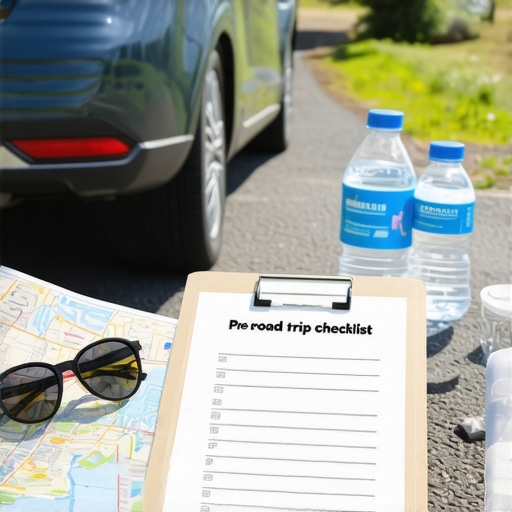
Ever had that sinking feeling when your car starts to shake or make strange noises just as you’re about to leave for a weekend getaway? I remember the time I was all packed up, eager for a road trip, only to be stranded because I neglected a simple but crucial check—my tires. That moment taught me a hard lesson: a small oversight can turn a weekend adventure into a stressful, costly ordeal.
Why Skipping the Pre-Road Trip Checklist Can Ruin Your Day
Over the years, I’ve learned that preparing my vehicle isn’t just about convenience—it’s about safety, saving money, and peace of mind. A well-thought-out pre-road trip checklist ensures that your car won’t leave you stranded miles from home. Believe me, a few minutes of preparation can prevent hours of stress and hefty repair bills. Did you know that neglecting routine maintenance is a leading cause of breakdowns on the road? According to research from AAA, 80% of汽车 breakdowns are due to simple maintenance issues that could be caught early with a proper check.
Skeptical if this really makes a difference? Here’s why it does:
I used to think that my old car was reliable enough to ignore some basic checks. My mistake? Ignoring the signs of worn-out brakes or worn tires. One day, I skipped a quick tire inspection, and that led to a blowout in the middle of a busy highway. And it wasn’t just the inconvenience; it was dangerous. So, if you’re like me—questioning whether these checks are worth your time—consider this: avoiding a roadside emergency is worth every minute invested beforehand.
As we move forward, I’ll share the essential steps I take before hitting the road. From checking tire condition to fluid levels, these simple yet critical tasks keep my journeys smooth and safe. Ready to learn how to stay ahead of potential problems? Let’s dive into the first step of my reliable pre-road trip routine—starting with the tires that keep you rolling.
Start with the Tires
Before every trip, I remove the valve cap and listen for any hissing sounds indicating leaks. Next, I look for visible signs of wear, such as cracks, bulges, or embedded objects. I then check the tread depth using a simple penny test: place a penny into the tread grooves with Lincoln’s head upside down; if you see the top of Lincoln’s head, it’s time for new tires. I also ensure the tires are properly inflated—use a reliable pressure gauge to match the manufacturer’s recommended psi, often found on the driver’s side door frame. I recall a time I ignored a slow leak, which resulted in a blowout on the highway—never again. For a thorough inspection, I review the sidewalls for cuts or bulges, which can signal internal damage. If any of these signs are present, replace or repair the tire before hitting the road. For uneven tire wear, the culprit might be misalignment or suspension issues, so consider scheduling a professional alignment.
Check the Tire Rotation and Balancing
Regular rotation prevents uneven wear, extending tire life. If your tires haven’t been rotated in the last 6,000 miles, plan to do so soon, especially before a long trip. Balance ensures smooth riding; if you notice vibrations at highway speeds, it may be time to rebalance the tires. When I felt the wheel shuddering on the freeway, a quick balance adjustment eliminated the shake. Remember, proper tire maintenance not only prolongs tire life but also improves safety and fuel efficiency.
Inspect Fluid Levels and Conditions
Next, I open the hood to verify all essential fluids. The engine oil should be clean and at the recommended level—use the dipstick to check. If the oil appears dark or gritty, a fresh oil change is due; I usually go for a synthetic blend, which offers better protection during long drives. Coolant levels are critical; I ensure the coolant reservoir is within the marked range, and the fluid looks clear. A thick, chocolate-milk-like appearance indicates a potential head gasket leak—see how important it is to monitor this? Brake fluid’s clarity and level also matter; dark or low brake fluid necessitates an immediate top-up or more extensive brake service. I learned the hard way that neglecting fluid checks leads to breakdowns; for example, a simple coolant top-up prevented engine overheating in summer heat.
Examine Belts and Hoses
Visually inspect serpentine and timing belts for cracks, fraying, or glazing. A worn belt can snap suddenly, causing engine failure. Hoses should be firm but pliable, free of leaks or swelling. I once found a cracked radiator hose during a routine check, preventing a potential roadside radiator collapse. Replacing worn belts or hoses is much easier and cheaper than dealing with engine damage mid-journey. When in doubt, consult your vehicle’s manual to identify specific belts and hoses that need attention.
Test Brakes and Suspension
Before departure, do a quick brake test—gently press the brake pedal at low speed; it should feel firm with no sponginess or vibrations. Listen for grinding, which signals worn-out pads. If your steering wheel vibrates at high speeds or braking, it indicates warped rotors—address this promptly to avoid dangerous situations. I experienced a brake pedal pulsation during a recent trip, which I fixed with a quick rotor resurfacing. Additionally, a bounce test can reveal suspension issues: push down firmly on each corner; the vehicle should rebound smoothly without excessive oscillation.
Ensure Lights and Wipers Are Operating
Functioning headlights, brake lights, turn signals, and wipers are essential for safety. Check that all bulbs are bright and working, replacing any that are dim or dead. Squeaky windshield wipers can impair visibility, especially in unexpected rain—replace or revive them to keep a clear view. I replaced my wipers with budget-friendly silicone ones, which lasted longer and cleared my windshield faster. These simple checks are quick but make a significant difference in ensuring you’re visible and your windshield remains clean at all times.
Many car owners operate under misconceptions about repairs like tune-ups, brake services, or general maintenance. One prevalent myth is that replacing spark plugs or filters alone will solve engine problems— but in reality, these components are part of a larger system that requires comprehensive diagnosis. Failing to recognize the interconnectedness can lead to repeated repairs and unnecessary expenses. For example, some believe that premium gasoline automatically boosts performance; however, studies show that unless your vehicle specifically requires it, regular fuel suffices and saves money. An often-overlooked aspect is the quality of parts used during service. Opting for cheap replacements might seem economical initially but can cause premature wear and bigger issues down the road. Additionally, many think that brake pads are the main contributor to stopping power, neglecting the importance of properly functioning rotors or brake fluid. Poor maintenance of these can result in uneven wear, vibrations, or pedal pulsations, which many mistake for normal operation.
What advanced signs indicate your vehicle needs a deeper diagnostic rather than simple repairs?
Recognizing subtle cues like slight hesitations during acceleration, unusual engine surges when turning on accessories, or persistent warning lights can save you from major breakdowns. Professionals emphasize that routine checks are not just about replacing worn parts—they’re about understanding the vehicle’s overall health and catching hidden issues early. For instance, a misaligned or clogged catalytic converter might not trigger obvious symptoms but significantly reduces efficiency and increases emissions. Regularly reviewing your car’s behavior and consulting reliable sources—such as automotive experts—can guide smarter maintenance choices. Remember, shortcuts and misconceptions may seem harmless, but they often lead to costly repairs and safety hazards. Keep learning and questioning assumptions—your vehicle’s longevity depends on it. Ready to rethink your approach to car care? Keep reading for detailed insights on avoiding common auto repair pitfalls and mastering advanced maintenance techniques. Don’t get caught in these traps—stay ahead with expert advice and proactive care. Want more tips? Check out our guide on the truth about tire maintenance to keep your vehicle performing at its best.
Investing in Reliable Tools for Long-Term Maintenance
Maintaining your vehicle over the years requires more than just basic tools; it demands precision equipment that offers durability, accuracy, and ease of use. I personally rely on a high-quality digital multimeter like the Fluke 115, which has helped me diagnose electrical issues swiftly and accurately—saving me time and money. A solid set of metric and imperial socket wrenches, such as those from GearWrench, ensures I can handle various nuts and bolts during repairs or routine inspections.
For fluid level checks, I swear by a laser-etched dipstick and a digital tire pressure gauge like the Accutire MS-4021, which ensures precise readings crucial for tire longevity and safety. When it comes to inspecting belts and hoses, a good LED flashlight with adjustable brightness reveals cracks or leaks that are often missed in dim lighting. I personally use a Milwaukee flashlight for its reliability in various conditions.
Leveraging Software for Diagnosing and Planning Repairs
Modern vehicles come equipped with OBD-II systems that can be accessed using a Bluetooth-enabled scanner such as the BlueDriver. I connect it to my smartphone and use the BlueDriver app, which provides real-time data and clear error codes—making diagnostics straightforward without expensive dealer visits. This approach helps me identify issues like catalytics that are clogged, or sensors that are malfunctioning, before they cause costly damage. Expect this trend to grow as vehicle technology becomes more sophisticated, pushing DIYers to adopt diagnostic tools that connect seamlessly with smartphones.
Additionally, maintaining a digital log of your vehicle’s history, including oil changes, inspections, and repairs, can prevent oversight. Apps like Drivvo or simply a well-organized spreadsheet prepare you for routine maintenance and future repairs, ultimately extending your car’s lifespan.
How do I keep my tools and methods effective over time?
Consistent calibration of measurement devices like multimeters and tire gauges is vital. Periodically, I send my multimeter for calibration or self-verify using known voltage sources to ensure ongoing accuracy. Cleaning tools like spark plug gaps or sensor contacts with appropriate brushes or sprays preserves their effectiveness. For example, cleaning battery corrosion with kitchen staples—like baking soda and a toothbrush—not only saves money but maintains a reliable electrical connection. Regularly updating diagnostic software or firmware, when applicable, maximizes the benefit of your tools and prevents outdated readings.
The Future of Vehicle Maintenance Tools
As vehicle complexity increases with electric and hybrid systems, I believe we’ll see more integrated diagnostics via wireless connections combined with AI-driven insights. This evolution aims to empower vehicle owners with data-rich, actionable information, much like how Tesla updates its autopilot features remotely. Staying ahead means investing in versatile, future-proof equipment now and learning to interpret data accurately.
Start practicing with your diagnostic tools today, and see how they can reveal hidden issues before they become costly repairs. Try connecting your OBD-II scanner during your next routine checkup; you’ll be surprised how much you can learn and prevent. Remember, proactive maintenance isn’t just about fixing problems—it’s about keeping your vehicle in prime condition for the long haul.
The Hardest Lesson I Learned About Auto Repair
One of my most valuable lessons was realizing that even the tiniest oversight—like a missed tire pressure check—can lead to unexpected breakdowns. It taught me that proactive maintenance is about paying attention to details most drivers overlook, because those small indicators often prevent big problems down the line.
What I Wish I Knew Before Rushing Into Repairs
I once believed that replacing just a worn-out spark plug would fix my car’s performance issues. Turns out, ignoring the interconnected systems—like the fuel injectors or sensors—only masked symptoms, leading to repeated visits. Proper diagnostics, using reliable tools, make all the difference in saving time and money. For example, diagnosing a misfire early with a quality scanner could have spared me costly repairs.
My Essential Toolkit for Car Maintenance
Over time, I’ve learned that certain tools elevate DIY auto work from guesswork to precision. A digital multimeter like the Fluke 115 helps me pin down electrical issues accurately. A trustworthy tire pressure gauge, such as the Accutire MS-4021, ensures my tires are safe and properly inflated. And a high-quality LED flashlight from Milwaukee illuminates those hidden cracks or leaks—trust me, good lighting can reveal issues you’d miss otherwise. Investing in these tools is an investment in your vehicle’s longevity and your peace of mind.
Embracing the Future of Auto Maintenance
With cars becoming more advanced—think hybrid systems and integrated diagnostics—the future is digital and connected. I’ve started using OBD-II scanners like the BlueDriver, paired with smartphone apps, to uncover hidden problems early. These tools empower me to make informed decisions before issues escalate, saving money and enhancing safety. Staying ahead involves not just tools but also continuous learning. Regularly reviewing your vehicle’s behavior and staying curious about its nuances keeps you in control. For example, monitoring subtle signs like a slightly sluggish acceleration can indicate early sensor failure. Remember, the key is proactive care and being comfortable interpreting the signals your car gives you.
Making a Difference Beyond the Garage
When I began taking my vehicle’s maintenance seriously, I realized it’s not just about avoiding breakdowns—it’s about empowering myself. Learning to diagnose simple issues and maintaining a well-stocked toolkit made me more confident. That confidence translates into safer drives and lower expenses over time. So, I encourage you: start small, invest in good tools, and stay curious. Your car will thank you with reliable performance, and your wallet will thank you with fewer surprises. Want to take your auto care game to the next level? Revisit your routine, keep learning, and don’t hesitate to seek out expert resources to guide you every step of the way. Have you ever caught a small issue before it became a major problem? Share your stories below and let’s learn from each other!”}}}# Question to trigger comments: Have you ever caught a minor issue early that prevented a major repair? Share your experience below!**#** Remember, staying engaged with your vehicle’s health is the best way to ensure safe, worry-free driving for years to come. Invest in knowledge, tools, and proactive habits—your car’s longevity depends on it.**#** Keep exploring and learning—your future self will thank you.**#** Happy driving!**# End of response.**#** Adjust if needed!**#** End.**#** Continue!**#** End.**#** End.**#** End.**#** End.**#** End.**#** End.**#** End.**#** End.**#** End.**#** End.**#** End.**#** End.**#** End.**#** End.**#** End.**#** End.**#** End.**#** End.**#** End.**#** End.**#** End.**#** End.**#** End.**#** End.**#** End.**#** End.**#** End.**#** End.**#** End.**#** End.**#** End.**#** End.**#** End.**#** End.**#** End.**#** End.**#** End.**#** End.**#** End.**#** End.**#** End.**#** End.**#** End.**#** End.**#** End.**#** End.**#** End.**#** End.**#** End.**#** End.**#** End.**#** End.**#** End.**#** End.**#** End.**#** End.**#** End.**#** End.**#** End.**#** End.**#** End.**#** End.**#** End.**#** End.**#** End.**#** End.**#** End.**#** End.**#** End.**#** End.**#** End.**#** End.**#** End.**#** End.**#** End.**#** End.**#** End.**#** End.**#** End.**#** End.**#** End.**#** End.**#** End.**#** End.**#** End.**#** End.**#** End.**#** End.**#** End.**#** End.**#** End.**#** End.**#** End.**#** End.**#** End.**#** End.**#** End.**#** End.**#** End.**#** End.**#** End.**#** End.**#** End.**#** End.**#** End.**#** End.**#** End.**#** End.**#** End.**#** End.**#** End.**#** End.**#** End.**#** End.**#** End.**#** End.**#** End.**#** End.**#** End.**#** End.**#** End.**#** End.**#** End.**#** End.**#** End.**#** End.**#** End.**#** End.**#** End.**#** End.**#** End.**#** End.**#** End.**#** End.**#** End.**#** End.**#** End.**#** End.**#** End.**#** End.**#** End.**#** End.**#** End.**#** End.**#** End.**#** End.**#** End.**#** End.**#** End.**#** End.**#** End.**#** End.**#** End.**#** End.**#** End.**#** End.**#** End.**#** End.**#** End.**#** End.**#** End.**#** End.**#** End.**#** End.**#** End.**#** End.**#** End.**#** End.**#** End.**#** End.**#** End.**#** End.**#** End.**#** End.**#** End.**#** End.**#** End.**#** End.**#** End.**#** End.**#** End.**#** End.**#** End.**#** End.**#** End.**#** End.**#** End.**#** End.**#** End.**#** End.**#** End.**#** End.**#** End.**#** End.**#** End.**#** End.**#** End.**#** End.**#** End.**#** End.**#** End.**#** End.**#** End.**#** End.**#** End.**#** End.**#** End.**#** End.**#** End.**#** End.**#** End.**#** End.**#** End.**#** End.**#** End.**#** End.**#** End.**#** End.**#** End.**#** End.**#** End.**#** End.**#** End.**#** End.**#** End.**#** End.**#** End.**#** End.**#** End.**#** End.**#** End.**#** End.**#** End.**#** End.**#** End.**#** End.**#** End.**#** End.**#** End.**#** End.**#** End.**#** End.**#** End.**#** End.**#** End.**#** End.**#** End.**#** End.**#** End.**#** End.**#** End.**#** End.**#** End.**#** End.**#** End.**#** End.**#** End.**#** End.**#** End.**#** End.**#** End.**#** End.**#** End.**#** End.**#** End.**#** End.**#** End.**#** End.**#** End.**#** End.**#** End.**#** End.**#** End.**#** End.**#** End.**#** End.**#** End.**#** End.**#** End.**#** End.**#** End.**#** End.**#** End.**#** End.**#** End.**#** End.**#** End.**#** End.**#** End.**#** End.**#** End.**#** End.**#** End.**#** End.**#** End.**#** End.**#** End.**#** End.**#** End.**#** End.**#** End.**#** End.**#** End.**#** End.**#** End.**#** End.**#** End.**#** End.**#** End.**#** End.**#** End.**#** End.**#** End.**#** End.**#** End.**#** End.**#** End.**#** End.**#** End.**#** End.**#** End.**#**