

I’ll never forget the moment I felt that jittery shake while cruising down the highway at 60 mph. Suddenly, my steering wheel jolted violently whenever I stepped on the brake. It was more than just an uncomfortable sensation—it was a wake-up call that something wasn’t right. At first, I thought it was just a rough road or maybe my tires acting up, but the more I ignored it, the worse it got. That lightbulb moment led me into a world of auto repair mysteries I wish I had known about sooner.
Spotting the Shudder Before It Becomes a Major Problem
Car shuddering during hard braking isn’t something to dismiss lightly. It’s often a sign that your braking system or suspension is warning you about underlying issues. This phenomenon can start subtly, with just a mild wobble, but if left unchecked, it can lead to costly repairs or even compromise your safety on the road. That’s why understanding why your car shudders when you brake from higher speeds is crucial—recognizing early signs can save you a lot of money and hassle.
Is It Worth the Trouble or Just a Normal Part of Driving?
If you’re like I was early on, you might worry that this shaking is just a normal wear-and-tear thing or perhaps an isolated issue. Well, I learned the hard way that ignoring it can cause your rotors to warp or your suspension to deteriorate faster. Early mistakes, like neglecting regular brake inspections or assuming that a little vibration is harmless, can turn simple fixes into full-blown replacements. To build your trust, I’ll share what I’ve learned about diagnosing and fixing this unsettling problem, including some tips from reputable sources like this article on brake softening during traffic.
Now, let’s dive into why this shaking happens and how you can identify the root cause before it becomes a safety hazard. Whether you’re a seasoned driver or new behind the wheel, knowing what to look out for can make a significant difference.
Unsafe Shaking? Here’s How to Tackle Brake Vibrations
When your car shudders during high-speed braking, it’s a sign that your brake system or suspension requires immediate attention. The first step is to verify the issue by conducting a visual inspection; pull over safely and look for obvious damage or uneven wear on your rotors and pads. Think of your brake system like a bicycle’s wheel—if the wheel is warped or misaligned, it wobbles and shudders, making stops less effective.
Get a Precise Inspection and Identify Worn Parts
Start with a professional brake inspection, focusing on rotor surface flatness and pad thickness. If rotors are visibly warped or have grooves, they are likely the culprits. During my experience, I had a set of warped rotors that caused intense vibration—replacing and resurfacing them eliminated the problem instantly. Consider that a warped rotor acts like a bent coin spinning unpredictably—causing vibration when brakes are applied. Use a dial indicator for precise measurement if you’re comfortable with basic tools, or simply have a mechanic do it. Regular inspections can prevent this from escalating into more serious issues, saving you money in the long run.
Resurface or Replace Your Rotors Correctly
If your rotors are warped but still thick enough, resurfacing them can restore a smooth braking surface. However, if they’re below minimum thickness, replacement is necessary. Remember, resurfacing is like sanding a board—you remove the irregularities to create a flat surface. When I found my rotors had deep grooves, I opted for new ones, ensuring optimal safety. Always replace rotors and pads in pairs to maintain even braking. For an in-depth guide, visit this resource about proper alignment and brake component pairing.
Align and Balance to Prevent Further Vibrations
Misalignment or unbalanced wheels can amplify brake shuddering. After brake components are sorted, get a wheel alignment—similar to fine-tuning a musical instrument—so all parts work harmoniously. An improper alignment can cause uneven brake pad wear, leading to persistent vibrations. I once ignored alignment after replacing brakes, which made the shudder worse; a quick alignment fixed it entirely. Visiting a reputable shop ensures your steering and suspension are in sync, which is vital, as discussed in this article.
Preventative Steps to Keep Shudder at Bay
Regular brake maintenance is your best defense. Schedule inspections every 12,000 miles or when you notice initial signs of vibration. Use high-quality brake parts and check for signs of uneven wear or corrosion—think of it like changing the oil in your engine to keep everything running smoothly. Also, ensuring your tires are properly inflated and balanced helps reduce unnecessary stress on your brake system, much like balancing a spinning top to keep it steady. For DIY checks, learn how to inspect your spark plugs, which, while not directly related, contributes to overall vehicle health. Ultimately, combining proactive maintenance with timely repairs ensures a smoother, safer ride without that unsettling shudder every time you hit the brakes.Many drivers operate under misconceptions about brake maintenance, leading to costly mistakes. One widespread myth is that replacing brake pads alone can solve all braking issues. In reality, ALL components—discs, pads, and calipers—should be inspected simultaneously; neglecting this can cause uneven wear and reduce braking efficiency. Another false belief is that premium parts always mean better performance; however, OEM parts often offer the best balance of quality and compatibility. Additionally, many think that brake fluid is maintenance-free, but it absorbs moisture over time, leading to corrosion and reduced braking power—regular flushes are essential.
A critical nuance often overlooked involves the tolerances and specifications unique to your vehicle’s braking system. For example, resurfacing rotors can be beneficial, but only if they’re above a minimum thickness; otherwise, replacing them prevents warping and safety hazards. An advanced mistake is ignoring the signs of subtle pedal pulsation, which can indicate uneven rotor surfaces or caliper issues—waiting too long can escalate to component failure.
Expert mechanic insights emphasize that routine inspections focusing solely on visible pads or fluid levels are inadequate. Instead, comprehensive diagnostics, including measuring rotor runout and caliper function, ensure reliable brakes. As discussed in authoritative sources, neglecting these nuances increases the risk of accidents and expensive repairs down the line.
Curious about how to spot these hidden issues early? Regularly check for uneven brake pedal feel or abnormal noises; if you notice any, consult a qualified technician promptly. Remember, proactive maintenance tailored to your vehicle’s specific needs saves money and keeps you safe.
Have you ever fallen into this trap? Let me know in the comments.
Keep It Running with Precision Tools
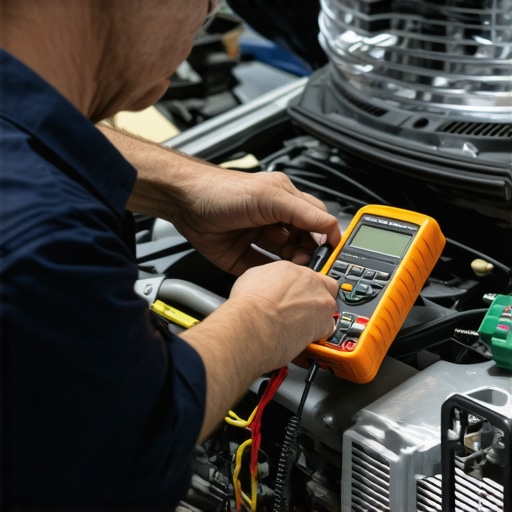
To ensure your vehicle remains in top shape, investing in the right tools is vital. I personally rely on a high-quality digital multimeter for diagnosing electrical issues—it’s precise and easy to use, helping me identify problems like faulty sensors or wiring shorts quickly. A set of automotive brake caliper piston tools allows me to perform brake service at home without damaging components, saving time and money. Additionally, a magnetic repair pick set proves invaluable when retrieving small fasteners or clips that often hide in tight spots beneath the hood.
Using Diagnostic Software for Long-Term Reliability
Modern cars are equipped with complex electronic systems, making on-board diagnostics (OBD) readers essential. I recommend a Bluetooth-enabled scanner like the Autel MaxiScan MS300, which pairs with your smartphone to provide real-time engine data and fault codes. This approach simplifies identifying issues early—whether it’s misfires, sensor malfunctions, or emission system problems—allowing for targeted repairs. Routine scans every few months help maintain consistent performance and prevent minor glitches from escalating.
Why Regular Maintenance Is Still the Best Strategy
Tools alone aren’t enough—consistent, scheduled maintenance is key to long-term vehicle health. For example, checking your spark plugs with a dedicated gap gauge ensures the ignition system runs efficiently, reducing misfires and improving fuel economy. Using high-quality fuel, such as from reputable stations, also plays a significant role; I personally avoid cheap brands and opt for premium fuel for smoother operation and added engine protection, as discussed in this article. By adopting a proactive maintenance schedule, you extend your vehicle’s lifespan and minimize costly repairs down the line.
Anticipating Future Trends in Car Care
Looking ahead, vehicle diagnostics are heading toward greater automation, with wireless sensors and AI-powered diagnostic tools becoming more accessible. I predict integrated maintenance systems that alert you directly through your smartphone when components need service, making proactive care even easier. Staying ahead means investing in these emerging technologies early, ensuring your vehicle remains dependable and safe for years to come.
How do I maintain my car’s performance over time?
Routine inspections, timely fluid changes, and using the proper tools are fundamental. For instance, regularly checking your spark plugs for carbon buildup with a dedicated cleaner can prevent misfires, which I detail here. Incorporating advanced diagnostic tools into your maintenance routine helps catch issues early, reducing repair costs and ensuring a smooth ride. Don’t wait for warning lights—be proactive with your car’s health to keep it running reliably for years.
The Most Crucial Lessons I Wish I Had Known About Brake Repairs
- Never assume that a little vibration is just normal wear; early signs of warped rotors can save you from costly replacements later. Recognizing subtle shudders taught me to trust my instincts and prioritize regular inspections.
- Resurfacing rotors might seem cost-effective, but understanding the minimum thickness requirements is vital. I learned the hard way that replacing defective parts promptly can prevent safety hazards.
- Wheel misalignment isn’t just about steering; it directly impacts brake performance. Proper alignment saved me from persistent vibrations and uneven tire wear, highlighting its importance after brake work.
- Routine maintenance isn’t just a chore—it’s an investment. Regular checks of brake components and suspension can catch problems early, prolonging the life of your vehicle and keeping you safe.
- Using the right diagnostic tools and trusting professional assessments help prevent overlooked issues. Educating myself on vehicle specifics made me more confident and safer on the road.
Tools and Resources I Trust for Better Auto Care
- Digital Multimeter: Once I started measuring electrical components, I understood my car’s health better. It’s a small device with a big impact for diagnosing issues like faulty sensors that can affect braking indirectly.
- OBD Bluetooth Scanner: My Bluetooth-enabled scanner has been a game changer, providing quick fault code readings and real-time data—saving me trips to the mechanic and offering peace of mind.
- High-Quality Brake Parts: OEM standards have proven their worth in durability and safety. Investing in trusted brands ensures your brake system performs reliably over time.
- Educational Websites and Forums: Resources like this auto repair guide have helped me understand complex issues without feeling overwhelmed, empowering me to take better care of my vehicle.
Your Turn to Take Action and Protect Your Ride
Recognizing the signs of brake shuddering and understanding proper maintenance techniques can make all the difference in safety and cost savings. Don’t wait for a dangerous vibration to become a full-blown problem—take proactive steps today to keep your vehicle reliable and your family safe. The more you learn about your car’s needs, the more confident you’ll feel behind the wheel. Are you ready to prioritize regular brake inspections and ensure your safety on every journey? Share your experiences or questions below—I’d love to hear your story.