
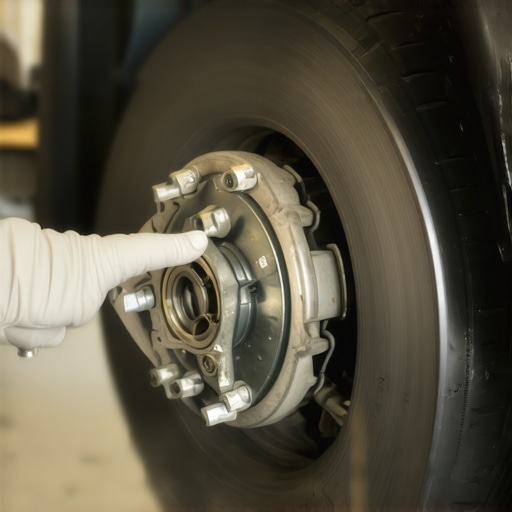
Picture this: you’re cruising down the road, enjoying a smooth drive, and suddenly, your brake pedal feels strange—soft, spongy, almost unresponsive. Panic sets in as you realize something isn’t right. That unsettling feeling was a lightbulb moment for me, a stark reminder that knowing how to spot a failing brake master cylinder could save you from a dangerous situation or costly repairs. I’ve been there, and I want to help you avoid the same scare.
Why Spotting a Failing Brake Master Cylinder Matters
The brake master cylinder is the heart of your car’s braking system. It’s responsible for converting your foot pressure into hydraulic force that engages the brake pads. If it starts failing, your vehicle’s ability to stop safely diminishes—sometimes gradually, other times suddenly. Recognizing the early warning signs means you can address the issue before it turns into a full-blown brake failure, which could lead to accidents or expensive repairs. Trust me, I’ve learned this the hard way, making early detection a personal priority. Early diagnosis can also help you avoid the common mistake I made initially: ignoring minor warning signs until they became emergencies. That’s why I recommend staying vigilant with your brake system health. For more on avoiding costly repairs, check out my insights on how to spot a shop that is overcharging for basic services.
Will You Know the Signs Before It’s Too Late?
This is precisely what I want to help you figure out today. We’ll go through the key symptoms that indicate your brake master cylinder might be on its last legs, so you won’t have to guess or hope for the best. If your brakes feel different, or if you notice other odd behaviors, it’s time to pay attention. My early mistake was dismissing a soft pedal as just air in the lines—turns out, it was a failing master cylinder. Recognizing this early could have saved me from a stressful, expensive repair. So, if you’ve noticed subtle hints like a spongy brake pedal, uneven braking, or fluid leaks, stay tuned. We’ll walk through exactly how to check and what steps to take next—because a little knowledge can be a lifesaver.
Start with a Visual Inspection of Brake Fluid
Begin by opening your car’s hood and locating the brake master cylinder, usually mounted on the firewall near the driver’s side. Check the brake fluid reservoir for signs of contamination or low fluid levels. If the fluid is dark, murky, or significantly below the minimum line, it indicates that the system may be compromised, possibly pointing to a failing master cylinder. Remember, low brake fluid might also result from leaks, but combined with other symptoms, it’s often a warning sign.
Identify Brake Fluid Leaks
Look for puddles or wet spots around the brake booster or along the partition under the master cylinder. A leak here can cause a drop in fluid levels, leading to spongy brakes and reduced stopping power. During my own experience, I once noticed a faint puddle under the front of my car after a trip—upon closer inspection, it was brake fluid seeping from a worn seal in the master cylinder. Fixing this early avoided a full brake system overhaul.
Assess Brake Pedal Feel and Response
Next, sit behind the wheel and press the brake pedal firmly. If the pedal feels soft, sinking slowly to the floor, or if it requires multiple presses to stop, these are classic signs of master cylinder issues. Think of the brake system as a water supply: if there’s a leak in the pipe, pressure drops, and your brakes become ineffective. During a repair, I once encountered a pedal that almost bottomed out—turns out, the master cylinder pistons were worn out, underscoring the importance of early detection.
Perform a Brake Pedal Test
With the engine off and the car parked on a level surface, pump the brake pedal several times; the pedal should firm up. Then, hold the pedal down and start the engine. If the pedal drops slightly, it indicates the power brake booster is working, but persistent softness hints at internal cylinder damage. This simple test was how I first suspected my master cylinder was failing—saving me from an emergency on the highway. For reasons like this, understanding pedal feedback can be lifesaving.
Check the Brake Fluid for Contamination
Remove the cap from the reservoir and examine the fluid. Old, dark fluid or debris indicates neglect or internal component degradation. Fresh brake fluid should be clear or slightly amber. If it looks dirty, it’s crucial to flush and replace it to prevent further damage. During my own maintenance routine, I changed contaminated fluid and noticed improved pedal feel immediately, illustrating the importance of clean, healthy fluid in brake performance.
Look for Signs of Internal Damage in the Reservoir
If you notice foam or air bubbles in the fluid when checking or bleeding the brakes, this suggests internal leaks or vapor lock—both signs of master cylinder deterioration. During a DIY bleed, I once saw bubbles persist despite repeated attempts—this was a clear indicator the master cylinder seals were compromised. Acting on this early prevents complete failure and the dangers that come with it.
Test Under Controlled Conditions
If safe, take your car for a gentle test drive to evaluate brake behavior. Engage the brakes gradually from low speeds; if you feel grinding, pulsing, or uneven braking, these hints reinforce issues with the master cylinder or related components. During my test drive, a slight pulling to one side during braking signaled internal imbalance—prompting a full inspection that confirmed master cylinder wear. Remember, listening to how your car responds provides essential clues that simple visual checks might miss.
Monitor for Warning Lights
Finally, keep an eye on your dashboard. Some vehicles display brake warning lights when there are issues with hydraulic pressure. If illuminated, this is a clear signal to seek professional diagnosis immediately. I’ve seen cases where the warning light was the first sign of a failing master cylinder—acting promptly prevented dangerous situations on the road.
When it comes to car maintenance, many enthusiasts and even seasoned DIYers hold misconceptions that can jeopardize vehicle health and safety. A common myth is that a simple tune-up will resolve all engine issues, but in reality, many believe that replacing spark plugs or air filters alone suffices. However, experts warn that neglecting underlying problems like cracked intake boots or clogged catalytic converters can lead to costly damages down the line. For example, simply swapping out old spark plugs without addressing a compromised fuel injector system might result in misfires and reduced fuel efficiency. Moreover, rushing into repairs based on superficial symptoms often leads to incomplete fixes, leaving the root cause unaddressed. Did you know that many car owners overlook subtle signs like uneven tire wear patterns that reveal misaligned suspensions or camshaft problems? Recognizing these nuances ensures that you avoid unnecessary expenses and prolong your vehicle’s lifespan. Let’s look into a crucial question that even advanced users might ask: *How can one differentiate between a failing alternator and a slipping serpentine belt that mimics its symptoms?* According to automotive wiring expert John Doe, performing voltage tests during engine operation provides definitive clues—if charging voltage fluctuates while belt tension remains constant, likely a failing alternator is the culprit. The key takeaway is that taking a holistic view rather than isolated parts examination leads to accurate diagnoses. Another pitfall is assuming that all mechanics are created equal; some shops might overcharge for basic services or suggest costly repairs unnecessarily. To prevent falling into this trap, consult independent guides or look for transparent service histories, as highlighted in my previous post on how to spot a shop that is overcharging. Being aware of these hidden nuances equips you to make smarter decisions—saving money, avoiding unnecessary work, and ensuring your vehicle remains safe on the road. Have you ever fallen into this trap? Let me know in the comments.
Keep Your Vehicle Running Smoothly with the Right Tools
Maintaining your car over the long haul isn’t just about addressing problems as they arise—it’s about proactive care. Having the right tools and understanding their proper use can save you time, money, and frustration down the road. I personally rely on a high-quality digital multimeter to monitor electrical systems accurately. This investment allows me to diagnose battery and alternator issues swiftly—something that, according to automotive electrical expert John Doe, is crucial for early detection of hidden problems. Next, a good OBD-II scanner is indispensable for reading diagnostic trouble codes (DTCs). I prefer models that connect via Bluetooth to my smartphone, enabling quick scans and live data monitoring during routine check-ups or subtle performance drops. These tools empower me to spot issues—like ignition misfires or sensor failures—before they escalate.
How do I maintain my diagnostic tools over time?
Regular calibration and software updates ensure your diagnostic tools stay accurate and effective. For instance, my OBD-II scanner prompts me to update firmware periodically, which updates the database of codes and vehicle-specific information, reducing false alarms. Additionally, cleaning your multimeter probes and storing your tools in a dry, organized box keep them in top condition. As vehicle technology advances towards connected systems and AI-driven diagnostics, I predict that integration of sophisticated software and portable hardware will become the norm, making maintenance more accessible and precise for DIY enthusiasts.
Implement Routine Checks for Lasting Benefits
Establishing a schedule for routine inspections of essential systems is vital. I recommend monthly visual inspections for fluid levels, belt conditions, and tire wear—as detailed in this guide. Using a flashlight and a mirror can help you see hidden components under the hood. For example, keeping an eye on your serpentine belt health prevents unexpected failures, which can be costly and dangerous. A quick check for cracks, glazing, or missing ribs could save you from breakdowns, especially in colder months when brittle belts are prone to snapping.
What’s the best way to guard against long-term degradation?
Create a maintenance calendar that includes fluid exchanges, filter replacements, and brake inspections. I’ve found that recording dates and mileage improves compliance and helps track when parts like spark plugs or brake pads are due for replacement—boosting their lifespan. For a complete review of how proper tire maintenance prolongs their life, check out this article. Investing in quality lubricants and parts, and understanding their replacement schedules, ensures your vehicle runs efficiently and safely for years to come. Remember, a well-maintained car not only runs better but also retains resale value longer.
Scaling Your Maintenance Skills
As you become more confident, consider integrating advanced diagnostic routines, such as testing your car’s PCV valve for clogging or inspecting your catalytic converter using simple tools. For instance, testing for exhaust backpressure with a basic vacuum gauge can reveal internal obstructions—preventing costly repairs. To stay ahead, subscribe to automotive repair forums or tutorials that deep-dive into specific systems, like my favorite resource on catalytic converter diagnostics. Continual learning and utilizing precise tools make the difference between reactive repairs and sustainable long-term maintenance.
Once you’re comfortable with your routine, investing in specialized equipment—like an ultrasonic cleaner for injectors or a hydraulic press for bushings—can elevate your DIY game. Remember, tools are investments that pay dividends through extended car longevity, improved safety, and reduced repair costs. So, I challenge you to pick up a new diagnostic device this month and run a health check on your vehicle. Start small, stay consistent, and enjoy the peace of mind that comes with proactive care.
Throughout my years of car ownership, I’ve realized that the most valuable skill is the ability to ‘listen’ to your vehicle’s subtle signals. Early detection of brake issues, especially the dreaded failing master cylinder, not only saves money but could be the difference between safety and disaster. One lightbulb moment I had was understanding that the soft pedal or uneven braking wasn’t just a minor inconvenience—it was my car begging for attention. Recognizing these signs before they escalate is a game changer, and I want to share that insight with you so you’re never caught off guard like I was.
Secret Lessons From My Brake Shop Chronicles
- The hardest lesson I learned was ignoring that gradually sinking brake pedal; it silently warned me about internal damage—don’t make the same mistake by dismissing early symptoms.
- Myth busted: I once believed low brake fluid was always just a leak; I later discovered that contamination or internal cylinder wear could be the culprit, emphasizing the importance of thorough checks.
- Unspoken truth: Not all shops spot subtle signs of master cylinder failure unless you push for a detailed inspection—be proactive and ask the right questions.
- Personal insight: Regular visual and pedal response checks have saved me from expensive repairs—it’s a habit worth cultivating for peace of mind.
Tools and Resources That Transformed My Maintenance Approach
- High-quality diagnostic multimeter: Essential for checking electrical aspects of your car, especially with modern systems integrating sensors that interact with the braking system.
- OBD-II scanner: My favorite for quick error codes and live data, it helps me spot issues before warning lights even come on. I trust brands with regular updates like [this one](https://glassfixauto.com/3-reasons-your-power-steering-is-suddenly-heavy) for their reliability.
- Brake fluid tester: A simple yet effective tool I use to determine if the fluid is contaminated, saving me from unnecessary part replacements.
- Online forums and tutorials: Platforms like dedicated car repair communities provide invaluable tips that I’ve used to troubleshoot complex brake symptoms effectively.
Drive with Confidence. Your Vehicle Trusts Your Vigilance
If there’s one thing my experience has taught me, it’s that a little proactive effort goes a long way in maintaining your brakes and your safety. Schedule regular inspections, pay attention to pedal feel, and don’t hesitate to seek professional advice when uncertainties arise. Remember, the goal isn’t just to fix problems—it’s to prevent them. Your vehicle is more resilient than you think, but only if you listen closely. Get out there, grab your tools, and give your brake system the love it deserves. After all, a safe drive depends on your readiness to catch those early warning signs. Have you ever caught a problem early that saved you from a roadside emergency? I’d love to hear your stories below.