
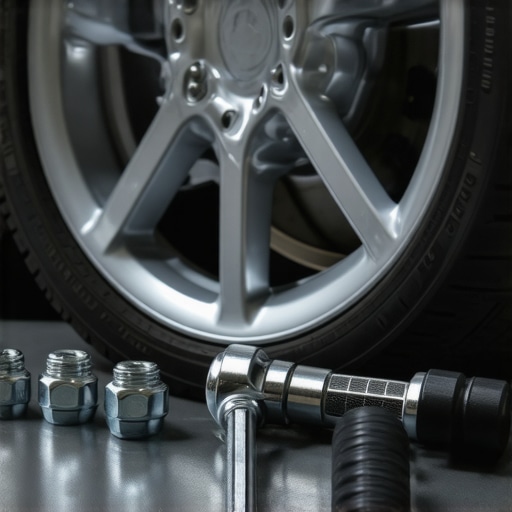
I remember the moment clearly. I finished a tire change on my car, feeling pretty confident, only to hear a strange creak when I started driving again. Turns out, I had cranked down those lug nuts way too tight, thinking I was doing a good job. The result? A warped brake rotor and a costly repair that could have been avoided. That experience was a real lightbulb moment for me, making me realize how something as simple as tightening lug nuts can have serious consequences if not done correctly.
The Hidden Risks of Over-Tightening Lug Nuts
Many car owners, myself included in the beginning, tend to believe that the tighter the better when it comes to securing wheels. However, over-tightening can actually cause more harm than good. When lug nuts are excessively tightened, they can stretch or even crack the wheel studs, leading to unsafe driving conditions. Additionally, this can warp brake rotors and create uneven wear, making your vehicle less responsive and more dangerous on the road.
And it’s not just about avoiding damage to your car. Over-tightening can also result in what’s called “pre-stressed” lug nuts, which might seem tight initially but can loosen over time due to fatigue. This can increase the risk of wheel detachment — a nightmare scenario that no driver wants to face.
Are You Probably Overdoing It When Tightening?
Early in my auto repair days, I made the mistake of using an impact wrench with maximum torque settings to tighten every lug nut, thinking I was saving time. But I didn’t realize that this could stress the wheel components. Experts now suggest following the manufacturer’s torque specifications for your particular vehicle, which you can often find in your owner’s manual or online resources. Trust me—skipping these details can amount to big trouble down the line.
If you’re unsure whether you might be over-tightening your lug nuts, you’re not alone. Many drivers face this problem without even realizing it. The good news? There are simple, safe practices you can adopt to prevent this issue, which we’ll explore next. And if you’re curious about other aspects of your car’s safety, check out our comprehensive pre-road trip checklist to make sure your vehicle is in top shape before hitting the road.
So, have you ever faced the frustration or danger of over-tightening lug nuts? If yes, you’re not alone — and the next steps can help you avoid costly mistakes and keep your vehicle safe and reliable.
Follow the Manufacturer’s Torque Specs to Get It Right
One of the first concrete steps I took was consulting my vehicle’s owner’s manual to find the precise torque specifications for my car’s lug nuts. I remember it clearly—I used a torque wrench set to this recommended value instead of guessing or relying on impact wrenches at maximum settings. This tiny adjustment made a huge difference. Proper torque prevents overstressing the wheel studs, preserves brake rotor integrity, and ensures even load distribution across the wheel.
Use a Torque Wrench for Consistent Tightening
Instead of relying on a regular wrench or impact gun, I invested in a quality torque wrench. Think of it as a calibrated screwdriver for your lug nuts—set it once, and it will click when you’ve reached the correct tightness. During my last tire rotation, I methodically tightened each lug nut in a star pattern to evenly distribute pressure. This practice prevents warping or cracking and minimizes the risk of loose wheels.
Apply the Star Pattern Technique
Always tighten lug nuts in a crisscross pattern—this means tightening opposite pairs sequentially. I learned this lesson the hard way when I initially tightened in sequence around the wheel, leading to uneven pressure. Using the star pattern ensures that force distributes uniformly, locking the wheel firmly against the hub without stressing any one point.
Double-Check Your Work
After tightening all lug nuts to the specified torque, I put my torque wrench back on each one to verify. This double-checking is crucial because even a slight miscalculation can leave a lug nut under or over-tightened. Remember, a properly torqued lug nut is as tight as it needs to be—not so tight it damages parts, but secure enough to keep your wheel safely attached.
Regularly Revisit Your Tightening Technique
Car maintenance isn’t a set-and-forget task. Each time I rotate my tires or perform brake work, I revisit my torque settings and check my technique. Over time, I’ve noticed that components can loosen slightly due to vibrations or minor impacts, so re-verification keeps my wheels safe and my mind at ease. Be aware that different vehicles and wheel types may require different torque settings; consulting your pre-road trip checklist and vehicle specifics keeps your approach up-to-date.
Applying these precise steps transformed my approach from guesswork to confidence. Whether you’re changing tires in your driveway or preparing for a long road trip, consistent, correct torque application protects your investment and ensures safety on every mile.
Most drivers believe that routine brake service, tune-ups, and basic repairs are straightforward tasks with clear-cut solutions. However, beneath the surface lies a complex landscape of nuances that even seasoned mechanics sometimes overlook. One prevalent misconception is that simply replacing parts like brake pads or spark plugs guarantees optimal vehicle performance. In reality, the true value comes from understanding the specific conditions, tolerances, and calibration necessary for each vehicle—something often missed by DIY enthusiasts or quick-lube shops.
A common myth is that more aggressive tightening or using generic parts doesn’t impact longevity. But over-tightening brake calipers or installing subpar, non-OEM components can accelerate wear or lead to safety failures. For instance, installing cheap, plastic-related parts that interact with critical systems often causes issues like recurring check engine lights or sudden system failures. Learn how cheap parts can mislead your repairs.
Is Your Car Actually Ready for a Tune-Up or Just Due for Parts Replacements?
Many assume that replacing parts is the main indicator of maintenance necessity, but advanced diagnostics reveal that issues like fuel injector clogging or failing sensors often escape superficial checks. Also, neglecting to perform thorough inspections can cause overlooked problems that worsen over time, leading to costly repairs. For example, misdiagnosed brake booster failure might be mistaken for pedal softness, but without testing the booster’s response, the root cause remains hidden. Check if your brake booster is failing.
Understanding the precise mechanics and calibrations involved in your vehicle’s systems is critical for effective maintenance. Using diagnostic tools and expert knowledge can save money and increase safety. Skipping these nuances often results in recurring issues or premature component failure. That’s why consulting with experienced professionals who observe these subtleties can be the difference between a temporary fix and long-term reliability.
For example, while performing a simple oil change might seem straightforward, neglecting to verify the condition of the serpentine belt or coolant level can lead to unexpected breakdowns. Properly managing these details ensures your vehicle functions smoothly and safely. Want a checklist to stay ahead of this? Check out this pre-road trip checklist.
Remember, automotive maintenance isn’t just about swapping parts—it’s about understanding the intricate interplay of systems. This level of insight is what sets true experts apart from hobbyists. So, next time you consider a factory recommended service, ask yourself: am I addressing just the surface, or am I solving the real, underlying issues? Have you ever fallen into this trap? Let me know in the comments.
Maintaining your vehicle’s performance requires more than just routine checks; it involves using the right tools and adopting precise methods to ensure longevity and safety. One essential instrument I swear by is a high-quality digital torque wrench. Unlike standard wrenches, a digital torque wrench provides an exact reading, eliminating guesswork—crucial when tightening critical components like lug nuts or control arm bolts. I calibrated mine regularly using manufacturers’ specifications, which can be found in your vehicle’s manual or trusted online resources. Accurate torque application prevents over-stressing parts and ensures even load distribution, protecting against premature wear.
Another tool I rely on is a reliable diagnostic scanner compatible with your car’s make and model. Modern vehicles are teeming with sensors and electronic modules that communicate problems via the check engine light. Investing in a scanner like the Autel Alldatapro or the BlueDriver allows me to decode error codes immediately, saving time and money. For example, if your headlights dim when you stop at a red light, a quick scan can reveal issues like a failing alternator or a faulty wiring connection, as discussed in this article.
For routine tasks such as oil changes or fluid level checks, I use a precision funnel with a built-in filter. This minimizes spillage and helps prevent contaminants from entering vital systems. When replacing parts like spark plugs, I employ a dedicated socket and extension kit designed specifically for that component, ensuring a snug fit and proper torque.
In terms of long-term results, maintaining a detailed service log—either physically or via specialized apps—keeps me informed about upcoming replacements and repairs. Apps like Carfax Vehicle History or the simpleAutomate can send reminders based on mileage or time intervals, keeping maintenance schedules on track.
Looking ahead, I believe the integration of smart tools will become even more prevalent. Imagine Bluetooth-enabled torque wrenches that sync with your smartphone, providing real-time data and step-by-step guidance. As vehicle technology advances, so will the tools required to keep it running smoothly.
How do I maintain my vehicle’s performance tools over time?
Regular calibration of your torque wrench is vital to maintaining measurement accuracy—consider doing it annually or after heavy use. Keep your diagnostic scanner updated with the latest software to ensure compatibility with new vehicle models. Additionally, store tools in a clean, dry environment to prevent rust and degradation. Incorporating these habits guarantees your equipment remains reliable when you need it most, prolonging their effectiveness and ensuring consistent maintenance quality. Want to optimize your car care routine? Try calibrating your torque wrench according to manufacturer guidelines, and you’ll notice immediate improvements in your repair precision.
As we move into an era where vehicle systems become increasingly complex, reliance on advanced tools will grow. Staying equipped with precise, well-maintained devices not only saves money but also enhances safety and performance. For instance, mastering diagnostic scanners now can help you catch issues early—potentially preventing costly damage down the line. If you’re interested in exploring more about diagnosing subtle system failures, I recommend reading this guide. Remember, investing in quality tools and maintaining them diligently ensures your vehicle remains dependable for years to come.
Lessons That Steered Me Wrong and What I Learned
- Prematurely assuming all brake issues are just part of aging led me to overlook simple fixes like checking brake fluid levels. Discovering that a quick flush could prevent costly rotor replacements was a game-changer.
- Over-tightening lug nuts seemed harmless until I warped my brake rotors. Now, I know that following precise torque specs avoids this costly mistake and keeps the vehicle safe.
- Relying solely on impact guns without verifying torque often resulted in uneven brake pad wear. Using a quality torque wrench and star pattern tightening has extended my brake component lifespan significantly.
- Ignoring manufacturer advice about parts quality cost me more in the long run. Trusting OEM or recommended brands, combined with proper installation, truly pays off, especially in system-critical components like brakes and sensors.
- Skipping regular diagnostics masked underlying issues like a failing brake booster. Investing in a good scanner helped me catch problems early, avoiding emergencies on the road.
Tools and Resources That Keep Me Ahead
- My digital torque wrench ensures every nut is tightened to exact specs; it’s the backbone of safe brake service and tire work. Regular calibration keeps it reliable.
- A quality diagnostic scanner like BlueDriver has been invaluable for catching hidden faults before they escalate, saving both time and money.
- Online owner’s manuals and trusted forums provide insights into vehicle-specific torque settings and repair tips, making DIY tasks safer and more effective.
- Educational books such as “Auto Repair for Dummies” have built my foundational knowledge, helping me understand complex systems like ABS and brake hydraulics.
- Keeping a detailed service log helps me track maintenance history and plan future repairs, preventing overlooked issues from turning into emergencies.
Keep Pushing Toward Safer, Smarter Repairs
The journey to confident car maintenance is ongoing. Each fix, each tool upgrade, adds to your ability to keep yourself and your loved ones safe on the road. Remember, mastery isn’t about knowing everything but about learning and applying what truly matters—precision, awareness, and care. Ready to take your auto repair skills to the next level? Now’s the time to embrace the tools and insights that will serve you for years to come. What’s one brake or tune-up tip you’ve always wanted to master? Share your thoughts below and let’s grow together in this automotive journey!
,