
One winter morning, I jacked up my car after a particularly harsh snowstorm and was hit with a terrible smell—like rotten eggs. That’s when I saw it. The underside of my vehicle was covered in a grimy, white crust of road salt, and rust was already beginning to nibble away at the metal. It was a real eye-opener. I realized that ignoring this stuff could turn my trusty ride into a rusted-out mess faster than I thought. Have you ever experienced that sinking feeling when you notice your car’s undercarriage gets worse after every snowy drive?
Why Road Salt Damage Is a Real Threat to Your Car’s Heart
Road salt is a miracle for melting snow, but it’s a sneaky enemy for your vehicle. That white, crusty substance you see on the underside is actually a harsh chemical mix designed to prevent ice formation. Unfortunately, it’s also a prime culprit in causing corrosion and rust, especially if not properly cleaned off. Rust can weaken your car’s structure, leading to costly repairs and, in worst-case scenarios, unsafe driving conditions. Early on, I learned a hard lesson: neglecting underbody care can cost a lot more than the price of a simple wash.
Is It Really Worth the Effort to Clean Road Salt?
You might be skeptical—”It’s just dirt, right? It’ll wash away with the next rain.” Well, that’s a mistake I made early in my car-owning days. Simply driving through a rinse doesn’t cut it. Salt sticks stubbornly to metal surfaces, and if it’s left unchecked, it accelerates rust formation. I found out the hard way that a thorough clean is essential, especially after a snowstorm, to keep rust at bay. Want to learn how to do it right? I’ll guide you through simple, effective methods that can save your car in the long run.
Whether you’re an experienced DIYer or new to car maintenance, understanding the importance of removing road salt can make a huge difference. Ready to protect your investment? Let’s dive into the practical steps you can take right now to keep that salt from destroying your ride.
Start with a Thorough Underbody Wash
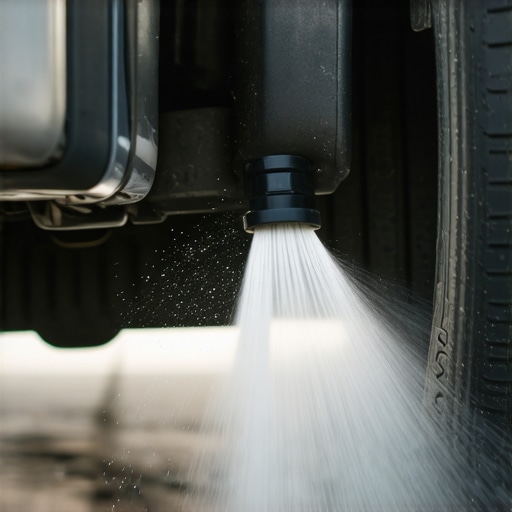
I vividly remember my first attempt at cleaning the undercarriage after a heavy snow. I used a high-pressure hose on the lowest setting to avoid damaging sensitive parts. Focus on eliminating as much salt residue as possible, paying special attention to crevices and wheel wells. Use a degreasing spray if needed to loosen stubborn grime. This initial step sets the foundation for preventing rust from taking hold.

Target Key Areas with Manual Scrubbing
Next, employ a stiff-bristled brush to scrub critical spots like the frame rails, suspension components, and behind the wheels. Think of it as exfoliating skin—removing surface contaminants that water alone can’t dislodge. This step is vital because salt forms a bond with metal surfaces over time, and brushing helps break that bond. Remember, patience here pays off in the long run. Learn more about cleaning your car’s sensors and components for optimal performance.
Use a Protective Coating for Long-Term Defense
After cleaning, consider applying a specialized underbody coating or rust-proofing spray. Think of this as a raincoat for your vehicle’s underside—preventing moisture and salt from sticking again. When I did this on my car, I noticed a significant slowdown in salt accumulation during subsequent snowfalls. For best results, choose a high-quality product and follow the manufacturer’s instructions closely. Regular application, especially before and after winter, can extend your car’s lifespan. Check out essential pre-road trip maintenance tips to keep your car in top shape.
Switch to Regular Maintenance Checks
Beyond cleaning, schedule routine inspections of your undercarriage, especially if you live in snowy or coastal areas. Early signs of rust or damage can be caught before they develop into costly repairs. When I started inspecting my car quarterly, I caught minor rust spots early, saving me hundreds down the line. Think of it as dental checkups—preventative care beats fixing problems later. If you notice any issues or unusual noises, seek professional help promptly. Learn about common brake shudder issues and fixes to keep your vehicle safe.
Don’t Forget the Wheels and Tires
Salt doesn’t just attack the body; it also affects the wheels and tires. Clean them thoroughly with a wheel-specific cleaner and brush, removing brake dust and salt deposits. This maintenance prevents corrosion that can weaken the wheel structure or cause issues with tire mounting. Additionally, check tire pressure and tread regularly, as cold temperatures can cause pressure drops—a simple but crucial step to ensure safety. My experience taught me that neglected wheels lead to uneven wear and reduced traction—unacceptable risks when driving in winter conditions. Decode your tire wear patterns for better safety.When it comes to maintaining your vehicle, most people believe basic knowledge suffices—change the oil, replace brake pads, and schedule regular checkups. However, some critical nuances often escape the average car owner, leading to premature wear or costly repairs. Contrary to popular belief, a simple brake pad change isn’t always enough; understanding the intricacies can make the difference between a smooth ride and a breakdown. Let’s explore some of these overlooked details.
Why Do So Many Miss the Sign Why Brake Service Needs More Than Just Pads?
Many assume that once brake pads appear thin, a straightforward replacement restores full functionality. But in reality, failing to inspect and service the rotors, calipers, and brake fluid can cause issues down the line. Warped rotors, for instance, can cause vibrations and uneven braking sensations—a common mistake that prompts repeat visits to the mechanic. An expert approach involves measuring rotor thickness and checking for signs of warping or cracks, ensuring your brakes operate safely and efficiently. For detailed signs of brake rotor problems, see this guide.
Advanced Tricks to Ensure a Fully Functioning Tune-Up
It’s tempting to skip comprehensive tune-ups, especially when the car seems to run fine. But the truth is, many drivers overlook critical steps like cleaning the throttle body or testing the fuel injectors. For instance, a dirty mass air flow sensor, which can be easily overlooked, impacts fuel efficiency and engine responsiveness. Regularly cleaning this sensor can restore lost power, preventing inefficient fuel use and engine hesitation. Check out this tutorial for quick tips.
What Are the Risks of Relying on Myths About Car Maintenance?
A common myth is that premium fuel necessarily improves engine performance or longevity. In fact, unless your vehicle specifies high-octane fuel, using premium will only drain your wallet with no real benefit. According to automotive experts, most cars are optimized to run on regular fuel, making premium an unnecessary expense. Not following proper maintenance schedules, assuming it’s just a waste of money, is a trap. Routine inspections, including checking brake fluid and transmission health, prevent surprises. For comprehensive pre-road trip checklists, see this resource.
Have you ever fallen into this trap? Let me know in the comments. Understanding these nuances doesn’t just save money—it safeguards your safety and prolongs your vehicle’s lifespan. Remember, the devil is in the details, and a more vigilant approach makes all the difference in auto repair.Maintaining your vehicle’s health over time requires not just routine inspections but also the right tools and techniques. I personally rely on a few specialized pieces of equipment that have transformed my approach to auto care, ensuring longevity and reducing unexpected breakdowns.
One indispensable tool I use is a digital caliper for measuring brake pad thickness precisely. This allows me to determine when pads are nearing replacement without guesswork, helping prevent brake fade or damage. Pairing this with a high-quality battery load tester ensures my car’s starting system and electrical health are in check, especially before winter’s cold stretch. These tools are affordable and save a ton on mechanic visits over the years.
For cleaning sensitive components like sensors or the throttle body, I recommend a dynamic, ultrasonic cleaner. Though pricier, I use one to restore components quickly and thoroughly, which maintains optimal engine response—critical for consistent performance. Incorporating precision tools like a new torque wrench set ensures that fasteners are tightened to manufacturer specifications, avoiding both over- and under-tightening, which can lead to costly issues down the line.
Looking ahead, I predict that diagnostic technology will become even more integrated into everyday maintenance. Wireless OBD-II scanners, combined with smartphone apps, can provide real-time insights and even recommend specific repairs, making diagnostics accessible to everyone.
So, how do I maintain my car’s performance long-term? Regularly updating diagnostic tools and staying proactive with sensor checks and fluid assessments are key. For example, testing your fuel injectors with a professional-grade cleaner can restore power and efficiency—something everyone should consider biannually.
If you’re serious about extending your vehicle’s lifespan, I suggest trying out a high-end ultrasonic cleaner for your sensors or components. It’s a game-changer, and I guarantee you’ll notice smoother engine responses. Remember, preventive care is the best car maintenance, and investing in the right tools makes all the difference. For detailed step-by-step guides, check out this resource.
What I Wish I Knew About Brake Maintenance Early On
One of my biggest lightbulb moments was realizing that brake pads are just the tip of the iceberg—ignoring rotors, calipers, and brake fluid can lead to costly repairs down the line. Learning to measure rotor thickness and recognize early signs of warping prevented me from unexpected breakdowns. If I had paid more attention to these details from the start, I could have saved myself a lot of headaches and money.
Another lesson was that routine inspections don’t just catch problems—they prevent them. Scheduling regular undercarriage checks in areas with salty winters saved me from rust-induced failures. Sometimes, the most overlooked parts like wheel bearings or brake hoses silently deteriorate, and staying ahead means less stress and more peace of mind.
Finally, I learned the importance of being proactive with sensor and fluid maintenance. Cleaning a dirty mass air flow sensor or testing brake fluid can restore performance and prolong component life. These small but frequent actions make a significant difference in keeping your car running smoothly and safely.
My Go-To Tools and Resources for Auto Repair Success
Over the years, I’ve built a toolkit that makes car maintenance manageable and reliable. A digital caliper helps me accurately gauge brake pad wear without guesswork—trust me, it’s a game-changer. Pairing that with a high-quality battery load tester ensures my electrical system is ready for cold mornings and long drives.
An ultrasonic cleaner is an investment, but one I highly recommend for cleaning sensors or small components. It restores responsiveness and efficiency, which translates into better engine performance. For fast, precise tightening of bolts and fasteners, a good torque wrench keeps everything within manufacturer specs, avoiding damage over time.
Staying updated with diagnostic technology, like wireless OBD-II scanners connected to smartphone apps, gives me real-time insights and allows me to catch issues early. These tools empower you to take control of your car’s health, saving money and making repairs less intimidating.
Take Action and Keep Your Car in Peak Shape
The future of auto maintenance is all about proactive, informed care. By incorporating simple daily checks, using the right tools, and staying curious about your vehicle’s needs, you can prevent many problems before they happen. Remember, car care isn’t just about fixing issues—it’s about understanding your car and treating it like the valuable asset it is. Want to learn more about optimizing your vehicle’s performance? Check out this guide for detailed sensor cleaning techniques. What’s the one area of your car you’ve been neglecting that could make a big difference? Let me know below.