
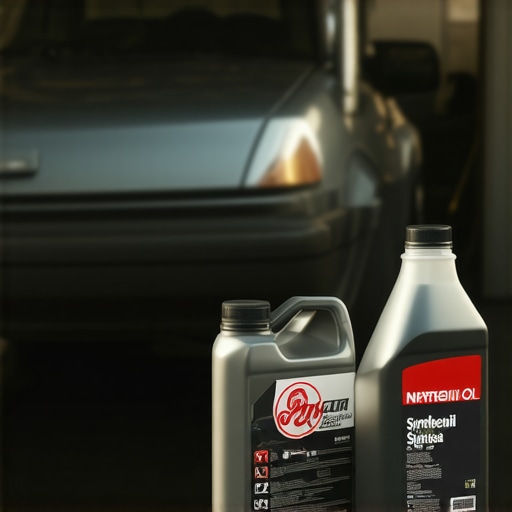
I remember the day I decided to switch my aging high-mileage car to synthetic oil. The engine sounded smoother at first, and I felt confident I was doing the right thing. But then, a few weeks later, I began noticing strange noises and a drop in fuel efficiency. That lightbulb moment made me realize that what worked for newer cars doesn’t always suit older engines, especially those with a lot of miles on the clock.
Understanding the Real Deal with Synthetic Oil and Old Engines
Choosing the right oil isn’t just a matter of following the latest trends or manufacturer recommendations. It’s about understanding the unique needs of your vehicle, particularly if it’s high-mileage and has its own story to tell. Believe me, I’ve been there—trying to chase performance and longevity without considering the engine’s condition—and paying the price in unexpected repairs and reduced lifespan.
Is Synthetic Oil Worth the Hype for Older Cars?
Many auto experts promote synthetic oil as the ultimate solution for engine health, promising better lubrication, cleaner operation, and longer intervals between oil changes. However, I’ve learned from personal experience and countless discussions with seasoned mechanics that synthetic isn’t always the best fit for high-mileage engines—especially those with worn seals or accumulated deposits. The problem? Synthetic oil can sometimes seep through aging seals more easily, leading to leaks or oil consumption issues. It’s worth noting that a study published by the National Petroleum Council suggests that synthetic oils may not always provide significant advantages for engines with over 75,000 miles.
Early in my journey, I made the mistake of switching my car entirely to synthetic without inspecting the engine’s condition. That misstep reminded me that knowing your vehicle’s history and current state is crucial before making a switch. Sometimes, a good conventional oil or a high-mileage formula tailored for older engines can do more good than just jumping on the synthetic bandwagon.
If you’ve experienced similar frustrations or are simply unsure whether synthetic oil is right for your car, you’re not alone. The next steps involve understanding when and how to choose the best oil for your specific situation, which can actually extend the life of your loyal companion on the road. Ready to take control? Let’s dive into the essentials of high-mileage vehicle care and discover what truly works best for you and your engine.
Start with a Thorough Inspection of Engine Seals and Gaskets
Before switching to synthetic oil, I learned the hard way the importance of inspecting seals and gaskets. Over time, these components wear out, causing leaks, especially when using oils with different viscosities. I used a flashlight to check for oil seepage around valve covers and oil pan gaskets. If you notice any wetness or dried oil residues, plan to replace or reseal these parts first to prevent leaks when changing oils.
Clean or Replace the Fuel and Air Filters
A clogged fuel filter can cause poor acceleration, while a dirty air filter reduces airflow, hurting efficiency. I replaced my filters as part of my maintenance routine—this small step immediately improved engine response. For detailed cleaning procedures, refer to this guide on cleaning mass air flow sensors. Regularly maintaining filters ensures smoother operation and extends engine life.
Perform a Oil Flush and Change
Old engines accumulate sludge that synthetic oils can mobilize, possibly blocking passages. I performed an oil flush by adding a commercial cleaner, idling the engine for 10 minutes, then draining and replacing old oil with a high-mileage formula. This process clears deposits and prepares the engine for optimal lubrication. Be sure to follow the specific instructions on the cleaner and choose an oil viscosity suitable for your engine—consult your owner’s manual or a trusted mechanic.
Check and Replace Worn Spark Plugs
Worn or fouled spark plugs can cause misfires, reducing fuel economy and engine smoothness. I removed a set of plugs and inspected their condition, noticing signs of carbon buildup and wear. Replacing them restored better firing and responsiveness. If you notice rough idle or sluggish acceleration, start here and consider examining ignition wires too. For a quick diagnostic, check if your engine stumbles when you press the gas pedal—this link might help: diagnosing engine noises.
Adjust Valve Clearances
Misadjusted valves can cause knocking, loss of power, and increased wear. I used a feeler gauge to measure clearances, following a procedural guide, and adjusted them to factory specs. Proper valve clearance ensures efficient combustion and reduces stress on other components. Since this is a delicate task, consider consulting a manual or a professional if unsure. Proper valve adjustment can significantly boost engine performance and durability.
Test and Reset the Engine Control Unit (ECU)
Modern engines rely heavily on ECU calibration, which can become outdated or unresponsive with age. I used a code reader to check for error codes, and then performed a reset to clear old faults. Additionally, some enthusiasts reflash the ECU for better tune-up suited for high-mileage engines—be cautious and research your vehicle model thoroughly before attempting this. Resetting the ECU helps improve throttle response, idle stability, and overall engine behavior.
Confirm Proper Oil Pressure and Cooling Function
High-mileage engines can experience oil pressure issues or overheating. I installed a mechanical oil pressure gauge temporarily to monitor readings at idle and under load. If pressure is low, consider a thicker oil or add a high-mileage additive that conditioners seals and restores pressure. For cooling, check radiator and coolant system condition, flush if necessary, and verify fan operation. Maintaining proper oil pressure and temperatures keeps engine components lubricated and prevents costly damage.
Complete Road Test and Fine-tune
After completing maintenance, I took a test drive on varied terrain. During this, I paid attention to how the engine responded—any shuddering, hesitation, or unusual sounds. If issues persist, revisit components like the transmission or fuel system. For instance, if you notice shuddering during shifts, check this guide on a car shuddering problem. Fine-tuning based on real-world response ensures your vehicle runs efficiently and reliably.
Ultimately, each of these steps is a piece of the larger puzzle—maintaining an aged but valuable engine requires diligence, attention to detail, and proactive care. This hands-on approach not only prolongs engine life but also gives you confidence behind the wheel.
Even among seasoned car owners, there’s a common misconception that a simple tune-up or routine brake service is always straightforward. But let’s dig deeper—many believe that following generic maintenance schedules guarantees optimal performance. In reality, this overlooks the nuanced needs of each vehicle, especially as they age. For example, many assume that using high-end synthetic oil automatically extends engine life, but this isn’t universally true; some engines, particularly those with worn seals, can suffer leaks or increased oil consumption when switching to synthetic without prior inspection. An advanced mistake is neglecting the significance of inspecting engine components like seals, gaskets, and the timing of critical parts such as the timing belt, which a study from the American Petroleum Institute confirms is vital for preventing catastrophic engine failure. Moreover, myths about brake maintenance persist—such as that regular brake pad replacement alone solves all issues—while neglecting the importance of checking the brake fluid’s condition and compatibility with existing components. This oversight can lead to brake fade or, worse, complete failure under heavy use. A hidden trap few realize is the importance of proper transmission care; many automotive enthusiasts don’t recognize early signs of slipping, which can be subtle and easily mistaken for normal operation. Learning how to identify symptoms like delayed gear engagement or shuddering can avoid costly repairs. I experienced this firsthand when ignoring small transmission slips, eventually facing a full rebuild—something that could have been prevented with timely diagnosis.
Are you aware of the importance of precise diagnostics and tailored maintenance schedules? Misdiagnosing issues often leads to unnecessary repairs or overlooked problems. For instance, a car that shudders during acceleration might seem like a minor issue, but it could stem from a failing mass airflow sensor, as discussed in specific diagnostic guides. Regularly checking and cleaning such parts can restore power and efficiency before severe damage occurs. Remember, routine maintenance isn’t just about replacing parts but understanding when and how to do it effectively.
How do you ensure you’re not falling into these maintenance pitfalls? Sharing your experiences can help others avoid costly mistakes. Have you ever fallen into this trap? Let me know in the comments.
Essential Tools to Keep Your Car Running Smoothly
Maintaining your vehicle’s health isn’t just about knowledge; having the right tools makes all the difference. I personally swear by a high-quality OBD-II scanner like the BlueDriver because it provides comprehensive fault codes and real-time data, making diagnostics straightforward even for complex issues. It’s a lifesaver for identifying sensor malfunctions or transmission slip symptoms early, saving you from costly repairs down the line.
For manual inspections, a mechanic’s stethoscope allows me to pinpoint knocking or ticking sounds accurately. When checking belts and hoses, I use a flexible inspection mirror—an inexpensive yet invaluable tool that helps see hidden engine compartments with ease. Pro tip: Pair these with a multi-meter for electrical diagnostics—it’s essential for testing battery voltage, ignition coils, and sensors.
Software That Powers Better Vehicle Maintenance
Beyond physical tools, software plays a crucial role. Advanced diagnostic programs like Techstream or Autel Maxisys offer deeper insights into vehicle systems, especially for modern cars with complex ECU configurations. I regularly connect my scanner to these programs to monitor live data streams, checking parameters like fuel trims and oxygen sensor readings to identify performance dips. Learning how to interpret these signals helps guide maintenance actions more precisely.
Upcoming vehicle tech trends point toward increased integration of AI diagnostics, making proactive maintenance even more accessible. As automakers enhance vehicle sensors and communication networks, software updates will become central—making staying current vital for responsible car care.
How do I maintain tools and diagnostics over time?
Regular calibration and cleaning are key. For example, I calibrate my scan tools annually and keep sensor contacts clean with contact cleaner spray. It’s also wise to keep a maintenance log—tracking diagnostic checks and repairs—to spot patterns that may indicate emerging issues. Proper storage of physical tools prevents damage, ensuring readiness for routine maintenance.
Long-Term Benefits of a Consistent Maintenance Routine
Using these tools and techniques consistently pays off through improved reliability and extended vehicle lifespan. Regular diagnostics help catch small problems before they escalate, saving money and reducing downtime. Plus, with reliable tools, you build confidence in handling minor repairs yourself—like replacing brake pads or diagnosing oil leaks—and know exactly when to seek professional help.
Investing in quality tools might seem costly upfront, but the return comes in peace of mind and vehicle longevity. As vehicle technology advances rapidly, staying equipped with modern diagnostic equipment ensures you’re always a step ahead—making maintenance more precise and less daunting.
Make Your Maintenance More Effective: Try This Now
For a practical step, I recommend downloading a reputable diagnostic app compatible with your scanner—like the how-to-clean a mass air flow sensor guide. Regularly checking and cleaning your sensors can restore lost power and improve efficiency without expensive parts replacements. Start this simple routine today, and see immediate benefits in your car’s responsiveness.
Remember, maintaining your vehicle is a continuous process. Keep honing your skills and toolset—a well-maintained car is a safer, more economical, and more enjoyable ride. Stay tuned for more advanced tips on diagnostics and repairs to keep your wheels turning smoothly!
What I Wish I Knew About Keeping Older Engines Alive
- Seals First, Always: Inspecting and sealing engine components before switching oils saved me from annoying leaks and costly repairs. Recognizing the signs of seal wear early can make all the difference.
- Filter Maintenance is a Game-Changer: Replacing fuel and air filters proactively kept my engine responding quickly and efficiently—small steps that offer big rewards in performance.
- Don’t Overlook the Small Things: Spark plugs, valve clearances, and sensor cleanliness—these tiny details significantly influence engine longevity. Regularly checking these components prevents surprises.
- Diagnostics are Your Best Friend: Investing in a quality OBD-II scanner and understanding how to interpret data accelerated my ability to troubleshoot issues before they escalate.
- Embrace Personal Ownership: Hands-on maintenance fosters confidence, saves money, and deepens your understanding of your vehicle’s unique needs. It’s empowering!
Tools and Knowledge That Keep My Engine in Top Shape
- BlueDriver OBD-II Scanner: Reliable and comprehensive, it provides real-time insights, making diagnostics approachable for enthusiasts and beginners alike.
- Mechanical Stethoscope: Pinpointing knocking sounds clarified whether it was a slack belt or a deeper engine issue.
- Service Manuals & Guides: Resources like Haynes manuals and online tutorials became my go-to references for precise procedures.
- Cleaning and Inspection Supplies: Contact cleaners, gauges, and proper tools fostered an efficient, DIY-friendly approach, keeping my engine cleaner and healthier.
Your Turn to Feel Confident in Engine Repairs
Taking control of your vehicle’s engine health is a journey filled with continuous learning and small victories. Every inspection, clean, and adjustment brings you closer to a more reliable, efficient ride. Remember, mastering these skills isn’t just about the engine—it’s about empowering yourself to be a proactive car owner. So, what’s the first step you plan to take today to give your engine some extra love? Share your ideas below and let’s keep the conversation going!