
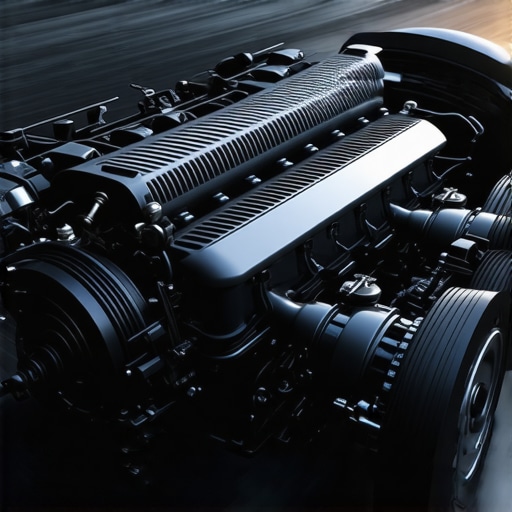
I remember the first time my car started acting up during a busy highway exit. As I pressed the gas harder to make that curve, my engine sputtered and stumbled like it was about to give out. Frustrating isn’t even the word. It’s a sinking feeling knowing your vehicle isn’t reliable when you push it the most.
Spotting the Mystery of Heavy-Acceleration Misfires
If you’ve ever experienced your engine misfiring only when you’re hitting the gas hard, you’re not alone. This isn’t a simple, one-size-fits-all situation. It’s like your car’s way of signaling that something’s off, but the fix isn’t always obvious. These misfires can be caused by a range of issues, from spark plug problems to fuel delivery hiccups.
Here’s the good news — understanding why it happens can save you money and prevent a breakdown at the worst moment. I’ve been down this road, and I promise, with a little patience and some guidance, you can troubleshoot and fix the root cause effectively. No more guessing games or throwing parts at your vehicle. We’re going to get practical, because I know how annoying this trouble can be, especially on a busy day.
Is This Heavy-Acceleration Issue Actually Worth the Worry?
At first, I thought my engine misfiring was a minor annoyance, just a blip. Turns out, ignoring it could lead to costly repairs down the line — like damaged components or even more serious engine problems. Early on, I made the mistake of dismissing the issue as just bad fuel or a simple tune-up. But the root of the problem was more complex than that, involving faulty ignition coils and clogged fuel injectors. Rushing to replace parts without proper diagnosis only drained my wallet and didn’t solve the issue.
According to experts, ignoring misfires that worsen under load can cause piston damage or catalytic converter failure, which are expensive repairs. So, it’s crucial to not brush off these symptoms and to understand the real cause. Getting accurate diagnostics is the key to a cost-effective fix.
In the next sections, I’ll walk you through the common causes of misfiring during heavy acceleration and how to address them. If you’ve faced this problem, stay tuned — narrowing down the culprit can be easier than you think once you know what to look for.
.
Check Your Spark Plugs and Ignition System
Start by inspecting the spark plugs, as worn or dirty plugs are common culprits. Remove a spark plug and examine its electrode for wear or carbon buildup. If it’s fouled or shows signs of damage, replace it. Consider testing ignition coils if plugs are fine, since faulty coils can cause misfires under load. When I faced this issue, I replaced worn spark plugs and tested the coils, which immediately improved engine response.
Inspect Fuel Delivery Components
Next, focus on your fuel system. Clogged fuel injectors or a weak fuel pump can cause misfires during heavy acceleration. Use a fuel injector cleaner additive or better yet, have them professionally cleaned for a more thorough fix. I once used a high-quality injector cleaner, which cleared minor blockages, resulting in smoother acceleration. For persistent issues, a professional diagnosis might include inspecting the fuel filter and pump capacity.
Examine Air Intake and Sensors
Ensure your intake system is clean and unobstructed. A dirty throttle body can cause response issues; you can clean it with a throttle body cleaner, following instructions on the product or by checking guides like this guide. Additionally, sensors like the MAF or oxygen sensors regulate fuel mixture and engine timing. If these sensors are faulty, they send incorrect data, leading to misfires. Use an OBD-II scanner to check for sensor-related codes, then replace or clean sensors as necessary.
Perform a Compression Test
If all above parts look good, perform a compression test on cylinders. Low compression indicates internal engine wear, such as leaking valves or piston rings. This is akin to checking the pressure in each tire; if one is low, it’s a sign of a deeper problem. I had similar symptoms until I diagnosed a worn piston ring, which required repair but prevented more extensive damage.
Improve Your Engine’s Overall Health
Finally, keep your engine components in top shape. Regular oil changes prevent carbon buildup that can affect combustion, and replacing spark plug wires ensures consistent spark delivery. Don’t neglect your air filter either; a clogged filter reduces air intake, impacting fuel combustion. Check out this article on oil changes for a step-by-step routine to optimize engine health.
While many car owners believe they understand the basics of tune-ups, brake service, and general maintenance, there are subtle pitfalls and misconceptions that can lead to costly mistakes. Let’s dig deeper into these overlooked nuances to help you avoid common traps and make smarter decisions about your vehicle care.
Believing More Expensive Means Better Service
A widespread myth is that opting for premium parts or services guarantees superior performance. However, in many cases, standard OEM parts are perfectly adequate and remain the most cost-effective choice. For example, many mistakenly think that using premium gasoline during a basic tune-up will enhance engine longevity, but according to experts, it often doesn’t provide tangible benefits for most engines. Check out this article to see why premium fuel isn’t always worth the extra expense.
The Hidden Risks of Rushing Repairs
One common mistake is delaying or rushing through essential maintenance tasks, believing they can wait until something fails. For instance, neglecting a squeaking brake rotor can lead to warping or complete failure, which costs much more to repair. Recognizing early signs and addressing issues promptly can save you significant money and ensure safety. Don’t fall into the trap of ignoring warning lights or unusual noises—early diagnostics often prevent catastrophic damage.
Advanced Maintenance Mistakes and Myths
Many vehicle owners overlook the importance of specific maintenance routines that aren’t as apparent, such as regular oil changes or proper coolant checks. However, there’s a misconception that newer cars don’t need immediate attention. Conversely, some believe that frequent engine flushes and transmission services are always necessary, which isn’t true for every vehicle. For example, unnecessary frequent transmission flushes can sometimes do more harm than good, especially if your vehicle’s manufacturer advises against it. Read insights from this guide to understand when these services are genuinely beneficial.
Can You Trust Your Mechanic’s Recommendations?
This is a big question for many. Some shops might suggest additional replacements or services to increase their profit, even if they aren’t vital for your vehicle’s health. For instance, a mechanic might recommend a transmission flush or a full brake overhaul when only minor adjustments are needed. Understanding the specific needs of your vehicle can protect you from overpaying. Always ask for detailed diagnostics—tools like this guide will help you interpret warning signs without unnecessary expenses.
Have you ever fallen into this trap? Let me know in the comments. Staying aware of these hidden nuances ensures that your vehicle maintenance is smart, effective, and budget-friendly. Remember, knowledge is your best tool to avoid being taken for a ride and to keep your car running smoothly for years to come.Maintaining your vehicle’s peak performance over time requires more than just basic knowledge—it calls for the right tools and consistent practices. In this guide, I’ll share the essential equipment I’ve personally relied on, why they’re indispensable, and how to incorporate them into your routine for lasting results.
Investing in Quality Diagnostic Tools
One of my must-haves is a reliable OBD-II scanner. It’s like having a mechanic in your glove box. I personally use the iCarSoft-CRMax because of its comprehensive code reading, live data display, and ease of use. This device helps me identify issues early, such as misfires or sensor failures, before they escalate. Regular scans every few months can catch problems like a failing MAF sensor or a coolant leak, which, if left unchecked, might lead to costly repairs. Remember, continuous diagnostics ensure you’re proactive rather than reactive — a huge money-saver in the long run.
Tools for Routine Maintenance
For periodic tasks, I favor specific tools that make the job safer and more effective. A high-quality torque wrench ensures I tighten bolts—whether for oil changes or wheel rotations—accurately to prevent over-tightening or loosening. My preferred model is the Tekton 1/2 inch drive torque wrench because of its calibration precision. Additionally, a good funnel with a flexible spout makes fluid refills cleaner—especially helpful during oil changes, which I now do myself to avoid unnecessary service shop charges. Using these tools regularly keeps your car’s vital systems in check, reducing wear and extending their lifespan.
Why Oil Test Kits Matter
I also recommend investing in a simple oil testing kit, like the Blackstone Labs kit. You can send a sample of your oil to analyze for metal particles or contaminants that indicate engine wear, even before warning lights come on. It’s a proactive step that gives you insight into internal engine health, guiding when to perform more extensive maintenance or repairs. I started doing this annually, and it’s astonishing how much early detection can save you from major overhaul costs. Incorporating such testing into your routine keeps your engine running smoothly and efficiently.
The Tools of the Future: Smart Maintenance Devices
Looking ahead, I anticipate a growth in smart, connected tools. Devices that sync with your smartphone to monitor fluid levels, tire pressure, or battery health are becoming more affordable and intuitive. Imagine receiving notifications about engine oil quality or when brake pads are nearing the end of their service life directly on your phone. These advancements will make car maintenance less about guesswork and more about data-driven decisions, empowering you to act before issues become costly. As technology advances, staying updated with the latest tools will help you keep your vehicle in top shape, saving time and money.
How do I keep my vehicle running smoothly over the years?
One effective strategy is to create a regular maintenance schedule tailored to your car’s specific needs. This involves tracking fluid changes, inspecting key components, and staying on top of software updates if your vehicle has electronic systems. Using tools like a diagnostic scanner and oil test kits can be seamlessly integrated into this routine. Remember, consistent monitoring and maintenance are your best defense against unexpected breakdowns and expensive repairs. For example, addressing a small sensor error early with diagnostic tools can prevent a cascade of mechanical failures down the line.
To maximize your vehicle’s longevity, also consider professional services that complement your DIY efforts. Regularly scheduled inspections by qualified auto techs can catch issues that tools alone might miss, ensuring your investment continues to pay off.
Take Action Today
Start by investing in a quality OBD-II scanner and schedule your first diagnostic check. Try using a simple oil test kit to gain insights into your engine’s health. These steps might seem small but can significantly impact your car’s long-term performance and reliability. Remember, proactive maintenance now saves you from costly repairs later. Stay ahead of problems, and your vehicle will thank you for years to come.
For more advanced techniques, check out this resource about diagnosing engine issues early. Don’t wait until minor problems turn into major expenses—equip yourself today for better car health tomorrow.
The Hardest Lesson I Learned About tune ups and car maintenance
One of my biggest wake-up calls was realizing that ignoring minor engine hesitations could lead to major expenses. I once postponed a simple tune-up, assuming it wasn’t urgent, only to face a costly repair later. Now, I understand that consistent preventive measures save both money and stress.
Small Mistakes That Turn Costly Fast
Rushing through routine checks like oil changes or ignoring dashboard warning lights often seems harmless until it isn’t. For example, skipping an oil test kit check allowed early engine wear to go unnoticed, resulting in extensive repairs. Paying attention to these details keeps your vehicle healthy and your wallet happier.
The Value of Staying Informed on auto repair myths
Believing that premium parts always mean better performance is a common misconception. Standard OEM parts often suffice and are budget-friendly. Educating myself through trusted resources has helped me avoid unnecessary expenses, like overpaying for service that provides no real benefit.
My Favorite Resources for Prolonging Car Health
- iCarSoft-CRMax OBD-II Scanner: Reliable diagnostics that catch issues early. Trustworthy and easy to use, it’s become my go-to tool for ongoing vehicle monitoring.
- Blackstone Labs Oil Testing Kit: Early detection of internal wear helps me time repairs perfectly, saving money over guesswork.
- Professional Guides on throttle body and sensor cleaning: Clear instructions that empower me to perform effective maintenance myself.
- Recent automotive blogs and trusted auto repair websites like GlassFixAuto: Up-to-date tips and myth-busting advice keep me informed about the latest maintenance practices.
Your Next Step: Keep Your Car in Top Shape
Taking proactive steps today, like investing in diagnostic tools and staying curious about your vehicle’s needs, makes a tangible difference. Remember, consistent care isn’t just about avoiding breakdowns—it’s about truly understanding your car and empowering yourself to maintain it effectively. Ask yourself: What small maintenance routine can I start today that will pay off in the long run? Share your thoughts below, and let’s keep each other moving forward.