
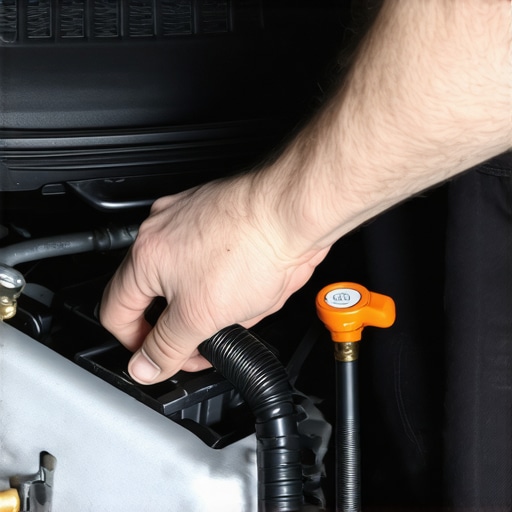
I remember the exact moment I first noticed it—the engine stuttered unexpectedly while I was waiting at a red light. My heart sank. That unsettling shake, barely perceptible yet enough to make me worry, was a sign that something was amiss. Turns out, a tiny vacuum leak was quietly affecting my car’s performance, and I had no idea it could lead to bigger problems if left unchecked.
That lightbulb moment taught me a crucial lesson: sometimes, the simplest fixes are what save you the most in the long run. Today, I want to share with you a straightforward, cost-effective solution that can make a real difference—especially if you’re tired of that annoying idle shake or want to prevent future engine issues.
Why Overlooking Small Leaks Can Cost You Big Time
Many car owners dismiss minor engine hiccups as just quirks, but small vacuum leaks are more serious than they seem. They can lead to decreased fuel efficiency, rough idling, and even accelerate engine wear. I’ve learned that catching these leaks early not only restores smooth performance but also staves off costly repairs down the line.
In my early days of car maintenance, I made the mistake of ignoring subtle signs, thinking they were just normal wear and tear. That was a mistake I won’t make again. Regularly inspecting your engine for issues like vacuum leaks can be a game-changer. In fact, a NASA study highlights that small leaks can drastically affect air-fuel mixture, leading to increased emissions and engine stress. For more tips on maintaining your vehicle’s health, consider checking out [the simple inspection that prevents transmission failure](https://glassfixauto.com/the-simple-inspection-that-prevents-transmission-failure-at-100k).
Before you dismiss this as too technical or unnecessary, ask yourself: Have you ever experienced a rough idle or unexplained increase in fuel consumption? If yes, then this fix might be exactly what you need.
In the next section, I’ll guide you through how to identify and fix a vacuum leak yourself, saving you both time and money. Trust me, once you get the hang of this simple fix, you’ll wonder why you didn’t do it sooner.
Identify the Source of the Leak
Start with a visual inspection of the vacuum hoses, intake manifold, and related components. Look for cracked, brittle, or disconnected hoses. I once found a brittle hose behind the engine that looked intact but was actually crackled and leaking. Replacing it instantly restored smooth idling.
Use Soapy Water to Pinpoint the Leak
Mix dish soap with water and spray it onto suspect areas while the engine is running. Bubbles will form where there’s a leak. In my case, spraying the intake manifold area revealed tiny bubbles around a cracked vacuum hose, confirming the culprit.
Seal Small Leaks with Repair Methods
If the leak is minor, use a vacuum hose repair kit or test bits of rubber or silicone to temporarily seal the crack. For a more permanent fix, replace the damaged hose. I prefer replacing the entire hose—it’s like changing a worn-out belt instead of taping it up. This ensures durability and peace of mind.
Replacing Vacuum Hoses Properly
When removing old hoses, mark their routing to avoid misplacement. Use tools to loosen the clamps and gently pull the hose free. Fit the new hose correctly onto the fittings, secure with clamps, and double-check connections. Doing this correctly prevents future leaks and keeps your engine running smoothly. For more detailed guidance on maintenance, visit headlight restoration tips.
Test the Repair
Start the engine and repeat the soap spray test. No more bubbles? You’re set. If bubbles persist, recheck connections or consider professional diagnosis. I once missed a small crack that only a professional pressure test revealed, so don’t hesitate to seek expert help if needed.
Monitor and Maintain
Regularly inspect your engine for signs of leaks, especially after engine work or severe weather. Keep hoses clean and free from oil or dirt, which can cause cracks. This proactive approach saves you time and money in the long run.
Remember, fixing vacuum leaks is like patching a leaking pipe—it keeps the system running efficiently. With patience and attention to detail, you can troubleshoot and repair leaks yourself, saving costs and extending your vehicle’s lifespan.
When it comes to brake maintenance, many car owners operate under misconceptions that can harm their vehicle and their safety. One prevalent myth is that following the manufacturer’s recommended brake service intervals is always unnecessary; in reality, driving habits, road conditions, and vehicle usage mean that regular inspections might need to be more frequent than the manual suggests. Overlooking this nuance can lead to worn-out components going unnoticed, increasing stopping distances and risking safety.
Another misconception involves the importance of brake pad replacement over brake fluid. Some believe that changing pads alone will keep brakes effective indefinitely, but brake fluid absorbs moisture over time, which can cause corrosion and reduce braking efficiency. Experts recommend regular brake fluid testing and replacement as part of routine maintenance.
A common mistake is assuming that high-performance or ceramic brake pads last forever. While these pads often have longer lifespans, neglecting the routine inspection for uneven wear or glazing can lead to reduced braking power. Additionally, many overlook that rotor surfaces need to be checked for warping or scoring; a rotor that appears fine visually may be causing pulsations and diminished stopping ability.
<-- IMAGE PLACEHOLDER_C# -->
Now, you might be wondering: How do I truly know when my brakes need service if everything looks fine on the surface? This is where advanced diagnostics and understanding subtle signs become critical. For instance, a soft pedal or a spongy feeling during braking can indicate air in the brake lines or old brake fluid, respectively—issues that aren’t always apparent during a visual inspection. Regular brake system evaluations by a qualified mechanic can prevent these problems.
One trap I urge you to avoid is delaying brake service because of a little squeak or squeal. Sometimes, those sounds signal worn-out pads that need immediate attention, especially if accompanied by vibrations or a decrease in stopping performance. Ignoring these signs can result in rotor damage or brake failure—costly repairs that are entirely preventable.
So, remember: Effective brake service isn’t just about replacing parts but understanding their behavior, lifespan, and interactions under various driving conditions. Staying informed and proactive about your brake system’s health keeps you safe on the road and saves you money in the long run. Have you ever fallen into this trap? Let me know in the comments.Maintaining your vehicle’s performance over time requires not only knowledge but also the right tools and consistent routines. One of my favorite investments is a high-quality automotive multimeter. I personally rely on the Fluke 117, known for its accuracy and durability, to troubleshoot electrical issues like battery performance or sensor connections. Having a reliable multimeter allows me to quickly identify faulty wiring or failing components, preventing small problems from escalating. Additionally, a dedicated OBD-II scanner, such as the BlueDriver, is invaluable for diagnosing check engine lights and obtaining real-time data. These tools provide insights that go beyond basic visual inspections, enabling me to pinpoint issues precisely and plan repairs efficiently.
Beyond gadgets, establishing a routine inspection schedule is crucial. I recommend visual checks of belts, hoses, and fluid levels every 5,000 miles. For more complex tasks, like brake fluid testing, I use a professional-grade brake fluid tester. Regular testing ensures that the fluid’s moisture content remains within safe limits, which is vital for brake system longevity. Experts suggest that replacing brake fluid every two years can prevent corrosion and maintain optimal braking performance. Incorporating these small checks into your maintenance routine helps extend the lifespan of key components and ensures safety on the road.
How do I maintain my vehicle’s electrical system over time?
Keeping your car’s electrical system in tip-top shape involves more than just disconnecting and reconnecting wires. It’s essential to clean and inspect battery terminals regularly. I use a wire brush designed for automotive batteries to remove corrosion, which can otherwise cause intermittent power issues. Applying a protective dielectric grease after cleaning helps prevent future corrosion. Moreover, periodically testing the battery’s capacity with a specialized load tester ensures it can handle the demands of modern electronics. The U.S. Department of Energy emphasizes that maintaining a healthy electrical system reduces unexpected breakdowns and prolongs battery life.
Looking ahead, the trend in auto diagnostics is moving toward more integrated systems with wireless capabilities. Future tools might include smartphone-compatible diagnostics that monitor your vehicle’s health in real time, alerting you to issues before they become serious. Staying ahead of these developments means investing in adaptable tools and cultivating a proactive maintenance mindset. For instance, exploring advanced diagnostics can save you time and money, avoiding unnecessary repairs or breakdowns.
Finally, one of the most effective ways to keep your vehicle operating efficiently is to replace essential consumables before they fail. For example, regularly replacing your air filter not only improves engine performance but also enhances fuel economy. Using a reputable product and following the manufacturer’s recommended replacement intervals can make a noticeable difference. For quick insights on maintaining your vehicle’s filtration system, check out [the most ignored filter in your car that affects engine life](https://glassfixauto.com/the-most-ignored-filter-in-your-car-that-affects-engine-life).
If you haven’t yet, consider testing your vehicle’s battery with a professional-grade load tester. This simple step can prevent unexpected roadside dilemmas and keep your car ready for anything. Don’t wait until you’re stranded—use the right tools and routines to ensure your car stays reliable for miles to come.
What I Learned From Overlooking Small Brake Signs
For years, I ignored faint squeaks and minor vibrations, dismissing them as normal wear. That complacency nearly led to costly rotor replacements and a dangerous braking delay. The lesson? Small warning signs often hide big problems, and recognizing them early keeps your vehicle safe and your wallet intact.
How Routine Checks Saved My Day—and My Car
Regularly inspecting brake pads, fluid, and rotors revealed wear patterns and subtle leaks that could have caused failure. Investing in a reliable brake fluid tester and a good flashlight turned routine maintenance into a powerful prevention tool. Trust me—these small investments turn into big savings and safer drives.
Discover the Pieces I Wish I Knew Sooner
- Ignoring brake squeals can lead to warped rotors—think of it like ignoring a toothache until it’s an emergency. Catching that early prevented me from having to replace rotors prematurely.
- Understanding that brake fluid degrades over time made me realize the importance of regular testing. Moisture in brake fluid can cause corrosion, compromising safety without obvious signs.
- Learning that uneven pad wear hints at caliper or rotor issues helped me diagnose problems early and avoid roadside panic.
Tools and Resources That Changed My Measure
- Fluke 117 Multimeter: This device gave me confidence diagnosing electrical glitches that affect braking components and sensors, ensuring my system was in top shape.
- BlueDriver OBD-II Scanner: It made reading error codes simple, helping me spot hidden issues that could compromise braking or engine performance.
- Battery load testers: Keeping my battery healthy prevents electrical surprises that could affect brake sensors and other vital systems.
Charge Your Curiosity and Take Action Today
The future of vehicle maintenance is leaning toward smarter diagnostics and proactive care, making it easier than ever for you to stay ahead. Whether it’s testing your brake fluid or inspecting brake pads, taking initiative today can save you from costly repairs tomorrow. Remember, proper maintenance is a gift you give yourself—safety, savings, and peace of mind are worth it. Have you noticed any recent subtle signs on your brakes? Share in the comments—I’d love to hear your experiences.