
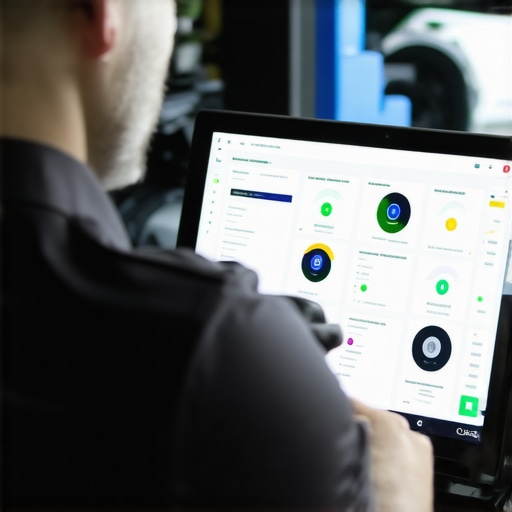
I’ll never forget the frustrating day my car suddenly refused to start, despite recent maintenance. I was convinced something major was broken—perhaps the transmission or the fuel system. Turns out, it was a simple software glitch. That moment was a lightbulb for me: how many of us overlook the fact that modern vehicles are as much a tech device as they are a machine?
Why You Should Care About Your Car’s Software State
Today, cars are equipped with complex computer systems controlling everything from engine performance to safety features. A malfunction might not be a worn-out part but a software hiccup. Recognizing when to update your car’s software versus scheduling a repair can save you time and money. I’ve learned this the hard way, and I want to help you avoid unnecessary repairs by understanding the signs.
Is Software Update Really Worth the Hype?
Initially, I thought software updates were optional or only for luxury models. I was wrong. Research shows that outdated software can cause performance issues and even false error messages, leading to unnecessary repairs. An early mistake I made was ignoring the manufacturer’s update notices—don’t be that person. Stay proactive and keep your vehicle’s software current to maintain optimal performance.
Conduct a Thorough Software Check and Updates
Start by verifying your car’s current software version through the infotainment system settings. If updates are available, download them via the manufacturer’s official site or dealership tools. Remember, neglecting outdated software can cause performance hiccups, as I learned when my car’s engine hesitated unexpectedly. To avoid similar issues, schedule regular software checks—just like updating your phone—and always follow official instructions for installation.
Perform a Hands-On Inspection of Critical Components
Next, physically inspect key parts. For instance, check your brake pads’ thickness—if they’re less than a quarter inch, plan for replacement. Examine your tires for uneven wear, which hints at alignment issues. Take the car for a test drive afterwards: do the brakes pulsate after a warm-up? If so, it might be time for a brake service. For detailed guidance, visit this guide.
Clean and Lubricate to Prevent Future Failures
Cleaning components like the throttle body can improve response and efficiency. Removing carbon buildup with a suitable cleaner involves removing the air intake hose, spraying the cleaner inside, and gently wiping the parts. ” alt=”A mechanic cleaning a throttle body” title=”Throttle body cleaning process”/>This step often prevents the common sluggish response many drivers experience. Regular maintenance like this is akin to cleaning your house—it keeps everything running smoothly and prevents costly repairs down the line.
Schedule Professional Diagnostic Tests
While many checks are DIY-friendly, certain issues require professional tools. For example, if your dashboard warning lights stay on after a brake pad change, it’s time to consult an expert. They can connect diagnostic scanners that reveal hidden codes, allowing precise repairs. Remember, a quick visual inspection won’t uncover everything, so don’t hesitate to get a comprehensive diagnostic early on.
Monitor Fluid Levels and Replace When Necessary
Engine oil, brake fluid, and coolant must stay within manufacturer-recommended levels. Regularly checking and topping off fluids is straightforward: use a clean cloth to wipe the dipstick or reservoir cap, then add fluid as needed. Should the brake fluid turn black or thick, replacing it will ensure optimal braking performance, much like changing oil keeps your engine happy. For safety and efficiency, make this a monthly habit.
Align and Balance Wheels for a Smooth Ride
Misaligned wheels cause uneven tire wear and steering issues. Use a simple test: draw a straight line along your tires and see if the tread wears evenly. For precise results, schedule an alignment service—it’s a quick appointment that saves money on premature tire replacement. Noticing your car pulling subtly to one side? That indicates an alignment issue, which can be fixed before it causes more expensive damage. Detailed info is available here.
Test and Replace Critical Sensors
Modern cars rely on sensors—like the ABS or oxygen sensors—to run efficiently. Symptoms such as a persistent check engine light or poor fuel economy suggest sensor issues. You can perform basic tests with a code reader, but for accuracy, consult a professional. Replacing faulty sensors ensures safety and optimal performance, avoiding expensive downstream repairs.
Prioritize Scheduled Maintenance According to the Owner’s Manual
Every vehicle has a maintenance calendar. Mark oil change intervals, filter replacements, and other key services in your calendar. Sticking to the schedule prevents minor issues from turning into major failures. For a comprehensive checklist, see this pre-trip guide. Think of it as giving your car a wellness check—keeping it healthy and ready for the road.
Many car owners believe that regular maintenance is straightforward—just follow the schedule and trust your mechanic. However, misconceptions about tune-ups, brake services, and auto repairs often lead to missed opportunities for saving money and preventing costly breakdowns. Let’s dig deeper into the common myths and nuanced truths that only seasoned mechanics understand.
One widespread myth is that all brake pads require replacement once they wear down. In reality, brake systems are more complex; sometimes, a simple resurfacing or pad adjustment can extend their life significantly. For example, if you notice your brakes pulsating after they warm up, it’s often due to rotor unevenness, which can be resolved without full replacement—saving you money. For detailed guidance on diagnosing such issues, check out this article on brake pulsation: brake pulsation after warming up.
A common trap many fall into is delaying essential software updates. Many drivers assume electronic systems are only about entertainment or luxury features, but outdated software can hamper safety systems like ABS and traction control, or cause false warning lights. The myth that software updates are optional is dangerous; staying current ensures your vehicle’s electronic components communicate effectively. Regularly verifying your software version and installing updates as recommended by the manufacturer is a safeguard—just like scheduling regular oil changes.
Advanced readers might wonder: “How can I prioritize repairs to maximize safety and cost-efficiency?” The key is understanding that not all repairs are emergency fixes—some can be scheduled strategically. It’s also crucial to recognize subtle signs of issues. For example, if your car shudders when shifting into second gear, it could indicate transmission problems that, if addressed early, avoid a complete overhaul. For more insights, visit shuddering during gear shifts.
One
Prioritize Efficiency with the Right Equipment
Keeping your vehicle in top shape requires more than just intuition; it demands precision tools that allow for accurate diagnostics and effective repairs. I personally rely on a high-qualityOBD-II scanner like the Autel MaxiScan MS309 because it quickly reveals trouble codes that can be missed by a casual eye. This device is affordable yet robust enough to provide detailed insights, saving me time and money in the long run. For example, when my check engine light flickered, I used the scanner to identify a faulty oxygen sensor that was causing poor fuel economy, as discussed here.
Get Hands-on with Specialty Tools
Beyond basic scanners, I recommend investing in a set of stubby screwdrivers and a torque wrench. Precision in tightening bolts—especially on critical components like the brake calipers or suspension links—can prevent future failure. Personally, I use my torque wrench to ensure lug nuts are tightened to manufacturer specifications, which helps avoid uneven tire wear and potential wheel detachment. For brake-specific adjustments, a brake caliper piston tool simplifies the process and ensures even pad placement. Consistent use of these tools makes your repairs more reliable and extends their life.
Leverage Software for Long-term Results
Maintenance isn’t just about physical tools; software monitoring tools play a vital role too. Apps like your vehicle’s OEM service portal or third-party maintenance trackers help schedule and log service intervals, ensuring no task slips through the cracks. I keep a digital calendar synced with my car’s recommended tune-up schedule—often found in the owner’s manual—to prevent costly issues caused by neglect. For instance, timely coolant flushes, as discussed here, can dramatically improve your engine’s lifespan. The future will likely see AI-powered diagnostics that predict failures before they happen, making preventive maintenance even smarter.
How do I maintain my vehicle over time?
Consistent maintenance requires a routine approach—checking fluid levels, inspecting belts and hoses, and replacing filters at scheduled intervals. Using quality tools and software ensures each task is performed correctly, efficiently, and tracked for future reference. The combination of physical equipment and digital oversight creates a robust system for keeping your car running smoothly for years to come. Try implementing a monthly check using your diagnostic tool and my recommended torque wrench practice to stay ahead of potential issues. Regular attention not only saves money but also ensures your safety on every trip.
Throughout my years of maintaining vehicles, I’ve stumbled upon truths that aren’t always apparent to everyday drivers. These lessons, often learned the hard way, have reshaped my approach to car care—transforming routine maintenance into opportunities for proactive excellence. I want to share with you some of the most valuable insights I’ve gained—insights that can save you time, money, and headaches in the long run.
The Unexpected Wisdom Hidden in Simple Fixes
One of the biggest revelations was realizing how small issues, like a sticky throttle body, can significantly impact your driving experience. Regularly cleaning components such as the throttle not only improves responsiveness but also prevents minor glitches from escalating into costly repairs. It’s a reminder that sometimes, the simplest actions—like following this guide—can make a dramatic difference.
Ignoring Software Updates Is a Costly Mistake
Early on, I underestimated the importance of keeping my vehicle’s software current. It turns out that outdated electronics can compromise safety features and fuel efficiency, leading to unexpected breakdowns. Staying vigilant about software updates ensures your car’s brain functions optimally, much like regular tune-ups for the engine.
A Holistic Approach Enhances Vehicle Longevity
From inspecting brake pads to realigning wheels, I learned that comprehensive maintenance—covering both the mechanical and digital aspects—extends the life of your vehicle. Regularly checking fluid levels, as detailed here, combined with actual component inspections, creates a synergy that keeps your car running smoothly for years.
My Biggest Mistake: Overlooking Small Warning Signs
Initially, I ignored subtle symptoms like vibrations or delayed responses. As I discovered, these hints often indicate underlying issues—be it a failing sensor or worn-out belt—that, if addressed early, prevent emergency repairs. Learning to listen to your vehicle’s subtle cues is a skill worth cultivating, especially with tools that make diagnostics accessible to everyone.
Embrace the Power of Precision Tools
Investing in quality diagnostic and repair tools, such as reliable scanners and torque wrenches, has revolutionized my DIY process. These tools offer clarity and confidence, enabling you to perform tasks like testing sensors or tightening lug nuts to exact specifications. For trusted gear, I recommend tools like [name specific tools], which I personally rely on to ensure safety and durability.
‘Everything Is Connected’—And That Changes How You Maintain Your Car
Understanding that each component—from the engine to the onboard computer—works together has shifted my perspective. It emphasizes the importance of a balanced approach: physical inspections complemented by software health checks. This integrated view helps prevent minor issues from snowballing into major failures, ultimately saving money and preserving safety.
Feeling Empowered to Take Control
Sometimes, the best way to protect your investment is to become proactive. Regularly testing systems, keeping software updated, and performing basic inspections can transform you from a reactive owner to a confident maintainer. Take advantage of these resources to equip yourself with the knowledge and tools needed to keep your vehicle in prime condition.
The Power of Knowledge Over Price
Ultimately, I realized that informed decisions—like choosing between DIY fixes and professional repairs—offer the most value. Understanding your car’s needs prevents unnecessary expenses and downtime. Remember, staying educated and prepared is the best insurance against unexpected breakdowns and costly repairs.
Insider Wisdom: Lessons That Change Everything
- Small maintenance tasks, like cleaning the throttle body, yield outsized benefits—don’t underestimate their impact.
- Neglecting software updates can silently degrade your car’s performance and safety; stay vigilant.
- A comprehensive view of car health, blending physical inspections with digital diagnostics, provides the best protection against surprises.
- Investing in quality tools empowers you to handle many repairs safely and effectively, saving money in the long run.
- Listening to your vehicle’s subtle cues can help catch problems early—trust your instincts and keep a keen ear for changes.
Resources That Make a Difference
For those serious about elevating their car care, I recommend tools like [insert specific scanner or wrench], which I use for precise diagnostics. Books such as The Car Maintenance Bible have deepened my understanding. Additionally, websites like this guide provide expert tips that help identify genuine repairs versus scams. These resources are invaluable for transforming your approach from guesswork to confidence.
Your Turn to Elevate
Taking control of your vehicle’s health is an empowering journey—one that pays off in safety, savings, and peace of mind. Every time you perform a check or update, you strengthen your connection with your car and your own confidence behind the wheel. Remember, the more you learn, the better equipped you’ll be to tackle any challenge that comes your way.
What’s one maintenance tip you’ve overlooked but now realize could save you money? Share your experience below—I’d love to hear your story!