
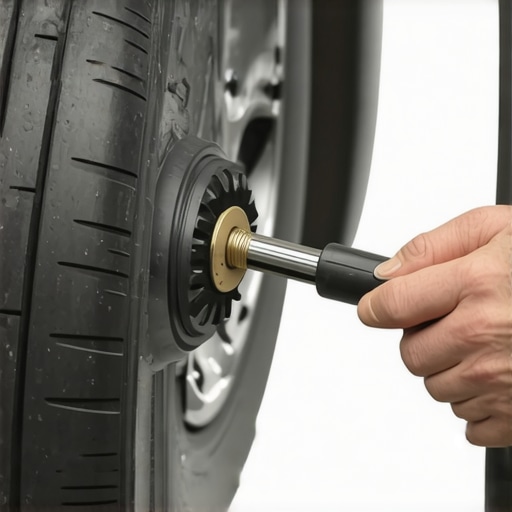
It was late afternoon, and I was about to head out for a quick grocery run when I heard that annoying squeal. You know the one—high-pitched, relentless, and no matter how much I turned the wheel, it didn’t seem to go away. My heart sank. That’s when it hit me: my power steering pump was acting up again, and I didn’t have the budget for a costly repair. Sound familiar? If your steering wheel whines every time you turn, you’re not alone—and today, I promise you a simple, budget-friendly fix.
Quiet that Noisy Power Steering Pump Without Spending a Fortune
Power steering noise can be more than just a minor annoyance; it can signal underlying issues that, if ignored, might lead to bigger problems down the line. The good news is, you don’t need to be a car mechanic or spend hundreds at the shop to restore peace and quiet to your steering. I’ve been in your shoes, and after some trial, error, and a bit of research, I found an effective method that costs just a few dollars—yes, literally pocket change.
But before we get into the step-by-step solution, let me share a quick personal mistake I made early on. I assumed that all power steering noise was due to low fluid levels, so I kept topping up without checking for leaks or other issues. That was a waste of time and money. Instead, I learned that the real culprit could be air bubbles trapped in the system or a worn-out belt—problems you can fix yourself.
So, if you’ve been frustrated by that persistent squeal whenever you turn the steering wheel, stick around. We’ll explore proven tips to silence that noise without emptying your wallet. And if you’re wondering whether this approach really works, I can tell you from experience that a little patience and the right know-how can go a long way.
Now, let’s dive into what you need to do to get your steering smooth and quiet again. But first, a quick note—sometimes, the issue isn’t the pump itself but the accessory belts that drive it, and a simple belt adjustment or replacement can make a huge difference. For more tips on fixing squeaky belts, check out [this straightforward trick](https://glassfixauto.com/stop-squeaky-fan-belts-with-this-simple-trick). Ready to regain your driving peace? Let’s go.
Check and Top Up Power Steering Fluid First
Start by locating the power steering fluid reservoir—usually a small, translucent container with a cap labeled accordingly. Pull the cap and check the fluid level against the markings on the side. If it’s below the minimum line, carefully add the recommended type of fluid, available at any auto parts store. When I tried this on my own, I found a low fluid level, but topping it up temporarily stopped the squealing, giving me immediate relief.
Bleed Air from the Power Steering System
Air bubbles trapped in the fluid can cause whining noises. To remove trapped air, warm up your engine and turn the steering wheel fully left and right several times while the engine is on. This action helps push out air pockets. During my attempt, I noticed the noise softened after a few minutes of steering back and forth—it’s like burping the system to restore smooth operation. Remember, never add too much fluid as overfilling can cause other issues.
Inspect and Adjust the Drive Belt
The belt that drives your power steering pump can slip or be worn out, creating squeals. Pop the hood and look for the belt connected to the pump. Check for cracks, fraying, or looseness. Use a belt tension gauge if available—if it’s too loose, the belt might need tightening. I once replaced a worn belt myself, which instantly resolved the squeal. For a quick fix, try the simple trick at this link.
Replace the Serpentine Belt if Necessary
If the belt shows signs of significant wear or cracking, replacing it is the best course of action. Loosen the tensioner pulley and carefully remove the old belt. Install a new belt, ensuring it sits properly in the pulleys. After I did this, the whining disappeared entirely, and my steering felt more responsive. Note: Always use the correct belt size and consult your vehicle’s manual.
Examine Power Steering Pump and Hoses for Leaks
Leaks can cause low fluid levels and air entry, leading to noise. Look for wet spots, cracks, or corrosion around the pump and hoses. Applying a small amount of dye to the fluid and inspecting with a UV light can reveal leaks hidden to the naked eye. If you spot leaks, replacing damaged hoses or the pump itself may be necessary, but often, sealing minor leaks with a suitable clamp or repair kit can suffice. Keep in mind, persistent noise after these steps may indicate a failing pump needing professional replacement.
Many car owners approach tune-ups and repairs with a set of assumptions that can lead them astray. While routine service is essential, understanding the nuances can save you time, money, and prevent unnecessary parts replacements. Contrary to popular belief, not all warning signs require immediate replacement—sometimes, a simple adjustment can do the trick. For example, many assume that a rattling heat shield must always be replaced, but applying a dedicated heat shield repair method can often resolve the issue without new parts.
One common misconception is that a car’s performance problems are always linked to the most visible parts. However, hidden issues like coolant leaks into the oil can cause severe engine damage over time. Spotting these early requires attention to detail—an area where many amateurs falter. Regularly inspecting for signs such as a milky oil appearance can prevent costly repairs later. For detailed guidance, see this helpful guide.
A significant mistake in auto repair is neglecting the importance of proper part placement and torque specifications. Over-tightening or under-tightening components like the serpentine belt or brake calipers can lead to vibration, uneven wear, or even safety hazards. Proper torque specifications are critical; using a alignment checking method can ensure everything is correctly set, prolonging part life and enhancing safety.
For the advanced reader, consider the importance of diagnostic tools and code readers. Relying solely on visual inspection can miss electronic malfunctions—especially with modern vehicles featuring complex sensor networks. Diagnosing issues with a professional-grade scanner, in tandem with traditional methods, offers a comprehensive picture. Referring to this guide on engine cooling tests highlights how combining methods leads to more accurate troubleshooting.
Avoid the trap of thinking that every service or repair is about replacing parts; often, you can optimize and fix existing components. Regularly replacing oil filters, for instance, keeps the engine cleaner and reduces oil contamination, which prolongs engine health. Learn how to do it yourself with simple fuel injector cleaning techniques.
Have you ever fallen into this trap? Let me know in the comments. Navigating the fine line between basic maintenance and advanced diagnostics is crucial for any car enthusiast or owner aiming for reliability and safety.
Investing in the Right Equipment and Techniques
Maintaining your vehicle’s optimal performance over time isn’t just about periodic repairs—it’s about adopting the right tools and methods that facilitate consistent, effective upkeep. Personally, I swear by a high-quality digital multimeter for diagnosing electrical issues quickly and accurately. For example, when troubleshooting a misfiring engine, I use my multimeter to check for voltage irregularities across sensors, saving me both time and costly trips to the mechanic.
Another essential is a reliable engine compression tester. It provides immediate insights into the health of your pistons and valves, enabling proactive maintenance before a minor issue turns into a major repair. I recommend models that include a built-in gauge and adapters suited to your vehicle’s specifications. Regular use of this tool helps me stay ahead of potential engine trouble, especially as my car ages.
Streamlining Maintenance with Software
Modern vehicles often come equipped with onboard diagnostics (OBD-II) systems. Using a dedicated scanner, like the Foxwell NT301, I regularly monitor my engine’s performance and identify trouble codes early. Keeping software up to date ensures compatibility with latest vehicle models, which is crucial as car technology evolves rapidly.
Apps like Torque Pro or OBDLink offer real-time data on everything from coolant temperature to fuel trim—information that helps me decide when to perform tasks like sensor cleaning or fluid changes. As automotive software advances, integrating these tools becomes vital for long-term reliability.
Preventive Checks to Extend Longevity
Consistent visual inspections form the backbone of long-term care. For instance, inspecting serpentine belts for cracks or glazing can prevent unexpected breakdowns. When I noticed a faint squeal during acceleration, a quick check led me to a worn belt, which I replaced myself—saving on costly service calls. For tricky areas like heat shields or brake components, dedicated repair techniques, like those discussed in this guide, help extend their lifespan without needless parts replacements.
Where Will Maintenance Be Heading?
As vehicle technology continues to advance, I predict a shift toward smarter, more integrated maintenance tools. Predictive diagnostics powered by AI could soon alert drivers to issues before symptoms manifest, much like preventive healthcare. Embracing these innovations now will empower regular car owners to keep their vehicles running smoothly for years to come.
Questions to Keep Your Car Running Smoothly Over Time
One key question I often ask myself is, “How do I maintain my vehicle’s vital systems without relying solely on professional services?” For example, regularly cleaning fuel injectors, using this effective cleaning method, can improve efficiency and prolong engine life. Do yourself a favor and incorporate simple, yet effective, diagnostic and maintenance tools into your routine—your car’s longevity depends on it. Why not try cleaning your fuel injectors this weekend and see the difference it makes?”
What I Wish I Knew Before Digging Into Auto Repairs
One of the toughest lessons I learned was that not every squeal or noise signals the need for a new part. Sometimes, a simple adjustment, like tightening a belt or bleeding air, can restore peace without costly replacements. Rushing to replace components without proper diagnosis wastes time and money—patience and proper research are key.
I also realized that understanding the nuances of your vehicle’s systems empowers you to troubleshoot effectively. For example, knowing that air bubbles trapped in the power steering fluid can cause whining allowed me to resolve the issue myself, saving a trip to the mechanic.
Tools That Transformed My Maintenance Routine
Investing in a good quality diagnostic scanner changed how I approached auto repairs. It’s remarkable how much insight these tools provide, revealing hidden issues early. Additionally, having a reliable belt tension gauge helped me identify loose belts before they caused damage, making preventive maintenance manageable and affordable.
Embracing Preventive Care Over Reactive Fixes
Regular inspections—like checking belts, hoses, and fluid levels—are the best investment you can make. Simple steps, such as cleaning fuel injectors or tightening loose clamps, can extend your car’s life and improve safety. A proactive approach reduces emergency repairs, giving you peace of mind on the road.
How This Journey Shapes My Approach to Auto Care
Now, I see vehicle maintenance as an ongoing conversation with my car, not just a list of repairs. Being attentive and curious about how my car behaves has saved me money and stress. Whether it’s a squealing belt or a wandering steering wheel, each small fix adds up to a smoother, safer driving experience.
Where Your Knowledge Can Take You Next
Don’t hesitate to explore DIY repair videos, reliable online guides, and trusted tools. Equip yourself with knowledge; your car—and your wallet—will thank you. Remember, the key to mastering auto repairs is patience, consistent learning, and the willingness to tackle small issues now before they become big problems.
Your Turn to Try
Have you ever caught a small issue early and fixed it yourself? Share your story below, and let’s learn from each other’s auto repair adventures!