
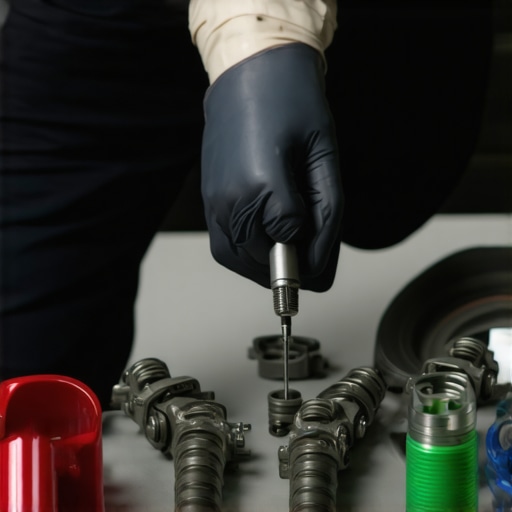
Have you ever been stranded on the side of the road, your engine struggling to keep it together, and wondered if you could have done something to prevent it? I remember the moment vividly—my car sputtering, losing power just as I was about to get to an important meeting. It was then I realized that one of the secrets to keeping my engine running smoothly was right under my nose, or rather, hidden in the engine bay. The culprit? Dirty fuel injectors.
Many car owners overlook the importance of clean fuel injectors until they experience rough idling, poor acceleration, or increased fuel consumption. The good news is, you don’t need to be a mechanic or spend a fortune at the shop to keep them in top shape. I’ve been through the frustration of trying to diagnose engine issues, only to discover that a simple cleaning routine can make a world of difference.
Today, I want to share with you the best method I’ve found for cleaning your own fuel injectors safely and effectively. Not only will this help restore your vehicle’s performance, but it also saves you money and time. If you’ve ever asked yourself, “Is this something I can do myself?” or if the idea has scared you off, I get it—it’s a common hesitation. But with a little guidance and some basic tools, you’ll be surprised at how achievable this task can be.
Before we dive into the practical steps, it’s worth noting why injector maintenance is so critical. According to automotive experts, neglecting fuel injector cleaning can lead to engine misfires, reduced fuel economy, and even long-term engine damage. Plus, a dirty injector can cause your car to emit more pollutants, which is not just bad for the environment but also runs afoul of emissions standards.
One mistake I made early on was assuming that adding a fuel additive was enough to keep everything clean. While additives can help, they’re often not sufficient for thorough cleaning. For a deep and effective cleanse, physically removing and cleaning the injectors is the way to go. We’ll explore how to do that safely and effectively, step by step.
So, if you’re tired of sluggish acceleration or wasting fuel, stick around. We’re about to break down the process to make cleaning your fuel injectors straightforward, affordable, and, dare I say, enjoyable. Ready to regain control of your engine’s performance? Let’s get started.
Disconnect the Battery to Ensure Safety
Start by turning off your vehicle and disconnecting the negative terminal of the battery. I once forgot this step and accidentally shorted the scanner probe, causing a spark—lesson learned! Disconnecting prevents electrical shorts and keeps you safe during the process.
Access the Fuel Injectors Carefully
Open your hood and locate the fuel injectors—usually along the intake manifold. Use a wrench to remove the fuel rail bolts, then gently lift the rail to expose the injectors. I once struggled due to a stubborn bolt; penetrating oil helped loosen it without damage. Handle everything carefully to avoid damaging delicate parts.
Drain Excess Fuel and Prepare Your Workspace
Before removing injectors completely, relieve fuel pressure by loosening the fuel cap and using a fuel pressure release tool if available. This step prevents fuel spray. Wearing gloves and goggles adds safety—think of it as protective armor in a messy operation.
Remove and Inspect Fuel Injectors
Disconnect the electrical connectors and gently pull out each injector. Check for visible deposits or damage. In my experience, seeing caked-on grime was a wake-up call for regular cleaning. Place the injectors in a container filled with a cleaning solvent, like carb cleaner, to loosen stubborn deposits.
Clean Injectors Thoroughly
Use a soft brush dipped in cleaner to gently scrub off deposits. For a more comprehensive clean, consider using a dedicated fuel injector cleaning kit that connects directly to your fuel rail. I tried this method—connecting a cleaning syringe filled with solvent—and it worked wonders, restoring idle smoothness.
Install the Injectors Back Properly
Once cleaned and dried, carefully reattach the injectors onto the fuel rail, reconnect electrical plugs, and tighten bolts snugly. Avoid over-tightening to prevent cracking plastic parts. As I tightened a bolt too much once, I cracked the rail—lessons learned the hard way! Verify all connections before starting the engine.
Test Your Work and Monitor Performance
Reconnect the battery, start the engine, and observe how it runs. Smooth idling and improved acceleration indicate success. If issues persist, consider checking your spark plugs for carbon buildup, which can hinder combustion. For additional insights, see how to check your own spark plugs for carbon deposits.
Regular maintenance, including cleaning your fuel injectors, can prevent costly repairs down the line. Remember, being proactive about car care is like maintaining your brakes—the more often you check, the less likely you’ll face a breakdown. For more tips on car health, learn how to spot a failing brake booster or tell if brake pads are thin without removing wheels.
When it comes to routine auto maintenance like tune-ups and brake services, a lot of drivers fall for widespread misconceptions that can actually cost them more in the long run. Let’s dig deeper into some of these pitfalls and reveal the nuances most people overlook. For example, many believe that a simple engine tune-up is just about replacing spark plugs and filters. But in reality, an expert knows that addressing the timing, updating ECU software, or inspecting sensors like the mass airflow sensor can significantly extend your engine’s lifespan and improve performance. Overlooking such details is a common mistake that leads to unexpected breakdowns. One trap I’ve seen many fall into is replacing parts prematurely, thinking newer is always better. Instead, diagnostics should guide replacements. Advanced tools like OBD-II scanners can detect underlying issues before parts wear out, saving money and preventing breakdowns.
What about maintenance intervals—are they all the same for every vehicle?
Contrary to popular belief, maintenance schedules are not one-size-fits-all. Modern cars often have tailored intervals based on driving conditions, fuel quality, and even geographic location. For example, vehicles driven in harsh climates or stop-and-go traffic may require more frequent oil changes and brake inspections. Following the manufacturer’s specific advice, rather than a generic interval, can prevent costly repairs down the line. Additionally, many assume that premium gasoline is always superior. But studies, such as those from the Society of Automotive Engineers, indicate that unless your engine requires high-octane fuel, using premium can be an unnecessary expense, offering no tangible performance benefit. Check out this article on the [truth about premium gas](https://glassfixauto.com/the-truth-about-premium-gas-is-it-better-for-your-engine) for more insights. Lastly, don’t ignore warning signs like a burning smell under the hood or uneven brake pedal feel. These symptoms are often dismissed until they escalate into severe problems. For instance, a burning smell might indicate oil leaks or overheating brakes, which require prompt attention. Here’s a guide on [how to tell if your brakes are getting thin](https://glassfixauto.com/how-to-tell-if-your-brake-pads-are-thin-without-removing-the-wheel). In summary, understanding the detailed nuances of auto maintenance—bushed with accurate diagnostics and informed decisions—can significantly extend your vehicle’s longevity and safety. Don’t fall prey to myths like “more maintenance is always better” or “oil changes are unnecessary unless the light comes on.” Instead, be proactive by learning what your car truly needs and when. Have you ever fallen into this trap? Let me know in the comments! Keep learning, stay safe, and happy driving.Maintaining your vehicle’s health over the long term requires more than just routine oil changes and inspections. Investing in the right tools and adopting precise methods can significantly extend your car’s lifespan and ensure reliable performance. One of my preferred tools is the **OBD-II scanner**, which I use regularly to diagnose engine issues before they escalate. A quality scanner like the BlueDriver Wireless Bluetooth Pro not only reads error codes but also provides detailed explanations, helping me understand the root causes without costly trips to the mechanic.
Additionally, I rely heavily on a **digital multimeter** for electrical diagnostics. For example, testing the voltage output of sensors such as the mass airflow sensor can pinpoint performance drags. Personally, I prefer a multimeter with auto-ranging capability and a backlit display, which makes diagnostics easier even in low-light engine bays.
When it comes to cleaning and maintenance, a **precision spray bottle** filled with a specialized cleaner like carburetor or injector flush is invaluable. I use this during fuel system cleaning to ensure that injectors receive an effective treatment. For deeper disassembly and inspection tasks, a set of **torque wrenches** ensures everything is tightened to manufacturer specs, preventing under-tightening or damaging components.
Looking ahead, I predict smart diagnostic tools integrated with smartphone apps will become standard, offering real-time updates and maintenance reminders based on your vehicle model and driving patterns. This evolution will make proactive maintenance more accessible and less time-consuming.
Thinking about sustained vehicle performance, how do I maintain these tools over time? The key lies in proper calibration and regular updates. For instance, keeping your OBD-II scanner’s firmware updated ensures compatibility with the latest vehicle systems. Also, store your multimeter in a dry, clean environment and periodically check its accuracy with known voltage sources.
To get started, I recommend trying out a deep fuel injector cleaning using a professional-grade injector cleaner connected through your fuel rail, rather than relying solely on additives. This can immediately improve idle smoothness and throttle response. Incorporate these tools and techniques into your routine, and you’ll notice fewer surprises on the road. For detailed guidance on some of these tools, visit our related article on [how to spot a failing brake booster without specialized tools](https://glassfixauto.com/how-to-spot-a-failing-brake-booster-without-specialized-tools). Stay proactive, and your vehicle will thank you with lasting performance.
Lessons That Changed My Approach to Auto Care
One of the biggest surprises I encountered was realizing how a small, often overlooked component like the fuel injector can dramatically impact my engine’s health. It taught me that proactive maintenance beats reactive repairs every time, saving both money and stress.
I learned that patience and meticulous attention to detail—like carefully disconnecting the battery or inspecting injectors—are the real keys to successful DIY auto repairs. Rushing through these steps can lead to costly mistakes, so taking my time has been invaluable.
Understanding the nuances of how fuel injectors affect overall engine performance shifted my perspective from merely troubleshooting to truly maintaining my vehicle’s longevity. It’s not just about fixing problems but preventing them before they start.
Powerful Tools That Keep My Car Running Smoothly
My essential toolkit includes a reliable OBD-II scanner, which helps me diagnose issues early—saving me trips to the mechanic. I trust models like BlueDriver for their comprehensive insights. A high-quality multimeter has been indispensable for electrical checks, ensuring my sensors and connections are in top shape.
For cleaning injectors, I swear by dedicated injector cleaning kits that connect directly to the fuel rail. They deliver a thorough cleanse that my DIY additives simply can’t match. Additionally, torque wrenches are vital to avoid over-tightening and damaging delicate parts, and I always keep a few precision spray bottles filled with cleaner for quick maintenance sessions.
Looking ahead, I’m excited about smart diagnostic tools integrated with smartphone apps that could revolutionize vehicle care, making preventive maintenance more accessible for everyone.
Keep Your Engine Alive: Take Action Today
Every journey begins with a single step, and maintaining your vehicle’s fuel system is a powerful way to start. Don’t wait for performance issues to arrive—regularly clean your fuel injectors and stay ahead of potential problems. Remember, proactive care not only saves money but also extends your car’s life.
What challenges have you faced when attempting DIY auto repairs? Share your experiences below, and let’s learn together how to keep our vehicles in peak condition!