I remember the first time I felt that unsettling pulsing through my brake pedal as I was merging onto the freeway. It was late afternoon, and I was in a rush to get home. Suddenly, that familiar, nerve-wracking vibration made me stop in my tracks. I thought, “Is my car about to fall apart?” Turns out, that experience was more common than I realized—and it can be a sign of something fixable.
Understanding why your brake pedal pulses when you hit high speeds is crucial because it’s a warning sign that something’s amiss with your braking system. Left unchecked, it can lead to uneven brake wear, reduced stopping power, or even unsafe driving conditions. But here’s the good news: resolving this issue is often simpler than you might think.
What Does a Pulsating Brake Pedal Really Mean?
Is the Vibration Just Normal Wear and Tear?
Many drivers dismiss brake pulsation as a normal part of aging brakes. However, this isn’t quite accurate. The most common cause is a warped brake rotor, which can develop from excessive heat, uneven braking, or poor-quality materials. When rotors are uneven, they cause the brake pads to catch inconsistently, resulting in that pulsing sensation. I once made the mistake of ignoring it, thinking a simple brake pad change would fix everything. It wasn’t until I experienced the pulsing in the steering wheel that I realized the rotors needed attention. For a comprehensive overview of what might be causing your brake issues, check out this detailed guide.
Ignoring brake pulsation can lead to uneven pad wear and even brake failure if you’re not careful. It’s vital to pay attention upfront.
Are You Making a Common Mistake?
Early on, I made the mistake of thinking that simply changing my brake pads would solve the problem. Nope. Rotors can warp independently of pads, and a pad-only fix often leads to recurring issues. So, before rushing to replace parts, it’s smarter to get a proper inspection and consider rotor resurfacing or replacement. This can save you money and ensure your safety. Want to learn more about what might be causing your specific brake issues? Visit this article on common brake problems.
Secure Your Vehicle and Prepare Tools
Start by parking your car on a level surface and engaging the parking brake. Gather essential tools: a jack, jack stands, lug wrench, brake caliper piston tool, and a socket set. Wearing safety glasses and gloves is crucial to protect yourself during the process. Once prepared, loosen the wheel lug nuts slightly while the vehicle is still on the ground, then lift the car with the jack, and securely position it on jack stands.
Remove the Wheel and Inspect the Rotors
Use your lug wrench to remove the wheels completely. With clear access, examine the brake rotors for visible warping, scoring, or cracks. Feel for any irregularities on the rotor surface. If the rotors are uneven, warped, or heavily scored, they are likely the cause of the pulsing sensation. Micro-shifts during braking happen because these warped rotors cause inconsistent contact with the brake pads. Take the opportunity to check the brake pads for uneven wear or damage.
Resurface or Replace the Rotors
If the rotors are slightly warped but in otherwise good condition, consider resurfacing them if your vehicle’s specifications allow. This involves machining the rotor surface to restore smoothness. However, if the warping is severe or the rotor thickness is below the manufacturer’s minimum, replacing them is necessary. When replacing rotors, ensure they are compatible with your vehicle’s make and model. For a detailed understanding of when to replace or resurface rotors, visit this guide.
Replace Brake Pads and Calipers
While the wheels are off, inspect the brake pads for wear; replace them if they’re thin or unevenly worn. Before installing the new pads, retract the caliper piston using a brake caliper piston tool to make space for the thicker new pads. If the calipers are sticking or damaged, replace or service them to ensure proper brake pressure. Proper caliper function is vital; a sticking caliper can cause uneven rotor wear, leading to pulsing over time.
Reassemble and Test
Carefully reinstall the wheels, torque the lug nuts to manufacturer specifications, then lower the vehicle. Once on the ground, tighten the lug nuts fully. Before hitting the road, pump the brake pedal a few times to seat the brake pads against the rotors. To verify the fix, take a cautious test drive, initially applying light pressure to brake and gradually increasing force. If the pulsation persists, repeat the inspection process or consult a professional mechanic for further diagnosis. Regular maintenance and timely attention save you money and prevent dangerous driving conditions.
Many car owners believe that auto repair is simply about replacing worn parts, but in truth, there’s a lot of nuance that often gets overlooked. For instance, a widespread myth is that **brake pads alone are responsible for pulsing sensations during braking**. While brake pads do wear out, they usually aren’t the root cause of pulsing; warped rotors are often the culprit, and ignoring this can lead to uneven brake wear and compromised safety. Understanding this nuance helps you avoid unnecessary replacements and ensures a more thorough repair process.
One often-overlooked mistake is **pursuing quick fixes instead of diagnosing the root cause**. For example, some believe that all car tuning involves simply changing spark plugs, but modern engines, especially turbocharged or high-mileage ones, require a more sophisticated approach. In fact, a study from the Automotive Service Association emphasizes that neglecting components like the catalytic converter or the cooling system during a tune-up can lead to bigger problems down the road. Check out this guide for common pitfalls during car maintenance.
**Advanced technicians recognize that uneven tire wear or steering pull isn’t always just about the tires**. Sometimes, alignment issues caused by suspension wear or worn steering components are the hidden factors. For example, a car pulling to the right despite new tires might actually have a misaligned or bent steering rack—details that casual observers might miss. A good mechanic will look beyond the obvious, saving you money and preventing repeat repairs.
What often trips up car owners is the misconception that **more expensive parts always mean better performance**. This isn’t necessarily true, especially in a tune-up context. Using high-quality OEM parts can be beneficial, but overpaying for premium fuels or parts that your vehicle doesn’t need is a common mistake. For example, many drivers waste money on premium gasoline when their engine runs perfectly on regular fuel. Check this article to learn when premium gas is actually worth it.
Finally, a nuanced understanding of your vehicle’s electrical system can prevent costly repairs. For example, many believe that inconsistent key fob performance always indicates a new battery, but sometimes, the issue lies with the receiver or antenna, and replacing the battery won’t solve the problem. For more insights into such electrical mysteries, see this post.
In summary, avoiding these common misconceptions and paying attention to the detailed nuances of auto repair not only saves you money but also enhances your vehicle’s longevity and safety. Let’s dig deeper into these hidden nuances to become better-informed car owners. Have you ever fallen into this trap? Let me know in the comments.
How do I keep my vehicle running smoothly over the years?
Maintaining your car isn’t just about replacing worn parts—it’s about implementing a structured approach to upkeep that extends its life and ensures safety. One of my top recommendations is investing in a quality diagnostic scan tool like the Bluetooth OBD-II adapter, which I personally use to monitor real-time engine diagnostics via my smartphone. This simple device allows me to quickly identify potential issues before they become costly repairs, saving time and money. Additionally, combining this with a reliable service manual, such as those available from Haynes or Chilton, helps me understand my vehicle’s specific needs and maintenance intervals, preventing overlooked problems. In the future, I predict that vehicle maintenance will become increasingly integrated with cyber-physical diagnostics, making remote monitoring commonplace. Starting with tools like OBD-II scanners today sets you ahead in the evolving landscape of auto care.
What tools are worth investing in for consistent maintenance?
I recommend a good torque wrench—personally, I rely on a click-type torque wrench with measurements precise to ±4%. It ensures I tighten lug nuts and critical components to manufacturer specifications, which is vital for safety and longevity. For brake work, I use a brake caliper piston tool, which I find essential for retracting pistons evenly and avoiding uneven pad wear. Another indispensable piece is a digital multimeter—not just for electrical troubleshooting, but for testing sensors and batteries accurately. I’ve found that using a high-quality multimeter from brands like Fluke drastically improves diagnostic confidence. Regular use of these tools allows me to catch issues early, like a weak alternator or sensor malfunction, before they cause breakdowns. Looking ahead, advancements like wireless diagnostic modules and AI-driven analysis tools will become standard, but for now, sticking with proven equipment provides immediate peace of mind.
Why is consistent maintenance crucial for long-term results?
Avoiding neglecting routine checks can mean the difference between a reliable vehicle and expensive repairs. For example, regularly inspecting your brake rotors and pads prevents pulsing issues and prolongs their lifespan. Additionally, monitoring fluid levels and quality using a refractometer or test strips helps maintain optimal engine and transmission health. I personally schedule bi-annual tune-ups that include oil changes, filter replacements, and a thorough underbody inspection, including rust prevention like applying protective coating or removing road salt buildup []. This proactive approach keeps my car running efficiently and reduces maintenance surprises. As vehicle technology evolves, expect software-controlled maintenance schedules to become more personalized and automated, leading to even better long-term results.
Scaling your maintenance routine for larger or fleet vehicles
If you’re managing multiple vehicles, investing in a fleet management software that tracks each vehicle’s maintenance history and schedules can be a game-changer. Additionally, equipping your team with standardized, high-quality tools—such as impact wrenches, air compressors, and specialty hand tools—ensures speed and consistency. Implementing a regular diagnostic protocol via portable scan tools allows quick troubleshooting across your fleet, reducing downtime. For large-scale operations, automation and data analytics will likely drive maintenance decisions, optimizing costs and vehicle longevity. To get started, set up a digital record system and invest in trusted tools like the Snap-on impact wrench or Bosch cordless drill kit, which I personally rely on for durability and power. The future points toward fully integrated maintenance with IoT-connected vehicles, making proactive care more straightforward than ever.
Remember, maintaining your vehicle isn’t a one-and-done task but an ongoing process. By choosing the right tools and establishing consistent routines, you’re investing in your car’s health and safety for years to come. If you’re eager to start, try incorporating a diagnostic scan tool into your regular checkups—it’s a small step that yields big peace of mind.
The Hardest Lessons I Learned About Auto Repair and Maintenance
One of the most impactful lessons I discovered was that not all brake issues are solved by replacing parts—the real challenge lies in diagnosing the root cause. For instance, a pulsating brake pedal can stem from warped rotors, but it might also be due to uneven tire wear or suspension problems. Recognizing that effective repair requires a holistic view changed the way I approach car care, saving me money and avoiding unnecessary repairs.
Tools That Revolutionized My Vehicle Upkeep
Investing in essentials like a high-precision torque wrench, a quality digital multimeter, and a reliable brake caliper piston tool significantly improved my maintenance routine. These tools enabled me to perform accurate torqueing, electrical troubleshooting, and brake servicing, respectively. Over time, I’ve realized that quality tools are investment pieces that pay dividends by preventing costly mishaps and increasing safety.
This One Mistake Could Cost You More Than You Think
Many car owners overlook the importance of regular inspection of critical components like the catalytic converter or steering alignment. Skipping these can lead to reduced fuel efficiency and uneven tire wear, which manifest as subtle driving issues. Remember, addressing problems early through routine checks can prevent larger mechanical failures down the line, reaffirming that proactive maintenance is truly cost-effective.
Curating My Auto Care Inspiration
Books such as “Automotive Repair and Maintenance” by Haynes have profoundly shaped my understanding of vehicle systems, emphasizing troubleshooting fundamentals and preventative care. Additionally, trusted online resources like this detailed guide helped me grasp complex issues like brake pulsation. These references serve as valuable companions in my ongoing auto care journey, inspiring confidence and knowledge.
Embrace the Journey—Your Car and You Deserve It
Taking ownership of your vehicle’s maintenance isn’t just about fixing problems—it’s about forging a partnership that ensures safety, longevity, and peace of mind. Remember, every simple step, from checking tire pressure to inspecting brake components, contributes to a more reliable ride. So gear up, stay curious, and enjoy the rewarding process of becoming a more informed car owner. What’s the first maintenance task you’re excited to tackle today? Share your plan below—let’s learn together.


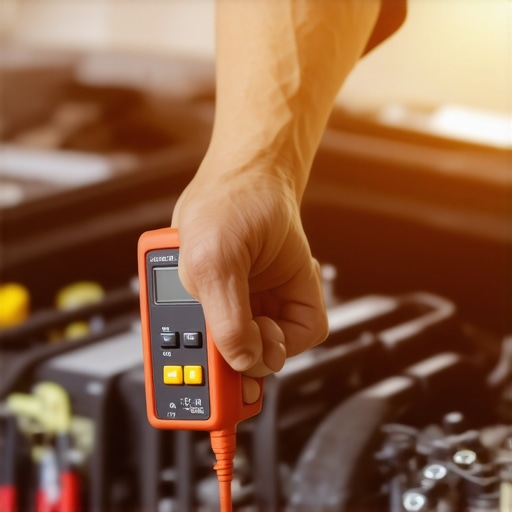 ]. This proactive approach keeps my car running efficiently and reduces maintenance surprises. As vehicle technology evolves, expect software-controlled maintenance schedules to become more personalized and automated, leading to even better long-term results.