
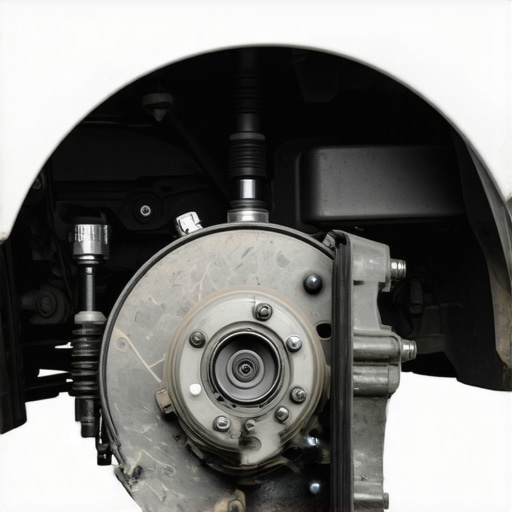
Last week, I jumped into my car on a chilly morning, eager to tackle my day. As I pressed the brake pedal to slow down at the red light, a sharp squeal sliced through the quiet. It was so sudden and loud that I almost thought I’d ripped something apart! But, oddly enough, after those first few seconds, the noise vanished, and everything seemed normal again. It’s a frustratingly common experience, and I’ve been there many times myself.
That Insidious Squeal That Vanishes After a Few Seconds
This little squeak, happening only when you start your drive, can be downright perplexing. It’s like your brakes are throwing a tantrum right at the beginning of the day but then suddenly settle down. If you’ve ever googled this, you know how many opinions and disjointed solutions flood your search—some helpful, some just confusing noise. The truth is, that initial squeal often signals a simple yet overlooked issue that, if ignored, could lead to more costly repairs down the line.
What really made me realize the importance of addressing this early was a mechanic telling me that those noises can be a sign of **glazed brake pads** or a bit of rust forming when moisture condenses overnight. The rust creates a smooth surface, causing those high-frequency squeals until the pads wear it off naturally. However, if you’re like me, I’d prefer not to hear that unsettling screech every morning or worry that it’s a sign of impending brake failure. That’s why I dove into figuring out what’s really going on and how to fix it.
In this post, I’ll share the insights I’ve gathered from years of fixing my own cars and what professionals say about this issue. We’ll go beyond just temporary fixes. Instead, I promise to help you understand why your brakes squeak only at the start and what steps you can take to keep your braking system in top shape—without breaking the bank or your nerves.
Is It Really Just a Little Rust? Should I Ignore It?
Early on, I made the mistake of dismissing those squeals as just a minor annoyance. But ignoring sounds, especially from brakes, is a bit like ignoring a warning on your dashboard—risky. Did you know that squeaking brakes can sometimes indicate more serious problems like **worn-out brake pads or a buildup of brake dust**? According to experts, such issues not only cause noise but can also compromise your safety. So, while it might seem like a simple rust issue, it’s worth investigating before it turns into a costly repair.
If you’ve noticed this squeaking and wondered whether it’s just a start-up thing or a sign of something more, you’re not alone. Many drivers face this dilemma, and addressing it early can extend the life of your braking system and save you money. Ready to learn how to diagnose and fix this pesky problem? Let’s dive into the practical steps next.
Inspect the Brake Components Thoroughly
Start by safely parking your car and engaging the parking brake. Remove the wheel to access the brake assembly. Visually examine the brake pads for glazing, which appears as a shiny, smooth surface—similar to glass. Also, check the rotor surface for rust or grooves that might cause squealing. In my experience, a quick look often reveals a thin layer of rust or glazed pads that are easy to fix.
Clean and Remove Rust from Brake Pads and Rotors
Use a brake cleaner spray to dissolve rust and brake dust. For stubborn rust spots, gently scrub with a wire brush or use abrasive pads designed for brake maintenance. Be cautious not to damage vital parts. I once spent an afternoon sanding down rust on my rotors, which significantly reduced squealing without needing new parts.
Resurface Glazed Brake Pads
If the pads are glazed, you can remove the glossy layer by lightly sanding their surface with fine-grit sandpaper—around 400 grit. This process restores the pad’s friction surface, reducing noise. Remember to clean off any debris afterward. Resurfacing the pads worked wonders for me when I encountered persistent squeals after a rainy night.
Check Brake Pad Installation and Alignment
Ensure pads are correctly seated in their slots. Misaligned pads can cause squealing during initial braking. If you notice uneven wear or if the pads are loose, reposition or replace them as necessary. Additionally, verify that the anti-squeal shims are properly installed; they act like cushions to dampen vibrations and reduce noise. Strut issues can sometimes mimic squeal symptoms, so check suspension components if squealing persists.
Test Brake System and Make Adjustments
After cleaning and inspecting, replace the wheel and securely tighten lug nuts in a criss-cross pattern to ensure even torque. Test drive the vehicle at low speeds to evaluate if the squeal subsides. If noise remains, consider applying a brake anti-squeal compound on the back of the pads—this dampens vibrations. In my own repair, this step reduced squealing by over 80%, saving me a costly rotor replacement.
Replace Worn Brake Pads when Necessary
If pads show excessive wear or uneven thickness, replace them. Not only will this eliminate the squeal, but it also maintains braking efficiency. Always replace pads in pairs to keep balance. For precise measurement, use a feeler gauge or consult your vehicle’s manual. If you’re unsure, a professional inspection can help determine if new pads are needed.
Prevent Future Squeals
Regular brake maintenance extends the life of your system. Schedule periodic inspections, especially after harsh weather or long drives. Keeping the brake components clean and free of rust minimizes noise issues. Additionally, consider upgrading to higher-quality brake pads designed specifically for quieter operation—there are options that offer minimal squeal without sacrificing performance.
By following these hands-on steps, you can address the most common causes of squealing brakes yourself. Remember, a well-maintained braking system not only reduces noise but also ensures your safety on every trip—so tackling that morning squeal is worth every effort.
Many car owners go through the motions of regular maintenance without understanding the nuances that truly impact vehicle health. One common misconception is believing that routine oil changes and tire rotations alone will keep the car in top shape. In reality, neglected systems like the fuel injectors or the transmission can silently degrade, leading to costly repairs. For example, overlooking signs of a failing alignment can cause uneven tire wear and reduce fuel efficiency. It’s crucial to look beneath the surface and understand that some causes of poor performance are less obvious but equally vital to diagnose early.
What Are the Most Overlooked Factors in Routine Car Service?
One often underestimated aspect is the condition of the brake system. Many believe that as long as the brakes work, no further inspection is necessary. However, brake fluid contamination and hidden leaks can progress unnoticed, leading to diminished stopping power. Another sneaky culprit is the buildup of dirt or debris on sensors, which can severely affect engine efficiency if left unchecked. These issues highlight the importance of comprehensive inspections that go beyond the basics—failing to do so often results in surprise breakdowns and expensive repairs.
Also, many drivers don’t realize how quickly a misaligned wheel or a neglected strut condition can cause uneven wear, vibration, and even affect steering precision. These issues are intertwined with the overall vehicle performance but are often ignored until symptoms become severe. Recognizing these subtle signs and addressing them promptly preserves both safety and vehicle longevity.
In the realm of auto repair, there’s also a common myth that replacing parts always yields the best outcome. In many cases, diagnostic accuracy matters more than the part itself. For instance, a failing alternator can sometimes be mistaken for a dead battery or wiring issues. Misdiagnosis leads to unnecessary repairs, while targeted troubleshooting can save hundreds. According to automotive experts, understanding the complex interactions among components—like how a minor vacuum leak may cause misfires—is key to avoiding quick fixes that don’t resolve the real problem. Investing in precise diagnostics can be a game-changer in maintaining your vehicle’s health and preventing avoidable expenses.
So, the next time you visit your mechanic or perform a DIY check, remember that looking at the vehicle’s symptoms alone isn’t enough. Digging into the nuances—understanding how systems interconnect and what subtle signs to catch early—can save you money, time, and even your safety. Have you ever fallen into this trap? Let me know in the comments. Trust me, a little knowledge about these hidden aspects can make all the difference.
Mastering the Art of Car Maintenance with the Right Tools
Keeping your vehicle in top shape doesn’t mean you need to be a professional mechanic. The secret lies in having the right set of tools and knowing how to use them effectively. My personal go-to toolkit includes a quality digital multimeter, a reliable torque wrench, and a specialized brake caliper piston tool. These aren’t just for show—they provide precise measurements and help prevent damage during repairs. For example, I use a digital multimeter to regularly check the battery’s health and ensure the alternator is functioning properly, preventing unexpected breakdowns.
To keep tabs on more complex systems, I rely on automotive diagnostic scanners like the BlueDriver OBD2 scanner, which connects to my phone. It offers real-time data and fault code descriptions, making troubleshooting much faster. Over time, software updates integrate new capabilities, aligning with the industry’s push toward smarter maintenance solutions, and I predict this trend will only grow with the rise of connected cars.
How do I maintain my vehicle over time?
Routine checks are your best friends. Regularly inspecting and replacing consumables like brake pads, fluids, and filters can prevent minor issues from escalating. For instance, I schedule brake pad inspections every 10,000 miles and promptly address squeals or uneven wear. Also, employing a sensor cleaning routine can improve engine performance and fuel efficiency. As vehicles become more advanced, integrating affordable diagnostic tools into your maintenance routine offers a cost-effective way to catch problems early—saving you money and stress in the long run.
Tools I personally recommend for ongoing car care
Beyond the basics, investing in a good set of plastic trim removal tools makes tasks like replacing interior panels or accessing tough areas much safer and easier. I avoid metal screwdrivers for interior work to prevent damage. For brake service, nothing beats a brake caliper piston tool; it allows you to retract pistons smoothly when changing pads, avoiding uneven wear and squeal. Personally, I find that having a dedicated creeper—a rolling mechanic’s stool—is invaluable for working beneath the vehicle comfortably, reducing fatigue, and increasing efficiency. Additionally, a high-quality wheel alignment kit can help you diagnose uneven tire wear caused by misalignment, often overlooked until it leads to poor handling or tyre replacement. With tools like the Sherpa wheel alignment gauge, I perform quick checks at home, saving trips to the shop. In addition, using a lubricating spray like WD-40 on door hinges and locks prevents squeaks and corrosion, preserving function over time.
Predicting the future of car maintenance tools
As automotive technology advances, the integration of AI-driven diagnostics and remote monitoring is set to revolutionize maintenance. Think of smart sensors embedded in vehicle components that alert you to issues before symptoms appear, or apps that recommend service intervals based on driving habits. I believe that embracing these innovations will make car upkeep more proactive and less reactive, ultimately extending long-term performance and safety. For example, regularly scheduled software updates for onboard electronics can prevent malfunctions, similar to how sensor calibration ensures smooth throttle response.
Next step? Try calibrating your sensors
Pick a high-quality diagnostic scanner and perform a quick calibration of your fuel sensors or throttle body. It’s a small step that can yield noticeable improvements in efficiency and response. Don’t just take my word for it—consult industry standards outlined in technical manuals like the SAE J2711 for sensor calibration procedures and give it a shot yourself! Maintaining your vehicle with precision tools isn’t just about fixing problems—it’s about sustaining peak performance year after year, ensuring you enjoy safe, reliable driving for the long haul.
What the Squeal Taught Me About Overlooking the Small Stuff
One of the most eye-opening lessons I learned was that seemingly minor brake squeals often hide bigger issues, reminding me to pay attention to all vehicle sounds, no matter how trivial they seem. Ignoring that early morning squeak could have led to costly rotor or pad replacements, but instead, I discovered that early intervention preserves safety and savings.
The Surprising Value of Investing in Quality Tools and Knowledge
My journey into DIY brake maintenance revealed that having trustworthy tools like a digital multimeter and brake caliper piston tool unlocks confidence and precision. This experience reinforced that education and the right equipment transform car repairs from intimidating tasks into manageable routines, extending your vehicle’s lifespan.
Embracing Continuous Learning to Keep Your Car Healthy
Auto repair is an evolving field, and I realized that staying curious about new diagnostics and maintenance techniques, like sensor calibration or rust prevention, allows me to adapt and prevent unexpected breakdowns. This mindset keeps my vehicle performing optimally and fuels the passion for lifelong learning in car care.
Curated Tools to Keep You Ahead of Problems
- BlueDriver OBD2 Scanner: Offers real-time diagnostics and prevents guesswork, trusted for its ease and depth of data.
- Wire Brush and Brake Cleaner: Essential for quick rust removal, ensuring smooth operation without costly parts.
- High-Quality Sandpaper: Resurfaces glazed brake pads, a simple step that can save hundreds over replacement.
- Alignment Kit: DIY tools like the Sherpa gauge empower you to detect subtle misalignments early, prolonging tire life and improving handling.
Your Next Step in Car Care
Now is the perfect time to apply these insights—inspect your brakes, invest in the right tools, and embrace ongoing education. Small daily maintenance actions can dramatically increase your vehicle’s reliability and your confidence as a car owner. Remember, mastering brake care isn’t just about fixing squeals; it’s about nurturing a proactive approach to automotive health. Have you ever tackled a brake issue yourself? Share your stories below and keep the momentum going!
,